Nepal Flood Aftermath Deepens Humanitarian Crisis and Tests Hydropower-First Energy Strategy
Kathmandu, Nepal — September 3, 2026
The scale of Nepal's devastating Himalayan flood disaster continues to emerge, with more than 1,200 people confirmed dead and thousands still missing as families, rescuers and communities struggle with the aftermath.
Entire settlements have been destroyed, roads and bridges have disappeared, and thousands of survivors have been displaced. At the same time, the disaster has severely damaged Nepal's hydropower infrastructure, creating new questions about the country's heavy dependence on river-based electricity and its ambitions to become a major regional power exporter.
More Than 1,200 Dead as Search for Missing Continues
The latest reports put the death toll from the Nepal-Tibet flood disaster at more than 1,200 people, while more than 4,000 remain missing.
The disaster began on August 26 after a major glacial and rock collapse in the Himalayan region triggered a destructive surge of water, mud and debris through river valleys along the Nepal-China border.
Communities along the Trishuli and Bhote Koshi river systems were among the hardest hit, with floodwaters sweeping away homes, bridges, businesses and critical infrastructure.
Families Face an Uncertain Wait
For thousands of families, the disaster has become a painful search for missing relatives.
Some families have begun holding symbolic funerals for people feared dead but whose bodies have not been recovered. Authorities are also collecting DNA samples from relatives to help identify bodies recovered from flood-hit areas.
There have been occasional signs of hope. Some foreign tourists previously listed as missing have contacted authorities, reducing the number of international visitors still unaccounted for.
Nepal's Foreign Ministry has confirmed that hundreds of foreign nationals have been rescued, but hundreds more from dozens of countries remain missing.
Worst-Hit Communities Face Enormous Destruction
The human suffering is particularly severe in areas such as Betrawati, Syabrubesi and settlements along the Trishuli River.
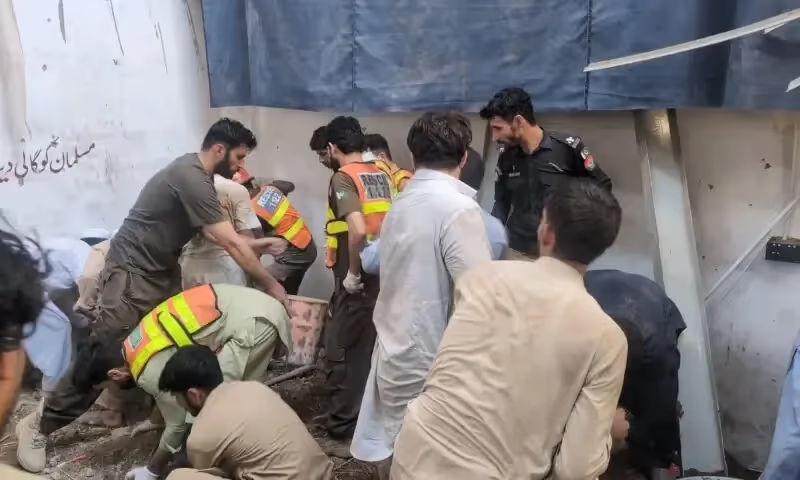
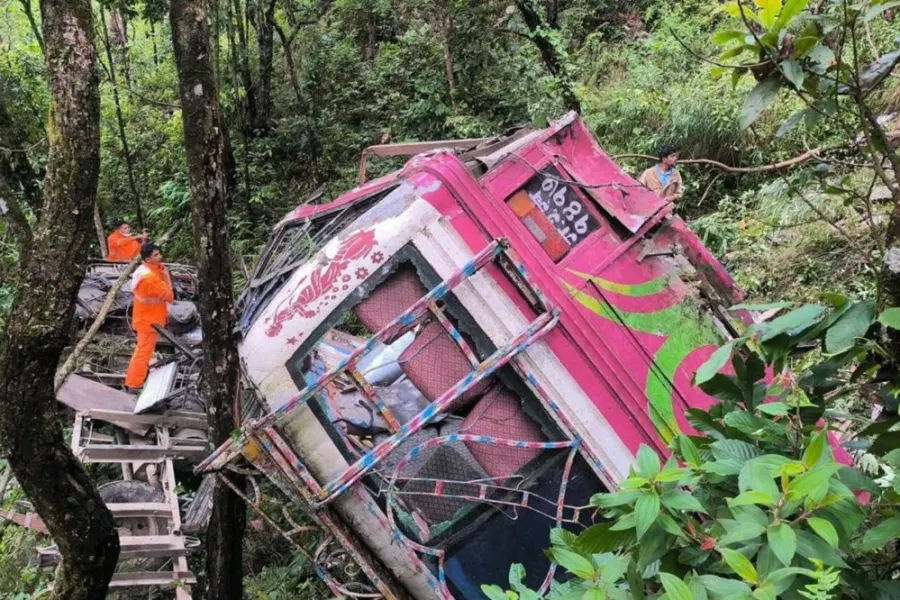
In some locations, entire neighbourhoods have effectively disappeared. Buildings have been buried beneath mud and debris, while stretches of roads and bridges have been washed away.
Difficult Himalayan terrain has made rescue and relief operations extremely challenging. In some isolated communities, helicopters remain one of the only practical ways to transport survivors, emergency workers and humanitarian supplies.
Many survivors have been left without permanent shelter, food, clothing or reliable access to healthcare.
Nepal's Hydropower Sector Takes a Major Hit
Beyond the devastating human toll, the floods have caused extensive damage to Nepal's electricity infrastructure.
According to an assessment reported by Mongabay, the disaster knocked out or badly damaged around 281 megawatts of installed generation capacity.
Projects still under construction were also affected, while approximately another 150 MW of electricity became disconnected from the national grid after transmission infrastructure along the Trishuli River was destroyed.
Transmission lines, substations, powerhouses and other electricity infrastructure were swept away or buried beneath debris.
Hydropower Workers Remain Missing
Hydropower projects have also become a major focus of search-and-rescue operations.
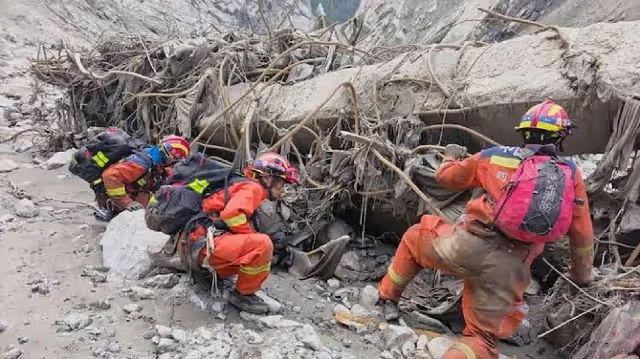
Hundreds of engineers and workers were reported missing after floodwaters struck power projects along the affected river systems. Some workers are believed to have been trapped inside tunnels and underground sections of hydropower facilities.
Specialised teams have been working through mud, debris and damaged tunnels in an effort to reach those who may still be alive.
Officials have expressed hope that some workers trapped inside enclosed underground structures could have survived because those areas were better protected from the direct force of the flood.
Underground Powerhouses Performed Better
The disaster has also revealed important differences in how hydropower projects were able to withstand the flood.
Powerhouses and structures built directly on or close to riverbanks experienced some of the most serious damage.
In comparison, projects using underground powerhouses and infrastructure located farther from the river generally performed better.
Energy experts say future hydropower projects may require stronger engineering standards, including:
Locating critical infrastructure farther from riverbanks.
Greater use of underground powerhouses and protected structures.
Longer and safer access tunnels.
Improved emergency evacuation plans.
Better flood and glacier early-warning systems.
Assessments that consider extreme floods and cascading Himalayan hazards.
Stronger Hydropower Projects Could Cost More
Making Nepal's electricity infrastructure more resilient will not come without additional costs.
Energy experts cited by Mongabay estimate that stronger designs and disaster-resilient construction could increase hydropower project costs by approximately 10% to 12%.
Developers may have to spend more on underground structures, stronger foundations, longer tunnels, monitoring systems and emergency infrastructure.
This has also raised concerns that some of the additional costs could eventually be reflected in electricity prices.
Disaster Tests Nepal's Electricity Export Strategy
The floods have struck at a crucial time for Nepal's energy sector.
Nepal recently became a net electricity exporter after years of expanding hydropower generation and increasing electricity sales to neighbouring India and Bangladesh.
In the financial year ending in July 2026, Nepal recorded approximately Rs 18.75 billion in net earnings from electricity trade with India and Bangladesh.
The government has ambitious long-term plans to dramatically expand hydropower generation and export surplus electricity as a way of reducing Nepal's trade deficit.
However, the latest disaster has exposed how climate-related hazards could threaten both generation infrastructure and the reliability of those exports.
Winter Electricity Supply Could Become a Challenge
Nepal currently generates surplus electricity during periods of high river flow, but electricity production generally falls during the dry winter months.
Damage from the floods could make the coming winter more difficult if affected hydropower plants and transmission systems cannot be restored quickly.
Nepal may therefore have to increase electricity imports from India during peak winter demand, potentially reversing some of the gains made through its recent electricity exports.
Should Nepal Prioritise Domestic Electricity Use?
The disaster has reopened debate over whether Nepal should focus so heavily on electricity exports.
Some energy experts argue that Nepal should prioritise domestic electricity consumption by encouraging households, industries and transportation systems to shift away from imported fossil fuels.
Electricity could be used more extensively for:
Electric cooking in households.
Electric industrial boilers and furnaces.
Electric vehicles and public transportation.
Domestic manufacturing and other energy-intensive industries.
Others argue that electricity exports remain important and that Nepal should not abandon the strategy, but instead make hydropower infrastructure safer while prioritising domestic demand when necessary.
Solar Power Could Become More Important
The disaster has also renewed discussion about diversifying Nepal's renewable energy system.
Hydropower dominates the country's electricity generation, while solar currently contributes only a small share.
Energy experts argue that expanding solar generation could reduce Nepal's dependence on rivers vulnerable to floods, landslides and seasonal changes.
Solar electricity could be particularly useful during the dry winter months, when hydropower production falls but daytime solar generation remains available.
Some experts believe solar could eventually contribute as much as 20% of Nepal's electricity mix as installation costs continue to decline and battery technology improves.
Key Developments
More than 1,200 people have died in the Nepal-Tibet flood disaster.
Thousands of people remain missing as search operations continue.
Entire communities, roads and bridges have been destroyed.
Approximately 281 MW of installed power capacity was wiped out or badly damaged.
Another 150 MW has been disconnected from the national grid because of transmission damage.
Hundreds of hydropower workers remain missing or trapped.
Energy experts are calling for stronger hydropower designs and greater use of solar electricity.
Nepal Faces a Long Road to Recovery
The immediate focus remains on finding missing people, supporting displaced families and restoring access to communities that remain isolated.
But the disaster has also created a much larger conversation about how Nepal rebuilds.
Roads, bridges, settlements and energy infrastructure will need to be reconstructed in a country increasingly exposed to glacial collapses, extreme floods, landslides and other climate-related hazards.
Simply rebuilding destroyed infrastructure in the same locations and to the same standards could leave communities vulnerable to future disasters.
A Humanitarian Disaster and an Energy Warning
Nepal's flood catastrophe has become both a humanitarian crisis and a major warning for the country's development strategy.
For affected families, the priority is finding missing loved ones and rebuilding lives destroyed within minutes. For policymakers, the disaster raises difficult questions about where communities and infrastructure should be built, how Himalayan hazards should be assessed and whether Nepal's energy system is resilient enough for a rapidly changing climate.
Hydropower is likely to remain central to Nepal's economic future, but the disaster suggests that future development may require stronger engineering, better early-warning systems, careful river-basin planning and a more diversified renewable energy mix.
As rescue operations continue, Nepal now faces the difficult task of recovering from one of its worst modern disasters while also deciding how to reduce the risks of the next one.
Keywords:
Related Posts