CJP Parliament March Live Updates: Leaders Hold Talks with JP Nadda, Submit Letter Without Receiving Any Commitments
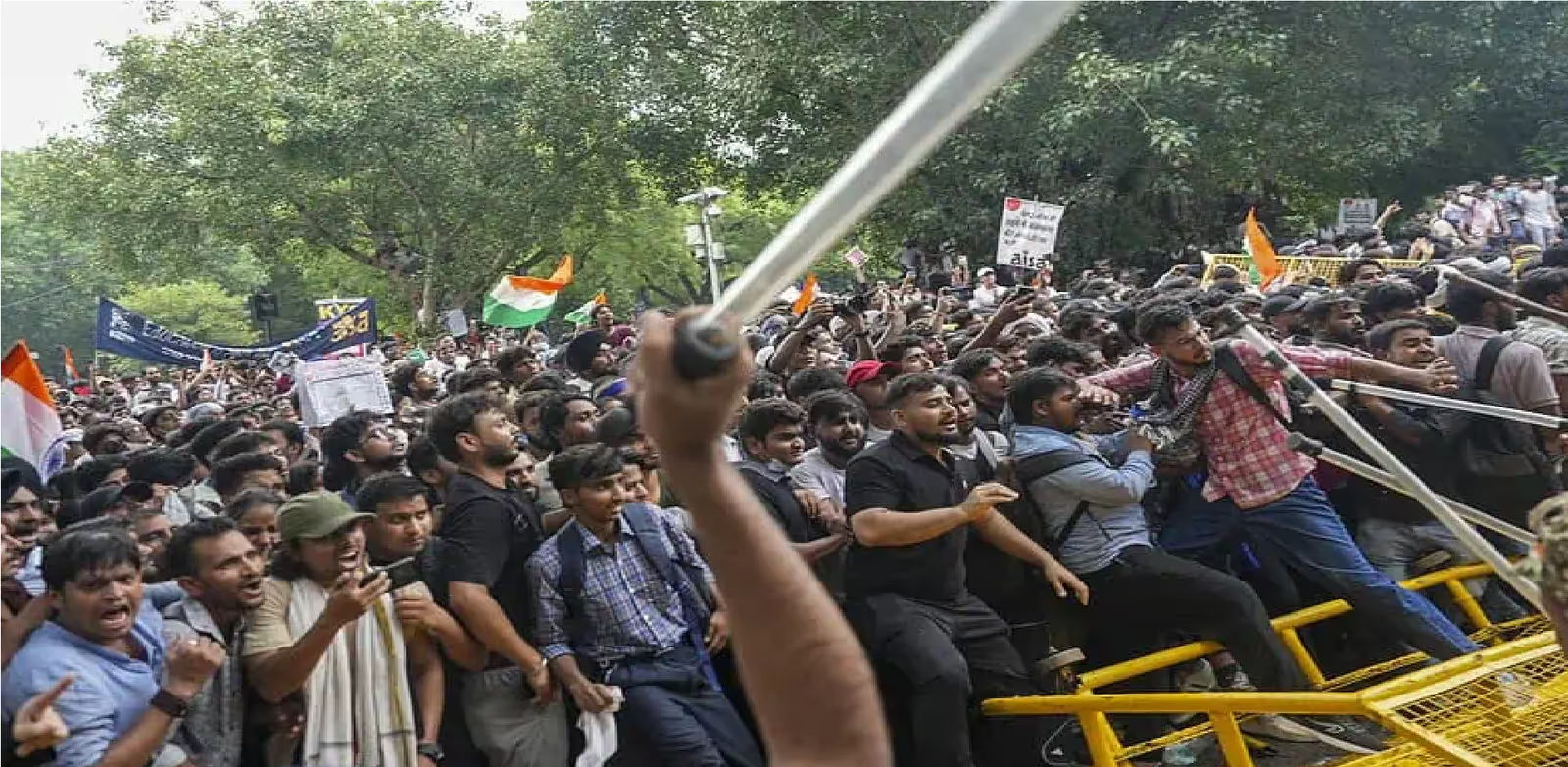
CJP ‘Chalo Sansad’ March Live Updates: Leaders Meet JP Nadda, Submit Letter; Say No Commitments Made So Far
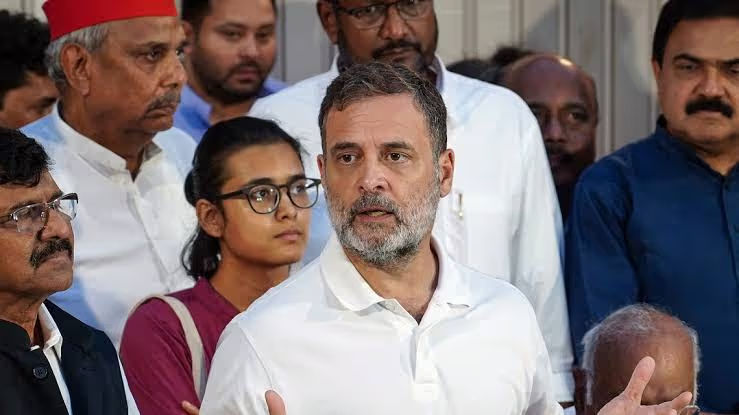
New Delhi: The CJP ‘Chalo Sansad’ march witnessed a major development as CJP representatives met Union Minister JP Nadda and submitted a letter highlighting their demands. After the meeting, CJP leaders said that no commitments or concrete assurances have been given by the government so far.
The march, organised in Delhi to raise concerns over various issues, drew attention as protesters gathered near the Parliament area amid heavy security arrangements. The meeting between CJP leaders and JP Nadda became the key development of the day.
Latest Update: CJP Leaders Meet JP Nadda, Submit Memorandum
The latest update from the ‘Chalo Sansad’ protest is that a CJP delegation met JP Nadda and handed over a written memorandum containing their demands.
The delegation included CJP representatives who discussed their concerns with the Union Minister. According to the leaders, the meeting allowed them to present their views directly to the government.
However, after the discussion, CJP leaders stated that:
No immediate commitment has been made by the government.
No final decision has been announced on their demands.
The issues raised during the meeting are expected to be discussed further.
The leaders said they are waiting for a response from the government regarding the next steps.
CJP ‘Chalo Sansad’ March: Protesters Gather in Delhi
The CJP ‘Chalo Sansad’ march brought several supporters together in Delhi as protesters attempted to highlight their demands and seek government attention.
The demonstration took place near the Parliament area, where authorities had already increased security arrangements due to the sensitive location.
The protesters carried banners and raised slogans while demanding action on issues they described as important for students and citizens.
Heavy Security Deployment Around Parliament
Security arrangements were strengthened across several parts of New Delhi ahead of the march.
Authorities deployed police personnel and installed barricades to manage the movement of protesters and maintain law and order.
Key security measures included:
Increased police presence near Parliament.
Barricading of important routes.
Monitoring of protest activities.
Restrictions around sensitive areas.
Officials said the security measures were taken to ensure that the protest remained under control and did not affect the functioning of important government areas.
CJP Leaders Highlight Their Major Demands
During the protest, CJP representatives raised several demands and submitted them through their memorandum to JP Nadda.
The main issues highlighted by the protesters include:
Demand for accountability in the education and examination system.
Action regarding concerns raised by students.
Government response on NEET-related issues.
Support and justice-related demands raised by affected families.
Action against officials accused of failing to address student concerns.
The protesters said their objective was to bring these issues directly before the government and seek immediate attention.
Protesters Demand Action Over Education Issues
A major focus of the CJP protest was related to concerns surrounding India's examination system and student issues.
Protesters argued that students face uncertainty due to problems related to competitive examinations and demanded stronger measures to ensure transparency and fairness.
They called for:
Better examination management.
Strict action against wrongdoing.
Protection of students’ interests.
Greater accountability from authorities.
The organisation said that the march was aimed at making the government aware of these concerns.
Government Response After CJP Meeting
After the meeting with JP Nadda, CJP representatives said that their concerns were heard, but no formal assurance was provided immediately.
The government is expected to examine the points raised in the memorandum before taking any further action.
At present:
No official announcement has been made regarding the demands.
CJP leaders are awaiting further communication.
Discussions may continue between representatives and authorities.
What Happened During the Parliament March?
The march attracted significant attention as protesters attempted to move towards Parliament while police personnel monitored the situation.
Security forces worked to maintain restrictions around the Parliament area. In some locations, tensions were reported between protesters and police as authorities attempted to manage the crowd.
The administration maintained that security measures were necessary due to the importance of the Parliament zone.
Why CJP’s March Became a Major Political Issue
The ‘Chalo Sansad’ march gained attention because it took place near Parliament, where public movements often become a platform for raising national issues.
The meeting between CJP leaders and a senior Union Minister also became an important moment, as it provided a direct channel for protesters to communicate their concerns to the government.
Political observers are now watching whether the government provides any response after reviewing the submitted memorandum.
Tags:
Related Posts