Bhotekoshi Disaster Enters Grim Recovery Phase as Nepal Searches for 4,800 Missing
Kathmandu, Nepal — September 5, 2026
Nepal's catastrophic Bhotekoshi flood has entered a difficult recovery and identification phase, with authorities confirming 1,290 deaths and nearly 4,800 people still missing.
Rescue teams have managed to bring thousands of people to safety, but the scale of the missing-person list means search operations remain one of the country's most urgent priorities.
The disaster has devastated communities in Rasuwa and surrounding areas, damaging homes, roads, bridges and critical infrastructure while leaving thousands of families waiting for news of missing relatives.
Death Toll Reaches 1,290
Nepal Police said 1,290 bodies have been recovered following the devastating flash floods.
The confirmed victims include children, women and men, while hundreds of recovered remains are incomplete, making identification significantly more difficult for authorities and families.
According to police records, 32 children, 250 women and 427 men were among the identified categories, while 532 cases involved partial human remains.
Two additional people died while receiving treatment in hospital.
Nearly 4,800 People Still Missing
The number of people who remain unaccounted for continues to be one of the most distressing aspects of the disaster.
Nepal Police reported that 4,798 people remain missing, including thousands of men and hundreds of women.
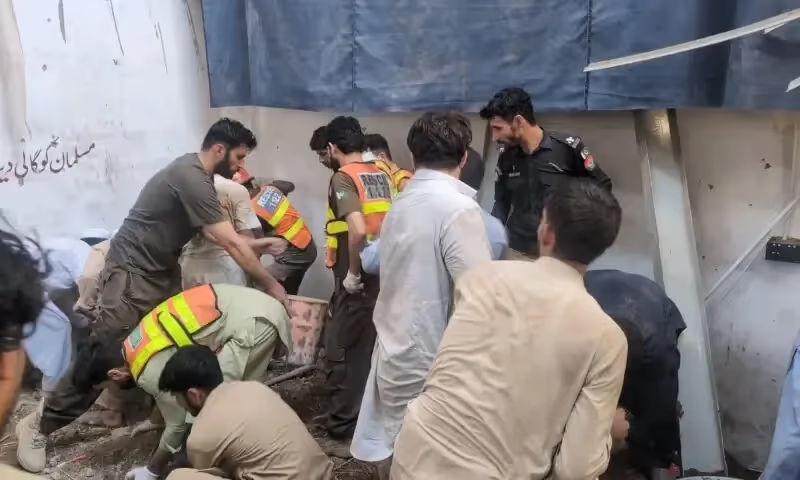
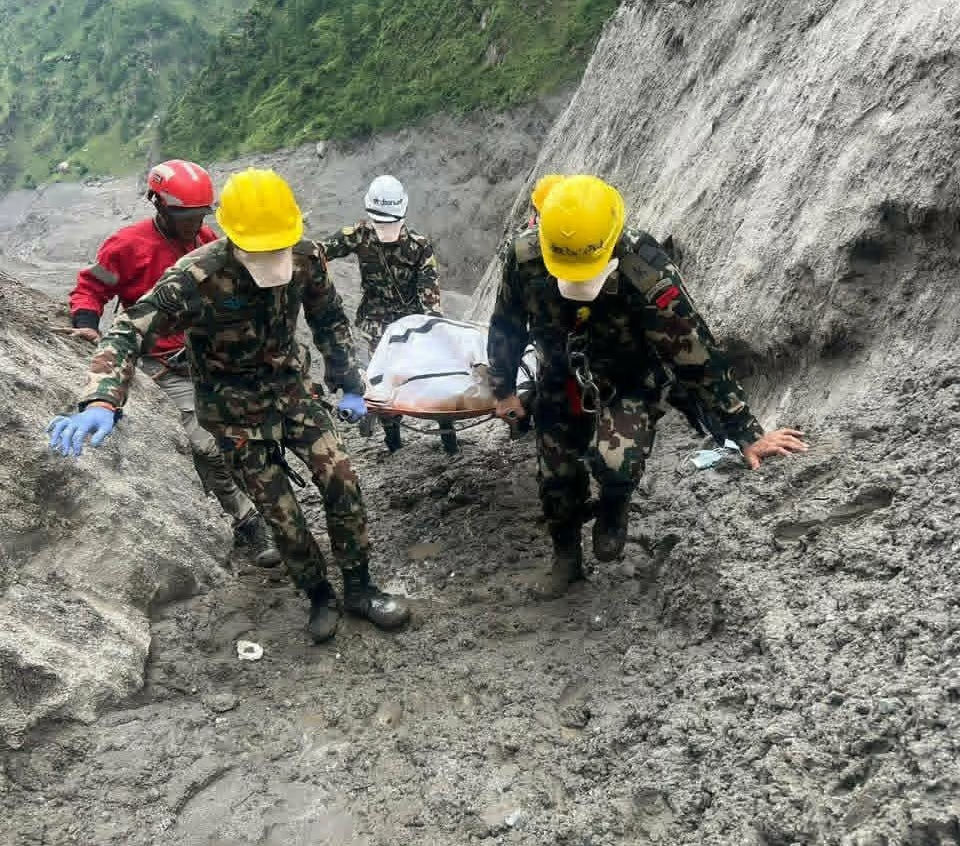
Search teams continue to examine riverbanks, damaged settlements, landslide zones and other flood-hit locations in the hope of finding survivors or recovering victims.
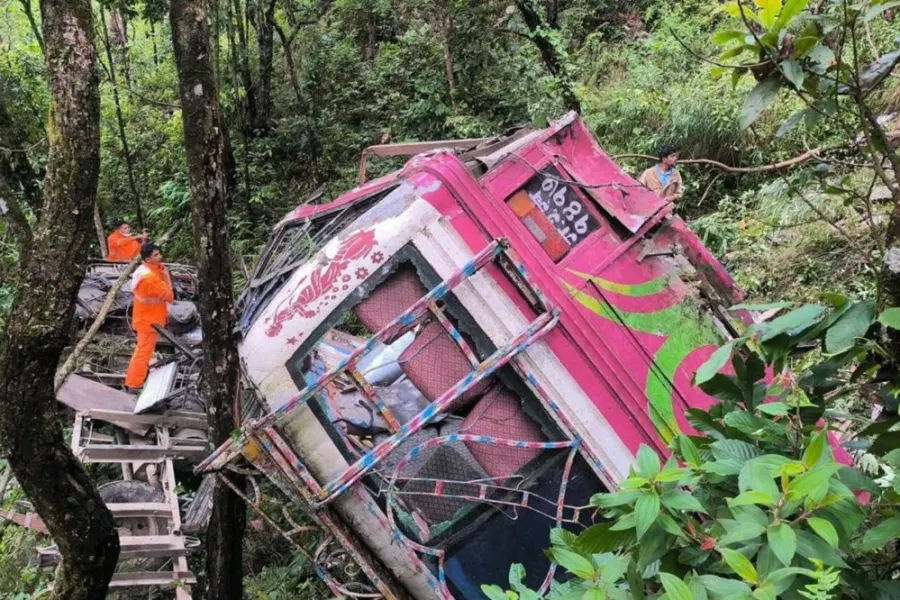
Difficult terrain and damaged transportation routes are making the operation especially challenging in remote areas.
More Than 8,000 Rescued Alive
Despite the enormous scale of the disaster, rescue operations have saved thousands of lives.
Police records show that 8,197 people have been rescued alive.
Those rescued include:
4,618 men.
2,472 women.
1,055 foreign nationals.
52 people whose identities had not yet been confirmed.
The presence of more than 1,000 rescued foreign nationals highlights the international dimension of the disaster, particularly in Himalayan areas frequently visited by tourists, trekkers and workers.
DNA Testing Becomes Central to Identification
Identifying victims has become a major challenge because of the condition in which many bodies and remains have been recovered.
Authorities have collected DNA samples from 1,143 deceased individuals as part of an effort to establish identities.
DNA samples have also been taken from 711 relatives of people believed to be missing or deceased.
The process allows forensic teams to compare samples and provide families with confirmation when visual identification is impossible.
As of the latest police figures, 926 bodies had already been buried.
Search Operations Remain the Main Priority
Search-and-rescue operations continue across Rasuwa and other affected districts.
Earlier disaster-response figures showed that more than 21,000 personnel from the Nepal Army, Nepal Police and Armed Police Force had been deployed in flood-hit areas.
Security teams have searched:
Riverbanks and flood channels.
Destroyed settlements.
Landslide-affected areas.
Hydropower project locations.
Damaged highways and isolated communities.
Helicopters have played an important role in reaching areas where roads and bridges were destroyed.
Foreign Nationals Among Those Affected
Foreign tourists and workers have been among those affected by the disaster.
Earlier government data showed hundreds of foreign nationals were listed as missing, while rescue teams successfully evacuated many others.
The large number of international visitors in affected areas has required coordination between Nepalese authorities, embassies and foreign governments.
Hydropower Workers Remain a Major Concern
The flood has also had a serious impact on Nepal's hydropower sector.
Earlier official records listed hundreds of hydropower workers among those missing, with several power projects located directly within the flood-affected river corridor.
Rescue teams have searched tunnels, powerhouses and project sites for workers who may have been trapped when the flood struck.
Damage to hydropower infrastructure has also created longer-term concerns about electricity generation, reconstruction costs and the resilience of energy projects built along Himalayan rivers.
Flood Orphans and Displaced Families Face Long-Term Challenges
The disaster has created social challenges that will continue long after rescue operations end.
Children who lost parents, families who lost homes and communities cut off from roads and public services will require long-term support.
Bagmati Province has announced support measures for children orphaned by the floods, including free education and accommodation up to Grade 12.
Such measures reflect the growing shift from immediate rescue operations toward rehabilitation and reconstruction.
Relief Efforts Expand
Humanitarian assistance continues to arrive from government agencies, international partners, charities and private organisations.
Relief efforts include the distribution of:
Food and drinking water.
Medical supplies.
Temporary shelter materials.
Clothing and essential household items.
Search-and-rescue equipment.
However, damaged roads and bridges continue to slow the movement of supplies into some areas.
Infrastructure Recovery Will Take Time
The flood destroyed major sections of transportation and communication infrastructure.
Roads linking communities with Kathmandu have been damaged or completely washed away, forcing authorities to build temporary tracks and alternate routes.
Restoring reliable transport will be essential for delivering aid, rebuilding communities and restarting local economic activity.
Infrastructure recovery is expected to require substantial government spending and support from international partners.
Key Figures So Far
1,290 people confirmed dead.
4,798 people remain missing.
8,197 people rescued alive.
1,055 foreign nationals rescued.
1,143 DNA samples collected from deceased victims.
711 relatives have provided DNA samples.
926 bodies have been buried.
Nepal Moves From Rescue to Recovery
Nepal's flood response is gradually moving from immediate rescue toward a much longer recovery process.
Authorities must now balance several urgent tasks at the same time: locating missing people, identifying victims, supporting displaced families, reopening roads and rebuilding damaged infrastructure.
For thousands of families, however, recovery cannot truly begin until they know what happened to relatives who remain missing.
With nearly 4,800 people still unaccounted for, the Bhotekoshi flood remains an active humanitarian emergency even as reconstruction efforts begin.
A Disaster Nepal Will Feel for Years
The numbers alone reveal the extraordinary scale of the catastrophe, but the long-term impact will extend far beyond the final death toll.
Thousands of survivors have lost homes, livelihoods and family members, while damaged roads, hydropower projects and public infrastructure could take years to fully restore.
The disaster has also renewed debate about climate resilience, glacier monitoring, flood-warning systems and how Nepal develops critical infrastructure in increasingly vulnerable Himalayan valleys.
As rescue teams continue searching and forensic experts work to identify victims, Nepal faces the difficult task of rebuilding communities while ensuring lessons from the Bhotekoshi catastrophe influence future disaster planning.
Keywords:
Related Posts