Before the Rivers Rise: Nepal Restricts Highways, Schools and Himalayan Treks Ahead of Three-Day Rain Threat
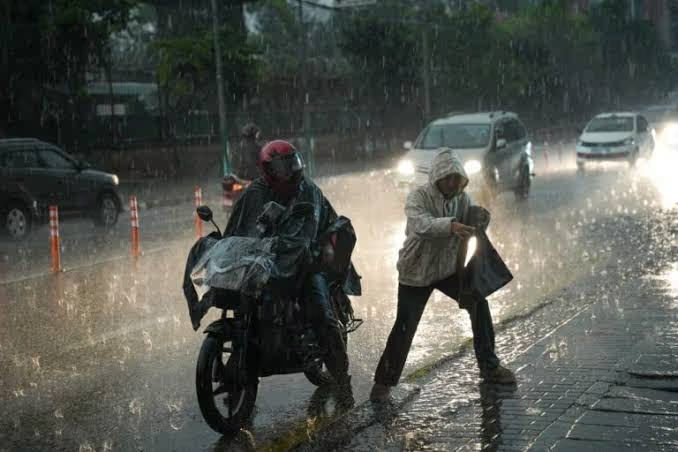
Nepal has entered a period of heightened weather alert as authorities restrict night-time travel, suspend trekking routes, close schools and prepare emergency teams ahead of a multi-day spell of heavy to extremely heavy rainfall expected to increase the risk of floods, landslides and inundation across large parts of the country.
The Department of Hydrology and Meteorology has warned that persistent rainfall could affect several provinces from Friday through Sunday, with some of the strongest conditions expected in Gandaki and Lumbini.
Instead of waiting for roads to become blocked or rivers to overflow, authorities in multiple districts have begun imposing precautionary restrictions.
The measures affect major highways, mountain trekking routes, schools and other activities in areas considered vulnerable to floods and landslides.
The bigger story: Nepal's response is increasingly becoming pre-emptive rather than reactive. Roads are being closed at night, trekking is being suspended and schools are shutting before a major disaster occurs, based on forecasts that the September 25-27 period could bring dangerous rainfall.
Heavy to Extremely Heavy Rainfall Is Possible
Nepal's Meteorological Forecasting Division has warned of widespread rainfall as a powerful weather system influences the country alongside existing monsoon and westerly winds.
Heavy to very heavy rainfall is forecast in several provinces, while isolated locations could receive extremely heavy rainfall.
Gandaki and Lumbini are among the areas facing some of the strongest warnings.
The weather office has also warned about thunderstorms, lightning and strong winds in affected regions.
Friday Could Bring Some of the Most Severe Conditions
The forecast for Friday, September 25, includes heavy to very heavy rainfall at a few locations in Koshi, Bagmati, Gandaki, Lumbini and Karnali provinces.
One or two locations in Gandaki and Lumbini could receive extremely heavy rainfall.
Heavy rainfall is also possible at isolated locations in Madhesh Province.
Strong winds are expected in parts of Madhesh and the Terai areas of Koshi, Bagmati, Gandaki and Lumbini.
The Threat Continues Into Saturday
The risk does not end on Friday.
On Saturday, heavy to very heavy rainfall is expected at a few locations in Gandaki, Lumbini, Karnali and Sudurpashchim provinces.
Strong winds may also affect parts of the Terai.
Authorities have therefore been planning around a multi-day weather event rather than a short burst of rain.
Long-Distance Travel From Friday to Sunday Is Discouraged
The Meteorological Forecasting Division has advised people to avoid unnecessary long-distance road travel between September 25 and September 27.
Persistent rainfall can weaken slopes and increase the possibility of landslides, debris flows and sudden road blockages.
River levels can also rise quickly following intense rainfall upstream.
Travelling at night adds another layer of risk because landslides, damaged roads and rapidly rising streams can be more difficult to identify.
Major Highways Are Already Facing Night-Time Restrictions
District administrations and police have started restricting traffic on several important roads rather than waiting for conditions to deteriorate.
The restrictions vary by district and road section, but many focus on stopping vehicles from travelling overnight.
Roads Facing Restrictions Include
- Prithvi Highway: Night-time traffic restrictions have been introduced as authorities prepare for heavy rainfall.
- Narayanghat-Muglin road: Traffic has been halted during designated night-time hours because of flood and landslide risk.
- BP Highway: The Kavrepalanchok section is restricted from 5pm to 5am during the high-risk period.
- Mechi Highway: Night-time movement has been restricted in high-risk sections.
- Rapti Highway: Night transport has been suspended on the Dang-Salyan section.
- Madan Bhandari Highway: Restrictions affect the Dang-Kalimati-Surkhet section.
- Kanti Highway: Night-time movement has also been restricted as part of precautionary measures.
Travellers should verify the latest district administration or Nepal Police notice before beginning a journey because restrictions can change as weather and road conditions develop.
Narayanghat-Muglin Is Again a Major Concern
The Narayanghat-Muglin road is one of Nepal's most important transport corridors and is particularly sensitive during periods of intense rainfall.
Chitwan authorities halted traffic on the section overnight as continuous rain increased the possibility of landslides and flooding.
The route carries large numbers of passenger buses, private vehicles and freight trucks travelling between Kathmandu and other regions.
A closure on this corridor can therefore have effects far beyond Chitwan itself.
The BP Highway Is Restricted for Several Nights
Authorities in Kavrepalanchok have introduced night-time restrictions along the BP Highway amid concern over floods and landslides.
Vehicles are being prevented from using the affected section between 5pm and 5am during the precautionary period.
Settlements around the Sunkoshi, Bhotekoshi, Roshi, Khani and Bagmati rivers have been identified as areas requiring particular attention.
Police and local representatives have been warning residents in vulnerable locations and preparing for relocation if conditions worsen.
Schools Have Closed in Several Areas
Weather warnings are also disrupting education.
Some local governments have temporarily closed schools because students and teachers may need to cross rivers, streams or landslide-prone roads to reach classrooms.
Raksirang and Indrasarowar rural municipalities in Makawanpur announced school holidays for Thursday and Friday.
Schools in Sharada and Bagchaur municipalities in Salyan were also ordered closed during the high-risk period.
Other local governments have been monitoring conditions and may make similar decisions if rainfall intensifies.
Butwal Also Closed Schools as Rainfall Risk Increased
Authorities in Lumbini Province have increased preparedness because the province is among the areas where extremely heavy rainfall is possible.
Butwal Sub-Metropolitan City ordered schools closed for Thursday and Friday amid concerns over rising water levels and worsening weather.
Provincial authorities have alerted all 12 districts and 109 local units in Lumbini to prepare for possible flooding, inundation and landslides.
Himalayan Trekking Is Being Suspended
The weather warning is particularly significant for Nepal's autumn trekking season.
The Meteorological Forecasting Division has advised people not to begin Himalayan treks during the dangerous weather period.
Trekkers who are already at higher elevations have been advised to return to safer and lower locations.
Rain at lower elevations can become snowfall in high mountain areas, creating additional hazards including poor visibility, blocked trails and difficult rescue conditions.
Manang Has Restricted High-Altitude Trekking
Authorities in Manang have imposed restrictions on trekking in high-altitude areas because of the forecast.
Movement has been restricted around several well-known destinations and mountain routes.
- Tilicho Lake.
- Thorong La Pass.
- Ice Lake.
- Kang La Pass.
- Bhimthang.
- Other vulnerable high-altitude routes.
Tourists already in those areas have been asked to remain in safe shelters or move to secure locations.
Kaski Has Also Suspended Trekking Activities
Authorities in Kaski have moved to restrict trekking as Gandaki Province prepares for some of the strongest forecast rainfall.
Night buses leaving the district have also faced restrictions during the high-risk period.
Rural transport operators have been advised to avoid operating vehicles later in the day.
Authorities have also increased safety precautions around recreational activities on Phewa and Begnas lakes.
Pathibhara Pilgrims Have Been Asked to Postpone Visits
The Pathibhara Area Development Committee in Taplejung has asked devotees to postpone journeys to the Pathibhara temple during the severe-weather period.
The route involves difficult terrain where rainfall can trigger landslides and road blockages.
Officials said postponing travel is intended to reduce the possibility of pilgrims becoming stranded in dangerous conditions.
Why Nepal Is Taking Action Before the Worst Rain Arrives
The current response reflects a fundamental reality of disaster management: once a landslide blocks a mountain highway or a river floods a settlement, evacuation and rescue become considerably more difficult.
Restricting movement beforehand can reduce the number of people exposed to those hazards.
Authorities are therefore using weather forecasts to make decisions before the most dangerous conditions develop.
The Preventive Measures Include
- Closing vulnerable roads at night.
- Postponing long-distance travel.
- Suspending Himalayan trekking.
- Closing schools in high-risk areas.
- Preparing temporary shelters.
- Warning communities near rivers.
- Putting police and rescue teams on alert.
- Preparing hospitals for possible emergencies.
Nepal Heavy Rain Warning: Key Facts
- Main high-risk period: September 25-27, 2026.
- Primary hazards: Heavy rainfall, floods, landslides, inundation, strong winds and high-altitude snowfall.
- Friday: Heavy to very heavy rainfall possible in Koshi, Bagmati, Gandaki, Lumbini and Karnali.
- Extreme rain risk: Isolated locations in Gandaki and Lumbini.
- Saturday: Heavy to very heavy rainfall possible in Gandaki, Lumbini, Karnali and Sudurpashchim.
- Long-distance travel: People have been advised to postpone unnecessary journeys during the high-risk period.
- Himalayan trekking: Suspension or postponement advised.
- Schools: Temporary closures announced in several municipalities.
- Highways: Multiple routes are under night-time restrictions.
Kathmandu Is Also Preparing for Flooding and Inundation
Kathmandu Metropolitan City has increased monitoring as rainfall continues and authorities prepare for possible flooding along rivers and low-lying areas.
Municipal teams have been instructed to monitor vulnerable locations, clear drainage points and prepare rescue equipment.
Schools located in particularly vulnerable areas may suspend classes if local conditions become unsafe.
Residents near riverbanks and locations with a history of inundation have been urged to remain alert to official warnings.
Lumbini Is Preparing All 12 Districts
Lumbini has become one of the main areas of concern because extremely heavy rainfall is possible at isolated locations.
Provincial authorities have instructed all 12 districts and 109 local governments to increase preparedness.
Hospitals, emergency teams and local governments have been asked to prepare for possible floods, landslides and inundation.
Communities near rivers including the Tinau and Rapti are among those being closely monitored.
Sudurpashchim Is Preparing Vulnerable River Communities
Disaster preparedness has also increased in Sudurpashchim as rainfall is expected to intensify in parts of the province.
Authorities have warned communities living near the Karnali, Mohana and Patharaiya river systems to remain alert.
Local administrations have been coordinating emergency relocation plans, hospital readiness and food supplies.
Health Facilities Have Been Asked to Remain Ready
Nepal's health authorities have also increased preparedness because severe rainfall can create emergencies far beyond immediate flood and landslide injuries.
Hospitals and provincial health authorities have been asked to ensure staff can be mobilised rapidly if disasters occur.
Emergency operation centres have also been instructed to maintain readiness.
Why Continuous Rain Creates More Danger Over Time
The danger from a multi-day rainfall event is not determined only by how hard it rains at a particular moment.
Persistent rain gradually saturates soil.
As slopes absorb more water, their stability can decrease, increasing the possibility of landslides even after the heaviest rainfall has passed.
Rivers can similarly continue rising as water from upstream catchments moves downstream.
This is one reason authorities are warning people to remain cautious throughout the multi-day period rather than assuming a temporary break in rain means the danger has ended.
Travellers Should Check Conditions Immediately Before Leaving
Nepal's highway situation can change quickly during intense rainfall.
A route that is open in the morning can become blocked later because of a landslide, debris flow or rising stream.
Anyone who must travel should therefore check the latest information from Nepal Police, district administrations and weather authorities immediately before departure.
Travellers should not rely solely on an earlier road-status update during rapidly changing conditions.
Basic Precautions During the Rainfall Period
- Avoid unnecessary long-distance journeys.
- Avoid travelling through landslide-prone roads at night.
- Do not cross flooded roads or rapidly flowing streams.
- Postpone high-altitude trekking.
- Stay away from unstable slopes and riverbanks.
- Follow official evacuation instructions if issued.
- Keep phones charged and emergency contacts available.
- Monitor official weather and flood warnings frequently.
The Forecast Is a Warning, Not a Prediction of Disaster Everywhere
Heavy-rain warnings do not mean every district will experience destructive flooding or landslides.
Rainfall can vary considerably between nearby locations, particularly in Nepal's mountainous terrain.
The purpose of the warnings is to identify elevated risk and allow people and authorities to prepare before conditions become dangerous.
Actual impacts will depend on where the heaviest rain falls, how long it continues and how rivers, slopes and roads respond.
For emergency weather information: Nepal's Department of Hydrology and Meteorology operates toll-free number 1155. Callers can press 1 for weather forecasts and 2 for flood early-warning information.
The Next 72 Hours Will Be the Critical Period
Nepal now enters the most closely watched part of the weather event.
Heavy rain has already prompted restrictions before the forecast peak, and authorities are positioning emergency resources around areas considered vulnerable.
The most important factor over the next several days will be where the strongest rainfall actually develops and whether prolonged precipitation begins pushing rivers and slopes toward dangerous levels.
For travellers, trekkers and communities in vulnerable locations, the message from authorities is unusually consistent: unnecessary movement during the high-risk period should be postponed.
Nepal Is Trying to Act Before a Weather Warning Becomes a Disaster
The unusual feature of this weather event is not only the rainfall forecast but the breadth of action being taken before its full impact is known.
Highways are being restricted before landslides block them. Schools are being closed before streams become difficult to cross. Trekkers are being brought down before conditions deteriorate in the mountains.
Those measures cannot prevent heavy rainfall, floods or landslides.
Their purpose is to reduce the number of people exposed when those hazards occur.
With heavy to extremely heavy rainfall possible through the weekend, Nepal's next three days will test whether acting on forecasts early can reduce the human cost of severe monsoon weather.
Keywords:
Related Posts