Xiaomi 17 Ultra by Leica arrives for review
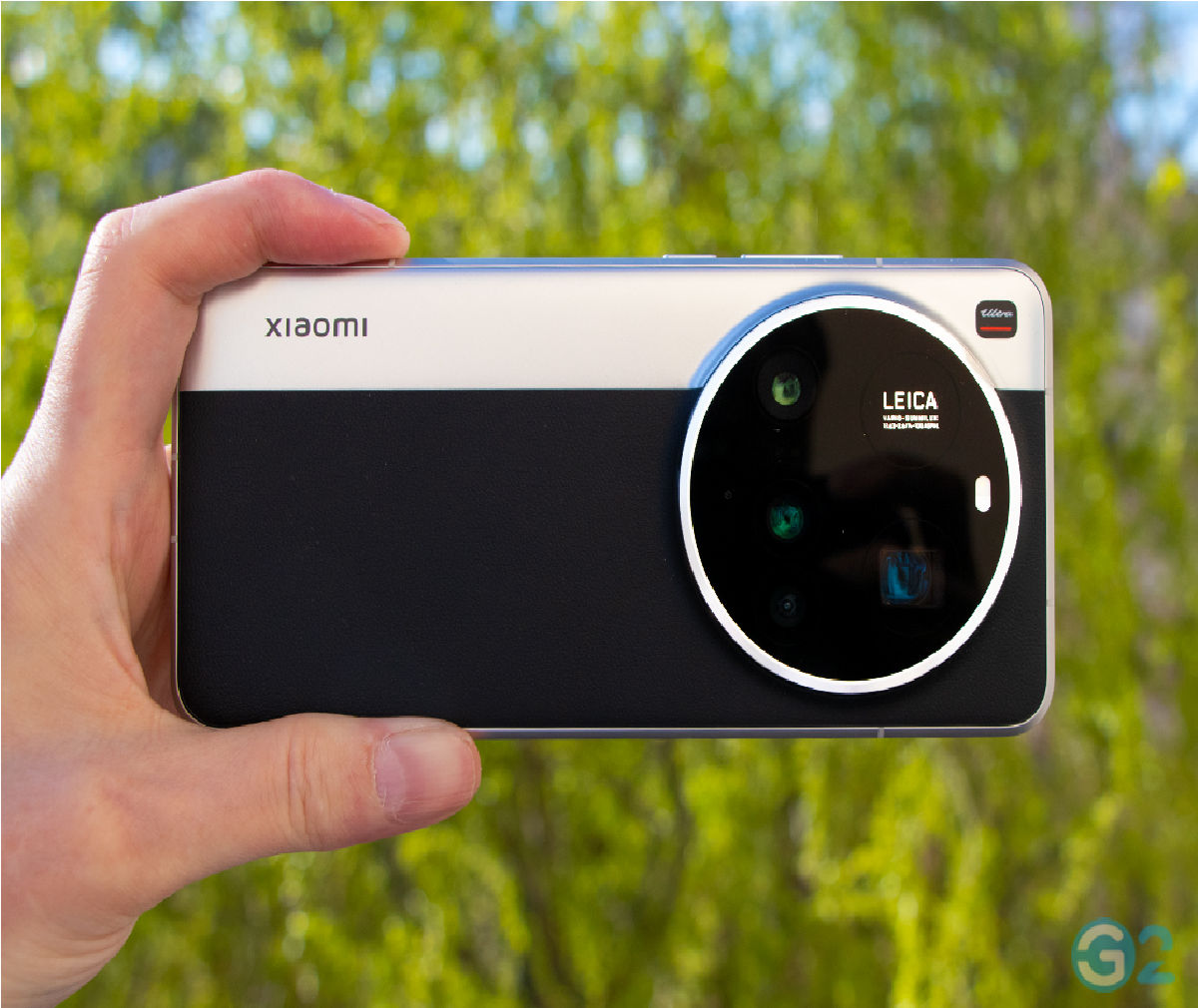
Xiaomi 17 Ultra by Leica Review: A Flagship Built for Photography Purists
Photography enthusiasts have a reason to celebrate. Xiaomi has once again doubled down on its collaboration with legendary camera maker Leica, unveiling a smartphone that goes far beyond branding and buzzwords. The Xiaomi 17 Ultra by Leica is not just another flagship with a powerful camera—it is a carefully curated device designed to appeal directly to photography purists who crave tactile controls, classic aesthetics, and color science inspired by iconic Leica cameras.
From its distinctive dual-tone design and premium accessories to a mechanically rotating camera control ring and Leica-tuned shooting modes, the Xiaomi 17 Ultra by Leica positions itself as one of the most photography-focused smartphones ever released. Priced significantly higher than the standard Xiaomi 17 Ultra, this special edition justifies its premium through exclusivity, craftsmanship, and deep camera-centric customization.
Let’s take a closer look at what makes the Xiaomi 17 Ultra by Leica one of the most intriguing smartphone releases of the year.
Premium Pricing Reflects a Premium Philosophy
The Xiaomi 17 Ultra by Leica is clearly targeted at a niche audience. In China, the device is priced at CNY 7,999 for the 512GB variant and CNY 8,999 for the 1TB version. In comparison, the standard Xiaomi 17 Ultra starts at CNY 6,999 and tops out at CNY 8,499.
This price difference signals Xiaomi’s intent: the Leica edition is not meant to be a mass-market flagship but rather a collector-grade device for photography enthusiasts, Leica loyalists, and users who appreciate physical camera controls and classic design elements.
Unboxing Experience: Photography First
Right from the unboxing, it’s clear that Xiaomi has leaned heavily into the photography narrative. The retail package includes not only the essentials but also a carefully selected set of accessories designed to enhance the camera experience.
Inside the box, buyers will find:
- The Xiaomi 17 Ultra by Leica smartphone
- A 100W fast charger
- A braided USB-A to USB-C cable, reinforcing durability and premium feel
- A specially designed protective case
- A metal Leica lens cap that attaches to the case
- A red wrist strap, reminiscent of Leica camera straps
- A leather wiping cloth for lens maintenance
This is one of the most thoughtfully assembled smartphone accessory kits in recent memory, reinforcing the idea that this device is meant to be treated like a camera rather than just another phone.
A Design Inspired by Leica’s Legacy
Visually, the Xiaomi 17 Ultra by Leica stands apart from the standard model. The phone features an exclusive dual-tone finish, directly inspired by Leica’s iconic camera designs.
The lower half of the phone is wrapped in a leatherette material, offering improved grip and a tactile feel similar to traditional camera bodies. The upper section mimics the metal top plate of Leica M-series cameras, complete with subtle textures and premium finishing.
Adding to the authenticity is the unmistakable red Leica dot logo, a small but powerful branding element that immediately communicates the phone’s identity. It’s a bold move that will resonate strongly with Leica fans.
Unique Hardware Touches You Won’t Find Elsewhere
The Leica collaboration isn’t limited to aesthetics. Xiaomi has introduced several hardware changes that are exclusive to this edition.
One notable upgrade is the knurled metal frame, which improves grip and evokes the feel of professional camera dials. On the left edge of the device, there’s a discreet but proud inscription reading “Leica Camera Germany”, reinforcing the partnership’s authenticity.
The standout feature, however, is the mechanically rotating Control Ring surrounding the camera module. This tactile ring allows users to zoom smoothly between focal lengths, effectively replicating the experience of turning a lens ring on a traditional camera. In a smartphone market dominated by touch gestures, this physical control is both refreshing and practical.
Leica-Themed Software Experience
Beyond hardware, Xiaomi has deeply integrated Leica’s philosophy into the software experience. The Xiaomi 17 Ultra by Leica ships with two exclusive Leica themes, unavailable on the standard model. These themes extend beyond wallpapers, influencing icons, system sounds, and UI aesthetics to match Leica’s minimalist design language.
More importantly, the camera software includes special Leica shooting modes, each meticulously tuned to emulate the look and feel of iconic Leica cameras.
Leica Color Science and Classic Camera Emulation
Xiaomi and Leica have invested heavily in color science for this device. The camera system features multiple preloaded shooting profiles designed to recreate specific Leica “looks.”
One standout mode is inspired by the Leica M9, the first full-frame digital Leica rangefinder. Known for its Kodak-developed CCD sensor, the M9 is legendary for its distinctive color rendering—rich, organic tones that many photographers still consider unmatched. This mode aims to replicate that signature aesthetic, offering a nostalgic yet refined photographic output.
Another mode emulates the Leica M3 paired with Monopan 50 film, producing high-contrast black-and-white images with deep blacks and dramatic shadows. This mode is particularly appealing for street photography and artistic compositions.
These modes are not simple filters; they are deeply integrated into the camera pipeline, influencing color processing, contrast curves, and tonal transitions.
Camera Hardware: A Zoom Powerhouse
Underneath all the Leica-specific enhancements lies a formidable camera system that builds upon Xiaomi’s already strong Ultra lineup.
The biggest hardware change this year is the move to a single variable zoom camera, replacing the dual telephoto setup seen in previous models. The new system covers a focal range from 75mm to 100mm, with an aperture that varies between f/2.39 and f/2.96.
At the heart of this zoom camera is a 200MP 1/1.4-inch sensor, one of the most advanced sensors currently available in the smartphone space. This sensor has already proven its dominance in previous Ultra models, delivering exceptional detail, dynamic range, and low-light performance.
Xiaomi claims that consolidating the zoom system allows for smoother transitions between focal lengths and improved image consistency. Whether this approach surpasses the dual-camera setup of the Xiaomi 15 Ultra will require extensive testing, particularly in real-world shooting scenarios.
Performance Beyond Photography
While photography is the headline feature, the Xiaomi 17 Ultra by Leica is still a top-tier Android flagship at its core. It boasts cutting-edge internals, ample RAM and storage, and a performance profile designed to handle everything from high-resolution video recording to demanding multitasking.
The device features a 6.9-inch display, slightly larger than its predecessor. Despite the increased screen size, Xiaomi has managed to reduce bezel thickness and shave 1mm off the phone’s overall thickness, ensuring that the device remains comfortable to hold.
In practical terms, the difference in size compared to the Xiaomi 15 Ultra is negligible, even when the two phones are placed side by side.
A Niche Device With a Clear Audience
The Xiaomi 17 Ultra by Leica is not trying to appeal to everyone. Instead, it is a deliberate attempt to serve a specific audience—users who care deeply about photography, design heritage, and tactile controls.
For casual users, the standard Xiaomi 17 Ultra may offer better value. But for photography enthusiasts who appreciate Leica’s legacy and want a smartphone that feels like a camera first and a phone second, the Leica edition offers something truly unique.
Early Verdict
The Xiaomi 17 Ultra by Leica stands out in a crowded flagship market by offering more than just powerful hardware. It delivers a cohesive vision—one where design, software, and camera performance align around the art of photography.
With its premium accessories, Leica-inspired design, mechanical control ring, and meticulously tuned shooting modes, this device sets a new benchmark for camera-focused smartphones. Whether it ultimately surpasses its predecessors in image quality remains to be seen, but one thing is certain: Xiaomi has created a flagship that photography lovers will find hard to ignore.
As comprehensive testing continues, expectations are high—but so is the excitement.
Related Posts