Beyond Diplomacy: Why India-UAE Talks Matter for Energy Security and Trade Amid the West Asia Crisis
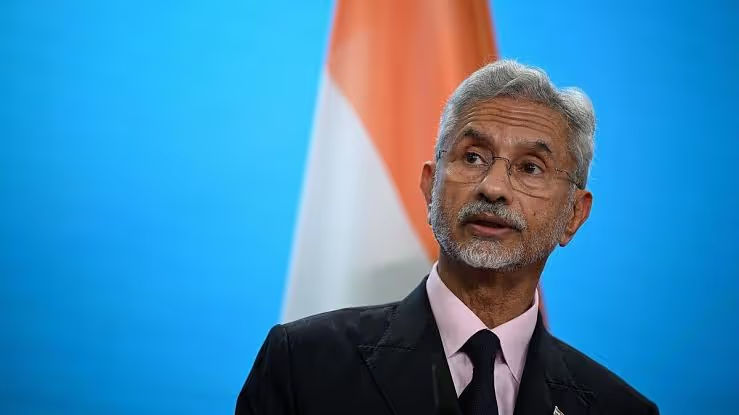
As tensions across West Asia continue to raise concerns about regional stability, energy supplies and international shipping, India and the United Arab Emirates are reinforcing their diplomatic coordination. India's External Affairs Minister S. Jaishankar met UAE Deputy Prime Minister and Foreign Minister Sheikh Abdullah bin Zayed Al Nahyan in Mumbai on October 20, placing regional security and economic cooperation at the centre of discussions.
The meeting highlighted a critical reality for India: developments in the Gulf are not just a foreign policy concern. They can also affect trade, energy security, fertiliser supplies, shipping routes and the interests of millions of Indians living and working across the region.
Key Facts at a Glance
- Meeting: S. Jaishankar held talks with Sheikh Abdullah bin Zayed Al Nahyan.
- Location: Mumbai, India.
- Date: October 20, 2026.
- Main issues: West Asia tensions, diplomacy, energy, trade, defence and strategic cooperation.
- Trade milestone: India-UAE bilateral trade has crossed US$100 billion since CEPA.
- India's position: Support for dialogue, diplomacy and safe, uninterrupted trade and energy flows.
- Broader objective: Strengthen the India-UAE Comprehensive Strategic Partnership.
Why Jaishankar's Meeting With the UAE Matters Now
The discussions took place against a tense regional backdrop. India has expressed concern about the situation in the Gulf, including security threats affecting Saudi Arabia and the risks facing shipping and energy transportation.
According to reporting by The Indian Express and The Economic Times, the ministers discussed the wider West Asia situation, including concerns about potential US action against Iran, possible Iranian retaliation, Houthi attacks affecting Saudi Arabia and navigation through the Strait of Hormuz.
These developments matter because instability can affect commercial confidence, shipping insurance, transport costs and the movement of essential commodities.
For India, maintaining reliable access to international markets and energy supplies is a strategic priority. The UAE, with its economic links, logistics infrastructure and regional relationships, remains an important partner in these efforts.
India Calls for Dialogue and Diplomacy
During the meeting, Jaishankar described the situation in the Gulf as a matter of deep concern and reaffirmed India's support for efforts to promote peace through dialogue and diplomacy.
He also stressed the importance of maintaining the free, safe and unimpeded flow of trade, energy and fertiliser.
The position reflects India's interest in avoiding further instability that could disrupt economic activity or place civilians, commercial vessels and regional communities at greater risk.
Diplomacy is particularly significant in a region where security developments can have consequences far beyond national borders. Disruptions to shipping routes or escalation between regional and international actors can affect countries that are not directly involved in the conflict.
India has therefore continued to emphasise dialogue, regional stability and the protection of its economic and human interests.
The Strait of Hormuz and India's Energy Security
One of the strategic concerns surrounding the Gulf is the security of maritime transportation, especially around the Strait of Hormuz.
The narrow waterway between Iran and Oman is a major international route for oil and other energy shipments. Any sustained disruption can affect global markets and increase uncertainty for countries dependent on imported fuel.
India has substantial energy requirements and depends on international supply chains to meet domestic demand. Consequently, developments affecting Gulf shipping can influence import costs, supply planning and the broader economic outlook.
The UAE is relevant to this discussion not only as a major economic partner but also because of its infrastructure and trade connections. Some UAE export facilities and routes offer alternatives to direct transit through Hormuz, although these alternatives cannot eliminate every disruption or replace all regional shipping capacity.
The meeting's emphasis on safe trade flows therefore reflects a practical concern: maintaining resilient supply chains during periods of geopolitical uncertainty.
Why this matters beyond oil
Energy security is connected to transportation, manufacturing, electricity generation and household costs. Fertiliser supply chains also matter for agriculture and food production. Prolonged shipping disruption can therefore affect multiple sectors of the economy.
India-UAE Trade Crosses the US$100 Billion Mark
Alongside regional security, the two ministers reviewed the progress of economic relations between India and the UAE.
Jaishankar said bilateral trade had crossed US$100 billion since the signing of the Comprehensive Economic Partnership Agreement, commonly known as CEPA.
The agreement, signed in February 2022 and implemented in May 2022, was designed to expand market access, reduce trade barriers and encourage stronger commercial ties between the two economies.
According to reporting by The Economic Times, bilateral trade has surpassed the US$100 billion level, while two-way investments continue to grow.
The UAE is also among India's leading trading partners. Its role in trade, logistics, investment and regional business networks gives the relationship significance beyond the exchange of goods.
Both countries have ambitions to deepen their economic partnership further, with a broader trade target of US$200 billion by 2032 previously established.
From Commercial Partnership to Strategic Cooperation
The relationship between India and the UAE has expanded beyond traditional commercial ties.
During the meeting, the ministers discussed cooperation in several areas, including:
- Energy: Strengthening cooperation and improving economic resilience.
- Trade and investment: Supporting business opportunities and deeper commercial integration.
- Defence: Expanding strategic engagement and cooperation.
- Technology: Developing collaboration in emerging and established sectors.
- Logistics: Improving connectivity and commercial networks.
- Education and culture: Supporting people-to-people relationships.
Jaishankar described cooperation in defence, energy and technology as increasingly strategic.
The UAE also emphasised the importance of expanding economic, educational, cultural and other ties during the discussions.
This broader agenda demonstrates how bilateral diplomacy can serve multiple purposes, from economic development to regional coordination.
The Indian Community in the UAE
The welfare of Indian nationals living in the UAE was another important aspect of the discussions.
Jaishankar thanked the UAE leadership for ensuring the well-being of the Indian community in the country.
The Indian diaspora is a major part of the social and economic relationship between the two countries. Indian nationals contribute to businesses, services, construction, technology, healthcare and other sectors across the UAE.
During periods of regional instability, the safety of citizens abroad becomes an important diplomatic concern. Governments may need to coordinate on consular assistance, travel arrangements, information sharing and support for affected communities.
For Indian families, the regional situation is therefore not only an international news story. It can have direct consequences for relatives, workers and businesses across the Gulf.
Why the UAE Is a Key Partner for India
India's relationship with the UAE has developed into a comprehensive strategic partnership supported by trade, investment, energy cooperation and regular high-level engagement.
The two countries share interests in maintaining regional stability, expanding commercial opportunities and strengthening connectivity between South Asia and the Gulf.
The UAE's position as a major business and logistics hub also provides Indian companies with access to wider regional and international markets.
For the UAE, India represents a significant market, investment destination and partner in economic diversification.
These shared interests provide a foundation for continued cooperation even as geopolitical developments create uncertainty.
Diplomatic Engagement Beyond One Meeting
The October 20 discussions were part of a wider period of diplomatic engagement between New Delhi and Abu Dhabi.
Sheikh Abdullah bin Zayed arrived in Mumbai on October 19 for a two-day visit. The meeting followed Jaishankar's recent visit to the UAE, where the ministers had also discussed bilateral relations.
The repeated high-level engagement reflects the importance both sides place on their partnership and their shared interest in addressing regional and international developments.
According to the UAE Ministry of Foreign Affairs, the Mumbai discussions also covered cooperation within international organisations and preparations for the UAE to host the 2026 United Nations Water Conference in partnership with Senegal in December.
The meeting thus extended beyond immediate security concerns to include broader development and multilateral cooperation.
What Could Happen Next?
The outcome of the meeting should be viewed as a diplomatic engagement rather than a standalone solution to the West Asia crisis.
Several developments will remain important to watch:
- Whether diplomatic initiatives can reduce regional tensions.
- Whether commercial shipping routes remain safe and reliable.
- How energy prices and supply conditions respond to geopolitical developments.
- Whether India and the UAE announce further trade or strategic cooperation measures.
- How regional developments affect Indian nationals living and working in Gulf countries.
The meeting reinforced the two countries' commitment to cooperation, but the broader situation will depend on developments involving multiple regional and international actors.
The Bigger Picture: Diplomacy Meets Economic Security
India's engagement with the UAE highlights the connection between foreign policy and economic stability.
For a major economy dependent on international trade and energy imports, regional peace is closely linked to growth, investment confidence and supply-chain resilience.
The UAE partnership offers India a channel for cooperation across commerce, energy, logistics and diplomacy. At the same time, the risks associated with regional instability cannot be addressed through bilateral relations alone.
The October 20 meeting was therefore significant not simply because two foreign ministers met, but because it illustrated how countries are trying to protect economic interests while supporting diplomatic efforts during a period of uncertainty.
Whether these discussions lead to further practical initiatives will become clearer through subsequent announcements and developments in the region.
Editorial note: This article reflects information reported about the October 20, 2026 meeting. Statements by officials are attributed to their respective sources. Regional security developments can change quickly; update this report when reliable new information becomes available.
Keywords:
Related Posts