Seven Feet of Snow at Camp III: Manaslu’s Summit Window Opens Under the Shadow of Four Deaths
Mount Manaslu's autumn climbing season has entered one of its most critical periods after an avalanche killed an Indian-origin German climber and his Nepali Sherpa guide at Camp III, raising the season's death toll on the world's eighth-highest mountain to four just as expedition teams prepare for a potentially favorable summit window.
Climbers Dhruba Jyoti Guha, an Indian-origin German national, and Fursemba Sherpa of Makalu were found dead inside their tent at Camp III after losing communication with their expedition team.
Rescuers who reached the high camp found the tent buried beneath approximately seven feet of fresh snow, according to expedition organisers.
Their deaths came after hundreds of climbers had retreated toward base camp as heavy snowfall and deteriorating conditions disrupted preparations for summit attempts on the 8,163-metre Himalayan peak.
The bigger story: Manaslu's summit route is open and a potentially favorable weather window has emerged, but the deaths at Camp III show how quickly conditions on the mountain can change between retreat and a summit opportunity.
Two Climbers Found Dead Inside Their Camp III Tent
Guha and Sherpa had moved higher on the mountain on Saturday evening as they prepared for an early summit attempt.
Other members of the expedition had chosen to retreat from the higher camps as weather conditions deteriorated.
When the pair stopped communicating with their team, rescuers from Makalu Adventure were sent toward Camp III.
They later discovered both climbers dead inside their tent.
Expedition organisers said the tent was covered by nearly seven feet of fresh snow, indicating that an avalanche had buried the campsite overnight.
Other Climbers Had Chosen to Retreat
The tragedy unfolded while other climbers were moving down the mountain because of worsening conditions.
According to expedition organisers, six other climbers associated with the group who chose to retreat from Camp II were reported safe.
Guha and Sherpa, however, continued upward toward Camp III as part of their planned summit attempt.
Their decision placed them at the high camp during a period of heavy snowfall that eventually buried their tent.
Hundreds Had Returned Toward Base Camp
The avalanche occurred during a major weather disruption across Manaslu.
Hundreds of climbers who had been positioning themselves for summit attempts were forced to retreat after persistent snowfall covered the climbing route.
Expedition teams had been closely monitoring conditions as they waited for a safer opportunity to move back through the higher camps.
The retreat came only days after the summit route had been successfully opened for the autumn climbing season.
The Summit Route Had Opened Only Days Earlier
On September 17, a nine-member rope-fixing team successfully reached the 8,163-metre summit of Manaslu, completing the route needed by commercial expedition teams preparing to make their final pushes.
The team reached the summit at approximately 9:25 pm after working through difficult conditions.
Opening the route represented a major milestone for the autumn season because hundreds of climbers were waiting below for an opportunity to begin their summit rotations.
But the route-opening operation itself had already encountered avalanche danger.
An Earlier Avalanche Had Already Disrupted Rope Fixing
Before the latest fatal incident, another avalanche struck the slope above Camp III while the summit route was being prepared.
That avalanche disrupted rope-fixing work, although the climbers involved in that operation were reported safe.
Additional Sherpa climbers were subsequently sent higher with approximately 1,300 metres of rope and other equipment to help resume the route-opening operation.
The team ultimately succeeded in securing the route to the summit.
The later fatal avalanche therefore occurred in the same broad high-altitude zone that had already experienced unstable conditions during route preparation.
Manaslu's Seasonal Death Toll Has Now Reached Four
The deaths of Guha and Sherpa brought the number of fatalities on Manaslu during the current autumn season to four.
Two deaths had already been reported earlier in the season.
- Lau Wee Seng, a 50-year-old Singaporean climber, died while descending near Camp II during an acclimatisation rotation.
- Tashi Sherpa, a 20-year-old support worker from Makalu Rural Municipality in Sankhuwasabha, was found dead inside a tent at Manaslu Base Camp.
- Dhruba Jyoti Guha, an Indian-origin German climber, was killed in the Camp III avalanche.
- Fursemba Sherpa, Guha's Nepali climbing guide, was killed in the same avalanche.
In the case of Lau Wee Seng, an initial assessment suggested a possible heart attack, although an official cause of death had not been established in the reporting available at the time.
480 Climbers Have Permits for Manaslu This Autumn
Manaslu remains one of Nepal's busiest major expedition mountains during the autumn climbing season.
Nepal's Department of Tourism has issued permits to 480 climbers seeking to climb the mountain this season.
The permitted group includes 354 male climbers and 126 female climbers.
Permit fees for the season have generated approximately US$1.44 million in government royalties.
Those climbers are accompanied by a substantial number of Nepali high-altitude workers, guides and expedition support personnel.
A New Summit Window Is Emerging
Despite the heavy snowfall and fatal avalanche, climbing activity on Manaslu has not completely stopped.
Expedition operators said forecasts indicated relatively favorable conditions between September 21 and September 23.
Some climbers had already started moving back toward the high camps as teams evaluated whether conditions were suitable for summit attempts.
With the fixed route already reaching the summit, teams do not need to wait for the route-opening process to be completed again before positioning themselves for a push.
The immediate question is whether conditions along the route have stabilized sufficiently following the recent snowfall.
Why Heavy Snowfall Can Disrupt a Summit Push
Weather windows play a central role in high-altitude Himalayan expeditions.
Climbers often spend weeks acclimatising and moving between camps before waiting for a short period when conditions allow them to attempt the summit.
Heavy snowfall can rapidly change those plans.
Fresh snow can cover established tracks and fixed ropes, slow movement between camps and contribute to unstable snow conditions on steep terrain.
Expedition teams therefore continually reassess weather and route conditions rather than relying only on the fact that a summit route has been opened.
Camp III Has Become a Critical Point This Season
Camp III has emerged as an important location in Manaslu's 2026 autumn season.
The route-opening team first secured the climbing route up to Camp III before continuing toward Camp IV and the summit.
An earlier avalanche above Camp III disrupted the rope-fixing operation.
The latest avalanche then buried the tent occupied by Guha and Sherpa at Camp III.
The sequence highlights why conditions around the higher camps are being closely monitored as expedition teams begin moving upward again.
The Pair Lost Contact Before Rescuers Reached Camp III
Communication played a key role in alerting expedition organisers that something had gone wrong.
After Guha and Sherpa stopped communicating with their team, rescuers were dispatched toward Camp III.
When they reached the site, they discovered the pair inside the snow-covered tent.
Preparations were subsequently made to recover the bodies and transport them from the mountain.
Recovery Efforts Follow the Avalanche
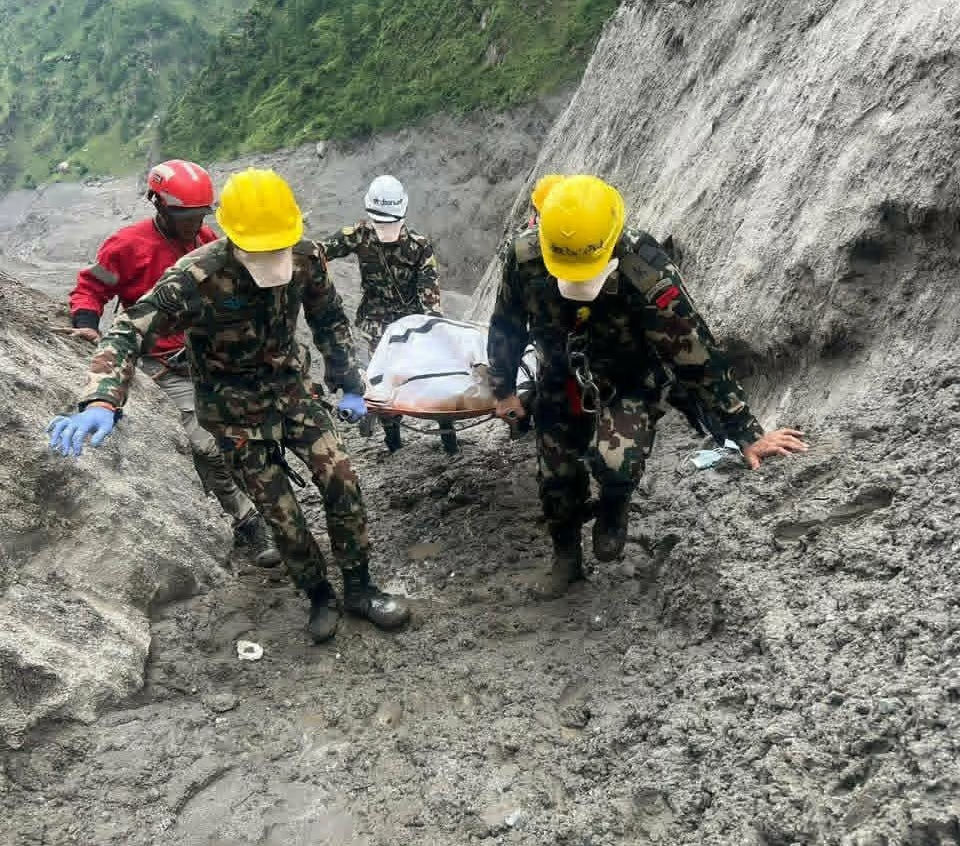
Authorities and expedition organisers began preparations to bring the bodies down from the high camp following their discovery.
Police said arrangements were being made to transport the bodies to Kathmandu by helicopter for the necessary procedures.
Recovery operations at high altitude depend heavily on weather and flying conditions, meaning the timing of helicopter operations can change rapidly.
Manaslu Avalanche: Key Facts
- Mountain: Mount Manaslu, Nepal.
- Elevation: 8,163 metres.
- Global ranking: World's eighth-highest mountain.
- Latest incident: Avalanche at Camp III.
- Latest fatalities: Dhruba Jyoti Guha and Fursemba Sherpa.
- Snow covering the tent: Approximately seven feet.
- Seasonal death toll: Four.
- Climbing permits: 480 for the autumn 2026 season.
- Summit route opened: September 17, 2026.
- Potential summit window: September 21-23.
Manaslu Stands at 8,163 Metres
Mount Manaslu rises to 8,163 metres in Nepal's Himalayas and is the eighth-highest mountain in the world.
Its autumn season attracts large numbers of international climbers as well as Nepali guides and high-altitude support teams.
Commercial expeditions depend on teams of specialised Nepali climbers who establish camps, transport equipment and fix ropes along the route before large groups can safely begin their summit attempts.
This year's summit route was opened by a nine-member rope-fixing team after difficult conditions temporarily interrupted their work.
Route Opening Does Not Mean Conditions Stay Stable
The events of the past several days illustrate an important distinction in Himalayan climbing.
Opening a summit route means ropes have been established and a path has been prepared through key sections of the mountain.
It does not mean that weather, snow or avalanche conditions will remain unchanged.
Manaslu's route was successfully opened on September 17, but persistent snowfall subsequently forced large numbers of climbers to move back down the mountain.
The fatal avalanche at Camp III followed during that period of unstable weather.
Hundreds Now Face a Difficult Timing Decision
The coming days present expedition teams with a narrow operational challenge.
Hundreds of climbers have invested weeks in acclimatisation and preparation, and forecasts point to a potentially favorable period for summit attempts.
At the same time, teams are assessing the mountain immediately after heavy snowfall and a fatal avalanche.
Decisions about when to move higher will be made by individual expedition operators and climbers based on weather forecasts, route observations and conditions on the mountain.
A favorable forecast alone does not determine whether every team will attempt the summit during the same period.
The Deaths Also Highlight the Role of Nepali High-Altitude Workers
Two of the four people reported dead on Manaslu this season are Nepali workers supporting climbing activity on the mountain.
Fursemba Sherpa died alongside his client at Camp III, while Tashi Sherpa died earlier at Base Camp.
Nepali guides, rope-fixing climbers, porters and other support workers spend extended periods on the mountain during commercial expeditions.
Their work includes carrying supplies, preparing camps, opening routes and accompanying international climbers through high-altitude terrain.
Manaslu's Next Few Days Could Define the Autumn Season
The situation on Manaslu has changed rapidly within only a few days.
A rope-fixing team reached the summit and opened the route on September 17.
Heavy snowfall then pushed hundreds of climbers back toward base camp.
Guha and Sherpa continued toward Camp III, where an avalanche buried their tent and brought the season's death toll to four.
Now, with forecasts pointing to improved conditions, expedition teams are once again considering movement toward the higher camps.
That rapid shift from route opening to retreat, avalanche and another possible summit push captures the difficult decisions that define high-altitude expeditions.
A Summit Window Opens, but the Mountain Has Already Issued a Warning
For the hundreds of climbers gathered around Manaslu, the September 21-23 forecast may provide the opportunity they have spent weeks preparing for.
The fixed ropes are in place, the summit route has been opened and teams are watching for conditions that could allow them to move upward again.
But the deaths at Camp III have changed the context surrounding that opportunity.
Two climbers were found beneath approximately seven feet of fresh snow only days after another avalanche had interrupted route preparation in the same high-altitude section of the mountain.
With four deaths already recorded this autumn, the next phase of Manaslu's climbing season will depend not simply on reaching the summit, but on how expedition teams respond to the rapidly changing conditions between base camp and 8,163 metres.
Keywords:
Related Posts