São Paulo Metro has already received half of the trains for the Congonhas Airport line
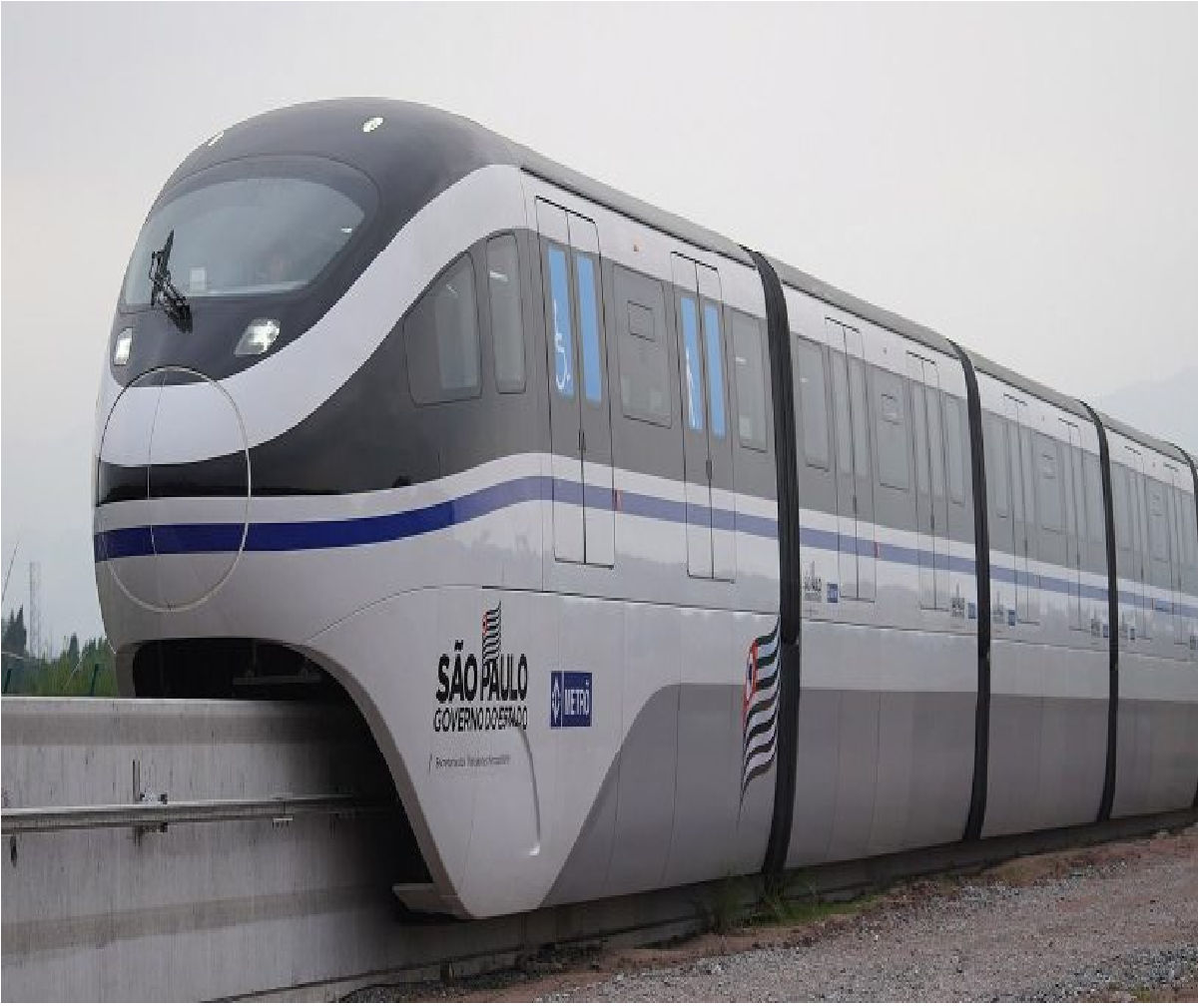
São Paulo Metro Receives Half of the New Train Fleet for the Congonhas Airport Line: Project Advances Toward Full Operation
The development of São Paulo’s future airport metro connection reached an important milestone this week. Transportation authorities confirmed that the São Paulo Metro system has already received half of the new trains that will operate on the line serving Congonhas Airport, one of Brazil’s busiest domestic air terminals. The announcement marks a significant step in the expansion plan designed to improve mobility in the southern region of the city and provide passengers with a faster, more efficient alternative to the congested road system surrounding the airport.
According to officials, the new fleet represents a modern, high-capacity solution aimed at reducing travel time for millions of residents, workers, and travelers who pass through the airport each year. With the delivery of the first half of the train fleet now complete, the construction work and testing phases continue at a steady pace. The remaining trains are scheduled to arrive in stages, allowing the operational team to begin integration testing before the line is opened to the public.
A Major Milestone for São Paulo’s Urban Mobility
The new line connecting to Congonhas Airport is part of a broader infrastructure expansion plan intended to modernize urban transit across the city. São Paulo, one of the largest metropolitan areas in the world, faces enormous challenges related to congestion, mobility, and environmental sustainability. Daily traffic jams often stretch for kilometers, and access to the airport—located in a densely populated and commercially active zone—has historically been one of the city’s most problematic mobility bottlenecks.
Officials point out that this project will fill a long-standing gap in the city’s transit system: the lack of a direct, rapid rail link to a major airport. While international airports like Guarulhos recently received rail connectivity, Congonhas still relies heavily on taxis, buses, and ride-hailing services. The new metro line aims to transform this scenario.
The delivery of half of the train fleet demonstrates that the project is moving forward according to schedule, despite previous delays caused by administrative, technical, and legal hurdles. Engineers and project managers have highlighted the importance of this achievement, noting that the timely arrival of rolling stock helps maintain momentum in the testing phase, which is essential for meeting safety and performance standards before opening.
Features of the New Trains
The trains being delivered to the Congonhas line incorporate state-of-the-art technology, modern passenger comfort features, and energy-efficient design. Although the São Paulo Metro system already operates one of the most modern fleets in Latin America, the new trains introduce additional improvements tailored for airport-bound passengers.
Some of the key features include:
- High-capacity cars capable of transporting large numbers of passengers during peak travel hours.
- Luggage-friendly interior design, including wider aisles and flexible seating arrangements to accommodate travelers with suitcases.
- Advanced ventilation and cooling systems, essential for comfort in São Paulo’s warm climate.
- Automated systems that improve safety, operational efficiency, and reliability.
- Modern signaling technology, allowing precise train control and reduced intervals between departures.
Metro engineers emphasize that integrating these trains into the existing infrastructure requires a careful process of testing, simulation, and safety checks. With half of the fleet now available, the next phases of compatibility evaluation can begin.
Expected Impact on Congonhas Airport Access
Congonhas Airport is one of Brazil’s most important transportation hubs, handling millions of domestic passengers annually. Its strategic location in the heart of São Paulo makes it extremely convenient for residents but also contributes to heavy traffic congestion in the nearby streets.
Today, most passengers rely on cars, taxis, or ride-sharing services to reach the airport. This over-dependence on road transport leads to unpredictable travel times, especially during peak hours or rainy days, when traffic conditions worsen dramatically.
The introduction of a metro line directly serving the airport is expected to:
- Dramatically reduce travel time from central São Paulo to Congonhas.
- Provide a reliable, weather-independent transport option.
- Alleviate road congestion in the areas surrounding the airport.
- Reduce carbon emissions by shifting airport travelers from cars to public transit.
- Improve the airport’s accessibility for workers, who commute daily from different parts of the city.
Experts predict that the line could become one of the most frequently used airport transit routes in Brazil once fully operational.
Construction Progress and Next Steps
The project involves not only the delivery of trains but also extensive work on stations, tracks, signaling, and safety systems. Current updates indicate:
- The elevated viaducts that will carry part of the line are nearing completion.
- The airport station structure is advancing with architectural and finishing work.
- Track installation continues in multiple segments simultaneously.
- Control and operational centers are being equipped with the latest monitoring technologies.
With half the train fleet already in São Paulo, the next steps involve:
- Dynamic testing, during which the trains operate on the tracks at controlled speeds to assess their interactions with signaling systems.
- Load testing, simulating passenger weight and operational pressure.
- Integration trials, ensuring the new fleet communicates properly with existing metro infrastructure.
- Operator training, to ensure the staff is fully prepared for live operations.
Once the remaining trains arrive, full-scale trial runs will begin, bringing the project closer to public use.
Authorities Highlight the Significance of the Delivery
Officials from the state transportation department and the metro authority described the delivery as a “symbolic and technical advancement,” underscoring their commitment to expanding São Paulo’s transit network.
According to transportation representatives, the expansion of metro services to Congonhas Airport aligns with a broader goal: creating a more integrated, multimodal transportation system that allows seamless movement between trains, buses, and airports. This model mirrors the transport systems of major global cities such as London, Tokyo, and Paris.
Government leaders also emphasized the economic importance of improving airport access. With new metro connectivity, the city expects:
- Increased business mobility
- Growth in tourism
- Better conditions for hosting major international events
- Higher real estate value in nearby districts
- Reduced commuting costs for workers
These factors combine to strengthen the city’s long-term development strategy.
Public Anticipation and Challenges Ahead
While the milestone is celebrated, residents and experts note that challenges still exist. Infrastructure projects of this magnitude typically face issues such as budget adjustments, engineering complications, and delays in material delivery. Ensuring that the remaining train fleet arrives on schedule will be essential for keeping the project within the planned timeframe.
Public anticipation, however, remains high. Many São Paulo residents express their enthusiasm for an airport line, calling it “long overdue” and “fundamental for a modern city.” Transportation analysts agree, noting that São Paulo’s metro expansion is vital for improving quality of life in a region where millions depend on public transit every day.
A Step Toward Modern, Sustainable Mobility
The partial delivery of the train fleet represents more than just progress on a construction schedule—it symbolizes a shift toward a more sustainable, efficient, and globally competitive transportation system for São Paulo.
As the city continues to grow, investments in infrastructure like the Congonhas Airport line play a crucial role in shaping urban mobility. By offering faster alternatives to road travel and encouraging the use of public transit, projects like this contribute to reduced pollution, improved safety, and more inclusive mobility options for residents.
With half the fleet already delivered and the remaining stages of construction advancing, São Paulo is steadily moving toward a future where accessing Congonhas Airport will no longer be a stressful, time-consuming journey. Instead, it will become a quick, comfortable metro ride—reflecting the modern standards expected in one of the world’s largest and most dynamic cities.
Related Posts