Researchers Identify a Hidden Alzheimer's Turning Point Linked to Dementia Risk
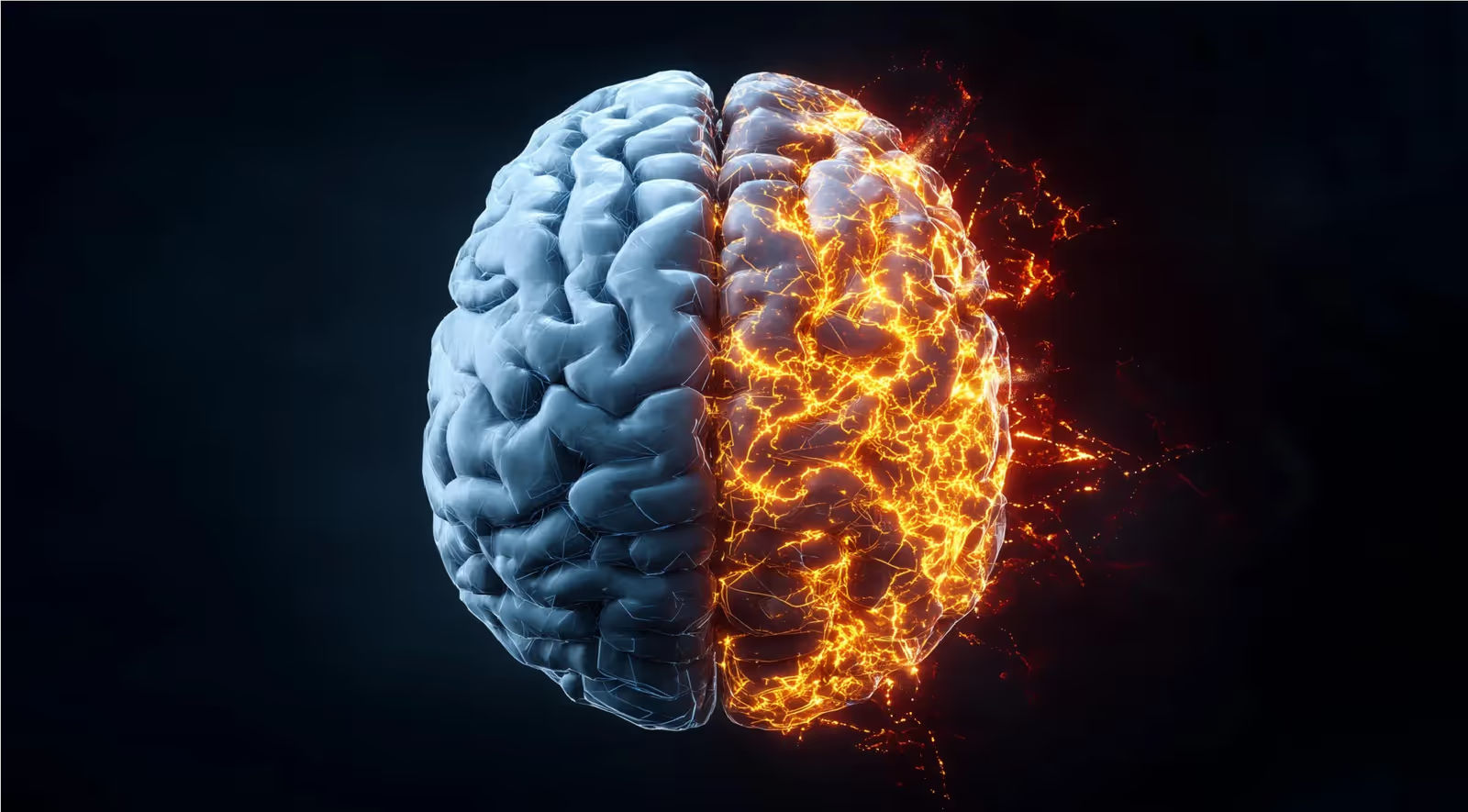
Hidden Alzheimer’s Tipping Point May Decide Who Develops Dementia: Study Reveals New Clues for Future Treatments
Introduction
A groundbreaking study published in Nature Medicine has uncovered a hidden biological tipping point that may determine whether a person with Alzheimer’s disease eventually develops dementia. The research, led by scientists from VIB, KU Leuven, the UK Dementia Research Institute (UK-DRI), and Muna Therapeutics, provides fresh insight into why some people with Alzheimer’s-related brain changes remain mentally sharp while others experience severe memory loss and cognitive decline.
The findings are based entirely on human brain tissue donated by older adults, including individuals with dementia, people who had Alzheimer’s brain changes but remained cognitively healthy, and centenarians (people aged 100 years or older). By studying these samples with advanced technologies, researchers discovered that the brain’s microglia—its resident immune cells—play a crucial role in determining whether Alzheimer’s progresses to dementia.
The study suggests that future treatments may need to focus not only on removing harmful protein deposits but also on guiding the brain’s immune response before it reaches a critical tipping point. This discovery could reshape how scientists approach the prevention and treatment of Alzheimer’s disease.
Understanding Alzheimer’s Disease
Alzheimer’s disease is the most common cause of dementia worldwide. It is a progressive neurological disorder that damages brain cells, leading to memory loss, confusion, difficulty thinking, personality changes, and eventually the inability to perform daily activities.
According to global health estimates, more than 55 million people worldwide are living with dementia, with Alzheimer’s accounting for the majority of these cases.
For decades, scientists believed that the disease was mainly caused by the accumulation of two abnormal proteins in the brain:
Amyloid-beta plaques
Tau tangles
These proteins gradually interfere with communication between nerve cells, eventually leading to cell death.
However, researchers have long been puzzled by one important observation:
Not everyone with large amounts of amyloid plaques and tau tangles develops dementia.
Some older adults—even those over 100 years old—show extensive Alzheimer’s-related brain changes but continue to maintain normal memory and thinking abilities.
This mystery inspired researchers to investigate what actually determines whether Alzheimer’s pathology becomes dementia.
What Makes This Study Different?
Unlike many previous studies that relied heavily on laboratory models or animals, this research was conducted using real human brain tissue donated after death.
Scientists examined brain samples from three different groups:
Individuals with Alzheimer’s disease and dementia
Older adults with Alzheimer’s brain changes but no cognitive decline
Cognitively healthy centenarians
Comparing these groups allowed researchers to identify the biological differences that may explain resilience against dementia.
This human-based approach provides stronger evidence because it reflects the actual biological processes occurring in aging human brains.
The Importance of Microglia
One of the biggest discoveries of the study involves microglia, which are the brain’s primary immune cells.
Microglia constantly monitor brain health by:
Removing damaged cells
Clearing harmful substances
Protecting neurons from infection
Repairing brain tissue
Supporting communication between nerve cells
Under normal conditions, microglia are highly beneficial.
However, in Alzheimer’s disease, these immune cells can change their behavior dramatically.
Researchers discovered that how microglia respond to Alzheimer’s pathology may determine whether brain damage progresses to dementia.
Why Protein Build-Up Alone Does Not Explain Dementia
For many years, Alzheimer’s research mainly focused on reducing amyloid plaques.
Drug development largely aimed to remove these harmful protein deposits.
But this study reinforces an increasingly important idea:
The amount of protein buildup is not the only factor determining cognitive decline.
Instead, researchers believe the body's immune response to these proteins may be equally important.
Two people may have similar amounts of plaques and tangles, yet experience completely different outcomes because their microglia respond differently.
Advanced Technology Helped Unlock the Discovery
To understand these biological differences, scientists used two cutting-edge techniques:
Spatial Transcriptomics
This technology maps where genes are active inside brain tissue.
Instead of studying cells individually, it shows how different regions of the brain communicate and function together.
Single-Cell Sequencing
This method analyzes each brain cell separately.
Researchers can determine:
Which genes are active
How cells change over time
How immune cells react to disease
Combining both techniques allowed scientists to create one of the most detailed maps ever produced of Alzheimer’s progression.
Scientists Identified Six Stages of Disease Progression
Using these advanced methods, researchers discovered six distinct tissue domains representing different stages of Alzheimer’s disease.
Each stage showed unique cellular activity.
The most significant discovery was a critical transition point separating:
Early amyloid plaque-related changes
Later tau-related neurodegeneration
This transition appears to act as a biological tipping point.
The Hidden Alzheimer’s Tipping Point
The study found that microglia undergo a dramatic transformation during disease progression.
Early Stage
Initially, microglia become inflammatory immune cells.
At this stage, they respond primarily to amyloid-beta plaques.
Although inflammation is often viewed negatively, researchers believe this early response may actually help protect brain tissue.
Later Stage
As the disease progresses, microglia shift into a completely different immune state known as the antigen-presenting state.
This transition occurs alongside:
Tau pathology
Brain cell degeneration
Cognitive decline
Researchers believe this transition may determine whether Alzheimer’s progresses into dementia.
What Is Antigen Presentation?
One important term highlighted in the study is antigen presentation.
This is a process where immune cells display pieces of harmful material to activate and coordinate the body's immune defenses.
Normally this process helps fight infections.
In Alzheimer's disease, however, researchers believe this immune transition may unintentionally contribute to brain damage.
Understanding how and why this shift occurs could become one of the biggest breakthroughs in dementia research.
Two Different Forms of Resilience
Another fascinating finding is that resilience against Alzheimer’s is not the same for everyone.
Researchers discovered two separate protective pathways.
First Protective Pathway
Some adults in their 80s developed amyloid plaques but never experienced dementia.
Their brains showed:
Healthy early immune responses
No transition into the damaging late immune state
In other words, their microglia appeared able to stop disease progression before reaching the dangerous tipping point.
Second Protective Pathway
Healthy centenarians followed a completely different biological route.
Their brains did activate the later immune program.
However:
This response occurred without significant tau-related brain damage.
This means their brains somehow separated immune activity from harmful neurodegeneration.
This discovery suggests multiple biological strategies may protect the brain.
Why This Discovery Matters
This finding changes how researchers think about Alzheimer’s.
Previously, scientists mainly asked:
"How can we remove plaques?"
Now they may also ask:
"How can we guide the brain's immune system?"
That shift could dramatically improve future treatments.
A New Direction for Alzheimer’s Therapies
The study suggests future medicines could target microglial behavior instead of focusing solely on protein removal.
Potential treatment goals include:
Maintaining beneficial early immune responses
Preventing harmful immune transitions
Reducing brain inflammation
Protecting neurons
Slowing neurodegeneration
Such therapies might delay or even prevent dementia.
The Importance of Timing
Another major lesson from the study is that timing matters.
Researchers believe treatment may be most effective:
Before the immune system reaches the harmful tipping point.
Once extensive tau pathology and brain degeneration begin, reversing damage becomes much more difficult.
Earlier intervention may preserve brain function for many years.
The Role of TREM2
Scientists also highlighted an important immune pathway called TREM2.
TREM2 helps regulate microglial activity.
Previous Alzheimer's research has already linked TREM2 to disease risk.
This new study strengthens the idea that medicines targeting TREM2 could:
Improve immune regulation
Delay disease progression
Increase brain resilience
Several experimental treatments involving TREM2 are already under investigation.
Why Human Brain Donation Is So Important
The researchers emphasized that this discovery would not have been possible without donated brain tissue.
Brain donation allows scientists to:
Study real disease processes
Compare healthy and diseased brains
Understand aging
Develop better therapies
Such donations continue to play a vital role in neuroscience research.
Expert Opinions
Professor Bart De Strooper explained that the research provides valuable insight into one mechanism that helps certain individuals resist dementia despite Alzheimer's pathology.
Professor Mark Fiers added that understanding how the brain naturally resists disease opens entirely new opportunities for developing treatments that prevent neurodegeneration.
Meanwhile, Niels Plath, Chief Scientific Officer at Muna Therapeutics, stated that targeting microglial transitions rather than focusing exclusively on plaque removal could lead to therapies capable of delaying or preventing Alzheimer's progression.
Potential Benefits for Patients
If these discoveries lead to successful treatments, future patients may benefit from:
Slower memory decline
Reduced risk of dementia
Earlier diagnosis
More personalized therapies
Improved quality of life
Longer independence
Although such treatments remain under development, the findings provide new hope.
Limitations of the Study
While the research is highly promising, several limitations remain.
The study does not prove cause and effect.
More clinical research is needed.
Future therapies must undergo safety testing.
Human biology remains extremely complex.
Therefore, these findings represent an important scientific step rather than an immediate medical cure.
Key Highlights
Researchers identified a hidden biological tipping point in Alzheimer’s disease.
Microglia, the brain’s immune cells, play a central role in determining dementia risk.
Protein buildup alone does not explain why some people develop dementia while others remain healthy.
Scientists discovered six stages of Alzheimer’s progression.
A major immune transition appears to separate early disease from neurodegeneration.
Healthy centenarians showed unique biological resilience despite Alzheimer’s pathology.
Future treatments may focus on controlling immune cell behavior instead of only removing plaques.
Early intervention before the tipping point may significantly improve treatment success.
The TREM2 pathway has emerged as a promising therapeutic target.
The findings could transform future Alzheimer’s research and drug development.
Conclusion
The latest Nature Medicine study represents one of the most significant advances in Alzheimer’s research in recent years. Instead of viewing Alzheimer’s solely as a disease caused by protein accumulation, scientists now recognize that the brain’s immune response may determine whether those proteins ultimately lead to dementia.
By identifying a hidden biological tipping point involving microglia, researchers have opened a promising new direction for diagnosis and treatment. The discovery that some individuals naturally resist dementia through different immune pathways also offers hope that future medicines can strengthen those protective mechanisms.
Although additional studies are needed before these findings translate into clinical therapies, the research provides a deeper understanding of Alzheimer’s disease and moves science one step closer to preventing or delaying dementia for millions of people around the world.
Tags:
Related Posts