New Zealand vs USA LIVE Score, ICC T20 World Cup Warm-Up: Gous Out for Zero as NZ Strike Early
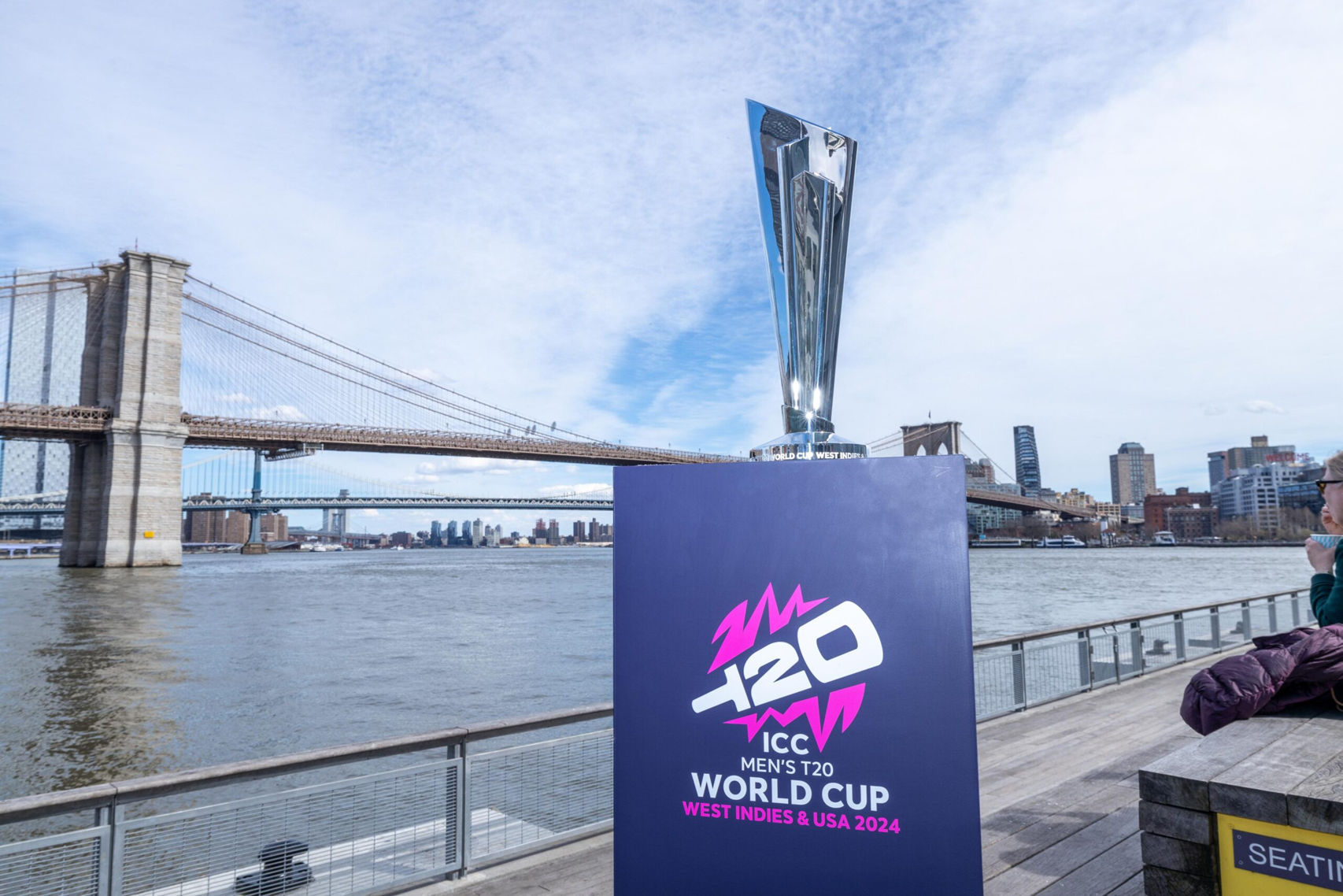
The ICC Men’s T20 World Cup warm-up matches continued with an exciting contest between New Zealand and the United States of America (USA) at the Dr. DY Patil Sports Academy in Navi Mumbai, as both teams looked to fine-tune their preparations ahead of the global tournament. While warm-up fixtures do not contribute to official standings, they are vital for teams to test strategies, assess combinations, and help players adjust to match conditions before the pressure of competitive matches begins.
USA entered this match seeking redemption after suffering a 38-run defeat to India A in their previous warm-up outing. That loss exposed certain weaknesses in their batting lineup and bowling depth, prompting the team management to look for greater consistency and composure in this encounter. On the other hand, New Zealand began their warm-up campaign with this fixture, eager to experiment with their squad, give opportunities to fringe players, and regain momentum after a mixed run in recent international outings.
With both teams approaching the match with clear objectives, fans were treated to a competitive contest that offered insights into their readiness for the main tournament.
Match Venue and Conditions
The match was hosted at the Dr. DY Patil Sports Academy, a venue known for its true bounce, fast outfield, and favorable batting conditions, particularly under lights. The pitch offered decent carry to fast bowlers early on but gradually became easier for batters as the ball softened. Spinners were also expected to play a key role in the middle overs, especially with the dry surface aiding grip and turn.
Weather conditions were ideal for cricket, with clear skies and minimal humidity, ensuring uninterrupted play. Such conditions made this match a perfect rehearsal for both teams ahead of the T20 World Cup, which will be played across various Indian venues with similar pitch characteristics.
Teams’ Objectives Heading Into the Match
USA’s Perspective
The USA cricket team has been steadily growing in the international circuit, and qualifying for the T20 World Cup itself marked a historic achievement for the associate nation. However, their warm-up loss to India A highlighted the gap between them and more established cricketing sides. The match against New Zealand presented an opportunity to:
- Test their batting depth against world-class bowlers
- Improve strike rotation and power-hitting consistency
- Assess bowling strategies against aggressive batting lineups
- Build confidence and momentum before their tournament opener
USA’s coaching staff emphasized the importance of treating the warm-up matches like real tournament fixtures, encouraging players to focus on execution rather than results.
New Zealand’s Perspective
New Zealand, often considered one of the most tactically astute sides in limited-overs cricket, used this match to explore various combinations and roles. With a squad that blends experience and youth, the team management aimed to:
- Give match practice to key batters
- Evaluate bowling combinations across different phases
- Fine-tune fielding strategies
- Test leadership dynamics and on-field decision-making
Given New Zealand’s reputation for consistency in ICC tournaments, the warm-up matches were particularly important for building rhythm and sharpening tactical clarity.
Toss and Team Compositions
USA won the toss and elected to bat first, a decision influenced by the favorable batting conditions and the desire to test their lineup against New Zealand’s disciplined bowling attack. Batting first would also allow them to set a target and assess their bowling unit under pressure later in the match.
New Zealand named a balanced side, featuring a mix of experienced campaigners and emerging talents. The bowling attack included spinners Mitchell Santner and Ish Sodhi, both of whom are key components of New Zealand’s T20 strategy, while the pace department was supported by reliable seamers capable of exploiting early movement.
USA, meanwhile, fielded a lineup focused on aggressive top-order batting and versatile all-rounders, with an emphasis on fielding athleticism and adaptability.
Early Overs: New Zealand Strike First
The match began with New Zealand’s bowlers maintaining tight lines and lengths, immediately putting pressure on the USA openers. The early movement off the pitch allowed the seamers to challenge the batters, while the spinners quickly found rhythm, forcing mistakes and curbing free-flowing strokes.
One of the USA’s key batters, Steven Gous, struggled to get going and was dismissed for a duck, giving New Zealand an early breakthrough. The wicket provided immediate momentum to the Black Caps and reinforced their disciplined approach to bowling in the powerplay overs.
Despite the early setback, USA showed resilience and composure, refusing to collapse under pressure. Instead, they focused on rebuilding the innings with sensible shot selection and calculated aggression.
Saiteja Mukkamalla Takes Charge
Following the early loss, Saiteja Mukkamalla emerged as the standout performer for USA. Displaying confidence, timing, and composure, he counterattacked New Zealand’s bowlers and quickly shifted the momentum in his team’s favor.
Mukkamalla played one of the most eye-catching shots of the match when he drove Mitchell Santner through sweeper cover for a boundary, showcasing both footwork and placement. He followed that up with a towering six over long-on off Ish Sodhi, sending a clear message that USA would not be intimidated by New Zealand’s experienced spin duo.
These aggressive strokes not only boosted the scoreboard but also lifted team morale, giving the innings the momentum it desperately needed. His ability to rotate the strike and pick gaps effectively helped stabilize the innings while keeping the run rate healthy.
At the 7.1-over mark, USA had reached 72/2, a strong position considering the early wicket loss and the quality of the opposition bowling attack.
Middle Overs: USA Regain Control
As the innings progressed into the middle overs, USA adopted a balanced approach — combining smart strike rotation with selective boundary-hitting. Mukkamalla continued to anchor the innings while his batting partners supported him with quick singles and occasional aggressive shots.
New Zealand, meanwhile, rotated their bowlers strategically, using spinners to restrict scoring and pace bowlers to look for breakthroughs. However, USA’s batters showed growing confidence, frequently stepping out to spinners and using the crease effectively to disrupt lengths.
The middle overs became a key phase of the innings, as USA aimed to set a platform for a strong finish while New Zealand tried to regain control through disciplined bowling and sharp fielding.
New Zealand’s Bowling Strategy and Fielding Efforts
New Zealand’s bowling attack was built around variety and control. With left-arm spin from Santner, leg-spin from Sodhi, and disciplined seamers operating in the powerplay and death overs, the Black Caps aimed to apply sustained pressure on USA’s batting lineup.
Santner, known for his ability to bowl economically in the middle overs, focused on keeping the ball wide of the batters’ hitting arc and forcing risky shots. Sodhi, on the other hand, attempted to use flight and turn to deceive batters, looking for wickets through aggressive bowling rather than mere containment.
Fielding also played a crucial role in New Zealand’s strategy. Their fielders maintained high intensity, cutting off singles, executing sharp throws, and maintaining pressure throughout the innings. Such efforts, even when wickets were not forthcoming, helped restrict USA’s scoring options and forced them into playing higher-risk shots.
Significance of Mukkamalla’s Innings
Saiteja Mukkamalla’s innings stood out not just for the runs he scored but also for the manner in which he scored them. Against a bowling attack featuring international-level experience, he displayed maturity beyond his years, showing patience when required and aggression when opportunities arose.
His ability to handle spin bowling effectively was particularly impressive, as he used both sweep shots and lofted drives to counter New Zealand’s spinners. Against pace, he relied on timing and placement rather than brute force, allowing him to accumulate runs without excessive risk.
For USA cricket, performances like Mukkamalla’s are significant because they reflect the team’s growing confidence and competitiveness on the global stage. Such innings also provide hope that USA can challenge higher-ranked teams and avoid being seen merely as underdogs in the tournament.
Importance of Warm-Up Matches in World Cup Preparation
Warm-up matches play a vital role in ICC tournaments, serving as rehearsal fixtures that allow teams to:
- Adjust to pitch conditions and weather
- Experiment with team combinations
- Test batting orders and bowling rotations
- Build match fitness and mental sharpness
For associate nations like USA, warm-up games against full-member teams offer invaluable exposure to top-tier cricket, helping players adapt to higher levels of intensity and skill. For established teams like New Zealand, these matches provide a chance to iron out weaknesses and finalize strategies before the competition begins.
This match, in particular, highlighted how warm-up fixtures can be both competitive and informative, offering insights into team balance, player form, and tactical readiness.
USA’s Growth as a Cricketing Nation
USA’s participation in the ICC Men’s T20 World Cup represents a major milestone in the nation’s cricketing journey. Over the past decade, USA Cricket has invested in grassroots development, professional domestic structures, and exposure to international competition.
Their ability to compete against teams like New Zealand, even in warm-up matches, reflects steady progress and growing belief within the squad. Players like Saiteja Mukkamalla symbolize this evolution, representing a new generation of American cricketers who combine technical skill with confidence and ambition.
While results in warm-up matches do not directly affect tournament standings, performances like this provide valuable momentum and reinforce the belief that USA can hold their own on the world stage.
New Zealand’s Preparation and Tactical Focus
For New Zealand, the match served as a testing ground for various tactical approaches. The team management experimented with bowling changes, field placements, and batting roles, seeking to identify the most effective combinations ahead of the tournament.
The early wicket of Steven Gous highlighted the team’s ability to apply pressure early, a strength that has often defined New Zealand’s success in T20 cricket. However, the resistance offered by Mukkamalla and his partners also revealed areas where the bowling unit could tighten execution, particularly in the middle overs.
Such insights are precisely what warm-up matches are designed to provide — opportunities to identify weaknesses and address them before facing tougher opponents in competitive fixtures.
Crowd Atmosphere and Fan Engagement
Despite being a warm-up match, the game attracted a healthy crowd at the Dr. DY Patil Sports Academy. Fans were eager to watch international stars in action and witness emerging talents from associate nations.
The atmosphere was lively, with spectators applauding big shots, close fielding efforts, and well-executed bowling deliveries. For USA players, performing in front of such crowds added to the experience, helping them acclimatize to the pressure and energy associated with major ICC tournaments.
The engagement from fans also reflected the growing global appeal of cricket, particularly as the sport expands into new markets like the United States.
Tactical Battle Between Bat and Ball
The match showcased a fascinating tactical battle between bat and ball. New Zealand’s bowlers tried to contain USA’s batters through disciplined lines, varied pace, and strategic field placements. USA, in response, used innovative strokeplay, footwork, and smart running between the wickets to disrupt the bowlers’ rhythm.
Mukkamalla’s aggressive intent forced New Zealand to alter their plans, bringing in defensive fields and rotating bowlers more frequently. This, in turn, opened up scoring opportunities for USA’s batters, allowing them to maintain momentum despite the quality of the opposition attack.
Such tactical exchanges underline the importance of adaptability in modern T20 cricket, where momentum can shift rapidly and game awareness becomes just as crucial as technical skill.
What Lies Ahead in the Match
As USA reached 72/2 in 7.1 overs, they were well-positioned to build a competitive total. The focus for the batting side was to:
- Consolidate during the middle overs
- Preserve wickets for a strong finish
- Target weaker bowling matchups strategically
For New Zealand, the objectives were clear:
- Break the developing partnerships
- Maintain discipline in line and length
- Prevent USA from accelerating too rapidly in the latter half of the innings
With both teams evenly matched at this stage, the remainder of the match promised to offer compelling cricket and valuable insights into each side’s readiness for the tournament.
Bigger Picture: ICC T20 World Cup Preparations
This warm-up match formed part of a broader series of preparatory games organized by the ICC to help teams acclimatize to tournament conditions. These matches allow teams to transition smoothly from training sessions to competitive environments, reducing the risk of early tournament jitters.
For USA, the warm-up phase is especially critical, as it offers rare opportunities to compete against elite cricketing nations and gain experience that cannot be replicated in domestic competitions. For New Zealand, it provides a platform to sharpen their execution and reinforce their identity as a disciplined, tactically astute side.
The performance of players like Mukkamalla and the early breakthroughs by New Zealand’s bowlers reflect the dual objectives of warm-up games — testing form while maintaining competitive intensity.
Key Takeaways from the Match So Far
- Saiteja Mukkamalla’s aggressive batting has been the standout feature, giving USA momentum after an early setback.
- New Zealand’s early wicket-taking ability continues to be a strength, highlighting their powerplay effectiveness.
- Middle-over execution remains a key focus area for both teams, with USA seeking acceleration and New Zealand aiming containment.
- Warm-up matches are proving valuable in revealing team combinations, player form, and tactical clarity.
- USA’s growing competitiveness reflects the nation’s steady progress in international cricket.
Conclusion
The New Zealand vs USA ICC T20 World Cup warm-up match at Navi Mumbai has delivered an engaging contest that underscores the importance of preparation, adaptability, and confidence in modern T20 cricket. While New Zealand showcased their early bowling discipline and fielding intensity, USA responded with resilience and attacking intent, led by Saiteja Mukkamalla’s impressive innings.
At 72/2 in 7.1 overs, USA were firmly in the contest, setting the stage for a potentially competitive total. Regardless of the final result, the match has already served its primary purpose — helping both teams fine-tune strategies, evaluate players, and build momentum ahead of the main tournament.
For USA, the innings symbolized belief and progress, reinforcing their ambition to compete with established cricketing nations. For New Zealand, the contest offered valuable lessons and adjustments that will strengthen their World Cup campaign.
As the ICC Men’s T20 World Cup draws closer, performances in matches like these will shape expectations, boost confidence, and set the tone for what promises to be a thrilling global tournament.
Related Posts