Israel carried out an attack targeting the Intelligence Minister of the Islamic Republic of Iran
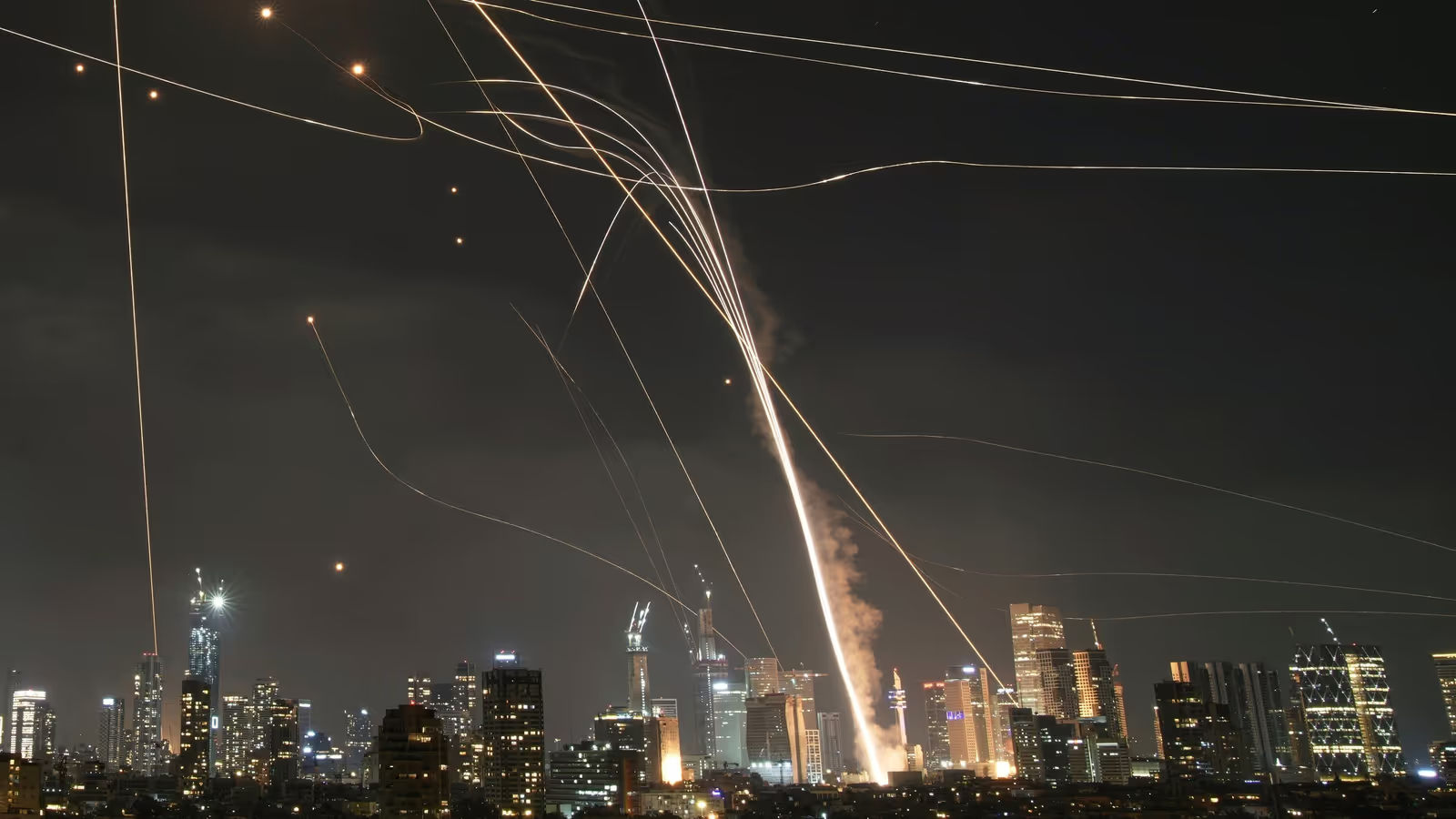
Israeli Attack Reportedly Targets Iran’s Intelligence Minister: Rising Tensions in the Middle East
Israeli Strike Reportedly Targets Iran’s Intelligence Minister, Raising Regional Tensions
Reports emerging from the Middle East suggest that a senior official in the Iranian government may have been targeted in a recent Israeli strike. According to various international reports, the Intelligence Minister of the Islamic Republic of Iran, Esmail Khatib, was reportedly the target of an Israeli attack. If confirmed, the incident would represent a significant escalation in the ongoing rivalry between Israel and Iran, two nations whose tensions have shaped much of the geopolitical environment in the Middle East for decades.
Although details surrounding the incident remain limited, the report has quickly drawn attention from governments, analysts, and international media organizations around the world. The possibility that a senior intelligence official could have been targeted highlights the intensity of the shadow conflict between the two countries.
Background of the Israel–Iran Conflict
The rivalry between Israel and Iran dates back to the late 20th century, particularly after the Iranian Revolution of 1979. Before the revolution, Iran and Israel maintained relatively cooperative relations. However, the establishment of the Islamic Republic fundamentally changed Iran’s foreign policy orientation, leading to a sharp deterioration in relations between the two countries.
Since then, Iran has been one of the most vocal critics of Israeli policies in the region, particularly regarding the Palestinian issue. Israeli leaders, on the other hand, view Iran as one of their most serious security threats. Israel has repeatedly expressed concern over Iran’s missile program, regional alliances, and nuclear activities.
Over the years, tensions between the two nations have increasingly taken the form of indirect confrontation. Rather than engaging in direct military conflict, both sides have often relied on covert operations, intelligence activities, and strategic alliances across the region.
Who Is Esmail Khatib?
Esmail Khatib currently serves as the Intelligence Minister of Iran. He was appointed to the position in 2021 and is responsible for overseeing the country’s intelligence and internal security operations.
The Ministry of Intelligence plays a central role in Iran’s national security system. It is tasked with counterintelligence, monitoring domestic security threats, and collecting information about foreign activities that may affect Iran’s interests. As intelligence minister, Khatib supervises a wide range of operations involving national security, counter-espionage, and intelligence gathering.
Before assuming his current role, Khatib held several positions within Iran’s intelligence and administrative structures. His experience within the country’s security establishment made him a prominent figure in Iranian politics and national security policy.
Given the significance of his position, any attack targeting him would be considered a major development in the ongoing conflict between Iran and its regional adversaries.
Details of the Reported Israeli Attack
According to preliminary reports, the alleged Israeli operation targeted locations linked to Iranian intelligence or security activities. While some sources claim that the attack specifically targeted Esmail Khatib, others indicate that the strike may have been part of a broader operation aimed at weakening Iran’s intelligence infrastructure.
Officials in Israel have not provided a detailed public statement confirming the operation. Israel often follows a policy of strategic ambiguity regarding covert operations. In many previous incidents involving suspected Israeli intelligence activities, authorities have declined to confirm or deny involvement.
However, Israeli leaders have repeatedly emphasized that their country will act decisively to counter threats posed by Iran’s military and intelligence activities in the region. This policy has led to a series of covert actions over the years, many of which have targeted individuals or facilities linked to Iran’s security programs.
If the reports regarding the targeting of Iran’s intelligence minister are confirmed, the incident would represent one of the most significant developments in the covert confrontation between the two nations.
Iran’s Initial Reaction
Officials in Iran have responded cautiously to the reports, stating that investigations are ongoing and that more information will be released once the situation becomes clearer.
Iranian authorities have historically taken incidents involving suspected foreign attacks very seriously. In the past, similar incidents have prompted strong statements from Iranian leaders and vows of retaliation against those responsible.
Iran’s security agencies are likely to conduct thorough investigations into the circumstances surrounding the alleged attack. These investigations typically aim to determine how the incident occurred and whether foreign intelligence agencies were involved.
The possibility that a high-ranking official such as Esmail Khatib could have been targeted may also lead to increased security measures within Iran’s government institutions.
International Reactions and Concerns
The reported attack has sparked concern among international observers. The Middle East already faces multiple geopolitical tensions, and any escalation between Israel and Iran could have broader consequences for regional stability.
Several countries have previously called for restraint when tensions between the two nations increase. Diplomats and security experts often warn that incidents involving senior officials or military figures can quickly lead to retaliatory actions.
If the situation escalates, there is a risk that other regional actors could become involved, either directly or indirectly. This could further complicate an already complex geopolitical environment.
For this reason, international organizations and foreign governments frequently encourage diplomatic dialogue and conflict de-escalation in the region.
Israel’s Strategic Concerns About Iran
From Israel’s perspective, Iran’s regional activities represent a major strategic challenge. Israeli officials have repeatedly expressed concern about Iran’s military presence in neighboring countries and its support for groups that oppose Israeli policies.
In particular, Israel has closely monitored Iran’s activities in Syria and Lebanon. Israeli leaders argue that these activities could pose a direct threat to their national security.
Israel has also been highly critical of Iran’s nuclear program. Although Iranian officials maintain that their nuclear program is intended for peaceful purposes such as energy production, Israeli leaders fear that it could eventually lead to the development of nuclear weapons.
As a result, Israel has pursued a strategy aimed at preventing what it views as potential threats before they become more serious. This strategy has included diplomatic pressure, intelligence operations, and military actions when deemed necessary.
Intelligence Warfare Between the Two Countries
The confrontation between Israel and Iran has increasingly taken the form of intelligence warfare. Both countries possess sophisticated intelligence agencies capable of conducting complex operations both domestically and internationally.
Such operations often involve cyberattacks, surveillance, sabotage, and covert missions. These activities typically remain secret, and governments rarely acknowledge their involvement publicly.
Over the past decade, several incidents involving Iranian scientists, military figures, and strategic facilities have been reported. Iranian officials have often blamed foreign intelligence agencies for these incidents.
If the reported Israeli strike targeting Esmail Khatib is confirmed, it would represent another example of the ongoing intelligence confrontation between the two countries.
Possible Regional Consequences
The potential consequences of this incident could extend beyond the immediate relationship between Israel and Iran. The Middle East is a region characterized by interconnected conflicts and political rivalries.
Escalating tensions between the two countries could influence developments in Syria, Lebanon, Iraq, and other parts of the region where both nations maintain strategic interests.
Some analysts believe that indirect confrontations could increase if tensions continue to rise. These confrontations could involve allied groups or regional actors aligned with either Israel or Iran.
Additionally, cyber warfare and intelligence operations could intensify as both sides attempt to weaken each other’s strategic capabilities.
Calls for Diplomatic Restraint
In response to rising tensions, several governments and international organizations have emphasized the importance of diplomatic solutions. Dialogue and negotiation are often seen as the most effective ways to prevent conflicts from escalating into open warfare.
While political differences between Israel and Iran remain significant, many experts believe that diplomatic engagement is essential for maintaining stability in the Middle East.
International efforts aimed at addressing regional security issues, including negotiations related to Iran’s nuclear program, have attempted to reduce tensions in the past. Although these efforts have faced numerous challenges, they continue to play an important role in global diplomacy.
Conclusion
The reports that Iran’s intelligence minister, Esmail Khatib, may have been targeted in an Israeli attack highlight the fragile nature of security dynamics in the Middle East. While many details of the incident remain unclear, the situation underscores the intensity of the rivalry between Israel and Iran.
As more information becomes available, governments and analysts will continue to closely monitor developments. Any confirmation of the reports could have significant implications for regional politics and international relations.
For now, the incident serves as a reminder of the ongoing geopolitical tensions in the Middle East and the importance of diplomatic efforts aimed at preventing conflict and maintaining regional stability.
Related Posts