Cracks Before the Collapse: Delhi Hostel Tragedy Exposes Student Housing Safety Crisis
New Delhi, India — September 7, 2026
A deadly building collapse in Delhi's Satya Niketan student neighbourhood has raised serious questions about the safety of private hostels and paying guest accommodations after survivors said cracks had appeared in the structure and water frequently accumulated in its basement before it came crashing down.
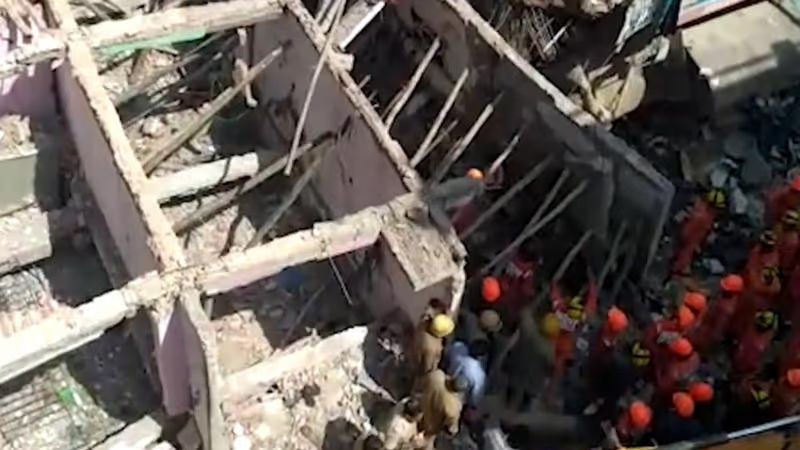
The multi-storey building, which was being operated as a boys' paying guest accommodation near Delhi University's South Campus, collapsed on Sunday afternoon while repair work was underway.
The death toll rose to seven on Monday, while rescue teams continued searching through the remaining debris.
Survivor Says Cracks Had Appeared Before Collapse
Testimony from a student who survived the collapse has intensified questions over whether warning signs were overlooked before the disaster.
Ankit, a third-year student who was among those rescued, told NDTV that cracks had started developing in the walls and the basement frequently experienced waterlogging.
He also alleged that safety inspections were not being regularly carried out in the area despite its large concentration of students and private accommodations.
The allegations are particularly significant because preliminary investigations are examining whether water accumulation and renovation work weakened the ageing structure.
Basement Repairs Under Investigation
The building was around 40 to 50 years old and renovation work was underway when it collapsed.
Preliminary information indicates that work was being carried out in the basement and that a pillar may have become unstable during the repairs, weakening the structure.
Delhi Chief Minister Rekha Gupta said initial findings pointed to a combination of water accumulation in the basement and ongoing repair work on the old building.
Authorities are continuing to investigate the exact sequence of events and whether structural alterations, unauthorised construction or negligence contributed to the collapse.
Building Had Recently Reopened to Students
The circumstances surrounding the building's reopening have also come under scrutiny.
Reports indicate that the ageing structure had previously been vacated and later underwent renovation before reopening as a men's paying guest accommodation called Hostel Daze in August.
However, renovation work was reportedly still incomplete when students began living there.
Satya Niketan is one of Delhi's major student neighbourhoods, with large numbers of young people attending nearby colleges relying on privately operated hostels and paying guest rooms.
Death Toll Rises to Seven
Authorities confirmed on Monday that the death toll had risen to seven.
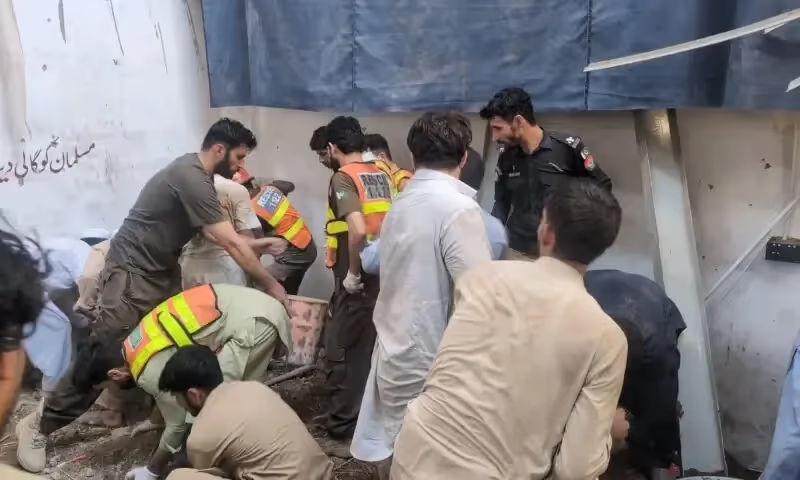
Rescue teams from the National Disaster Response Force, Delhi Police, Delhi Fire Service and other agencies worked through the night and into Monday to clear the rubble.
Sniffer dogs, heavy machinery and specialist rescue personnel were deployed as teams searched the remaining sections of the collapsed building.
Officials said the majority of the debris had been removed by Monday, although work around the basement continued.
Students Called for Help From Beneath the Rubble
The first hours following the collapse were particularly desperate.
Reports from the scene said some students trapped beneath the rubble were able to make phone calls, allowing rescuers to establish contact with people inside.
Witnesses described hearing cries for help as emergency workers and local residents rushed to clear debris.
The fact that the collapse occurred on a Sunday also raised concerns that more students may have been inside their rooms because colleges were closed.
Five MCD Officials Suspended
The tragedy has quickly expanded from a rescue operation into a major investigation into possible regulatory and administrative failures.
The Municipal Corporation of Delhi suspended five senior and engineering officials from its South Zone on Monday.
The suspended officials include:
The South Zone Deputy Commissioner.
The Superintending Engineer.
The Executive Engineer responsible for buildings.
The Assistant Engineer responsible for buildings.
A Junior Engineer from the South Zone.
The suspensions came as authorities faced questions about illegal construction, building inspections and how an ageing structure could continue operating as student accommodation.
Magisterial Inquiry Ordered
The Delhi government has ordered a magisterial inquiry into the collapse.
Police have also registered a case against the building owner and others as investigators examine possible negligence and building violations.
The investigation is expected to examine the building's construction history, renovation work, structural condition, permissions and whether officials or private operators failed to act on safety risks.
Building Owner Apprehended
Police efforts to establish accountability have also focused on the building's owner.
Hariram Gupta, identified by police as the owner of the collapsed property, was apprehended in Bhiwadi on Monday.
An FIR had been registered against him following the collapse, and authorities are continuing their investigation into the renovation work and operation of the property.
Nearby Building Declared Dangerous
Safety concerns have extended beyond the collapsed hostel.
Authorities evacuated an adjoining building after determining that it was structurally dangerous.
The Municipal Corporation of Delhi issued a demolition order for the neighbouring property, saying its condition posed a danger to occupants, nearby residents and people passing through the area.
Residents were moved away while authorities prepared for a controlled demolition once rescue operations around the collapsed building allowed it to proceed safely.
Illegal Floors and Construction Under Scrutiny
The collapse has also drawn attention to possible unauthorised construction in the neighbourhood.
Authorities are examining whether the building had floors or structural modifications beyond what had originally been permitted.
Similar concerns exist across Satya Niketan, where residential properties have increasingly been converted into multi-storey paying guest accommodations to meet student demand.
The Delhi government has now ordered action against illegal structures, including the sealing of buildings that violate permitted floor limits.
Why Students Depend on Private PG Accommodation
The disaster has exposed a broader problem surrounding student housing near Delhi University.
Thousands of students travel from other parts of India to attend colleges around Delhi University's South Campus, but university and college hostel capacity is limited.
As a result, many students depend on privately operated hostels, rented rooms and paying guest accommodations in neighbourhoods such as Satya Niketan.
High demand has encouraged residential buildings to be converted into student accommodation, sometimes with additional floors, more rooms and greater occupancy.
The Satya Niketan collapse is therefore raising questions not only about one building but also about whether the wider private student housing system is being adequately monitored.
Delhi Plans Mandatory Structural Audits
The Delhi government says the disaster will lead to broader changes in building safety regulation.
Chief Minister Rekha Gupta announced that the government is preparing a policy requiring periodic structural audits and safety certificates for buildings used for public activities.
The proposed requirements would cover properties including:
Paying guest accommodations and student hostels.
Schools and educational facilities.
Nursing homes.
Other buildings used for commercial or public activities.
Under the proposed approach, buildings that cannot demonstrate structural safety would not be permitted to continue such activities.
Monsoon Adds to Risks for Ageing Buildings
The tragedy comes during India's monsoon season, when prolonged rainfall can increase risks for ageing or poorly maintained structures.
Water infiltration, weakened foundations and inadequate drainage can become particularly dangerous when combined with unauthorised modifications or construction work.
Building collapses remain a recurring problem in Delhi and other Indian cities, making structural inspections especially important for older and heavily occupied properties.
Key Developments
Seven people have died following the Satya Niketan building collapse.
Rescue teams continued searching the remaining debris on Monday.
A survivor said cracks had developed in the walls before the disaster.
The basement reportedly experienced frequent water accumulation.
Renovation work was underway when the ageing structure collapsed.
Five MCD officials have been suspended following the tragedy.
A magisterial inquiry has been ordered.
The building owner has been apprehended as the investigation continues.
An adjoining unsafe building has been evacuated and marked for demolition.
Delhi is preparing mandatory structural-audit requirements for public-use buildings.
From Building Collapse to Student Safety Crisis
The Satya Niketan tragedy is increasingly becoming more than an investigation into why one building collapsed.
Accounts of visible cracks, basement waterlogging, ongoing renovation and concerns about unauthorised construction have brought the safety of Delhi's private student accommodation network under renewed scrutiny.
For students who cannot secure university hostel accommodation, private PGs are often a necessity rather than a choice. That makes effective inspections, structural audits, occupancy rules and accountability particularly important.
Investigators must now determine exactly what caused the Satya Niketan building to fail and whether the tragedy could have been prevented.
The larger challenge for Delhi will be ensuring that the lessons from the collapse lead to meaningful inspections and enforcement before warning signs in another crowded student building turn into another disaster.
Keywords:
Related Posts