Breaking news from Switzerland: a devastating fire in Crans-Montana has left at least 40 people dead and 119 injured, according to the latest official figures. Investigators are focusing on the possible role of candles and Bengal flares in triggering the
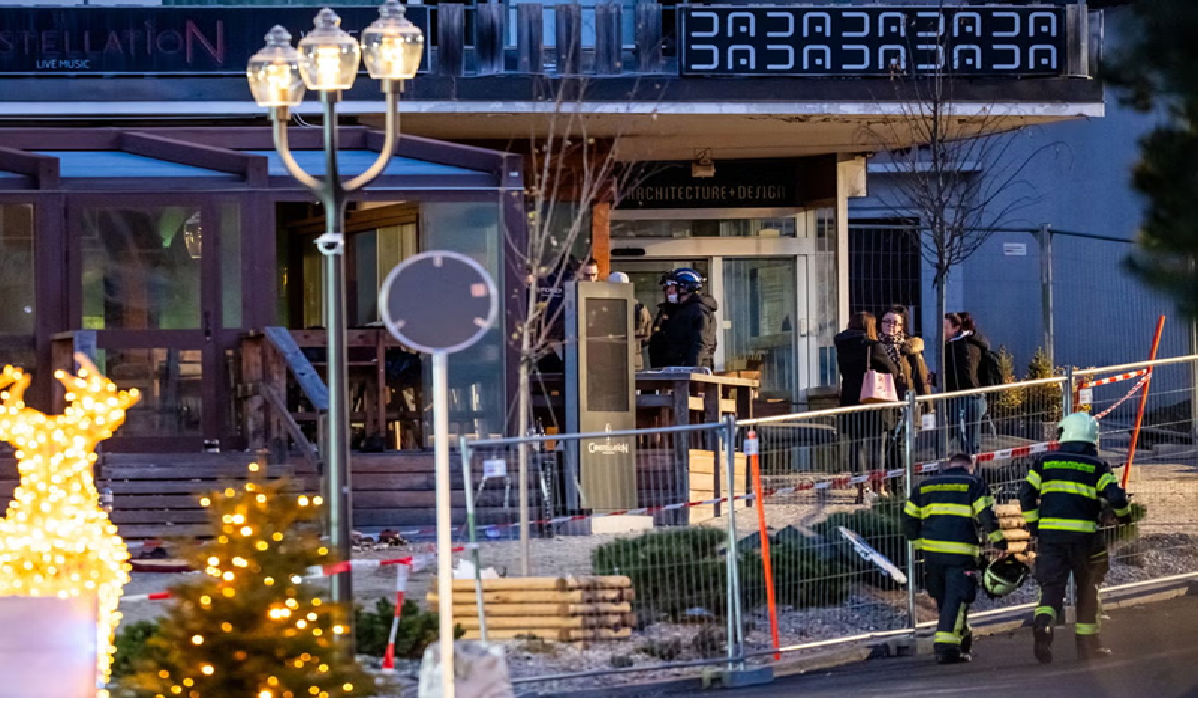
Deadly Fire in Crans-Montana, Switzerland: What We Know So Far
A devastating fire in the Swiss alpine resort town of Crans-Montana has sent shockwaves across Switzerland and beyond. According to the latest reports, the tragedy has resulted in 40 confirmed fatalities and at least 119 people injured, making it one of the deadliest fire-related incidents in the region in recent years. As emergency services continue rescue and recovery operations, investigators are now focusing on a critical lead: the possible involvement of candles and Bengal fires, which may have sparked or accelerated the blaze.
The incident, which unfolded rapidly, has raised serious questions about fire safety, crowd management, and the use of open flames during public or private gatherings. Authorities have launched a full-scale investigation to determine the exact sequence of events and identify responsibility, while the nation mourns the loss of life.
The Incident: How the Fire Broke Out
The fire reportedly erupted in the heart of Crans-Montana, a popular mountain destination known for its ski slopes, luxury chalets, and seasonal festivities. Witnesses described scenes of chaos and panic as flames spread quickly through the affected structure, trapping dozens of people inside.
Initial reports suggest that the fire broke out during a gathering, possibly linked to a celebration or event where decorative candles or Bengal fires—a type of pyrotechnic flare often used for visual effect—were present. These items, while visually appealing, are known to pose significant fire risks, especially in enclosed or crowded spaces.
Emergency calls flooded local dispatch centers within minutes, prompting a massive response from firefighters, medical teams, and law enforcement agencies. Helicopters were also deployed to evacuate the injured and transport them to nearby hospitals.
Casualties and Injuries: A Heavy Human Toll
As of the most recent update, authorities have confirmed 40 deaths, with the number feared to rise as rescue teams continue to search through debris. Among the 119 injured, several are reported to be in critical condition, suffering from severe burns, smoke inhalation, and trauma-related injuries.
Hospitals in the Valais canton were placed on emergency footing, with additional medical staff called in to handle the influx of patients. Some of the most seriously injured victims were transferred to specialized burn units in other parts of Switzerland.
Officials have not yet released a full list of victims, pending notification of families. However, it is believed that both Swiss nationals and foreign visitors may be among those affected, given Crans-Montana’s status as an international tourist destination.
Emergency Response and Rescue Operations
Firefighters arriving at the scene faced extremely challenging conditions. According to preliminary statements, the blaze spread rapidly due to combustible materials within the building and the presence of open flames. Thick smoke significantly reduced visibility, complicating rescue efforts.
Despite these obstacles, first responders managed to evacuate many people from the building, often at great personal risk. Fire crews worked for hours to bring the flames under control and prevent the fire from spreading to nearby structures.
Local authorities have praised the bravery and coordination of emergency services, noting that swift action likely prevented an even higher death toll. Nevertheless, the scale of the tragedy has prompted calls for a thorough review of emergency preparedness and fire prevention measures.
Focus of the Investigation: Candles and Bengal Fires
One of the most significant developments in the aftermath of the fire is the investigation’s focus on candles and Bengal fires. These items are commonly used during celebrations, concerts, or festive events to create atmosphere. However, safety experts have long warned about their dangers, particularly indoors.
Bengal fires burn at extremely high temperatures and can easily ignite nearby materials if not handled correctly. Even candles, when placed near decorations, fabrics, or wooden surfaces, can become a serious hazard.
Investigators are examining whether these fire sources were used in violation of safety regulations, and whether adequate precautions were taken. Questions being asked include:
- Were open flames permitted at the venue?
- Did organizers follow fire safety guidelines?
- Were fire extinguishers and alarms functional and accessible?
- Was the crowd size within approved limits?
Forensic teams are analyzing burn patterns, electrical systems, and residue found at the scene to pinpoint the fire’s origin.
Legal and Regulatory Implications
The tragedy is expected to have far-reaching legal consequences. If negligence or violations of safety regulations are confirmed, criminal charges could follow. Event organizers, property owners, or suppliers of pyrotechnic materials may all come under scrutiny.
Swiss authorities are known for strict safety standards, particularly in public venues. This incident may prompt tighter enforcement or even new regulations regarding the use of open flames and pyrotechnics, especially in indoor or semi-enclosed spaces.
Legal experts suggest that civil lawsuits from victims’ families are also likely, potentially resulting in significant compensation claims.
Impact on Crans-Montana and Tourism
Crans-Montana is a key pillar of Switzerland’s tourism industry, attracting visitors year-round. The fire has cast a shadow over the town, with several events reportedly canceled or postponed as a mark of respect.
Local businesses, hotels, and tourism operators are bracing for the economic impact, particularly if safety concerns discourage visitors. At the same time, many residents have opened their homes and businesses to support survivors and rescue workers, highlighting a strong sense of community solidarity.
National Mourning and Political Reaction
The scale of the disaster has prompted reactions at the highest levels of government. Swiss leaders have expressed condolences to the victims’ families and pledged full support to emergency services and investigators.
Flags have reportedly been lowered in parts of the country, and moments of silence are being observed. The tragedy has reignited a national conversation about safety during public gatherings and the balance between celebration and caution.
Survivors’ Accounts: Moments of Terror
Survivors have begun sharing harrowing accounts of their escape. Many described the fire spreading “within seconds,” with smoke quickly filling hallways and exits becoming difficult to find.
Some survivors credited fellow attendees and staff members for helping guide people to safety, while others spoke of confusion and panic. These testimonies are expected to play a crucial role in the investigation, helping authorities reconstruct the sequence of events.
Broader Fire Safety Concerns
Beyond Crans-Montana, the incident has raised broader concerns about fire safety across Europe. Similar tragedies in the past have often led to reforms, including stricter building codes, improved evacuation planning, and bans on certain types of pyrotechnics.
Fire safety experts emphasize that even small flames can have catastrophic consequences under the wrong conditions. They are urging event organizers and the public to reconsider the use of decorative fire elements and to prioritize safety over aesthetics.
What Happens Next
In the coming days, authorities are expected to release more detailed findings as the investigation progresses. Autopsies, forensic analyses, and witness interviews will help establish the cause of the fire and determine accountability.
Support services, including psychological counseling, are being offered to survivors, families, and first responders affected by the tragedy. Memorial services are also expected to take place to honor those who lost their lives.
Conclusion
The deadly fire in Crans-Montana stands as a stark reminder of how quickly celebration can turn into catastrophe. With 40 lives lost and 119 people injured, the human cost is immense. As investigators focus on the role of candles and Bengal fires, the tragedy is likely to influence future safety regulations and public awareness.
While answers are still emerging, one thing is clear: the incident has left a lasting scar on the community and the nation. The hope now is that a thorough investigation and meaningful reforms can help prevent such a disaster from happening again.
Related Posts