Nepal PM Balendra Shah Calls for Global Climate Action After Deadly Himalayan Floods
Kathmandu, Nepal — September 1, 2026
Nepal Prime Minister Balendra Shah has called for stronger international action on climate change following the catastrophic Himalayan floods that have killed at least 939 people and left nearly 4,500 others missing.
Shah described the disaster as far more than an ordinary flood, warning that the catastrophe highlights the growing climate risks facing Nepal and the wider Himalayan region.
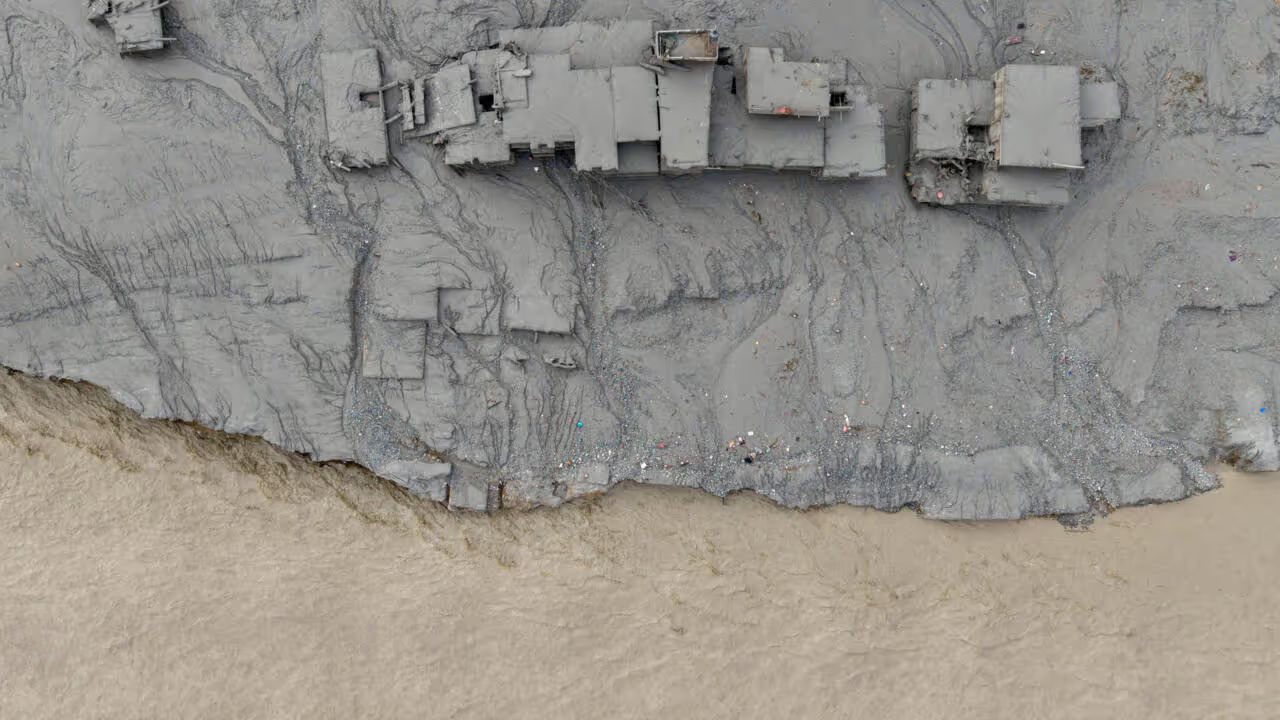
The disaster was triggered by a massive surge of freezing water, ice and debris following a glacial collapse along the Nepal-China border. The resulting flood devastated communities along the Bhote Koshi River and caused widespread destruction across several districts.
PM Shah Says Flood Was 'Not an Ordinary' Disaster
Prime Minister Shah said the devastating flood in the Bhote Koshi River in Rasuwa should not be considered a normal flooding event.
He described it as one of the region's major disasters, triggered by a massive avalanche of snow and ice in the Himalayan region.
Shah said the incident demonstrates how the risks facing communities across the Himalayas are increasing alongside climate change and warned that the entire region needs to remain vigilant.
Nepal Calls on International Community for Climate Action
Following the disaster, Shah called on Nepal to raise the issue of climate-related disasters more strongly with the international community.
Nepal contributes only a small fraction of global greenhouse gas emissions but remains highly vulnerable to the effects of rising global temperatures, melting glaciers, extreme rainfall and increasingly unpredictable weather.
Shah's remarks have renewed Nepal's long-standing argument that countries most vulnerable to climate change require greater international financial and technical support despite contributing relatively little to the emissions driving global warming.
Death Toll Reaches 939 as Thousands Remain Missing
The scale of the disaster has continued to grow as rescue teams reach previously inaccessible areas.
According to the latest reports, at least 939 people have been killed, while nearly 4,500 people remain missing following the floods.
Search-and-rescue operations remain underway across affected districts, but damaged roads, destroyed bridges, unstable terrain and huge deposits of mud and debris continue to make access extremely difficult.
Authorities have warned that the death toll could rise further as rescuers search destroyed settlements, rivers and areas buried beneath flood debris.
Glacial Collapse Triggered Massive Wave of Water and Debris
The disaster began after a glacial collapse near the China-Nepal border sent an enormous volume of freezing water and debris downstream.
The sudden surge travelled through the Himalayan river system, destroying buildings, bridges, roads and settlements along its path.
While scientists are still examining the precise causes behind the collapse, experts have repeatedly warned that rising global temperatures are accelerating glacier loss across the Himalayan region.
Climate Change Increasing Himalayan Risks
The disaster has renewed concerns over the accelerating loss of glaciers across the Himalayas.
Rising temperatures are causing glaciers around the world to retreat, while scientists have warned that Himalayan glaciers are particularly vulnerable to continued warming.
As glaciers shrink and unstable ice formations develop, the possibility of sudden floods, avalanches and glacial lake outburst floods can increase.
These hazards pose serious risks to settlements, hydropower facilities, roads, bridges and other infrastructure built along Himalayan valleys and river systems.
Nearly Two Billion People Depend on Himalayan Water Systems
The Himalayan and Hindu Kush mountain ranges are not only important to Nepal but also provide critical water resources for a large part of Asia.
Glaciers across the wider Himalayan and Hindu Kush ranges provide water directly to around 240 million people living in mountainous regions.
Another approximately 1.65 billion people depend on river systems downstream across South and Southeast Asia.
Changes in Himalayan glaciers therefore have consequences extending far beyond Nepal, affecting water security, agriculture, hydropower and communities across several countries.
UN Has Previously Warned About Melting Himalayan Glaciers
Concerns about the rapid transformation of the Himalayan environment are not new.
During a visit to Nepal in 2023, United Nations Secretary-General Antonio Guterres warned about the rapid melting of Himalayan glaciers and highlighted the growing threat climate change poses to mountain communities.
Following the latest catastrophe, UN climate chief Simon Stiell described the disaster as another devastating reminder of the vulnerability of mountain environments.
Nepal Faces Billions of Dollars in Reconstruction Costs
Beyond the enormous human toll, Nepal now faces a major reconstruction challenge.
Initial government assessments indicate that rebuilding could cost billions of dollars after roads, bridges, homes, businesses, hydropower infrastructure and communication networks were destroyed.
The scale of the damage presents a significant challenge for Nepal's economy, which already has limited resources available to respond to disasters of this magnitude.
Restoring transport routes and essential infrastructure will be crucial for reconnecting isolated communities and allowing relief supplies to reach affected areas.
Why Nepal Is Highly Vulnerable to Climate Disasters
Nepal's geography makes the country particularly vulnerable to climate-related disasters.
Much of the country consists of steep mountain terrain, glacier-fed rivers and settlements located in narrow river valleys.
Major climate-related risks facing Nepal include:
Rapid melting and retreat of Himalayan glaciers.
Glacial lake outburst floods and sudden glacier collapses.
Increasingly intense rainfall and flash flooding.
Landslides triggered by extreme rainfall and unstable terrain.
Damage to roads, bridges, hydropower projects and mountain settlements.
Growing threats to water supplies and agricultural communities.
Climate Justice Becomes a Central Issue
The disaster has once again brought the issue of climate justice into focus.
Developing countries such as Nepal contribute relatively little to global greenhouse gas emissions but often experience some of the most severe consequences of climate change.
Nepal and other climate-vulnerable countries have repeatedly called for wealthier and industrialised nations to provide greater financial support for climate adaptation, disaster preparedness and recovery.
Shah's latest comments indicate that Nepal could place renewed emphasis on these demands in future international climate discussions.
Key Developments
At least 939 people have died in the Himalayan flood disaster.
Nearly 4,500 people remain missing.
The disaster followed a glacial collapse near the Nepal-China border.
Prime Minister Balendra Shah says the disaster demonstrates Nepal's increasing climate vulnerability.
Nepal is calling for stronger international action on climate change.
Reconstruction costs could reach billions of dollars.
Search, rescue and relief operations continue across the affected regions.
What Happens Next?
Nepal's immediate priority remains locating missing people, supporting survivors and restoring access to communities isolated by the floods.
At the same time, the government faces the much larger challenge of rebuilding destroyed infrastructure and improving protection against future climate disasters.
The catastrophe is also likely to strengthen calls for better glacier monitoring, improved early-warning systems, stronger emergency communication networks and more climate-resilient infrastructure across Nepal.
Nepal Pushes Climate Crisis Onto the Global Agenda
Prime Minister Shah's appeal signals that Nepal intends to make the Himalayan disaster part of a broader international discussion about responsibility for climate change and support for vulnerable countries.
For Nepal, the crisis is no longer only about recovering from a single catastrophic flood. It has become a warning about the growing risks that climate change poses to the Himalayas and the millions of people who depend on the region.
With hundreds confirmed dead, thousands still missing and reconstruction costs expected to reach billions of dollars, the disaster could become a defining moment in Nepal's push for greater international climate financing, adaptation support and coordinated action to protect the Himalayan region.