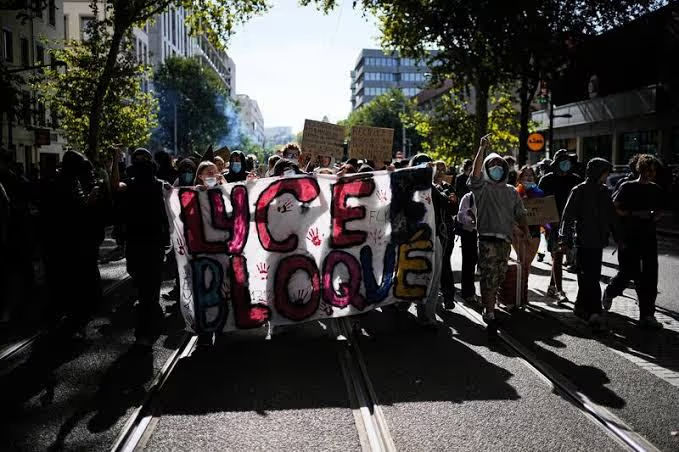
CJP rapidly went viral among Gen Z users, especially on Instagram, where reports say it crossed the follower count of Bharatiya Janata Party’s official account.
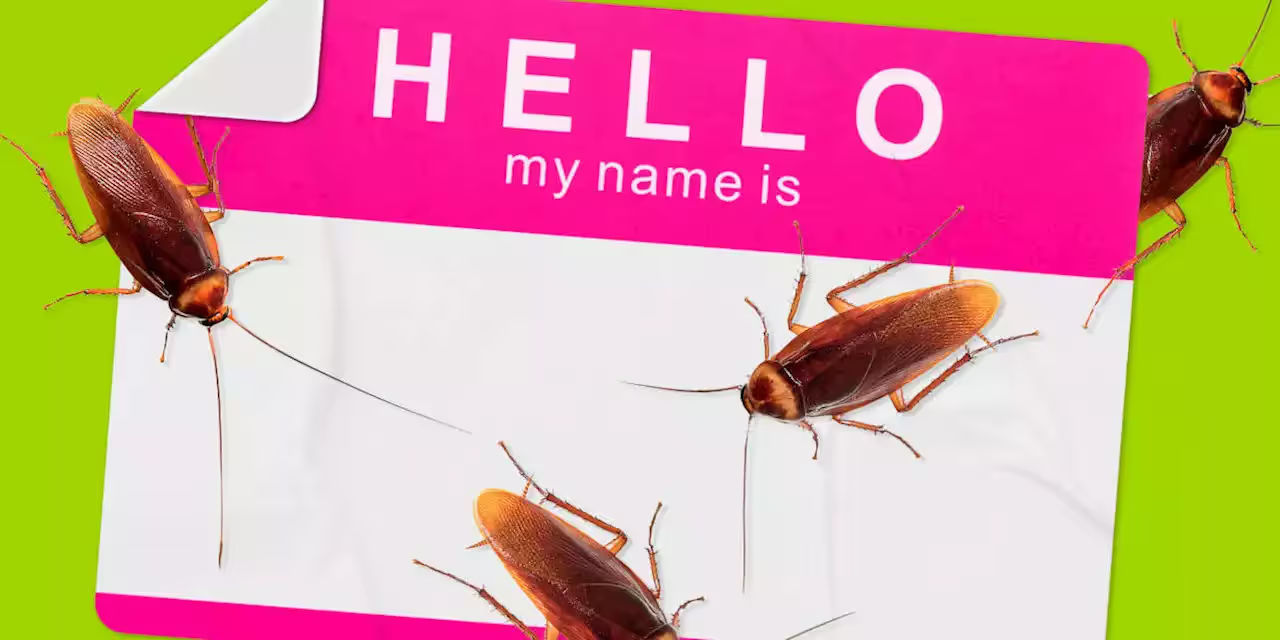
Cockroach Janta Party Goes Viral: How a Satirical Movement Became India’s Biggest Gen Z Protest
A Meme Movement That Turned Into National News
India’s social media landscape has witnessed the sudden rise of an unusual political phenomenon called the “Cockroach Janta Party” (CJP). What initially appeared to be a meme-based online joke has rapidly transformed into one of the country’s most talked-about digital protest movements. Within a matter of days, the movement attracted millions of followers, sparked political debate, and triggered discussions around unemployment, free speech, and youth frustration in modern India. The movement’s growth has been especially strong among Gen Z users who dominate platforms such as Instagram and X (formerly Twitter). What makes the story remarkable is that the movement has no traditional political structure, no election symbol, and no official registration as a political party. Yet it has managed to dominate online conversations across the country.
The Origin Behind the “Cockroach” Name
The movement reportedly began after controversial remarks allegedly comparing unemployed youth to “cockroaches” surfaced online. Instead of reacting with anger alone, young internet users transformed the insult into a symbol of resistance and survival. Social media creators started posting memes, parody videos, and satirical content using cockroach imagery. The idea quickly evolved into a broader statement about how many young Indians feel ignored, mocked, or undervalued despite facing serious economic and social pressures. Rather than rejecting the label, supporters embraced it sarcastically and turned it into an identity representing resilience, adaptability, and frustration with the current system.
Abhijeet Dipke Emerges as the Face of the Movement
Political strategist and digital creator Abhijeet Dipke soon emerged as the central figure associated with the Cockroach Janta Party. He launched official social media accounts and started posting humorous but politically charged content aimed at highlighting issues affecting young people. Dipke described the movement as a platform for citizens who feel disconnected from traditional politics. Through satire and internet humor, the movement criticized unemployment, rising prices, education problems, and political narratives that many young people believe fail to address their realities. Dipke’s communication style played a major role in the movement’s popularity because it matched the fast, meme-driven language of social media culture.
Instagram Growth Shocked Political Observers
One of the most surprising developments in the story was the movement’s explosive social media growth. Reports claimed that the Cockroach Janta Party’s Instagram account crossed millions of followers within a short period and even overtook the follower count of the Bharatiya Janata Party’s official Instagram handle. This achievement shocked political analysts and highlighted the enormous influence of internet culture among younger audiences. The rapid growth was fueled by highly shareable memes, satirical reels, and relatable posts discussing exam stress, unemployment, and inflation. Many young users felt the content reflected their daily frustrations more honestly than traditional political messaging.
Why Gen Z Connected With the Movement
The movement’s popularity among Gen Z is deeply connected to the social and economic challenges facing young Indians today. Rising unemployment, delayed job opportunities, expensive education, and uncertainty about the future have created widespread anxiety among students and recent graduates. The Cockroach Janta Party became popular because it expressed these concerns using humor rather than formal political speeches. Its memes often joke about endless competitive exams, low salaries, internship culture, and family pressure. While the tone is comedic, the issues discussed are very real for millions of young people. Supporters say the movement gave them a sense of community during a period of uncertainty and frustration.
Satire Became the Movement’s Strongest Weapon
Unlike conventional political organizations, the Cockroach Janta Party does not rely on rallies, posters, or ideological manifestos. Instead, its primary weapon is satire. The movement uses memes, parody graphics, edited videos, and sarcastic slogans to attract attention. Many of its posts intentionally exaggerate social realities to make political points. Membership jokes such as “qualified in overthinking” or “certified unemployed” became viral because they reflected emotions shared by many internet users. Political analysts believe this style of communication helped the movement spread faster than traditional activism because it fit perfectly into the culture of Instagram reels and short-form content.
The X Account Ban Intensified the Controversy
The movement became even more controversial after its X account was reportedly withheld in India following a legal demand. The restriction triggered a major debate online about censorship and freedom of expression. Supporters claimed that silencing the account only made the movement more popular because people interpreted the action as proof that authorities were uncomfortable with online dissent. Soon after the restriction, backup accounts and mirror pages began appearing across platforms. Hashtags related to the movement started trending, and discussions about digital censorship intensified among journalists, politicians, and social media users.
Political Leaders Reacted to the Viral Trend
Several politicians publicly reacted to the Cockroach Janta Party controversy. Congress MP Shashi Tharoor reportedly defended the importance of satire and democratic dissent, arguing that democracies should allow citizens to express frustration creatively. Other opposition leaders also commented on the issue, saying the popularity of the movement reflected deeper problems facing Indian youth. At the same time, critics of the movement accused it of promoting negativity and reducing serious political issues to internet jokes. The differing reactions demonstrated how quickly the movement had entered mainstream political discussions despite starting as a meme campaign.
The Role of Memes in Modern Political Communication
The rise of the Cockroach Janta Party also highlights a major transformation in political communication. Earlier generations relied on newspapers, television debates, and political rallies to shape public opinion. Today, memes and short-form videos often spread information faster than traditional media. The movement understood this shift perfectly. Its creators used internet humor not only for entertainment but also for political messaging. Viral memes discussing unemployment or education stress often reached millions of users within hours. Experts say this reflects how younger generations consume information differently compared to previous decades.
Youth Unemployment Became a Central Issue
One of the biggest reasons behind the movement’s popularity is its focus on unemployment. India’s job market has become increasingly competitive, especially for graduates preparing for government examinations and private sector jobs. Many young people spend years preparing for exams without guaranteed employment. The Cockroach Janta Party repeatedly addressed this frustration through sarcastic posts and exaggerated humor. Supporters felt the movement acknowledged problems that are often ignored in official political discussions. The movement’s messaging resonated strongly among students preparing for competitive exams and struggling to secure stable careers.
Exam Leaks and Education Pressure Added Fuel
Education-related controversies also played an important role in the movement’s rise. Frequent complaints about exam paper leaks, delayed recruitment processes, and uncertainty surrounding entrance examinations created anger among students. The movement openly criticized these issues and demanded accountability from authorities. Recently, supporters associated with the movement even demanded the resignation of Union Education Minister Dharmendra Pradhan over controversies related to the NEET 2026 paper leak issue. This demonstrated how the movement had expanded beyond memes into real political commentary on education policies and governance.
Internet Humor Turned Into Offline Activism
Although the movement began online, it gradually started influencing offline activities as well. Reports emerged of supporters participating in protests while dressed in cockroach-themed costumes or carrying satirical posters. Some volunteers organized symbolic campaigns and social awareness drives connected to youth-related issues. These activities showed that the movement was evolving beyond internet entertainment. For many supporters, the Cockroach Janta Party became a way to express frustration publicly without relying on traditional political organizations or student unions.
Critics Question the Movement’s Long-Term Impact
Despite its popularity, critics remain skeptical about whether the movement can create long-term change. Some political observers argue that meme-based activism may attract attention temporarily but struggle to produce meaningful policy impact. Others believe the movement risks becoming another short-lived internet trend driven more by virality than organization. Critics also point out that satire alone cannot replace detailed policy discussions or political leadership. However, supporters respond by saying that the movement’s primary goal is visibility rather than electoral politics. According to them, making youth frustrations impossible to ignore is itself an important achievement.
International Media Started Covering the Story
The Cockroach Janta Party’s rapid rise attracted attention from international media organizations as well. Global publications described it as a unique example of how younger generations are using digital culture and humor for political expression. Reports highlighted similarities between the movement and global internet-driven protest cultures where memes, satire, and online communities shape public conversations. International coverage also focused on the debate surrounding censorship after the movement’s X account was withheld in India. This global attention further amplified the movement’s visibility and legitimacy.
Social Media Algorithms Helped the Movement Explode
Technology experts believe social media algorithms played a major role in the movement’s explosive growth. Platforms such as Instagram reward highly engaging and shareable content, especially short videos and memes. The Cockroach Janta Party’s content was perfectly designed for these systems because it combined humor, controversy, and emotional relatability. Each viral reel or meme attracted more users, creating a cycle of rapid engagement. Political analysts say this demonstrates how digital movements can now emerge much faster than traditional grassroots organizations.
Fear and Pressure Around the Movement Increased
As the movement became more popular, reports also suggested growing pressure on its founder and supporters. Abhijeet Dipke reportedly claimed that he received threats and faced attempts to hack associated social media accounts. Media interviews with his family suggested concerns about legal consequences and political backlash. These developments intensified public interest because many supporters interpreted them as evidence that the movement was challenging powerful narratives. At the same time, critics warned against turning online political disagreements into personal hostility.
A New Form of Youth Political Identity
The success of the Cockroach Janta Party reflects the emergence of a new kind of political identity among Indian youth. Unlike traditional political groups based on ideology or regional identity, this movement is built around shared frustration and internet culture. Many supporters are not deeply involved in conventional politics but still want a platform to discuss issues affecting their lives. The movement’s humor-heavy approach makes political participation feel more accessible to younger audiences who may otherwise avoid formal political debates.
Why the Movement Resonates Emotionally
Beyond politics, the movement resonates emotionally because it captures the exhaustion and uncertainty felt by many young people today. Its jokes about unemployment, endless studying, and economic pressure reflect genuine anxieties about the future. Supporters often describe feeling “seen” for the first time through the movement’s content. The humor works because it is rooted in real experiences shared by millions of students, graduates, and job seekers across the country.
The Future of the Cockroach Janta Party Remains Uncertain
It remains unclear whether the Cockroach Janta Party will eventually fade as a viral trend or evolve into a larger social movement. Internet culture changes rapidly, and many online phenomena disappear within weeks. However, the issues highlighted by the movement are unlikely to vanish soon. Unemployment, educational stress, and youth dissatisfaction continue to affect large sections of society. Even if the movement itself changes form, its success has already demonstrated the political power of memes and digital communities in modern India.
A Viral Joke That Exposed Real Frustrations
The story of the Cockroach Janta Party is ultimately about much more than memes or satire. It reflects the growing frustration of a generation facing economic uncertainty, intense competition, and political disillusionment. By transforming an insult into a symbol of resistance, young Indians created a movement that forced national conversations around unemployment, free speech, and digital activism. Whether it survives long term or not, the Cockroach Janta Party has already become one of the most remarkable examples of internet-driven political expression in contemporary India.
Related Posts