Nepal Flood Crisis Deepens as Death Toll Nears 800 and Thousands Remain Missing
Kathmandu, Nepal — August 30, 2026
Nepal is facing a rapidly worsening humanitarian crisis after devastating flash floods struck communities along the country's northern border with Tibet. The combined death toll in Nepal and China's Tibet region has climbed to nearly 800, while more than 3,000 people remain missing or unaccounted for.
Authorities have issued fresh flood warnings as water levels in the Bhote Koshi River continue to rise, adding further danger to residents, rescue workers and communities already severely affected by the disaster.
Death Toll Rises as Search Operations Continue
Nepal's disaster authorities reported that the death toll in the country had reached 734, with another 16 deaths reported in China's Tibet region. NDTV's latest update put the combined number of recovered bodies at 792.
The figures are expected to change as rescue teams continue searching through flood-damaged communities, rivers and debris-covered areas. Many people remain unaccounted for, making the final scale of the disaster difficult to determine.
More Than 3,000 People Remain Missing
The number of missing people has become one of the most serious concerns following the floods.
Nepal has reported 2,498 people missing, while Chinese authorities have reported another 546 people unaccounted for in Tibet. Together, the figures put the regional total above 3,000.
The missing include foreign nationals and people working or travelling in the affected areas. NDTV reported that 275 Indian nationals remain among those missing, while other Indian citizens have been rescued or remain safe and contactable.
Nepal Issues Fresh Flood Warnings
Nepalese authorities issued new warnings on Sunday after receiving information that water flow in the Bhote Koshi River in Rasuwa had increased.
The warnings urged residents in riverside and affected areas, as well as personnel involved in search, rescue and relief operations, to exercise extreme caution.
Authorities have specifically warned communities in areas including Rasuwa, Nuwakot, Dhading and Chitwan as rescue teams continue working in dangerous conditions.
Glacier Collapse Linked to Catastrophic Flooding
The disaster was triggered by a sudden surge of water and debris in the Bhote Koshi River after a glacier-related collapse in the Himalayan region.
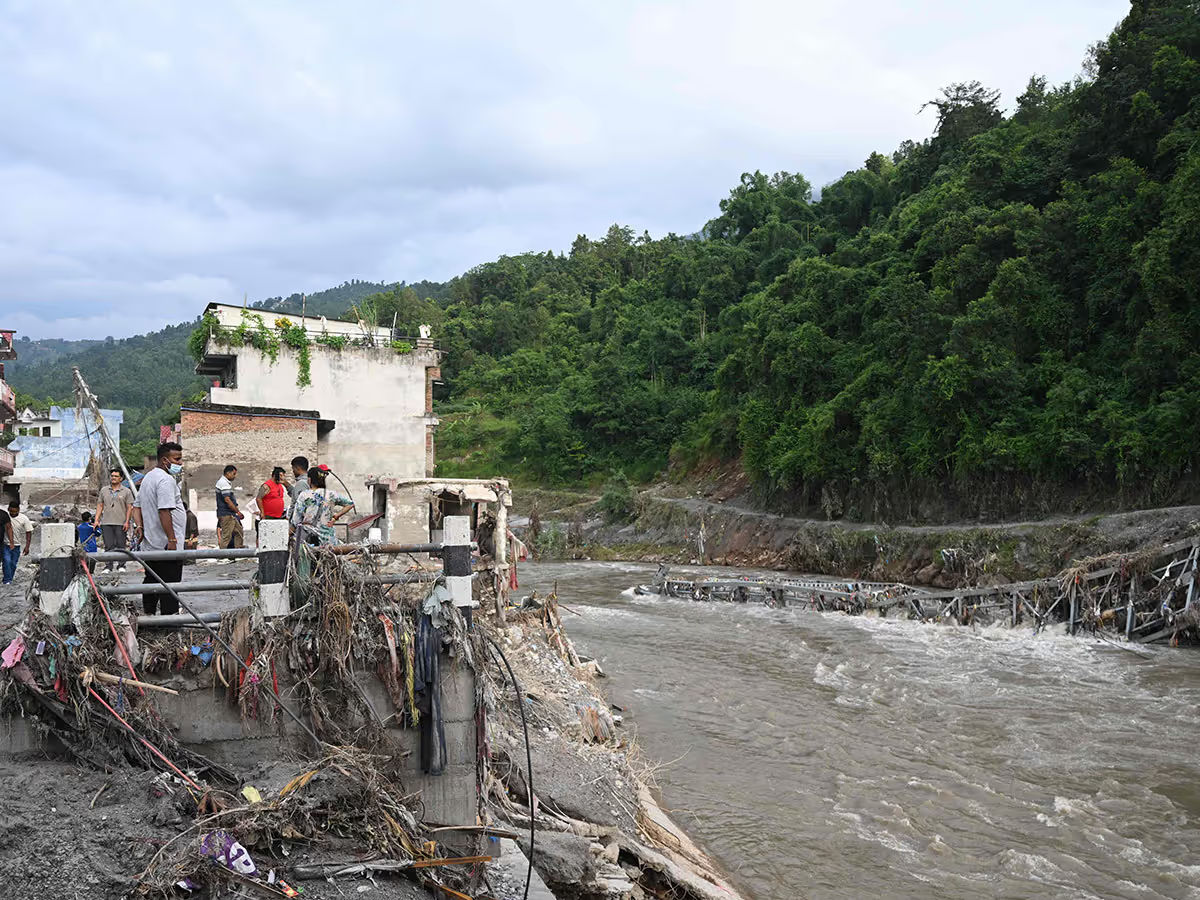
The resulting flash flood swept through settlements near the Nepal-Tibet border, destroying homes, bridges, roads and other infrastructure.
The force of the flooding left large areas covered in mud and debris, while some communities were cut off from the rest of the country.
Thousands Rescued as Infrastructure Lies in Ruins
Rescue teams have continued evacuating people from affected areas, although damaged roads and bridges have made operations extremely difficult.
More than 3,700 people have been rescued in Nepal, according to reports. Emergency teams are relying on helicopters, specialised rescue equipment and temporary routes to reach isolated communities.
The disaster has also damaged major transport links, including roads connecting Kathmandu with some of the worst-hit areas. Rescue workers have been clearing debris and attempting to restore access to affected settlements.
More Than 90,000 People Affected
The humanitarian impact extends far beyond the number of deaths and missing people. The Red Cross estimates that approximately 93,000 people in Nepal have been affected by the disaster.
Thousands of families have lost homes, belongings and access to essential services. Communities in several districts are also facing difficulties accessing transportation, healthcare, food and communication services.
Nepal Appeals for International Assistance
Nepal has appealed to the international community for financial assistance and specialised equipment to support the continuing rescue and recovery operation.
The country has specifically requested equipment including heavy-lift drones, DNA testing kits and body freezer units to support search operations and the identification of victims.
Several countries and international organisations have already announced humanitarian assistance.
The United States and Canada have each announced about $3.6 million in humanitarian assistance.
The United Kingdom has pledged approximately $6.8 million in aid.
The United Nations has released $2.5 million in emergency funding.
The European Union has promised approximately $2.3 million.
The International Federation of Red Cross and Red Crescent Societies has allocated more than $1 million and launched an emergency appeal.
China has also offered assistance, while India has sent relief supplies, technical rescue personnel and forensic experts to help Nepal identify victims.
DNA Identification Efforts Underway
With hundreds of unidentified bodies recovered, Nepal has begun using DNA profiling to help families identify missing relatives.
Authorities are collecting DNA samples from recovered bodies and maintaining identification numbers and location records. This system is intended to allow bodies to be identified and, where necessary, exhumed and handed over to families after DNA matches are established.
India has also sent forensic experts and equipment to support Nepal's DNA identification efforts.
Hydropower Workers Among Those Missing
The disaster has also affected Nepal's hydropower sector. More than 900 workers from hydropower projects have been reported missing, with more than 100 believed to be trapped inside tunnels.
Nepal's rescue teams are attempting to reach workers trapped inside tunnels, while India and China have sent specialised technical teams to assist with the challenging rescue operations.
Key Developments
Nearly 800 bodies have been recovered across Nepal and Tibet.
Nepal's reported death toll has reached 734.
More than 3,000 people remain missing or unaccounted for across the region.
Nepal has issued fresh warnings over rising water levels in the Bhote Koshi River.
Around 93,000 people in Nepal have been affected by the disaster.
International governments and humanitarian organisations have pledged emergency assistance.
DNA testing is being used to identify victims and reunite families with missing relatives.
What Happens Next?
The immediate priority for Nepal remains the search for survivors and missing people, while authorities work to provide emergency assistance to communities affected by the floods.
Rescue operations are expected to continue despite the risk of further flooding. Authorities are also working to reopen roads, restore damaged infrastructure and establish safer access to isolated areas.
At the same time, the government faces the difficult task of identifying recovered bodies and providing support to thousands of families who have lost relatives, homes and livelihoods.
Nepal Faces a Long Recovery
The scale of the disaster means Nepal's challenges will extend far beyond the immediate rescue operation. Rebuilding destroyed roads, bridges, homes and critical infrastructure will require significant resources and international support.
The disaster has also highlighted the vulnerability of Himalayan communities to sudden floods and glacier-related hazards. Improving early-warning systems, emergency communication networks and disaster preparedness could become a major priority as Nepal begins assessing the long-term lessons from the catastrophe.
For now, rescue teams remain focused on reaching those still missing while communities across the affected districts wait for the waters to recede and the full extent of the devastation to become clear.
Keywords:
Related Posts