Germany Faces Intense Thunderstorms Bringing Torrential Rain, Strong Gusts, and Large Hail
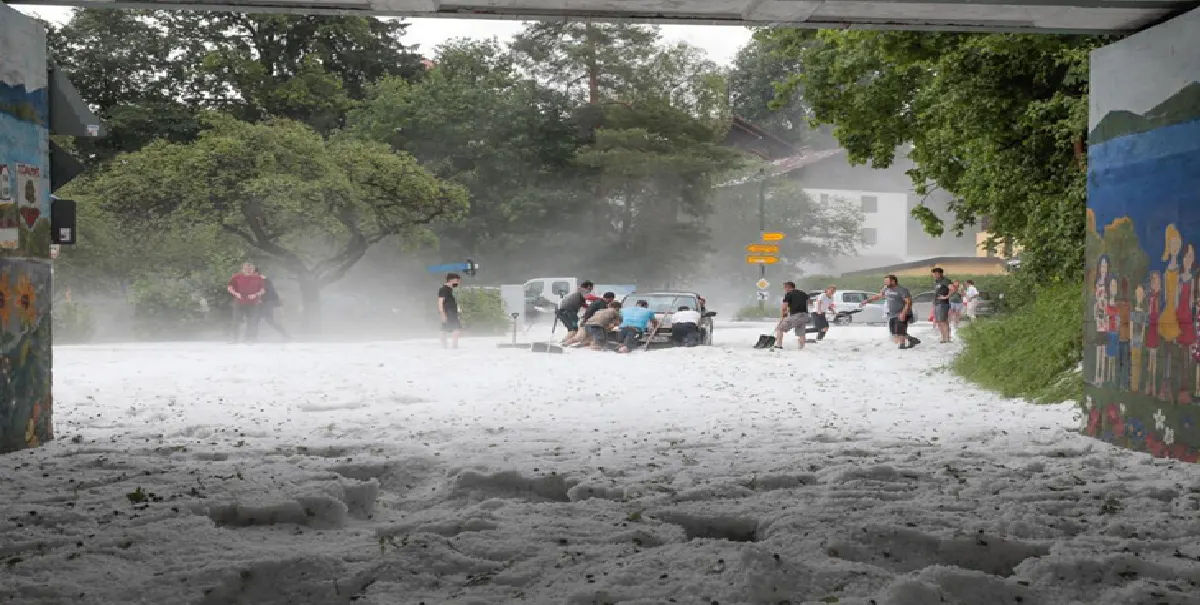
Germany Hit by Severe Thunderstorms: Heavy Rain, Strong Winds, and Tennis Ball-Sized Hail
Germany has been affected by a wave of severe thunderstorms, bringing torrential rainfall, powerful wind gusts, and unusually large hailstones to several parts of the country. The extreme weather has caused widespread disruption, damaged property, affected transportation, and prompted weather authorities to issue warnings for residents to stay indoors and avoid unnecessary travel.
The storms are among the strongest weather events experienced in Germany this season, with meteorologists warning that changing atmospheric conditions continue to increase the risk of heavy rainfall, flash flooding, and damaging hail across parts of Central Europe.
What Happened?
A powerful weather system moved across Germany, producing intense thunderstorms capable of generating heavy rain, strong winds, lightning, and large hailstones. Some hailstones reportedly reached the size of tennis balls, making them large enough to damage vehicles, rooftops, windows, and crops.
The storms developed after warm, humid air collided with cooler air masses, creating unstable atmospheric conditions that fueled the rapid development of severe thunderstorms.
Residents in several regions experienced:
Heavy rainfall within a short period
Strong wind gusts
Frequent lightning
Large hailstones
Localized flash flooding
Traffic disruptions
Damage to homes and vehicles
Why Were the Storms So Severe?
Meteorologists explained that the combination of high temperatures, humidity, and an approaching cold weather front created ideal conditions for severe thunderstorms.
When warm air rises rapidly and meets colder air at higher altitudes, it forms large thunderclouds known as cumulonimbus clouds. These clouds can produce:
Heavy rain
Thunder and lightning
Strong downdrafts
Hailstorms
Tornadoes in rare cases
The stronger the updraft inside the storm cloud, the larger the hailstones can become before falling to the ground.
Torrential Rainfall Causes Flooding
One of the biggest concerns during the storms was the extremely heavy rainfall.
Several areas received large amounts of rain in a very short time, overwhelming drainage systems and causing:
Flash floods
Waterlogged roads
Overflowing drains
Basement flooding
Disruption to public transport
Flash flooding occurs when rainfall falls faster than the ground and drainage systems can absorb it.
Low-lying areas were particularly vulnerable.
Powerful Wind Gusts
Apart from heavy rain, the thunderstorms generated strong wind gusts capable of causing significant damage.
Powerful winds:
Uprooted trees
Broke tree branches
Damaged rooftops
Knocked down fences
Disrupted electricity supply in some areas
Strong winds also made driving dangerous, especially for trucks, buses, and motorcycles.
Tennis Ball-Sized Hail
One of the most unusual aspects of the storms was the very large hailstones.
Some hailstones were reported to be approximately the size of tennis balls, making them capable of causing serious property damage.
Large hail can damage:
Cars
House roofs
Solar panels
Windows
Crops
Greenhouses
People caught outdoors during such storms also face a risk of injury.
Impact on Transportation
The severe weather affected transportation across several regions.
Heavy rainfall reduced visibility for drivers, while flooded roads caused traffic delays.
Railway services also experienced disruptions due to:
Fallen trees
Waterlogged tracks
Signal problems
Safety inspections
Air travel may also face temporary delays during severe thunderstorms because of poor visibility and lightning.
Damage to Agriculture
Large hail and heavy rain can cause serious losses to farmers.
Possible agricultural impacts include:
Damaged wheat fields
Destroyed fruit crops
Vegetable losses
Broken greenhouse structures
Soil erosion
Farmers often face significant financial losses after severe hailstorms.
Emergency Services Respond
Emergency services across Germany remained on high alert.
Firefighters and rescue teams responded to numerous emergency calls involving:
Flooded homes
Fallen trees
Road accidents
Damaged buildings
Water pumping operations
Authorities advised residents to remain indoors until weather conditions improved.
Weather Warnings Issued
Germany's weather authorities issued severe weather warnings before and during the storms.
The warnings covered risks including:
Heavy rain
Thunderstorms
Strong winds
Large hail
Flash flooding
Residents were encouraged to follow official weather updates and emergency instructions.
Safety Advice for Residents
Authorities recommended several precautions during the severe weather:
Stay indoors whenever possible.
Avoid standing near windows during hailstorms.
Do not park vehicles under trees.
Avoid flooded roads and underpasses.
Disconnect sensitive electrical appliances during lightning storms if safe to do so.
Keep emergency supplies, flashlights, and mobile phones charged.
Follow official weather alerts and evacuation instructions if issued.
Why Large Hail Forms
Hail develops inside powerful thunderstorm clouds.
Water droplets are carried upward by strong winds, where temperatures are below freezing. The droplets freeze into ice.
As these ice particles move up and down inside the cloud, additional layers of ice build up.
Once the hailstones become too heavy for the storm's updraft to support, they fall to the ground.
Stronger storms produce larger hailstones.
Climate and Extreme Weather
Many climate experts note that while no single storm can be attributed solely to climate change, a warmer atmosphere can hold more moisture, increasing the likelihood of heavier rainfall and some types of extreme weather events.
Scientists continue to study how changing climate patterns influence the frequency and intensity of severe storms across Europe.
Economic Impact
Extreme weather events can result in significant financial losses.
Potential costs include:
Property repairs
Vehicle insurance claims
Infrastructure damage
Agricultural losses
Business interruptions
Road maintenance
Power restoration
Insurance companies often receive thousands of claims after major hailstorms.
Effects on Daily Life
Residents in affected areas experienced several disruptions:
School activities delayed
Traffic congestion
Flight delays
Train service interruptions
Power outages
Local business closures
Despite these disruptions, emergency services worked to restore normal conditions as quickly as possible.
What Happens Next?
Meteorologists continue to monitor weather conditions across Germany.
Additional thunderstorms may develop if warm and humid conditions continue.
Authorities will assess:
Damage to infrastructure
Crop losses
Insurance claims
Public safety
Road conditions
Cleanup operations are expected to continue in the affected areas.
Important Points
Germany experienced severe thunderstorms with heavy rain, strong winds, and very large hailstones.
Some hailstones were reported to be as large as tennis balls.
Heavy rainfall caused localized flash flooding and waterlogging.
Strong wind gusts damaged trees, buildings, and vehicles.
Transportation services faced delays due to poor weather conditions.
Emergency services responded to flooding, fallen trees, and storm-related incidents.
Weather authorities issued warnings urging residents to stay safe indoors.
Farmers may face crop losses because of hail and heavy rain.
The storms highlighted the increasing challenges posed by extreme weather events.
Officials continue to monitor conditions and assess the overall damage.
Conclusion
The severe thunderstorms that swept across Germany brought torrential rainfall, destructive winds, frequent lightning, and unusually large hailstones, creating hazardous conditions for millions of people. The storms disrupted transportation, damaged homes, vehicles, and agricultural land, and required a large-scale response from emergency services. While Germany is accustomed to seasonal thunderstorms, the intensity of this event highlights the importance of weather preparedness, public awareness, and timely emergency warnings. As authorities continue cleanup and damage assessments, residents are encouraged to remain alert, follow official weather advisories, and take necessary precautions during future severe weather events.
Tags:
Related Posts