Delhi University Announces ECA Admission Trials Beginning July 16
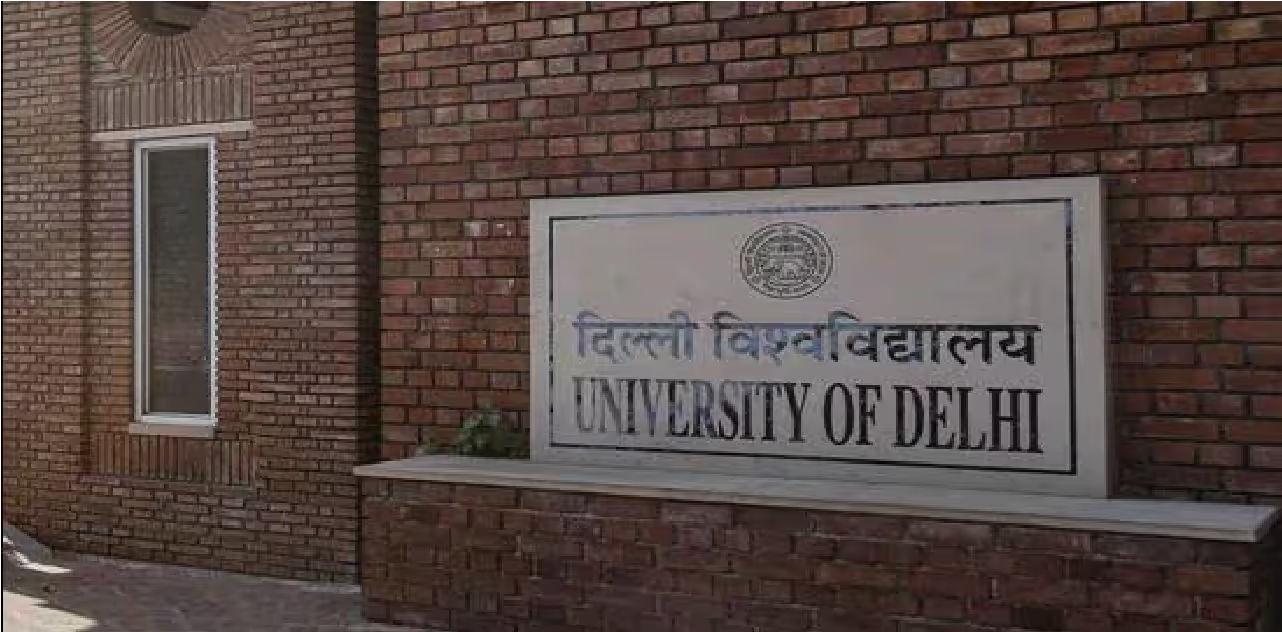
Delhi University Releases Final ECA Trial Schedule; Physical Assessments Begin July 16 for Undergraduate Admissions
New Delhi: Delhi University (DU) has officially announced the final schedule for the Extra-Curricular Activities (ECA) quota trials for undergraduate admissions, marking the beginning of an important phase in the university's admission process. Physical assessments will commence on July 16, with thousands of aspirants expected to participate across multiple categories, including dance, music, theatre, debate, fine arts, digital media, yoga, quiz, and creative writing.
The ECA quota provides a valuable opportunity for students who have demonstrated exceptional talent in cultural, artistic, literary, and other extracurricular fields. Through this quota, Delhi University offers supernumerary seats, allowing talented students to secure admission without affecting the regular intake of academic seats.
The university has also advised candidates, particularly those travelling from outside Delhi, to carefully check their trial schedules and make travel and accommodation arrangements well in advance. Importantly, DU has clarified that no separate email or SMS notifications will be sent regarding trial dates, making it essential for applicants to regularly visit the official admission portal.
Physical ECA Trials to Begin on July 16
Delhi University's ECA quota trials will officially begin on July 16, with several categories scheduled for assessment on the opening day. Students will undergo practical evaluations conducted by expert panels at designated nodal colleges across the university.
The first day of trials includes categories such as:
Dance
Debate
Theatre
Vocal Music
Other categories including Yoga, Quiz, Fine Arts, Digital Media, and Creative Writing have been scheduled over the following days according to a category-wise timetable.
To ensure smooth management of thousands of applicants, the university has assigned specific reporting slots for candidates. This staggered reporting system aims to reduce overcrowding and improve the efficiency of the assessment process.
What Is the ECA Quota?
The Extra-Curricular Activities (ECA) quota is a special admission category under Delhi University that recognises students for achievements beyond academics.
Instead of relying solely on board examination marks or entrance-based rankings, the university evaluates applicants based on their demonstrated excellence in recognised extracurricular disciplines.
Under this quota, eligible students compete for supernumerary seats, meaning these admissions do not reduce the number of seats available under the regular admission process.
The quota encourages students to continue pursuing excellence in:
Performing Arts
Music
Sports-related Cultural Activities
Creative Arts
Literary Competitions
Digital Media
Public Speaking
Community and Cultural Engagement
For many talented students, the ECA quota serves as an alternative pathway into one of India's most prestigious universities.
Fourteen Categories Covered Under the ECA Quota
Delhi University has organised ECA admissions across 14 broad categories, each containing several specialised subcategories.
These categories include:
Dance
Music
Theatre
Debate
Fine Arts
Digital Media
Creative Writing
Quiz
Yoga
Divinity
National Cadet Corps (NCC)
National Service Scheme (NSS)
Other recognised extracurricular disciplines approved by the university.
Each category follows separate evaluation criteria depending on the nature of the activity.
Detailed Dance Trial Categories
One of the largest participation categories every year is Dance.
The dance assessments will be conducted at Bharati College, where candidates will perform before an expert evaluation committee.
The university has divided dance into several specialised disciplines:
Indian Classical Dance
Indian Folk Dance
Western Dance
Choreography
Judges are expected to assess:
Technical skills
Rhythm
Expression
Stage presence
Creativity
Overall performance quality
Candidates are expected to carry any required music tracks or performance materials according to the university guidelines.
Vocal Music Assessments
Students applying under the Vocal Music category will appear for trials at Mata Sundri College for Women.
The university has divided this category into:
Indian Classical Vocal
Indian Light Vocal
Western Classical Vocal
Western Light Vocal
Evaluation panels will assess:
Voice quality
Pitch accuracy
Musical expression
Rhythm
Overall presentation
Music has traditionally attracted a large number of applicants under the ECA quota.
Extensive Instrumental Music Categories
Delhi University has announced one of its most comprehensive instrumental music assessment schedules.
The trials will take place at Sri Aurobindo College (Day).
The instruments included are:
Tabla
Mridangam
Dholak
Pakhawaj
Harmonium
Indian Flute
Sitar
Indian Violin
Sarod
Drums
Western Flute
Saxophone
Lead Guitar
Bass Guitar
Western Violin
Keyboard
Candidates will perform before subject experts who will evaluate both technical proficiency and artistic expression.
Digital Media Gains Increasing Importance
Recognising the growing significance of digital creativity, Delhi University has expanded opportunities under the Digital Media category.
Trials will be conducted at Maharaja Agrasen College.
The category includes:
Photography
Filmmaking
Animation
Participants may be evaluated based on portfolios, technical understanding, storytelling ability, creativity, and originality depending on university guidelines.
The inclusion of digital media reflects the increasing relevance of creative technology in higher education.
Fine Arts Evaluation
Candidates interested in visual arts will appear for trials at Atma Ram Sanatan Dharma College.
The Fine Arts category includes:
Sketching
Painting
Sculpture
Experts will assess:
Creativity
Composition
Drawing skills
Artistic techniques
Conceptual thinking
Students are advised to review the list of permitted materials before arriving for the assessment.
Category-Wise Trial Venues
Delhi University has designated specific colleges as nodal centres for each category to streamline the evaluation process.
The venue allocation is as follows:
Dance – Bharati College
Debate – Ramjas College
Theatre – Miranda House
Vocal Music – Mata Sundri College for Women
Instrumental Music – Sri Aurobindo College (Day)
Creative Writing – Hansraj College
Digital Media – Maharaja Agrasen College
Fine Arts – Atma Ram Sanatan Dharma College
Divinity – Rajdhani College
Quiz – Zakir Hussain Delhi College (Evening)
Yoga – PGDAV (Evening) College
Each college has been assigned according to available infrastructure and subject expertise.
Special Provision for NCC and NSS Applicants
Unlike other ECA categories, applicants under:
National Cadet Corps (NCC)
National Service Scheme (NSS)
will not undergo physical trials.
Instead, their evaluation will be based on:
Certificates
Participation records
Achievements
Document verification
University-approved assessment criteria
This simplifies the admission process for students participating in these nationally recognised programmes.
Important Advisory for Candidates
Delhi University has issued several important instructions for applicants.
The university has clearly stated that:
No email alerts will be sent.
No SMS reminders will be issued.
Candidates are solely responsible for checking:
Trial dates
Reporting times
Venue details
Category schedules
on the official Delhi University admission portal.
Failure to appear at the designated time may affect the candidate's admission prospects.
Travel Advice for Outstation Students
Since many applicants travel from different parts of India, Delhi University has advised students to:
Book travel tickets in advance
Reserve nearby accommodation
Reach the venue before reporting time
Carry all required documents
Plan transportation within Delhi
The advisory aims to minimise delays caused by travel disruptions or unfamiliarity with the city.
ECA Marks to Be Released Around July 25–26
Following the completion of physical trials, Delhi University plans to publish ECA evaluation marks on the admission portal around July 25 or July 26.
Candidates will be able to:
View their scores online
Check category-wise evaluation
Verify marks awarded by the assessment committee
This online publication improves transparency in the admission process.
Grievance Window for Candidates
Delhi University has also announced a 2–3 day grievance period after marks are released.
During this period, students can:
Raise objections regarding their evaluation
Report discrepancies
Seek clarification on assessment
Request review as per university rules
The grievance mechanism ensures that candidates have an opportunity to address genuine concerns before admissions are finalised.
Admissions to Be Completed Before Academic Session Begins
The ECA admission process has been carefully scheduled so that all evaluations and grievance handling conclude before the start of the new academic session.
Delhi University's academic session is scheduled to begin on July 28.
Completing ECA admissions before classes begin allows successful candidates to start their university education without administrative delays.
Why the ECA Quota Is Important
The ECA quota reflects Delhi University's commitment to recognising holistic talent, not just academic performance.
Many students devote years to mastering:
Classical dance
Music
Fine arts
Photography
Public speaking
Writing
Theatre
The quota rewards these achievements by offering an alternative admission pathway.
For students who may narrowly miss admission through academic merit alone, outstanding extracurricular achievements can significantly strengthen their chances of securing a seat.
Benefits of the Structured Trial System
Delhi University's organised category-wise trial schedule offers several advantages:
Reduced crowding at venues
Better management of candidate flow
Fair and transparent evaluations
Expert assessment panels
Clearly defined reporting slots
Efficient coordination across colleges
The nodal college system also ensures that each discipline is evaluated in an environment equipped for that specific activity.
Possible Future Improvements
Education experts believe the university could further strengthen the ECA admission process in future years by:
Publishing individual reporting slots earlier
Providing more preparation time for candidates
Introducing digital check-in systems
Offering real-time schedule updates
Enhancing online communication regarding trial guidelines
Further improving transparency during evaluations
Such improvements could make the admission process even more student-friendly while maintaining fairness.
Conclusion
The release of Delhi University's final ECA trial schedule marks a significant milestone in the undergraduate admission process for the 2026–27 academic session. Beginning July 16, thousands of talented students from across India will showcase their abilities in disciplines ranging from dance and music to theatre, digital media, fine arts, debate, yoga, and creative writing.
With physical assessments, category-wise scheduling, designated nodal colleges, online publication of marks around July 25–26, and a dedicated grievance window, Delhi University has created a structured and transparent admission framework for extracurricular talent.
Applicants are strongly advised to regularly monitor the official admission portal, follow their assigned schedules carefully, arrange travel in advance, and arrive fully prepared for their assessments. For many aspiring students, success in these trials could open the door to studying at one of India's most prestigious universities while continuing to pursue the passions and talents that define them beyond the classroom.
Important Highlights
Delhi University has released the final ECA quota trial schedule for undergraduate admissions 2026.
Physical ECA quota trials will begin from July 16, 2026.
The ECA quota offers supernumerary seats across 14 extracurricular categories.
Candidates must check the official DU admission portal, as no email or SMS notifications will be sent.
Outstation candidates are advised to book travel and accommodation in advance.
Category-wise trials will be held at designated nodal colleges across Delhi University.
Dance, Debate, Theatre, and Vocal Music trials are scheduled to begin on the first day.
ECA evaluation marks are expected to be published around July 25–26.
A 2–3 day grievance window will be available after the marks are released.
The new academic session at Delhi University is scheduled to begin on July 28.
Important Trial Venues
Dance – Bharati College
Debate – Ramjas College
Theatre – Miranda House
Vocal Music – Mata Sundri College for Women
Instrumental Music – Sri Aurobindo College (Day)
Creative Writing – Hansraj College
Digital Media – Maharaja Agrasen College
Fine Arts – Atma Ram Sanatan Dharma College
Quiz – Zakir Hussain Delhi College (Evening)
Yoga – PGDAV (Evening) College
Divinity – Rajdhani College
Important Category Details
Dance includes Indian Classical, Indian Folk, Western, and Choreography.
Vocal Music includes Indian Classical & Light and Western Classical & Light.
Instrumental Music covers 16 instruments, including Tabla, Sitar, Harmonium, Guitar, Keyboard, and Saxophone.
Digital Media includes Photography, Filmmaking, and Animation.
Fine Arts includes Sketching, Painting, and Sculpture.
Important Admission Process
NCC and NSS applicants will not undergo physical trials.
Their evaluation will be based on certificates and other approved criteria.
Candidates must report according to their allotted time slots to avoid crowding.
Failure to appear on the scheduled date may affect admission under the ECA quota.
Important Advice for Candidates
Regularly check the official DU admission portal for updates.
Carry all required documents and certificates on the trial day.
Reach the venue before the reporting time.
Arrange accommodation near the trial venue if travelling from outside Delhi.
Use the grievance window if you notice any discrepancy in your evaluation marks.
Tags:
Related Posts