Are Russian Tourists Still Welcome in Europe? ‘You Can’t Blame Every Russian Alike’
EU Visa Curbs on Russians: Europe Debates Ban on Luxury Trips Amid Ukraine War
Europe Moves to Tighten Russian Tourist Travel
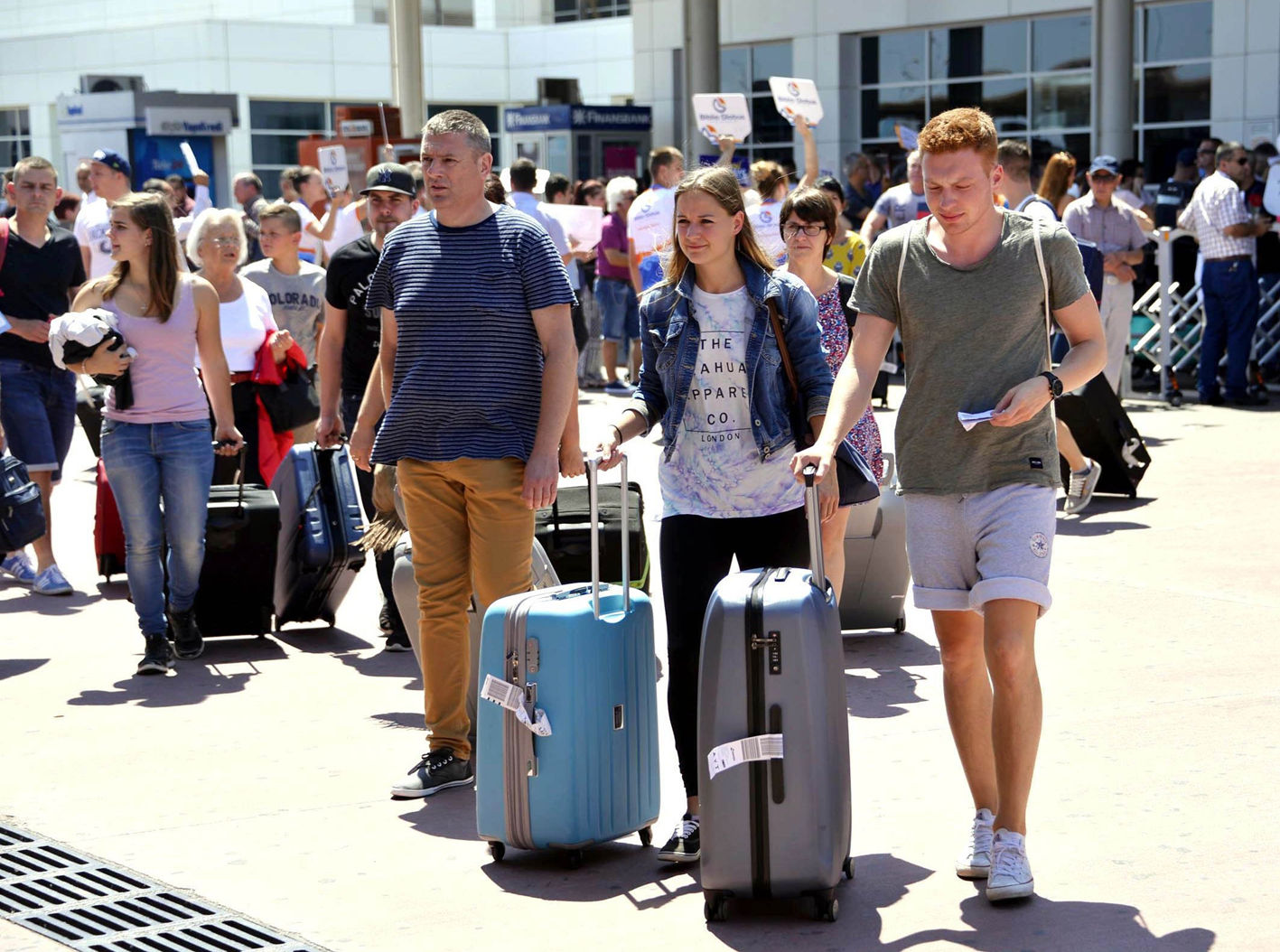
The European Union is once again debating stricter travel restrictions on Russian citizens as the war in Ukraine continues. Several European countries want tougher rules on tourist visas, especially multi-entry Schengen visas, which allow travellers to enter the EU multiple times during the validity of the visa. The demand is mainly aimed at stopping wealthy Russian tourists from travelling to Europe for shopping, holidays and luxury weekends while Ukraine continues to face Russian attacks.
Sweden Leads the Push for Tougher Visa Rules
The latest push has been led by Sweden. Swedish Migration Minister Johan Forssell argued in Luxembourg that Russian citizens should not be allowed to enjoy luxury travel in Europe at a time when Ukrainian civilians and soldiers are dying because of Russia’s invasion. Sweden wants a stricter and more uniform visa policy across the European Union so that Russian tourists cannot use more relaxed rules in some countries to enter the Schengen area.
Netherlands Backs Sweden’s Demand
The Netherlands has agreed with Sweden’s request for tougher visa restrictions. Dutch officials believe that the EU is currently sending a mixed message by allowing tourist visas for Russian citizens while also imposing sanctions on Russia. The Netherlands has not issued tourist visas to Russian citizens since March 2022, shortly after Russia launched its full-scale invasion of Ukraine. However, Russians are still entering the Schengen zone through countries that continue to issue visas.
Some European Countries Are Already Stricter
Several European and Schengen countries have supported tighter restrictions on Russian tourist travel. These include the Czech Republic, Denmark, Estonia, Finland, Lithuania, Latvia, Poland, Norway and Iceland. These countries argue that tourism is not a basic right but a privilege, especially during wartime. They say Europe should not welcome Russian tourists for leisure while Russia continues its aggression against Ukraine.
France, Italy and Spain Under Scrutiny
Although some countries have adopted strict rules, others such as France, Italy and Spain have been more open to Russian visitors. This has created an uneven situation in the Schengen area. Since a Schengen visa issued by one member country can allow travel across much of Europe, Russian citizens may still enter the EU through countries with softer visa policies. This is one of the main reasons why Sweden and its supporters are demanding EU-wide action.
Debate Over Multi-Entry Visas
The focus of the current debate is on multi-entry visas. These visas allow people to enter and leave the Schengen area many times without applying for a new visa each time. Critics say such visas make it easier for wealthy Russians to travel regularly to Europe for shopping trips, holidays, business visits and luxury stays. Supporters of the restriction argue that the EU should stop offering this convenience to Russian citizens while the war continues.
Russian Visa Applications Remain High
Despite the war and existing restrictions, a large number of Russian citizens have continued to apply for Schengen visas. According to migration-related figures cited in the debate, hundreds of thousands of visa applications from Russians were recorded in 2025. This has strengthened the argument of countries demanding stricter controls. They believe the number shows that Russian citizens are still using Europe as a travel destination despite the political and security situation.
European Commission Considers Entry Ban for Russian Soldiers
Apart from tourist visa restrictions, the European Commission is also considering an entry ban on Russians who have served in the Russian army since the beginning of the war in Ukraine. The idea is to prevent people linked to Russia’s military campaign from entering the European Union. This proposal is connected to wider concerns about security, accountability and the moral message Europe wants to send during the war.
Security Concerns Behind the Proposal
Supporters of the proposed ban say it is not only about politics but also about security. They argue that Russian soldiers or former soldiers who took part in the war may pose a risk if allowed to enter Europe freely. Some campaigners and experts say it is difficult for ordinary citizens in Europe to feel safe if people who may have been involved in war crimes can travel freely across the continent. This concern has become more serious as the war has dragged on.
Difficulty in Identifying War Participants
However, one of the biggest challenges is how to identify who has actually served in the Russian army since the war began. Russian military service records may not be easy for European authorities to verify. Some Russians may hide their military background, while others may have been forced into service. This makes implementation complicated. European governments would need a strong screening mechanism to distinguish between former soldiers, ordinary citizens, dissidents, refugees and people linked to the Kremlin.
Russian Opposition Groups Support Targeted Measures
Some Russian activists living in Europe say stricter visa measures are understandable, especially from a security point of view. However, they also argue that Europe should not punish all Russians in the same way. Many Russians have opposed the war, fled political repression, or supported Ukraine. For such people, access to Europe can be a matter of safety, not tourism. This is why activists are calling for targeted restrictions rather than a blanket punishment.
“Do Not Judge All Russians Alike”
A key argument in the debate is that all Russians should not be treated as supporters of President Vladimir Putin’s war. Russia experts and civil society groups say Europe must learn to distinguish between Russians who support the Kremlin and those who oppose it. Critics of a broad visa ban warn that treating all Russian citizens as enemies may push ordinary Russians closer to the Putin regime and strengthen anti-Western propaganda inside Russia.
Tourism Seen as a Luxury Product
Migration experts say tourism can be viewed as a luxury product. Europe has already placed restrictions on many Russian goods and business links because of the war. In that sense, limiting tourism is seen by some as another form of pressure on Russia. The message is clear: Europe does not agree with Russia’s actions in Ukraine and does not want to reward citizens of the aggressor state with normal holiday access.
Risk of Counterproductive Impact
At the same time, experts warn that visa restrictions may have unintended consequences. If ordinary Russians feel rejected by Europe, the Kremlin could use this to claim that the West is hostile to all Russian people. This may increase domestic support for Putin’s government. Therefore, some analysts say visa restrictions should be carefully designed so that they target the right groups without closing the door completely to anti-war Russians, journalists, artists, students and human rights defenders.
Kremlin Says Restrictions Will Not Change Its Position
Russian officials have dismissed the idea that visa restrictions will influence Moscow’s policy. Some Russian politicians say that Russians can travel within their own country and do not need Europe for holidays. According to this view, restricting Schengen visas will not force the Kremlin to change its approach to Ukraine. However, European supporters of the move say the aim is not only to change Moscow’s policy immediately but also to send a political and moral message.
Concerns Over Putin’s Elite
Another major issue is the continued presence of wealthy Russians and Kremlin-linked elites in Europe. Critics argue that many powerful Russians, including officials and their family members, already have residence permits, second citizenships or property in European countries. This raises questions about whether visa restrictions on ordinary travellers will be enough. Some say Europe must focus more strongly on identifying and blocking those directly connected to Putin’s power structure.
Example of Russian Influencers in Europe
The debate has also been fuelled by examples of pro-Kremlin Russian public figures travelling in Europe. Reports mention Russian influencers and wealthy individuals who support the war yet continue to enjoy luxury hotels, shopping and tourism in European cities. Such cases create anger among Ukrainians and their supporters, who see this as deeply unfair while Ukraine is suffering missile strikes, occupation and battlefield losses.
Dutch Immigration System Also Questioned
The Netherlands is facing questions about how its immigration system handles Russian applicants. Critics say the authorities sometimes fail to properly distinguish between pro-Kremlin Russians and anti-war Russians. A recent case involving a Kremlin-critical Russian artist, who reportedly faced visa refusal concerns, has raised questions in parliament. Experts say immigration officials need better knowledge of Russia’s political situation to make fair and accurate decisions.
Balancing Security and Human Rights
The central challenge for the European Union is finding the right balance. On one side, there is a strong demand to protect Europe’s security, punish Russia politically and show solidarity with Ukraine. On the other side, Europe must also protect human rights and offer refuge to Russians who genuinely oppose the war or face danger in Russia. A broad ban may be simpler to communicate, but a targeted system may be fairer and more effective.
What the Proposal Means for Russian Tourists
If stricter rules are adopted across the EU, Russian tourists may find it harder to obtain Schengen visas, especially multi-entry visas. They may have to apply more frequently, provide stronger documentation and face tougher checks. Those linked to the Russian military or the Kremlin may be refused entry altogether. However, exceptions may continue for close family members, humanitarian cases, dissidents, journalists and others who have a valid reason to enter Europe.
Why Ukraine Supporters Welcome the Move
For Ukraine and its supporters, the proposal is a matter of justice and solidarity. They argue that it is morally wrong for Russians to enjoy European holidays while Ukrainian cities are being bombed and Ukrainian soldiers are dying at the front. From this perspective, visa restrictions are part of the broader pressure campaign against Russia, along with sanctions, oil restrictions, asset freezes and military support for Ukraine.
Conclusion
The debate over Russian tourist visas shows how deeply the Ukraine war has changed Europe’s approach to travel, security and diplomacy. What was once seen as a normal administrative issue has now become a political and moral question. Sweden and several other countries want the EU to stop issuing easy travel access to Russian tourists, especially multi-entry visas. The Netherlands supports this approach, while experts warn that Europe must still distinguish between Kremlin supporters and Russians who oppose the war. The final decision will show whether the EU chooses a broad restriction, a targeted ban, or a combination of both. What is clear is that Russian tourism in Europe is no longer being treated as ordinary travel; it has become part of the wider conflict between Europe, Russia and Ukraine.
Related Posts