Water Meter Installation Programme Approved
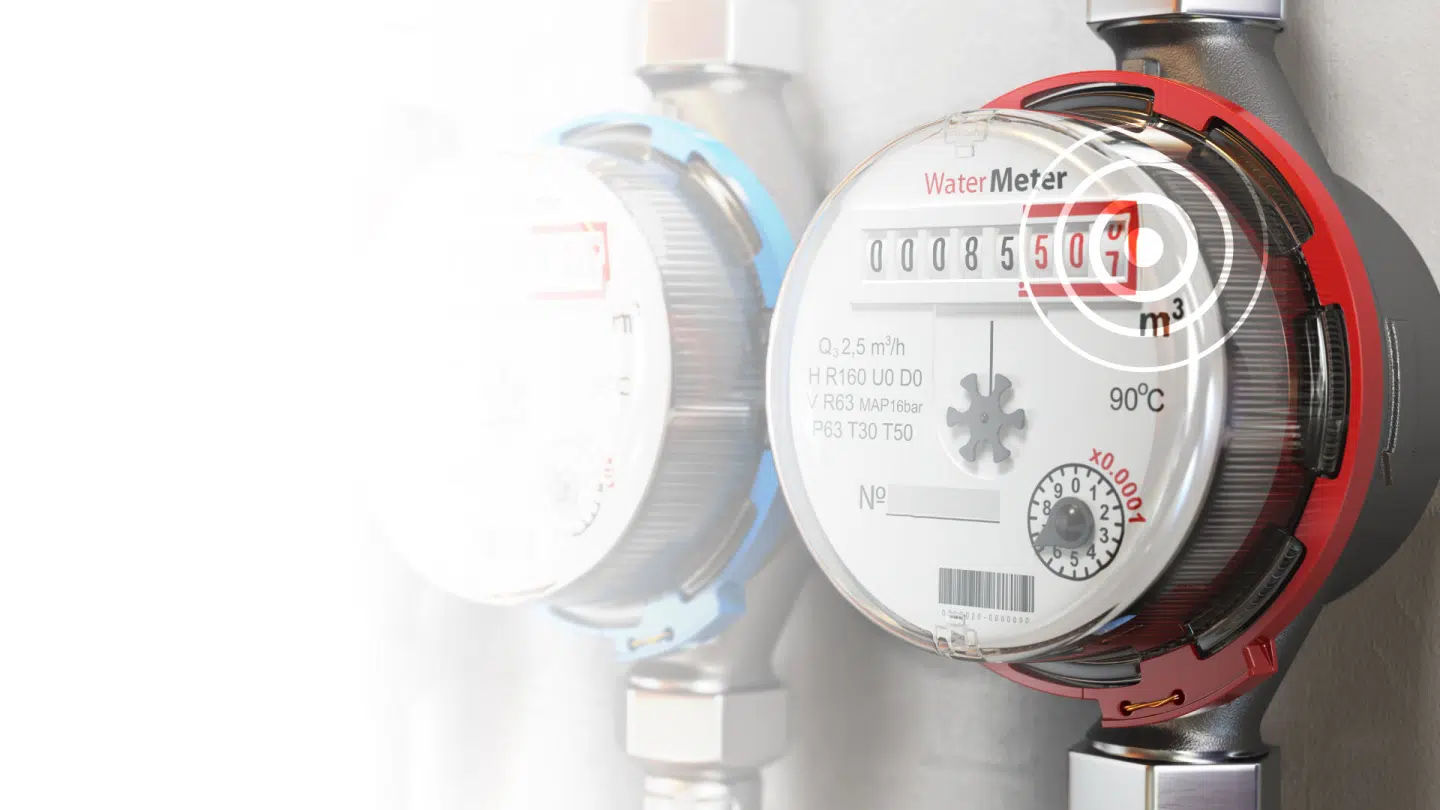
Hamilton Water Meter Rollout Confirmed: IAWAI Announces Four-Year Plan to Improve Water Efficiency and Control Costs
Introduction
Regional water company IAWAI has officially confirmed a major four-year rollout of water meters across Hamilton, marking one of the most significant changes to water management in the region in recent years. The initiative is expected to improve water conservation, provide greater visibility into household water use, and help control future costs associated with water services.
The announcement comes as New Zealand faces increasing pressure on water infrastructure, growing populations, and stricter environmental requirements. According to IAWAI, introducing water meters is considered a critical step toward ensuring the long-term sustainability of Hamilton’s water supply.
The project is expected to begin with a large-scale trial in 2027 before expanding into a citywide implementation program over several years.
What Is IAWAI?
IAWAI is a council-owned water services company responsible for managing water and wastewater services across the Hamilton City Council and Waikato District Council regions.
The organization was established in 2025 as part of efforts to create a more efficient and coordinated approach to delivering water services. By combining resources and expertise, IAWAI aims to improve service quality while aligning with national government policies concerning water infrastructure and environmental management.
The company is tasked with ensuring reliable water supply, wastewater treatment, and infrastructure planning for thousands of households and businesses throughout the region.
Why Hamilton Is Introducing Water Meters
One of the biggest differences between Hamilton and many other New Zealand communities is the absence of residential water meters.
While commercial properties in Hamilton already use approximately 4,000 water meters, residential households currently do not have individual meters installed.
In contrast, residential and commercial properties throughout the Waikato District already operate under metered water systems.
According to IAWAI Chief Executive Peter Winder, the lack of residential water meters has contributed to higher levels of water consumption compared with other regions.
He argues that metering provides a practical mechanism for encouraging responsible water use while helping authorities identify leaks and inefficiencies within the network.
Hamilton Residents Use Significantly More Water
One of the most striking statistics highlighted by IAWAI is the level of water consumption in Hamilton.
The company reports that Hamilton households use approximately 50 percent more water per person than households in Tauranga.
This substantial difference has raised concerns among water planners and environmental experts.
If current consumption trends continue, Hamilton could reach the limits of its water extraction consent within the next decade.
Water extraction consents regulate how much water can legally be taken from rivers, lakes, or groundwater sources. Exceeding those limits could create serious challenges for future urban growth and water security.
According to Peter Winder, reducing consumption through water metering is one of the most effective ways to avoid reaching those limits.
Environmental Benefits of Water Metering
Water meters are increasingly viewed as a key environmental management tool.
When consumers can see how much water they are using, they tend to become more conscious of their consumption habits. International studies have consistently shown that metered households generally use less water than unmetered households.
The environmental benefits include:
Reduced Water Waste
Meters help households identify unusually high water usage that may indicate hidden leaks.
Conservation of Natural Resources
Lower water consumption reduces pressure on rivers, reservoirs, and groundwater systems.
Improved Sustainability
Conserving water today helps ensure adequate supplies for future generations.
Reduced Infrastructure Strain
Lower demand can delay or eliminate the need for expensive upgrades to water treatment and distribution systems.
For Hamilton, these benefits are particularly important as population growth continues to place increasing demands on water resources.
Financial Advantages for Residents
While some residents may initially worry about the costs associated with water meters, IAWAI argues that the long-term financial benefits outweigh the upfront investment.
Peter Winder emphasized that failing to introduce water meters would ultimately result in significantly higher costs for households.
Without metering, rising water demand would require additional infrastructure investments, including:
Expanded treatment facilities
New pipelines
Increased pumping capacity
Additional water storage facilities
These projects often cost hundreds of millions of dollars and are typically funded through rates or service charges.
By reducing demand through conservation, water meters can help postpone or reduce the need for such expensive developments.
Understanding the $155 Million Project Budget
The water meter rollout represents a substantial investment.
IAWAI has estimated a total "whole-of-life" cost of approximately $155 million over a 15-year period.
The budget includes several major components:
Network Development
Building the technology infrastructure required to support a citywide metering system.
Meter Procurement
Purchasing thousands of water meters for installation throughout Hamilton.
Installation Costs
Physical installation of meters at residential properties.
Management Systems
Developing billing, monitoring, and customer service platforms.
Ongoing Maintenance
Regular servicing, repairs, replacements, and system upgrades.
Operational Costs
Managing the metering network and customer accounts over the project's lifespan.
Although the figure appears large, IAWAI believes the long-term savings generated through improved efficiency and reduced water demand justify the investment.
Large-Scale Trial Scheduled for 2027
Before a full rollout begins, IAWAI plans to conduct a large-scale trial in 2027.
The trial will allow the company to:
Test installation processes
Evaluate customer experiences
Identify operational challenges
Refine billing systems
Measure water-saving outcomes
Results from the trial will help shape the wider rollout strategy and ensure the program operates effectively once implemented across the city.
Pilot programs are commonly used in major infrastructure projects to reduce risks and improve implementation success.
Public Reaction Remains Mixed
As with many significant infrastructure initiatives, public reactions to the water meter proposal have been divided.
Supporters argue that water meters encourage fairness because households pay according to their actual usage rather than sharing costs equally regardless of consumption.
They also believe metering encourages conservation and helps address long-term sustainability concerns.
However, some residents remain concerned about potential increases in household bills and the overall cost of the program.
Questions have also been raised regarding affordability for larger families and lower-income households.
Taxpayers’ Union Supports Metering but Issues Warning
The New Zealand Taxpayers' Union has broadly supported the concept of water metering.
James Ross, Head of Policy and Legislative Affairs for the organization, described water meters as a smart tool that provides valuable feedback to consumers regarding their water use.
According to Ross, this type of information helps overcome inefficiencies that often exist within large bureaucratic systems.
However, he also issued a warning.
Ross cautioned that water meters should not be used primarily as a mechanism for increasing revenue from residents.
Instead, any savings generated through improved efficiency should be reflected in lower overall costs.
Concerns Over Rising Household Costs
The Taxpayers' Union has expressed concerns regarding water-related charges across New Zealand.
According to Ross, some councils have transferred water services to separate entities, yet residents have not always seen corresponding reductions in their rates bills.
He argues that households should benefit financially from efficiency improvements rather than facing additional charges.
The organization has also raised concerns that some regions are preparing significant increases in water-related costs that exceed previous consultation expectations.
These concerns are likely to remain part of the public debate as Hamilton's metering program progresses.
The Future of Water Management in New Zealand
Hamilton's decision reflects a broader trend occurring throughout New Zealand.
Many local authorities are increasingly adopting modern water management technologies to address challenges such as:
Population growth
Climate variability
Environmental protection
Infrastructure funding pressures
Water conservation requirements
Smart water meters are becoming an important part of these strategies because they provide accurate, real-time information about water consumption patterns.
This data can help utilities improve planning, identify leaks more quickly, and manage resources more effectively.
What Hamilton Residents Can Expect Next
Residents are unlikely to see immediate changes.
The project remains in its planning phase, with the first major trial expected in 2027.
Over the next few years, IAWAI is expected to:
Conduct public consultations.
Finalize technical specifications.
Establish supporting technology systems.
Begin trial installations.
Evaluate trial outcomes.
Commence phased citywide deployment.
Property owners will receive additional information as implementation schedules are finalized.
Conclusion
The confirmation of Hamilton's four-year water meter rollout marks a significant milestone in the region's approach to water management. Led by IAWAI, the project seeks to improve efficiency, reduce waste, and ensure long-term sustainability while helping manage future infrastructure costs.
Although the $155 million investment has generated debate, supporters argue that water metering is essential to avoid even greater costs in the future. With Hamilton residents currently using around 50 percent more water than those in Tauranga, the need for conservation measures has become increasingly urgent.
As the 2027 pilot project approaches, residents, policymakers, and industry experts will closely watch how the initiative develops. The success of Hamilton's program could ultimately influence how other New Zealand cities approach water management in the years ahead.
Related Posts