The Cost of a Broken Signal: Spain's Rail Tragedy Forces Transport Chief to Step Down
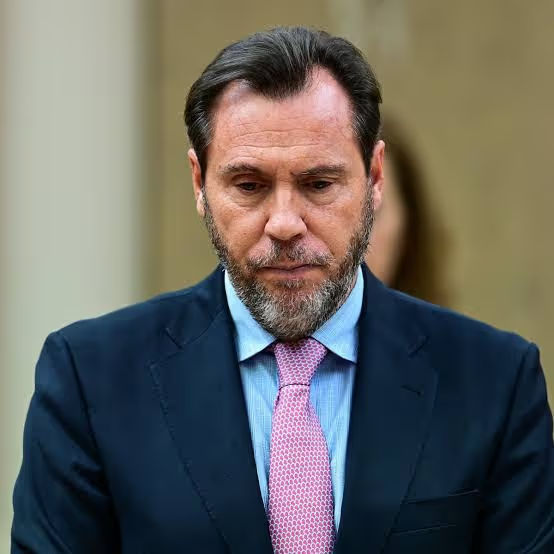
Spain's Transport Minister Óscar Puente has resigned following a devastating high-speed train collision that killed 69 people, taking political responsibility for a disaster that has shaken confidence in the country's railway network. His departure comes after a second deadly rail accident on the same major route within a single year, intensifying questions about safety systems, operational decisions and accountability.
Puente announced his decision during an appearance before lawmakers on November 3, six days after the October 28 collision near Urda in central Spain. He also confirmed that he would withdraw from the upcoming early general election scheduled for November 29.
The resignation marks a major political development for Prime Minister Pedro Sánchez's government, which is facing growing pressure to explain how two catastrophic railway accidents could occur within such a short period.
A Collision That Claimed 69 Lives
The disaster occurred on the Madrid-Seville high-speed railway line near the town of Urda, south of Madrid. A train operated by Spain's state-owned rail company Renfe collided with the rear of a stationary train operated by private company Iryo.
The collision killed 69 people and left more than 200 injured, according to reports. The impact caused serious damage to the trains, with several carriages derailing and rescue teams working through the wreckage to reach trapped passengers.
The sequence of events leading to the crash has placed the railway's signalling and communication systems under intense scrutiny. A reported failure in the automatic safety system caused trains on an affected section of the line to stop. Control of railway movements was then handled by operators at a central control centre in Madrid.
According to the account presented by Puente to lawmakers, the Renfe train was authorised to continue despite the Iryo train remaining stationary ahead on the track. Investigators have estimated that the collision occurred at a speed of approximately 160 to 200 kilometres per hour.
A Second Deadly Accident on the Same Railway Line
The October tragedy has become even more alarming because it was not the first deadly railway accident in Spain this year. In January, another serious crash on the same Madrid-Seville route, near Adamuz in Andalusia, killed 46 people.
The two accidents have intensified scrutiny of the country's high-speed rail infrastructure and raised concerns about whether maintenance, operational procedures and safety protections have kept pace with the demands placed on the network.
Spain has long been recognised for its extensive high-speed railway system. However, the back-to-back disasters have put its reputation under pressure, with passengers, railway workers and political opponents demanding clear answers about how the incidents occurred.
Why Óscar Puente Decided to Resign
Puente said he had made the decision to resign within minutes of learning about the October 28 disaster. However, he remained in office while the immediate emergency response was coordinated, preliminary investigations began and the first measures for railway safety and victim compensation were prepared.
Explaining his decision to lawmakers, Puente argued that a transport minister could not remain in office after two accidents of such severity within less than a year. He also withdrew his name from the candidate list for the November 29 early election.
His resignation followed mounting pressure from opposition parties and criticism from railway unions. Critics had questioned the government's handling of the disaster and demanded greater accountability from the transport ministry.
Prime Minister Pedro Sánchez praised Puente for his service, describing his departure as an act of political responsibility and acknowledging his focus on the victims.
Spain Announces New Railway Safety Measures
Before announcing his resignation, Puente outlined a series of measures intended to strengthen railway operations and reduce the possibility of another disaster. The government plans to review the affected route and introduce additional safeguards while work continues on improvements to the wider railway network.
The announced measures include:
- Reduced train services: Services on the Madrid-Seville line will be reduced while the Railway Safety Agency reviews the safety arrangements and the government works on completing the delayed European Rail Traffic Management System rollout.
- Lower speed during system failures: A 40 km/h speed limit will apply in situations where drivers have to rely on visually identifying obstacles ahead after a signalling failure.
- Additional railway personnel: The government plans to hire more staff and improve working conditions in railway control centres.
- Stronger operational checks: Decisions made when automatic safety systems are unavailable will face additional safeguards, including a second operator confirming certain instructions.
- AI-supported monitoring: Spain plans to introduce an artificial intelligence system designed to detect anomalies and monitor conversations between train drivers and control-centre operators.
- Digital railway monitoring: Authorities also plan to develop a real-time digital model of the railway network to improve monitoring and operational awareness.
The proposed AI system is intended to help identify unusual situations and reduce the likelihood of human error. However, its effectiveness will depend on how it is implemented and integrated into existing railway safety procedures.
Compensation for Victims and Their Families
Alongside the safety measures, the Spanish government has announced a €30 million aid package for the families of those killed and the people injured in the collision.
The proposed support includes direct financial assistance and advance compensation for bereaved families, alongside measures to speed up payments and improve coverage for people unable to work because of their injuries.
The government has also promised to double compulsory passenger insurance payouts for crash victims. These measures are intended to provide immediate assistance while the longer process of compensation and accountability continues.
Railway Workers Raise Concerns Over Safety and Working Conditions
The disasters have also intensified criticism from railway workers and unions, who have raised concerns about staffing levels, fatigue, working conditions and the use of degraded operating systems when normal safety technology is unavailable.
The train drivers' union Semaf has announced strike action at Renfe for November 10 and 12, citing concerns about railway safety and working conditions. Union representatives have argued that improving the network requires more than new technology and must also address the conditions under which railway employees operate.
These concerns have added another layer of pressure on the government as it attempts to restore public confidence in the railway system.
A Political Test for Spain's Government
Puente's resignation comes less than four weeks before Spain's early general election on November 29. The railway disasters have become a major issue in the political debate, with opposition parties demanding answers about infrastructure management, safety oversight and the government's response.
For Sánchez's administration, the challenge now extends beyond the departure of one minister. Authorities must establish exactly what happened, identify any failures in railway procedures and demonstrate that the proposed reforms can prevent similar tragedies.
The investigations into both accidents will remain central to public scrutiny. The government will also face the difficult task of rebuilding trust among passengers who rely on Spain's high-speed rail network every day.
What Happens Next?
The immediate priorities are the continuing investigation, support for victims and their families, and the implementation of the government's announced safety measures. The review of the Madrid-Seville line and the planned improvements to signalling and control-centre operations will be important steps in determining whether the railway system can operate safely.
Puente's departure represents a significant moment of political accountability, but it does not resolve the questions surrounding the collision. The central issue remains how a train was permitted to continue along a track where another train was stationary, and whether existing safeguards were sufficient to prevent the disaster.
For the families of the 69 people who lost their lives, the injured passengers and the wider Spanish public, the priority is not simply a change in political leadership. It is a credible explanation of what went wrong and meaningful action to ensure that such a tragedy does not happen again.
Keywords:
Related Posts