The Climate Debt Comes Due: World Leaders Face a Growing Divide Between Promises and Action at COP31
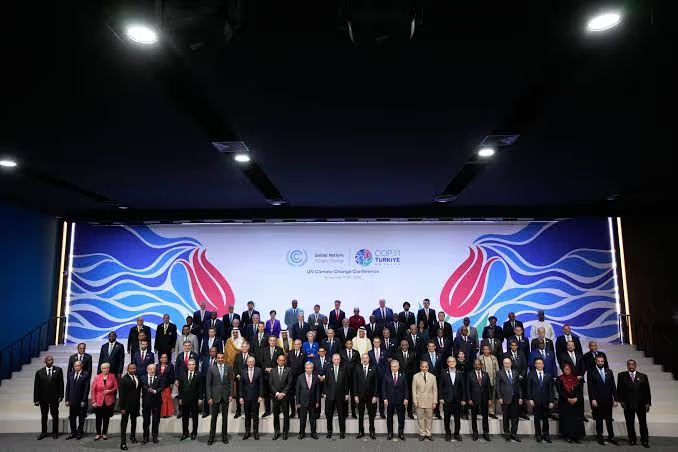
World leaders have gathered in Antalya, Türkiye, for a major United Nations climate summit amid growing frustration over the world's inadequate response to global warming. As representatives from vulnerable nations describe the devastating consequences of rising temperatures, United Nations Secretary-General António Guterres is demanding faster action, greater financial support for developing countries and stronger accountability for the fossil fuel industry. The central message emerging from the conference is increasingly difficult to ignore: climate commitments are not enough if governments fail to turn them into meaningful action.
The gathering has brought climate change back into the international spotlight at a time when geopolitical conflicts, economic uncertainty and energy security concerns are competing for governments' attention. Countries are facing pressure to reduce emissions while also dealing with the immediate consequences of extreme weather, including destructive floods, prolonged heatwaves, environmental degradation and the displacement of communities.
For nations with limited financial resources and high exposure to climate disasters, the discussions are about more than environmental targets. They concern national survival, economic stability, food security and the ability of communities to recover after disasters they have contributed relatively little to causing.
Key Developments at COP31
- Location: Antalya, Türkiye, where the United Nations climate conference is bringing together governments and international organisations.
- UN chief's demand: António Guterres called for a climate justice compact and faster action to move away from fossil fuels.
- Climate finance: Developing countries are demanding more accessible funding for adaptation, disaster recovery and clean energy transitions.
- Global warming: Current national climate plans still point towards warming of more than 2.5°C by the end of the century, according to the UN chief's assessment.
- Fossil fuel accountability: Guterres urged governments to make polluters pay and consider taxing extraordinary profits earned by major oil companies.
- Climate displacement: The International Organization for Migration reported that climate change displaced almost 30 million people during 2025.
- Major absences: The top leaders of China, the United States and India did not attend the summit.
- Methane emissions: Leaders highlighted methane reduction as an important opportunity to slow the pace of global warming.
- International disagreement: Negotiators continue to face difficult questions involving climate finance, emissions reductions and support for vulnerable countries.
Guterres Warns That the Climate Crisis Is Moving Faster Than Global Action
United Nations Secretary-General António Guterres delivered one of the strongest messages of the gathering, warning that the world is running out of time to respond effectively to climate change.
Addressing world leaders, he argued that the climate crisis is advancing faster than international efforts to contain it. He called for governments to move beyond political declarations and focus on practical measures capable of reducing emissions, protecting vulnerable communities and preparing societies for a warmer planet.
Guterres warned that even if countries fully implement their existing national climate plans, the world remains on a trajectory towards more than 2.5°C of warming by the end of the century.
This projection is significantly above the 1.5°C threshold that countries agreed to pursue under the 2015 Paris Agreement. Scientists have repeatedly warned that every additional fraction of warming increases the risks of severe heat, extreme rainfall, ecosystem damage and other climate-related impacts.
The UN chief stressed that crossing the 1.5°C threshold should not be treated as a reason to abandon climate action. Instead, he argued that governments must work harder to limit how far temperatures rise beyond the threshold and how long the world remains above it.
His message was directed at governments that continue to announce climate ambitions while failing to introduce policies capable of delivering the necessary reductions in greenhouse gas emissions.
A Climate Justice Compact for Developing Countries
One of the most significant proposals from Guterres was the creation of a new global climate justice compact designed to help developing countries transition away from fossil fuels while protecting communities already suffering from climate change.
The proposal addresses a longstanding disagreement in international climate negotiations. Wealthier industrialised nations have historically contributed a large share of greenhouse gas emissions, while many developing countries face some of the most severe consequences despite having fewer financial resources to respond.
Guterres argued that governments cannot reasonably be expected to transform their economies without receiving the financial and technological support needed to make that transition possible.
The proposed compact focuses on four main priorities:
- Accelerating the transition away from fossil fuels: Countries should develop national plans that expand renewable energy while protecting workers and communities affected by changes in the energy sector.
- Protecting vulnerable populations: Governments should strengthen early-warning systems, improve climate adaptation and provide faster assistance following environmental disasters.
- Delivering affordable climate finance: Wealthier countries should fulfil their financial commitments and ensure that more investment reaches developing nations.
- Strengthening international cooperation: Governments should work together to overcome trade barriers, technological inequalities and geopolitical disagreements that slow climate action.
The proposal reflects a growing demand for climate policies that recognise the different economic circumstances of countries. Developing nations argue that they should not be forced to choose between improving living standards and protecting the environment.
Guterres Targets Fossil Fuel Companies: "Polluters Must Pay"
The role of the fossil fuel industry has become one of the most contentious subjects surrounding the climate negotiations. Guterres accused powerful fossil fuel interests of delaying climate action and influencing public debate in ways that protect existing energy business models.
He argued that coal, oil and gas must eventually give way to cleaner energy sources if the world is to avoid the worst consequences of global warming. His remarks also placed responsibility on governments to ensure that companies benefiting from fossil fuel production contribute more towards addressing the damage associated with climate change.
The UN chief highlighted the financial imbalance between the earnings of major oil companies and the resources available to help vulnerable countries recover from climate-related losses.
According to figures he presented, the world's nine largest oil companies earned approximately $95 billion in a single quarter. By comparison, the international fund supporting countries affected by climate-related loss and damage had received around $600 million.
Guterres used the comparison to argue that governments should consider taxing extraordinary profits earned by fossil fuel companies and directing additional resources towards climate recovery and adaptation.
The proposal is politically sensitive because fossil fuel revenues remain important to many national economies. Several governments continue to depend on oil and gas exports, while others are concerned about energy prices, industrial competitiveness and the reliability of electricity supplies.
Nevertheless, the debate over corporate responsibility is becoming increasingly important as communities face rising costs from floods, storms, heatwaves and other climate-related disasters.
Vulnerable Nations Say Climate Change Is Already Destroying Lives
Leaders from countries facing immediate climate threats used the gathering to explain why stronger international action cannot be postponed.
Surangel Whipps Jr., president of Palau, described the destruction caused by climate change as a crisis imposed on communities that did little to create it. His remarks reflected the concerns of many small island nations, where rising sea levels, coastal erosion and damage to marine ecosystems threaten homes, livelihoods and national identity.
Small island states are particularly exposed because their economies and communities often depend on coastal areas, fisheries and marine ecosystems. Damage to coral reefs can affect food supplies, tourism and natural protection against powerful waves and storms.
Micronesian President Wesley Simina also warned that climate change was already causing irreversible losses to coral reefs that protect coastlines, support fisheries and sustain local communities.
Barbados Prime Minister Mia Mottley delivered a similarly urgent message. She argued that exceeding the 1.5°C threshold should not become an excuse for governments to accept higher levels of warming as inevitable.
Mottley described additional warming as a burden being transferred to future generations. She warned that even small increases in global temperatures can have serious consequences for coral reefs, agricultural production, villages and human lives.
Her comments reinforced a central concern among developing countries: delays in reducing emissions today create greater economic and environmental costs for people who will have to live with the consequences tomorrow.
Nepal's Climate Disaster Highlights the Human Cost of Global Warming
Nepal was also referenced during the discussions as an example of the devastating consequences that climate-related disasters can have on vulnerable communities.
Mottley pointed to the catastrophic flooding in Nepal, where more than 1,400 people were reported dead and thousands remained missing following the disaster. The reference highlighted the risks faced by mountainous countries where intense rainfall, unstable terrain and glacial environments can combine to create destructive floods.
Nepal is particularly exposed to climate-related hazards because of its geography. Its Himalayan mountain system contains glaciers, snow-fed rivers and steep valleys that support communities, agriculture and major infrastructure. Changes in temperature and precipitation patterns can increase pressure on these interconnected natural systems.
Glacial lake outburst floods, landslides, flash floods and extreme rainfall can cause sudden destruction, especially in settlements located near rivers and unstable mountain slopes.
The consequences extend beyond immediate casualties. Disasters can destroy roads, bridges, schools, agricultural land and drinking-water infrastructure, leaving communities struggling to recover long after the initial emergency has passed.
Nepal's vulnerability also raises questions about access to international climate finance. Countries facing substantial climate risks often lack the resources required to build resilient infrastructure, improve early-warning systems and support communities after major disasters.
The discussion at COP31 therefore has direct relevance for Nepal. Greater access to adaptation funding, disaster preparedness programmes and loss-and-damage assistance could help the country strengthen its ability to respond to future climate threats.
Climate Change Displaced Almost 30 Million People
The scale of human displacement caused by climate change was another major concern raised during the conference.
Amy Pope, director general of the International Organization for Migration, reported that climate change displaced almost 30 million people during 2025. She also warned that hundreds of millions more people live in areas that are not adequately prepared for future climate risks.
Climate-related displacement can happen when floods destroy homes, droughts undermine agricultural livelihoods, storms damage coastal settlements or extreme heat makes certain locations increasingly difficult to inhabit.
Some people are forced to leave their homes temporarily while disasters are unfolding. Others may face prolonged displacement when farmland, housing and essential infrastructure are damaged beyond immediate repair.
The effects are particularly difficult for poorer households, which often have fewer savings, limited access to insurance and less ability to relocate safely.
Climate displacement can also place additional pressure on cities and neighbouring regions as people search for employment, housing, education and essential services.
The figures presented at the summit underline why climate adaptation must include more than infrastructure projects. Governments also need policies that protect displaced families, support vulnerable workers and ensure that communities have access to essential services after disasters.
China, the United States and India Absent From the Summit
Despite the presence of more than 70 world leaders and senior government officials, the absence of leaders from three of the world's largest polluting countries became a major point of criticism.
China, the United States and India did not send their top national leaders to the summit. Together, the three countries account for more than half of global carbon dioxide emissions, making their participation particularly important to international efforts to reduce greenhouse gases.
The absence of these leaders raised questions about the level of political commitment among some of the world's most influential economies.
Climate campaigners argued that major economies should play a leading role in international negotiations rather than leaving smaller and more vulnerable countries to carry much of the public pressure for stronger action.
The United States was absent for the second consecutive year. President Donald Trump has repeatedly criticised climate policies and supported measures that have weakened several environmental protections and renewable energy initiatives.
European Commission President Ursula von der Leyen attended the gathering, although several major European national leaders were also absent.
The limited representation from some major economies creates a difficult diplomatic environment. Climate agreements require broad international cooperation, and the actions of countries responsible for large shares of emissions can significantly influence whether global targets remain achievable.
Brazil Pledges to Protect the Amazon
Brazilian President Luiz Inácio Lula da Silva used the gathering to defend international cooperation and highlight the importance of protecting the Amazon rainforest.
Lula warned that global attention was increasingly being diverted towards wars, trade disputes and geopolitical tensions. He argued that governments were spending more time discussing weapons and tariffs while the environmental challenges facing future generations continued to grow.
Brazil's role is especially important because the Amazon is the world's largest tropical rainforest and a major part of the global climate system. Its forests store enormous quantities of carbon and support an extraordinary range of plant and animal life.
Deforestation and land degradation threaten the rainforest's ability to store carbon and maintain regional rainfall patterns. Protecting the Amazon is therefore important not only for Brazil but also for international efforts to limit global warming and preserve biodiversity.
Lula pledged that Brazil would develop national roadmaps aimed at reducing dependence on fossil fuels and ending deforestation, building on the work associated with the previous climate summit.
His remarks also reflected a wider concern that international cooperation is becoming more difficult at a time when climate change requires governments to work across political and economic boundaries.
Methane Emerges as a Major Opportunity for Faster Climate Action
Alongside the debate over carbon dioxide and fossil fuel dependence, methane emissions received significant attention during the conference.
Methane is a powerful greenhouse gas released through activities including fossil fuel production, agriculture and the decomposition of organic waste. Although it remains in the atmosphere for a shorter period than carbon dioxide, it traps considerably more heat over the first two decades after its release.
The United Nations has described methane reduction as an important opportunity to slow the pace of global warming in the near term.
Guterres urged the UN Environment Programme to develop a global standard aimed at achieving near-zero methane emissions from oil and gas operations.
Satellite monitoring and artificial intelligence are already being used to identify methane leaks and alert governments and companies. These technologies can help locate emissions that might otherwise remain undetected for extended periods.
Julia Ferini, who leads the UN Environment Programme's International Methane Emissions Observatory, said the monitoring system had helped reduce emissions in 45 cases across 13 countries.
She highlighted an example in Iraq, where a damaged gas pipeline had been leaking methane for two years. The emissions were estimated to be equivalent to those produced by approximately 350,000 cars. The leak was eventually stopped by applying a coating to the damaged pipe.
The example demonstrates how targeted repairs and better monitoring can deliver practical emissions reductions without requiring every climate solution to involve major new infrastructure.
However, the UN chief also pointed to a major implementation problem. Despite thousands of methane alerts being issued since 2023, only a small proportion had received a response, highlighting the gap between identifying environmental problems and taking action to resolve them.
Climate Performance Index Exposes the Gap Between Promises and Results
The gathering was also overshadowed by the release of an annual climate change performance index prepared by Germanwatch and the NewClimate Institute.
The index highlighted a widening gap between national climate commitments and the actions being taken to reduce emissions. Türkiye, the host country, and Australia, which is leading the negotiations, were among the countries receiving poor assessments for their efforts to curb emissions.
The findings created an uncomfortable situation for the countries playing prominent roles in organising the conference. Hosting international climate negotiations and announcing ambitious targets are not the same as delivering the domestic policies required to reduce emissions.
Climate performance assessments generally examine factors such as emissions trends, renewable energy development, energy consumption and national climate policy. They help highlight where governments are making progress and where their actions remain insufficient.
The wider message is that climate leadership requires measurable results. Countries must demonstrate that their policies are reducing emissions rather than relying only on long-term announcements and diplomatic commitments.
Iran War and Energy Prices Complicate Climate Negotiations
The international energy situation has added another challenge to the climate discussions. The war in Iran has contributed to higher global prices for oil, gasoline and products such as fertilisers and pesticides.
Higher energy prices can create immediate pressure on governments and households, particularly in countries that depend heavily on imported fuel. They can also influence decisions about investment in renewable energy, electricity infrastructure and domestic energy production.
The crisis illustrates the complicated relationship between energy security and climate policy. Governments must protect their economies from sudden supply disruptions while also reducing long-term dependence on fossil fuels.
Guterres argued that the transition to cleaner energy is not only an environmental necessity but also an economic opportunity. Expanding renewable energy can help countries reduce exposure to volatile fossil fuel markets and strengthen the resilience of their energy systems.
However, making that transition requires investment, reliable infrastructure, technological access and policies that allow workers and communities to adapt.
Why Climate Finance Remains One of the Biggest Disagreements
Financial support remains one of the most difficult issues in international climate negotiations. Developing countries argue that they need predictable funding to build renewable energy systems, protect communities from extreme weather and recover from climate-related damage.
Wealthier countries have made commitments to support climate action, but developing nations continue to raise concerns about the scale, accessibility and reliability of the available funding.
Climate finance is important because many countries face a difficult financial balancing act. They need to invest in hospitals, schools, transport networks and other development priorities while also spending more to prepare for climate risks.
For countries already dealing with high debt levels, expensive borrowing can make climate adaptation projects difficult to finance. Delayed assistance can also increase the cost of recovery when disasters destroy infrastructure and livelihoods.
Negotiators are therefore under pressure to make financial commitments more practical, accessible and responsive to the needs of countries facing the greatest climate risks.
The discussions also involve loss and damage, which concerns financial support for communities experiencing climate-related harm that cannot be fully prevented through emissions reductions or adaptation measures.
Developing Countries Want a Fairer Energy Transition
Moving away from fossil fuels is a central part of the global climate strategy, but the transition presents different challenges for countries at different stages of economic development.
Wealthier economies generally have greater financial resources, established energy infrastructure and better access to advanced technologies. Developing countries may still depend on fossil fuels to expand electricity access, support industrial growth and create employment.
A rapid transition without financial assistance could place additional pressure on workers, communities and industries that depend on traditional energy sectors.
This is why the idea of a just transition has become increasingly important. It focuses on ensuring that the shift towards cleaner energy does not leave workers unemployed or deepen economic inequalities.
Governments must consider retraining programmes, alternative employment opportunities, affordable electricity and support for communities whose economies depend on coal, oil and gas.
The proposed climate justice compact reflects this concern by linking emissions reductions with social protection and economic support.
Can COP31 Turn Political Promises Into Real Progress?
The central challenge facing the conference is whether governments can reach agreements that produce measurable results beyond diplomatic statements.
Previous climate negotiations have produced important international commitments, including the Paris Agreement, but implementation has often fallen short of the ambition required to meet global temperature goals.
Countries continue to disagree over how quickly fossil fuel use should decline, who should provide climate finance and how the costs of environmental damage should be shared.
The absence of several major national leaders also highlights the difficulty of building a united international response. Without cooperation from the world's largest economies and major emitters, achieving meaningful reductions in global emissions becomes considerably harder.
At the same time, vulnerable countries are demanding that climate negotiations recognise the human consequences of delay. For communities facing rising seas, destructive floods, heatwaves and damaged ecosystems, the debate is not an abstract discussion about future targets.
It is about protecting homes, securing food supplies, preserving livelihoods and ensuring that future generations inherit a planet capable of supporting them.
What Happens Next?
Negotiations will continue around climate finance, adaptation, emissions reductions, methane and the transition towards cleaner energy. The high-level discussions are expected to place additional pressure on governments to explain how their national commitments will translate into practical policies.
Developing countries will continue pushing for stronger financial support, particularly for adaptation and recovery after climate-related disasters. Wealthier nations will face questions about the delivery of existing commitments and the resources available to support vulnerable communities.
Fossil fuel dependence is also likely to remain one of the most difficult subjects. Governments must consider how to reduce emissions while protecting energy security, maintaining affordable electricity and supporting workers affected by changes in the energy sector.
Methane reduction could offer a more immediate area for cooperation, particularly because monitoring technologies and targeted repairs can help identify and address major leaks.
The wider test for the conference will be whether governments can agree on a practical path forward rather than repeating commitments that have already been made in previous international meetings.
A Growing Climate Debt That Future Generations Will Inherit
The discussions in Antalya have exposed a difficult reality: the world has made significant progress in recognising climate change as a global threat, but the pace of action remains far behind what scientists and vulnerable communities are demanding.
The divide between climate promises and actual implementation is becoming increasingly difficult to defend as disasters intensify and more people are forced to leave their homes.
For countries such as Nepal and small island nations, the consequences are already visible in damaged communities, disrupted livelihoods and growing pressure on public resources. Their demands for climate finance and international cooperation are not simply requests for assistance. They are calls for a fairer response to a crisis that crosses national borders.
Guterres has made clear that governments must accelerate the transition away from fossil fuels, strengthen climate adaptation and ensure that those responsible for pollution contribute towards addressing its consequences.
Whether these demands lead to meaningful progress will depend on the willingness of governments to make difficult decisions, provide financial support and hold themselves accountable for the commitments they announce.
The climate crisis is no longer a distant warning about what might happen in the future. It is already reshaping communities, economies and ecosystems around the world. The real question facing world leaders is no longer whether action is necessary, but whether they are prepared to act quickly enough to prevent an even greater climate debt from being passed on to the next generation.