Poland Rejects Ukraine's Request for MiG-29 Fighter Aircraft
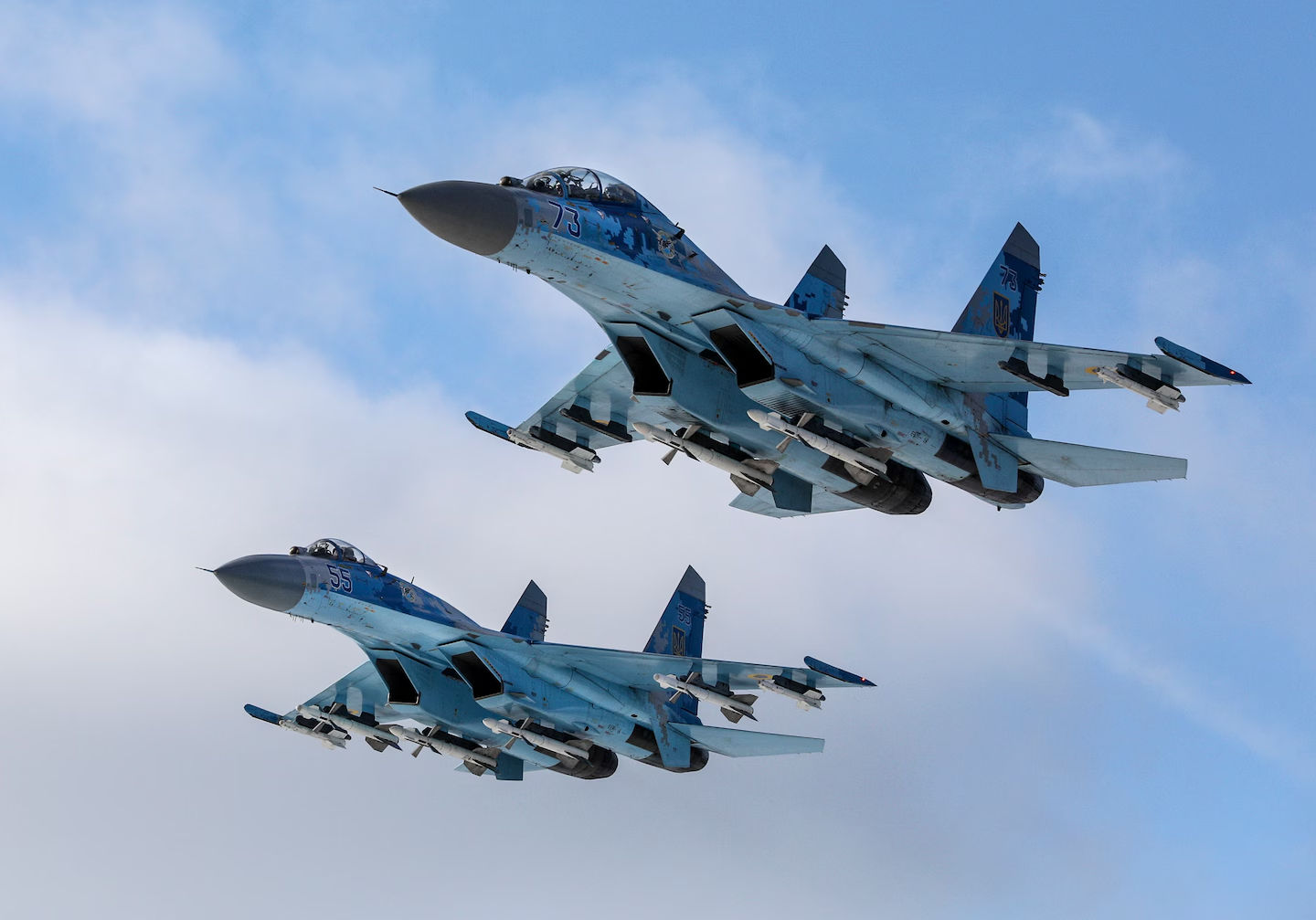
Poland Declines MiG-29 Fighter Jet Transfer to Ukraine, Cites Defence Cooperation Concerns
Warsaw: Poland has indicated that it will not proceed with the transfer of MiG-29 fighter jets to Ukraine at this stage, with Polish Defence Minister Władysław Kosiniak-Kamysz linking the decision to what he described as an unfulfilled understanding on defence cooperation involving drone technology. His remarks have attracted international attention as they touch on military collaboration, regional security, and the broader relationship between Poland and Ukraine, two neighbouring countries that have worked closely since the start of the Russia-Ukraine conflict.
The minister's comments also came alongside remarks on historical issues and Ukraine's aspirations to join the European Union (EU), adding another dimension to the ongoing discussions between Warsaw and Kyiv. While Poland has been one of Ukraine's strongest supporters during the war, the latest developments suggest that cooperation on certain defence matters has become more complicated.
Poland Says MiG-29 Transfer Is Not Moving Forward
Speaking in a recent interview, Defence Minister Władysław Kosiniak-Kamysz said that Poland had expected a broader defence cooperation framework with Ukraine before proceeding with the transfer of MiG-29 fighter aircraft.
According to the minister, Ukraine had initially agreed to share its practical battlefield experience in operating unmanned aerial vehicles (UAVs), commonly known as drones, with Poland. He described this exchange as a symbolic but strategically valuable gesture, considering the extensive operational knowledge Ukraine has gained during the conflict.
However, the minister claimed that the proposed cooperation on drone capabilities did not materialise, and as a result, Poland decided not to move ahead with the fighter jet transfer.
Important Point: The statement reflects the position of the Polish Defence Minister. Ukrainian authorities had not publicly responded to these remarks at the time of reporting.
Why Are MiG-29 Fighter Jets Important?
The MiG-29 is a fourth-generation multirole fighter aircraft originally designed in the Soviet Union. Despite its age, the aircraft remains an important part of the air forces of several Eastern European countries.
For Ukraine, the MiG-29 holds particular significance because:
Ukrainian Air Force pilots are already trained to fly the aircraft.
Existing maintenance and logistical infrastructure supports the platform.
The aircraft can be deployed quickly without the lengthy conversion training required for many Western fighter jets.
It can perform air defence, interception, and ground attack missions.
Since the beginning of the conflict with Russia, Ukraine has repeatedly requested additional aircraft from partner nations to strengthen its air defence capabilities.
Drone Technology at the Centre of the Discussion
Modern conflicts have highlighted the growing importance of drone technology. Unmanned aerial systems are now used for:
Battlefield reconnaissance
Target identification
Artillery fire correction
Surveillance missions
Long-range precision strikes
Damage assessment
Intelligence gathering
Ukraine has become one of the world's most experienced users of military drones due to the scale and duration of the conflict.
According to Kosiniak-Kamysz, Poland hoped to benefit from Ukraine's operational experience and practical knowledge in this field. The minister suggested that the sharing of such expertise was expected to accompany discussions on military assistance, including the transfer of fighter aircraft.
Important Point: The Polish minister described drone capability sharing as an important element of bilateral defence cooperation.
Background of the Proposed Aircraft Transfer
Reports published in December 2025 indicated that Poland and Ukraine were discussing the possible transfer of six to eight MiG-29 fighter jets.
The aircraft were reportedly among those expected to be phased out as Poland continued to modernise its air force with newer fighter aircraft.
At the time, defence analysts viewed the discussions as a continuation of Poland's substantial military assistance to Ukraine.
However, the latest comments from the Polish Defence Minister suggest that those discussions have not resulted in an agreement.
Poland's Military Support for Ukraine
Despite the latest disagreement, Poland has played a major role in supporting Ukraine since the conflict began.
Over the past several years, Poland has provided:
Military equipment
Humanitarian assistance
Training programmes
Logistical support
Medical assistance
Support for refugees
Diplomatic backing in international forums
Millions of Ukrainians displaced by the conflict have also been received in Poland, making it one of the largest host countries for refugees from Ukraine.
This long record of cooperation demonstrates that while disagreements may arise over individual issues, the broader partnership remains significant.
Historical Issues Continue to Affect Relations
During the same interview, Kosiniak-Kamysz also addressed historical issues that continue to influence relations between the two countries.
He commented on the Ukrainian Insurgent Army (UPA), a historical organisation whose legacy remains deeply controversial.
In Ukraine, some people regard members of the UPA as participants in the country's struggle for independence.
However, in Poland, the organisation is widely associated with the Volhynia massacres of 1943–1944, in which large numbers of Polish civilians were killed. The interpretation of these events continues to differ sharply between the two countries.
Comments on Ukraine's European Union Aspirations
The Polish Defence Minister also linked historical reconciliation to Ukraine's future relationship with the European Union.
According to his remarks, countries seeking closer European integration should address historical issues that remain sensitive for neighbouring states.
His comments reflected Poland's long-standing position that historical dialogue remains an important element of bilateral relations.
Important Point: The minister's remarks represented Poland's political position and formed part of a broader discussion on historical reconciliation and European integration.
The Controversy Surrounding the UPA
The latest political discussion follows criticism in Poland after President Volodymyr Zelenskyy awarded an honorary distinction connected to the Ukrainian Insurgent Army to a unit of the Armed Forces of Ukraine.
The move generated debate because the UPA remains a deeply divisive historical subject.
For many Ukrainians, the organisation symbolises resistance during a difficult period of the country's history.
For many Poles, however, memories of the Volhynia massacres remain central to how the organisation is viewed.
These contrasting historical perspectives continue to influence political dialogue even as both countries cooperate closely on security matters.
Modern Defence Partnerships Extend Beyond Equipment
Military cooperation today involves much more than the exchange of weapons.
Countries increasingly cooperate in areas such as:
Drone technology
Cybersecurity
Artificial intelligence
Electronic warfare
Satellite intelligence
Joint military exercises
Training programmes
Sharing battlefield experience has become especially valuable because modern conflicts evolve rapidly and require continuous adaptation.
According to the Polish Defence Minister, practical knowledge gained during combat can be as valuable as military hardware itself.
Poland's Defence Modernisation Programme
Poland has been investing heavily in strengthening its armed forces.
The country has introduced several modern defence systems while gradually replacing older Soviet-era equipment.
This includes investments in:
Modern fighter aircraft
Air defence systems
Armoured vehicles
Artillery
Missile defence
Advanced surveillance systems
As a result, older aircraft such as the MiG-29 have been considered for retirement over time.
Ukraine's Continuing Military Needs
Ukraine continues to require substantial international support as the conflict continues.
Military analysts note that Ukraine's defence priorities include:
Strengthening air defence
Replacing damaged aircraft
Expanding drone operations
Improving battlefield surveillance
Maintaining logistical supply chains
Enhancing electronic warfare capabilities
Any additional fighter aircraft from international partners could help reinforce existing capabilities, although modern warfare increasingly depends on integrated systems rather than aircraft alone.
International Interest in the Decision
The reported decision has drawn attention across Europe because Poland remains one of NATO's key eastern members.
Defence experts are closely watching developments for several reasons:
Regional security implications
Future military assistance packages
Defence technology cooperation
European defence policy
NATO coordination
Any significant change in defence cooperation between Poland and Ukraine is likely to be monitored closely by allied countries.
Possible Impact on Future Cooperation
Although the latest comments suggest disagreement over the MiG-29 transfer, experts believe this does not necessarily indicate a broader breakdown in relations.
Future cooperation may still continue through:
Military training
Joint defence initiatives
Logistics support
Humanitarian assistance
Border security cooperation
Intelligence sharing
Diplomatic discussions between the two countries are expected to continue.
Key Highlights
Poland has stated that it will not transfer MiG-29 fighter jets to Ukraine at present.
Defence Minister Władysław Kosiniak-Kamysz linked the decision to what he described as an unfulfilled understanding regarding drone technology cooperation.
The comments represent the Polish government's position; Ukraine had not publicly responded at the time of reporting.
MiG-29 aircraft remain valuable because Ukrainian pilots are already familiar with operating them.
Reports in late 2025 suggested Poland and Ukraine had discussed transferring six to eight MiG-29 fighter jets.
Historical disagreements, including differing views of the Ukrainian Insurgent Army (UPA), continue to influence bilateral relations.
Despite the disagreement, Poland remains one of Ukraine's most significant supporters in terms of humanitarian, diplomatic, and military assistance.
Modern defence cooperation increasingly includes technology sharing, drone expertise, cybersecurity, and military training in addition to traditional weapons transfers.
Conclusion
The latest remarks by Polish Defence Minister Władysław Kosiniak-Kamysz highlight the complex nature of defence cooperation between neighbouring countries during a period of heightened regional security concerns. According to the minister, Poland's decision not to proceed with the MiG-29 fighter jet transfer is connected to issues surrounding drone technology cooperation, while historical disagreements continue to shape political discussions between Warsaw and Kyiv.
Even with these differences, Poland and Ukraine continue to share important security interests, and Poland remains a major contributor to Ukraine's military, humanitarian, and diplomatic support. As the conflict and regional security situation continue to evolve, future negotiations and political dialogue are likely to determine whether defence cooperation expands further or takes a different direction. Observers across Europe will continue to monitor developments closely, as decisions involving military assistance and strategic partnerships carry implications not only for the two countries involved but also for the wider security landscape in the region.
Related Posts