New book on the Civil War examines a regiment from York County
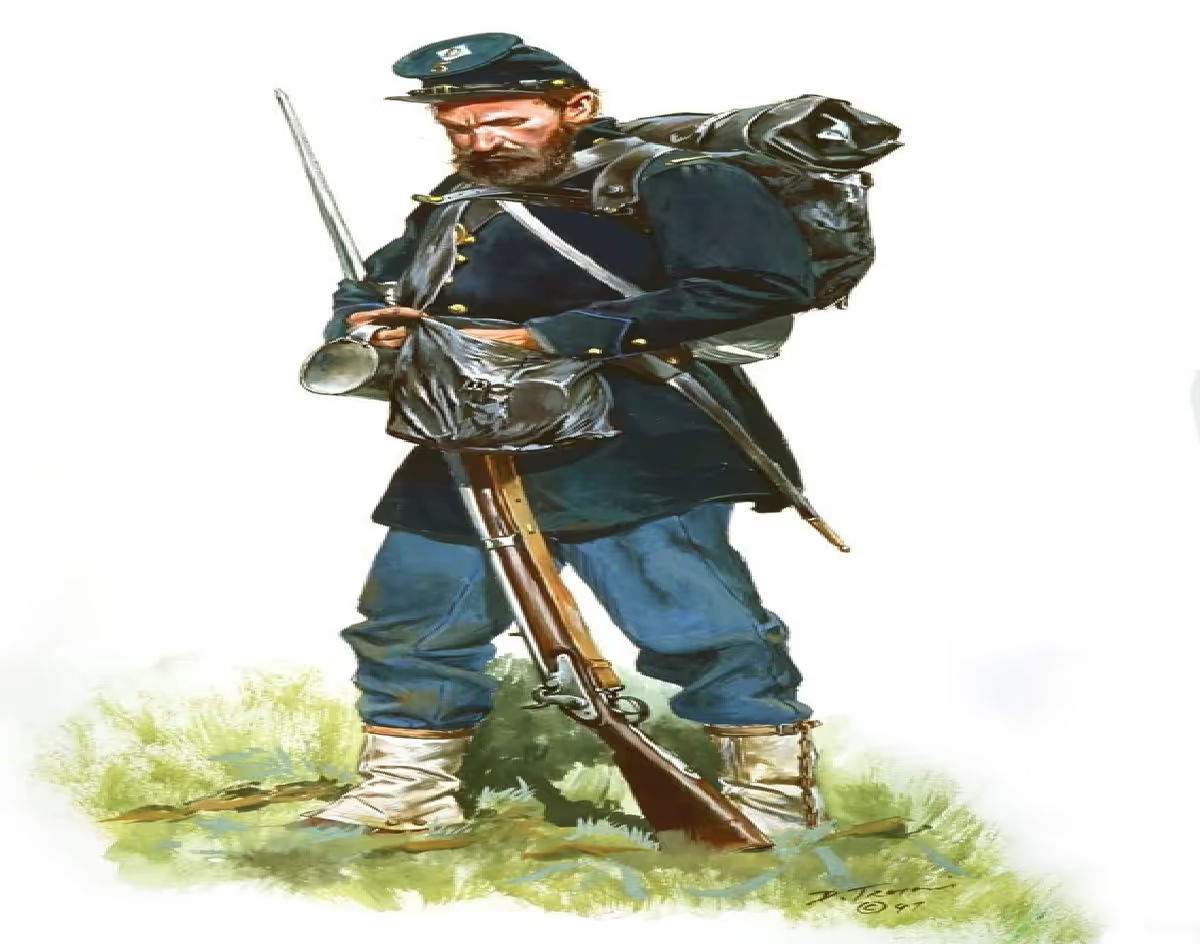
New Book Brings York County’s Forgotten Civil War Regiment Back Into the Spotlight
Public fascination with Civil War history is rising once again, as historians, collectors, researchers, and ordinary readers search for deeper insight into one of the most defining chapters in American history. Interest in the conflict has grown sharply, with more people looking beyond the best-known generals and famous battlefield moments to uncover the stories of overlooked regiments, local communities, and everyday soldiers. That renewed attention is now helping shine a light on the 200th Pennsylvania Volunteers, a York County regiment whose history had long remained in the shadows.
A new regimental history, Fearless Sons of War, is at the center of this growing attention. The book focuses on the 200th Pennsylvania Volunteers, an infantry unit made up largely of men from York County and nearby Pennsylvania communities. While the Civil War has been studied for generations, not every regiment has received the same level of recognition. Some units became central to popular memory, while others were mentioned only briefly in records, archives, and scattered local accounts. The 200th Pennsylvania Volunteers belonged to that second group for many years. Now, thanks to fresh research and local historical interest, its story is being brought before a wider public.
What makes this book especially notable is the way it came into being. The project did not begin as part of a major institutional campaign or a long-planned publishing effort. Instead, it grew out of a chance encounter between historian Scott Mingus and Michael Shupp. After Mingus gave a Civil War presentation at York Haven’s NEYCHIP History Center in July, Shupp approached him with information about the 200th Pennsylvania Volunteers. That conversation revealed the potential for a rich and meaningful story that had never been fully documented. From that moment, the two recognized that the regiment’s past deserved serious attention and preservation.
Their collaboration speaks to an important truth about historical research: many of the most valuable stories survive because communities refuse to let them disappear. In many cases, local residents hold pieces of the past that historians alone may not easily find. Family knowledge, community memory, local documents, and personal curiosity often help restore chapters of history that have been neglected. The story behind Fearless Sons of War is therefore not only about the Civil War itself, but also about how public history is kept alive in towns, counties, and local institutions.
The 200th Pennsylvania Volunteers represent an example of the many Union regiments whose service formed part of the larger war effort but never became widely known outside specialist circles. Like so many Civil War soldiers, the men of this regiment left home to enter a conflict that would test them physically, emotionally, and mentally. They were not simply figures in a military record. They were sons, brothers, neighbors, workers, and citizens whose lives were reshaped by war. Their service reflected the broader experience of Civil War troops, who faced not only combat but also long marches, poor camp conditions, disease, uncertainty, and the emotional strain of extended separation from home.
Although they may not have achieved the fame of more celebrated units, their contribution remains important. The Union victory in the Civil War was not secured by a small group of famous regiments alone. It depended on thousands of volunteer soldiers from communities across the North. Every regiment added manpower, endurance, sacrifice, and commitment to the war effort. The men of the 200th Pennsylvania Volunteers were part of that vast human story, and their experience helps modern readers see the conflict as more than a sequence of battles and political decisions. It becomes a story about real people who carried the burden of national crisis.
This is one reason why local regimental histories continue to matter so much. Broad histories of the Civil War are essential, but they often focus on the largest campaigns, the most famous leaders, and the biggest turning points. A regimental history works differently. It narrows the lens and allows readers to see the war from the ground level. It reveals how national events were lived by ordinary individuals from specific communities. In the case of the 200th Pennsylvania Volunteers, the story is tied directly to York County, giving local residents a personal connection to the conflict that shaped the nation.
That local connection is a powerful part of why the book is gaining attention. When readers see that soldiers from their own county or region played a role in a defining national struggle, history becomes more immediate. It no longer feels distant or abstract. It becomes a shared inheritance. The regiment’s story shows how York County was connected to the wider Union cause and how people from that area took part in the sacrifice and uncertainty of wartime America. For descendants, residents, and local history enthusiasts, that kind of rediscovery carries deep meaning.
The rise in public interest around Civil War history also extends beyond books. There has been renewed curiosity about Civil War tokens and other historical artifacts that provide physical links to the era. These small metal pieces were used during wartime coin shortages, when official currency was not always available in sufficient quantity. Businesses and private issuers created tokens that served as substitutes in daily exchange. Though small in size, they reveal a great deal about the war’s impact on ordinary life, commerce, and the economy.
Civil War tokens help show that the conflict was not only fought in military camps and on battlefields. It also affected communities far from the front, altering the routines of trade, business, and everyday transactions. For historians and collectors, these objects offer a direct connection to the period. They are evidence of how wartime pressures reached into local economies and daily life. Their survival allows modern audiences to understand that the Civil War was not just a military and political event, but also a social and economic upheaval.
Groups such as the Albuquerque Coin Club illustrate the role that community organizations can play in preserving this material history. With a membership of more than 200 people, the club has become an important space for numismatic education. Through such organizations, collectors and history enthusiasts learn how to identify, study, and preserve Civil War tokens and related items. These clubs do more than promote collecting. They help teach the public about how money circulated during the war, how tokens were produced, and why these objects matter as historical sources.
The work of collectors and educators is especially valuable because authenticity and context are central to preserving history responsibly. Civil War artifacts are meaningful only when they are properly understood. Collectors must learn how to distinguish genuine pieces from reproductions, how to trace provenance, and how to recognize features such as wear patterns, manufacturing methods, and inscriptions that reflect their period. This knowledge helps protect both the value of collections and the integrity of historical interpretation. It also makes artifact collecting a form of public education rather than simple ownership.
The renewed attention to regimental histories and Civil War tokens reflects a broader cultural trend. More people appear interested in tangible, specific, and local connections to the past. Instead of engaging only with large national narratives, they want to understand the war through objects, individual units, and regional stories. That helps explain why search interest in Civil War topics has reportedly risen so dramatically. People are not just revisiting familiar names and battles. They are searching for forgotten stories, local military heritage, and physical evidence from the period.
This trend matters because the Civil War remains central to understanding modern America. The conflict shaped the country’s political development, social order, and national identity in lasting ways. Questions about union, federal power, citizenship, and public memory continue to be influenced by the legacy of the war. Studying the Civil War is therefore not simply an exercise in looking backward. It is also a way to better understand the foundations of the present. When historians recover the story of a lesser-known regiment, they do more than fill a gap in military history. They deepen public understanding of how the nation was shaped by the experiences of ordinary people.
For York County, the revival of the 200th Pennsylvania Volunteers’ history strengthens regional identity and cultural memory. It shows that local communities did not stand apart from national transformation. They participated in it directly. The soldiers of the regiment were part of a wider struggle over the future of the United States, and their story adds a local dimension to that national history. Such connections can foster pride, reflection, and renewed interest in community heritage. They also encourage future generations to see their own towns and counties as places with important historical roles.
Books like Fearless Sons of War also contribute to scholarship by bringing lesser-known units into serious discussion. Historians rely on letters, military records, artifacts, personal accounts, and local sources to reconstruct the experiences of regiments that have not received much attention in earlier studies. This kind of work improves the overall historical record. It helps move beyond a narrow focus on only the most famous figures and broadens understanding of how the Civil War was actually lived and fought. It also shows students and readers how historical method works: piecing together evidence, comparing records, and building a fuller picture from scattered sources.
The story behind the book reminds us that history often survives through cooperation. Historians, local researchers, collectors, institutions, and community members all have roles to play. A presentation at a history center, a conversation after an event, and a shared sense that a forgotten regiment deserved recognition were enough to begin a major historical recovery project. That process itself is worth noting. It proves that preserving the past is not only the work of universities or archives. It can begin anywhere people take history seriously and care enough to protect it.
In the end, the growing attention surrounding Fearless Sons of War reflects more than interest in one book. It represents a wider movement toward recovering overlooked parts of Civil War history. The 200th Pennsylvania Volunteers were once largely absent from public conversation, but their story is now being restored through research and community effort. At the same time, artifacts such as Civil War tokens continue to connect modern audiences to the era in physical, immediate ways. Together, these developments show that Americans are not losing interest in the Civil War. Instead, they are searching for deeper, more personal, and more local ways of understanding it.
As public curiosity continues to grow, projects like this will remain important. They preserve memory, strengthen local identity, and broaden the nation’s understanding of its own past. The history of the 200th Pennsylvania Volunteers demonstrates that even an unsung regiment can have a powerful story to tell. Through books, artifacts, community research, and public education, that story can finally reach the audience it deserves. In doing so, it helps ensure that the sacrifices of ordinary soldiers are not forgotten and that the Civil War is remembered not only through its most famous figures, but also through the many communities and regiments that helped shape its outcome.
Related Posts