Legendary radio personality Michel Follet (66) says his world is shrinking: “Even everyday sounds in the supermarket are painful.”
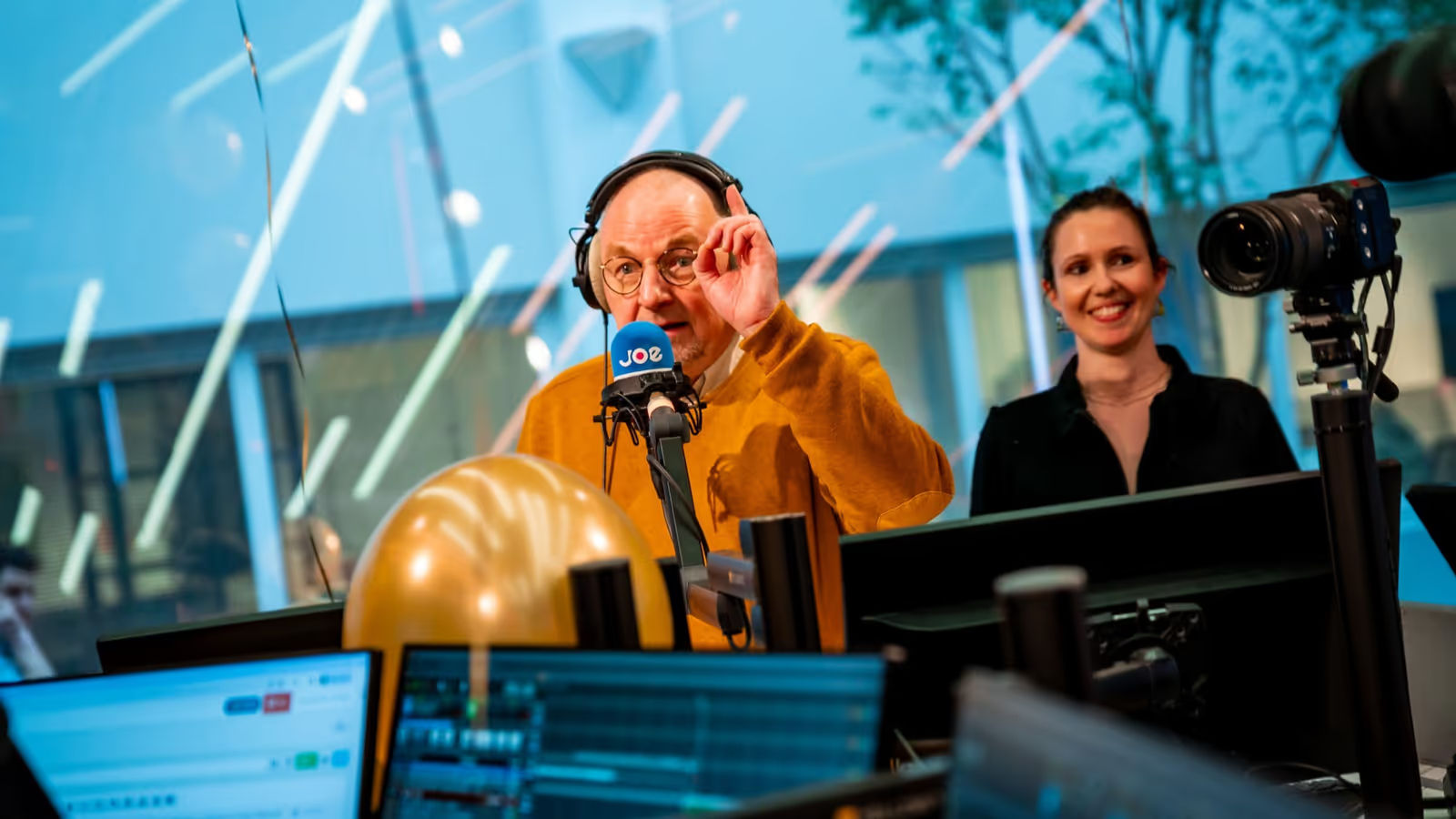
Belgian Radio Icon Michel Follet Opens Up About Hearing Sensitivity: “Even Supermarket Noises Hurt”
In a deeply personal revelation that has resonated across audiences, Belgian radio veteran Michel Follet, aged 66, has spoken candidly about a growing health challenge that is gradually limiting his daily life. Known for his distinctive voice, enduring presence on the airwaves, and decades-long contribution to radio broadcasting, Follet now finds himself navigating an increasingly constrained world due to extreme sensitivity to sound.
His statement—“Even noises in the supermarket hurt”—captures not only the physical discomfort he experiences but also signals a broader, more complex struggle involving sensory overload, aging, and the emotional toll of losing ease in everyday environments.
A Career Built on Sound
For most of his life, Michel Follet has existed in a world defined by sound. As a radio host, his professional identity was rooted in audio clarity, tonal precision, and an intimate relationship with listeners through voice. Over the years, he became a respected and familiar figure in Belgian media, shaping cultural conversations and connecting with audiences across generations.
Ironically, the very medium that defined his career—sound—is now at the center of his current health challenges.
Radio professionals often develop heightened auditory awareness as part of their craft. However, prolonged exposure to audio environments, studio equipment, and continuous listening may also contribute to long-term auditory strain. While Follet has not explicitly attributed his condition to his career, the connection between lifelong auditory engagement and present sensitivity cannot be overlooked.
Understanding Sound Sensitivity
Follet’s condition appears consistent with what medical professionals describe as hyperacusis, a disorder characterized by an increased sensitivity to everyday sounds. Unlike normal hearing loss, where sounds become harder to detect, hyperacusis makes ordinary noises—such as conversations, traffic, or background music—feel uncomfortably loud or even painful.
For individuals experiencing such conditions, environments that most people consider routine—shopping centers, public transport, or social gatherings—can become overwhelming and distressing.
In Follet’s case, even the ambient sounds of a supermarket—trolleys rolling, announcements over speakers, people talking—have become difficult to tolerate. This highlights the severity of his condition and suggests that his auditory threshold has significantly changed.
The Shrinking World Phenomenon
When Follet describes his “world getting smaller,” he is referring not just to physical limitations but to a broader psychological and social contraction. As sound sensitivity increases, individuals often begin to avoid environments that trigger discomfort. Over time, this leads to reduced social interaction, limited mobility, and a gradual withdrawal from previously normal activities.
This phenomenon is well-documented among patients dealing with chronic sensory disorders. The impact is twofold:
Physical Avoidance: Staying away from noisy places to prevent pain
Emotional Isolation: Reduced participation in social and public life
For someone like Follet, whose career depended on public engagement and communication, this shift represents a profound change in identity and lifestyle.
The Emotional Dimension
Beyond the physical pain, there is an emotional weight attached to such conditions. Losing the ability to comfortably navigate everyday spaces can lead to frustration, anxiety, and even depression.
Public figures often face an additional layer of complexity. Their struggles are observed, discussed, and sometimes misunderstood by the public. By speaking openly, Follet not only acknowledges his own vulnerability but also challenges the stigma surrounding sensory and age-related health issues.
His remarks reflect a sense of acceptance, but also a subtle grief—grief for a lifestyle that is no longer accessible in the same way.
Aging and Sensory Changes
At 66, Follet’s experience also aligns with broader patterns associated with aging. While hearing loss is more commonly discussed, auditory distortions and sensitivities are less frequently acknowledged.
As people age, the auditory system can undergo various changes, including:
Reduced tolerance for loud or complex sounds
Difficulty processing multiple sound sources
Increased sensitivity to certain frequencies
In some cases, these changes may coexist with or evolve into conditions like hyperacusis or tinnitus. The result is a paradox where hearing may decline in clarity but increase in discomfort.
Follet’s situation underscores the need for more nuanced conversations about aging—not merely as a process of decline, but as a transformation that can include unexpected sensory challenges.
Public Awareness and Health Advocacy
One of the most significant aspects of Follet’s disclosure is its potential to raise awareness. Conditions like hyperacusis remain under-recognized, despite affecting a considerable number of individuals worldwide.
By sharing his experience, Follet contributes to:
Destigmatizing sensory disorders
Encouraging early diagnosis and treatment
Promoting empathy for invisible health conditions
Public figures play a critical role in shaping health narratives. When someone with Follet’s credibility speaks about a personal issue, it often prompts broader societal reflection.
Medical Perspective and Management
Although there is no universal cure for extreme sound sensitivity, several management strategies exist:
Sound Therapy: Gradual exposure to controlled sounds to improve tolerance
Cognitive Behavioral Therapy (CBT): Addressing emotional responses to auditory triggers
Protective Measures: Use of earplugs or noise-canceling devices in high-risk environments
Lifestyle Adjustments: Avoiding overly noisy settings while maintaining social engagement
The challenge lies in balancing protection with adaptation. Over-avoidance can sometimes worsen sensitivity, while controlled exposure may help rebuild tolerance.
Follet’s comments suggest that he is currently in a phase of adjustment—learning how to navigate his condition while preserving as much normalcy as possible.
Impact on Daily Life
The mention of supermarkets is particularly telling. These spaces are symbolic of routine life—places people visit without much thought. When such environments become sources of discomfort, it indicates a significant disruption to daily functioning.
Activities that may now be affected include:
Grocery shopping
Attending public events
Traveling
Social gatherings
This shift forces individuals to reconsider how they structure their day, often relying on quieter times, assistance from others, or alternative arrangements such as online services.
A Broader Social Reflection
Follet’s situation also invites reflection on how modern environments are designed. Urban spaces are increasingly noisy, with constant background sounds from traffic, electronics, and public systems.
For individuals with heightened sensitivity, such environments can be exclusionary. This raises important questions about accessibility:
Should public spaces incorporate quiet zones?
Can sound levels be better regulated in commercial areas?
How can society become more inclusive for those with sensory sensitivities?
While these questions extend beyond Follet’s personal story, his experience brings them into sharper focus.
Continuing Legacy
Despite these challenges, Michel Follet’s legacy in radio remains firmly intact. His contributions to broadcasting, his distinctive voice, and his influence on Belgian media culture are not diminished by his current condition.
In fact, his openness adds a new dimension to his public persona—one marked by honesty, resilience, and a willingness to engage with difficult realities.
It is possible that his experience may even shape future conversations about media professionals and occupational health, particularly in fields heavily reliant on sensory input.
Conclusion
Michel Follet’s revelation is more than a personal update; it is a powerful reminder of how health conditions can reshape even the most familiar aspects of life. His statement about supermarket noise encapsulates a broader narrative of adaptation, vulnerability, and resilience.
As his world becomes quieter and more controlled, the impact of his voice—both literal and metaphorical—continues to resonate. By speaking openly, he not only informs but also invites understanding, encouraging society to recognize and accommodate the complexities of sensory health.
In an era where noise is constant and often unavoidable, Follet’s experience serves as a poignant counterpoint—highlighting the importance of balance, awareness, and empathy in how we design and inhabit our environments.
Related Posts