Diesel Prices to Drop from Saturday as New Fuel Rates Take Effect
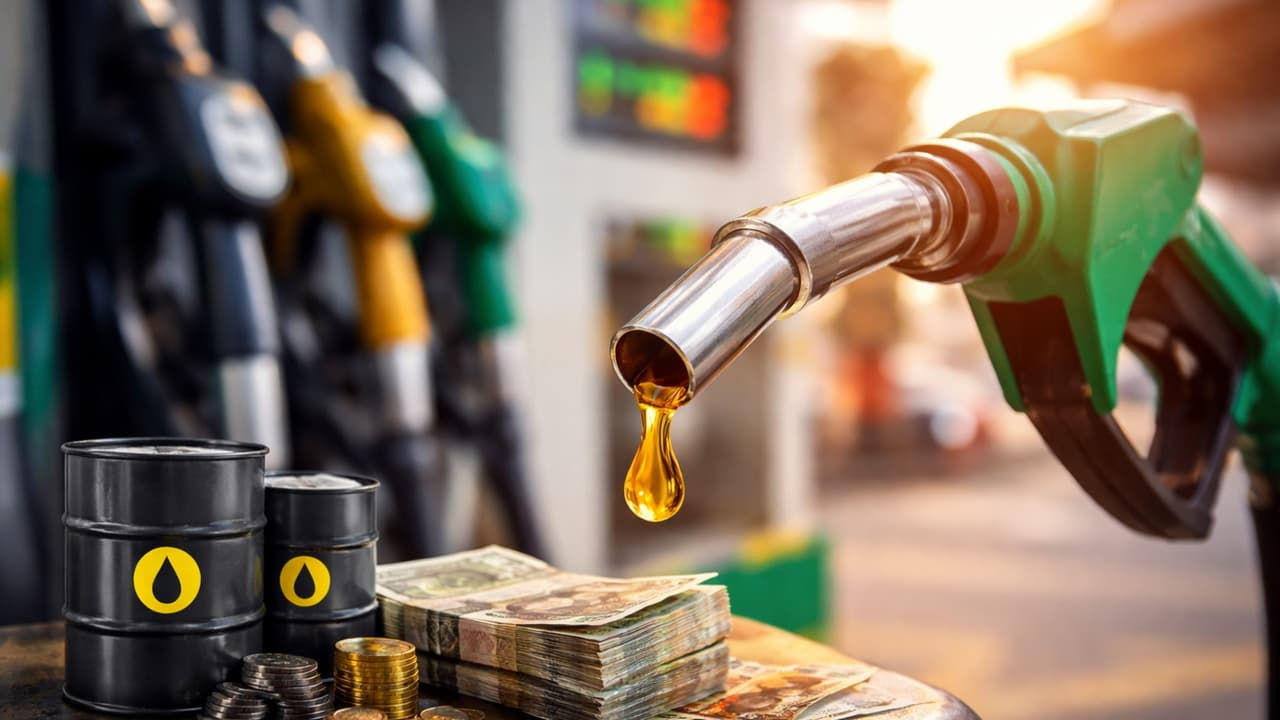
Diesel Prices Set to Fall as Fuel Markets React to Middle East Tensions and Global Supply Concerns
Motorists and households are set to receive modest relief at the fuel pump as diesel prices are scheduled to decline slightly from Saturday. According to the latest announcement by the Directorate-General for Energy of the FPS Economy, the price of diesel (B7) will decrease by 1.5 euro cents per litre, bringing the maximum retail price down to 2.065 euros per litre.
The reduction, while relatively small, comes after several weeks of volatility in international energy markets that have caused fuel prices to fluctuate frequently. The adjustment reflects changing conditions in global oil markets, which continue to be heavily influenced by geopolitical developments in the Middle East, concerns over supply disruptions, and uncertainty surrounding maritime trade routes.
In addition to the diesel price reduction, consumers using heating oil will also benefit from lower costs. Authorities announced a more significant decrease of approximately 4 euro cents per litre for heating oil, providing some financial relief for households and businesses that rely on the fuel for heating purposes.
Latest Fuel Price Changes
Under the revised pricing structure, diesel (B7) users will pay a maximum of 2.065 euros per litre starting Saturday. Although the reduction of 1.5 cents per litre may appear limited, it represents a welcome change after periods of upward pressure on fuel costs.
Heating oil consumers will benefit even more. The new maximum prices have been set at:
1.17 euros per litre for orders below 2,000 litres.
1.13 euros per litre for orders exceeding 2,000 litres.
The reduction in heating oil prices is expected to provide some relief to households, particularly those that maintain reserves for future use or rely heavily on fuel-based heating systems.
Energy analysts note that even minor reductions can generate meaningful savings over time, especially for commercial transport operators, logistics companies, agricultural businesses, and households with substantial fuel consumption.
Relief for Diesel Users
Diesel remains one of the most widely used fuels across Europe and many other regions. It powers millions of passenger vehicles, commercial trucks, buses, delivery fleets, agricultural machinery, and industrial equipment.
Because diesel plays such a critical role in transportation and logistics, even small changes in pricing can have broader economic implications.
For individual motorists, the immediate savings may appear modest. However, for businesses operating large vehicle fleets, lower diesel prices can translate into noticeable reductions in operating expenses.
Transport companies, freight operators, and delivery services closely monitor diesel prices because fuel often represents one of their largest operating costs. Any reduction in fuel expenses can improve profitability or help businesses avoid passing higher costs on to consumers.
Industry experts suggest that the latest reduction could provide short-term breathing room for companies that have been dealing with fluctuating fuel costs over recent months.
Heating Oil Consumers Also Benefit
The reduction in heating oil prices comes at a time when energy affordability remains an important concern for many households.
Although heating demand typically peaks during colder months, many consumers purchase heating oil throughout the year to take advantage of favorable pricing conditions.
The latest decrease of approximately four cents per litre could encourage households to replenish their fuel reserves while prices are relatively lower.
Energy market observers note that heating oil prices often move in tandem with crude oil prices and broader fuel market trends. As a result, any easing of international oil market pressures tends to be reflected in domestic heating oil costs.
For larger orders exceeding 2,000 litres, consumers will benefit from an even lower maximum price of 1.13 euros per litre, creating additional incentives for bulk purchases.
Fuel Markets Continue to Experience Volatility
Despite the latest reductions, fuel prices remain subject to significant fluctuations due to ongoing geopolitical uncertainty.
Since the escalation of tensions in the Middle East, energy markets have become increasingly sensitive to developments affecting oil production, transportation routes, and regional stability.
One of the most significant concerns for global markets has been the situation involving Iran and the strategic Strait of Hormuz.
The Strait of Hormuz is widely regarded as one of the world's most important maritime chokepoints for oil transportation. A substantial portion of globally traded crude oil passes through this narrow waterway connecting the Persian Gulf to international markets.
Any disruption to shipping activity in the region has the potential to affect global energy supplies and influence oil prices worldwide.
Market participants closely monitor developments in the area because even the perception of supply risks can trigger rapid movements in crude oil prices.
Why the Strait of Hormuz Matters
The Strait of Hormuz occupies a unique position in the global energy system.
Major oil-producing countries in the Gulf region depend on this route to export crude oil and petroleum products to international buyers.
When tensions rise in the region, traders often anticipate potential disruptions to oil flows. These expectations can lead to higher crude oil prices even before any actual supply interruption occurs.
In recent months, concerns surrounding regional security and shipping operations have contributed to significant volatility in energy markets.
As a result, petrol and diesel prices have experienced repeated increases and decreases, creating uncertainty for consumers and businesses alike.
Analysts describe this phenomenon as a "yo-yo effect," where prices swing rapidly in response to geopolitical headlines, market sentiment, and evolving supply expectations.
Impact of Middle East Tensions on Global Oil Prices
The Middle East remains one of the world's most important oil-producing regions. Consequently, developments in the area frequently influence energy prices far beyond the region itself.
Whenever tensions escalate, investors and commodity traders assess the potential consequences for oil production and transportation.
If market participants believe that supplies may become constrained, crude oil prices typically rise.
Conversely, when fears of disruption ease or supply conditions improve, prices often decline.
This constant reassessment has contributed to the recent pattern of fuel price fluctuations observed across international markets.
Energy economists note that geopolitical risk premiums can sometimes add several dollars per barrel to crude oil prices, even when physical supply remains unchanged.
Such premiums reflect the market's effort to account for uncertainty and potential future disruptions.
How Fuel Prices Are Determined
Many consumers wonder why fuel prices change so frequently and why international events can influence prices at local petrol stations.
Fuel prices are determined by several interconnected factors, including:
Global crude oil prices.
Refining costs.
Transportation expenses.
Distribution and storage costs.
Taxes and duties.
Currency exchange rates.
Market competition.
Geopolitical developments.
Crude oil prices typically represent the largest component influencing fuel costs.
When crude oil becomes more expensive, refiners pay more for raw materials, and these higher costs eventually filter through to consumers.
Similarly, when crude oil prices fall, fuel prices generally decline, although the timing and magnitude of changes can vary depending on local regulations and taxation structures.
Economic Effects of Fuel Price Changes
Fuel prices influence a wide range of economic activities.
Lower diesel prices can reduce transportation costs, which may help ease pressure on supply chains and logistics operations.
Since many goods are transported by diesel-powered vehicles, fuel costs can indirectly affect the prices consumers pay for food, household products, and other essentials.
When diesel prices rise sharply, transportation companies often pass additional expenses on to customers, contributing to inflationary pressures.
Conversely, declining fuel prices can support economic activity by lowering business costs and increasing disposable income for consumers.
Although the latest diesel price reduction is relatively small, economists note that consistent downward movements could provide broader benefits if the trend continues.
What Consumers Should Expect Next
The future direction of fuel prices remains uncertain.
Energy analysts caution that while current price adjustments provide some relief, markets remain highly sensitive to geopolitical developments.
Several factors could influence fuel prices in the coming weeks, including:
Developments in the Middle East.
Security conditions in maritime shipping routes.
Decisions by major oil-producing countries.
Global economic growth trends.
Seasonal demand patterns.
Refinery operations and maintenance schedules.
If geopolitical tensions ease and oil supplies remain stable, fuel prices could continue to moderate.
However, any escalation affecting production or transportation infrastructure could quickly reverse recent declines and push prices higher again.
Energy Market Outlook
Most market experts believe that volatility will remain a defining feature of energy markets in the near term.
Global demand for oil remains substantial, while geopolitical uncertainties continue to create periodic concerns regarding supply security.
Investors, governments, businesses, and consumers are therefore likely to remain attentive to developments affecting international energy markets.
While recent diesel and heating oil price reductions are encouraging, analysts emphasize that fuel prices could continue to fluctuate significantly depending on global events.
Conclusion
The latest fuel price adjustment offers modest relief to consumers, with diesel (B7) becoming 1.5 euro cents cheaper from Saturday and heating oil prices falling by around four cents per litre. The reductions provide welcome savings for motorists, transport operators, businesses, and households amid ongoing concerns about energy affordability.
However, the broader picture remains one of uncertainty. Fuel markets continue to react strongly to developments in the Middle East, particularly concerns surrounding oil transportation through the Strait of Hormuz. These geopolitical factors have contributed to a pattern of sharp price swings, causing petrol and diesel prices to rise and fall repeatedly in recent months.
As global energy markets remain sensitive to political developments and supply concerns, consumers can expect fuel prices to continue responding to international events. For now, the latest reduction offers a small but positive break from the volatility that has characterized fuel markets throughout the year.
Related Posts