Rising meat costs have pushed many Belgians toward replacement foods, but specialists caution that the change could negatively affect public health.
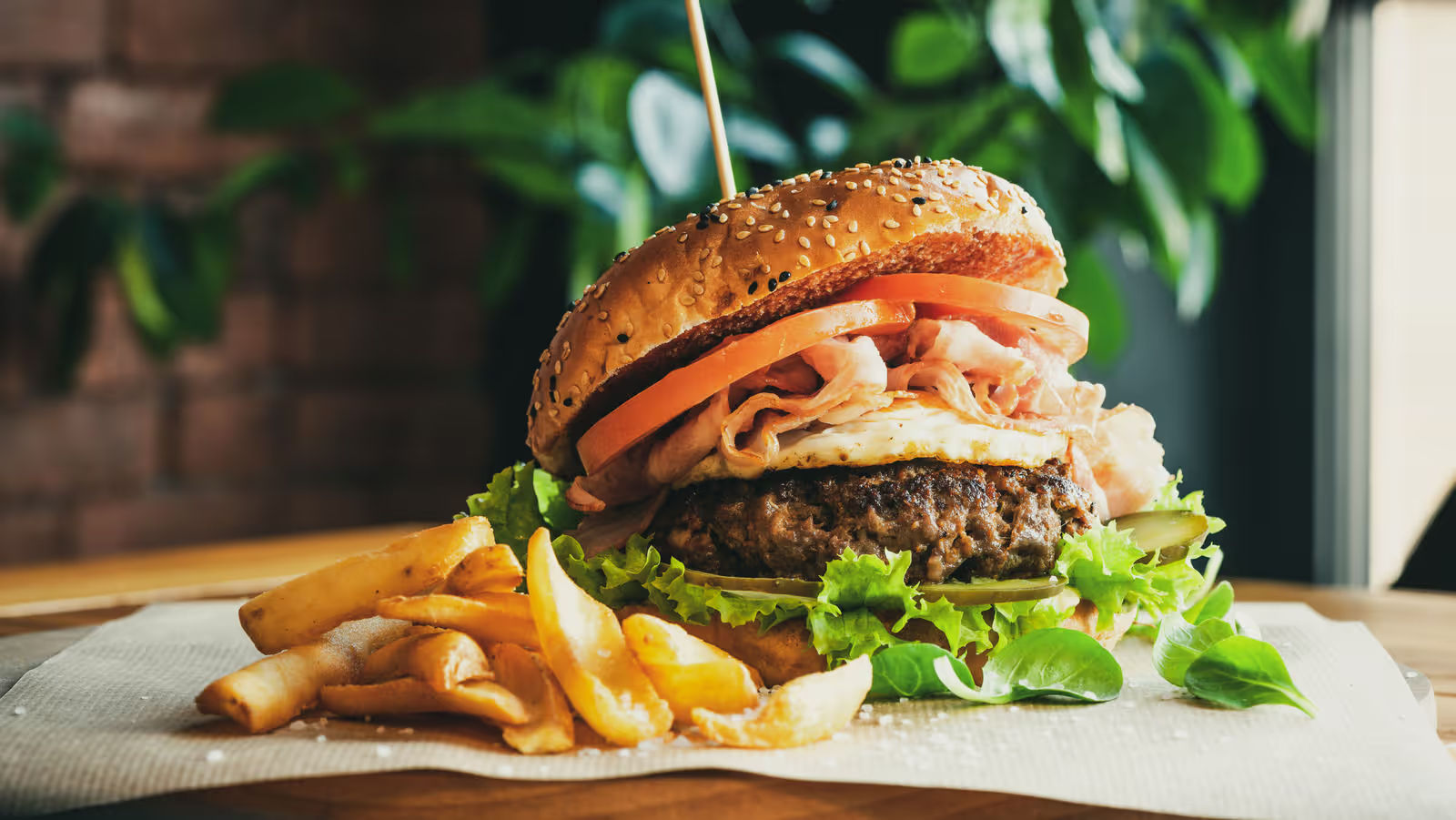
Rising Meat Prices in Belgium Push Consumers Toward Cheaper Burgers Despite Health Risks
Belgian Shoppers Change Buying Habits as Steak Prices Surge
Belgian consumers are increasingly replacing expensive steak cuts with cheaper beef burgers as rising food prices continue to pressure household budgets. The trend, which has become clearly visible in supermarkets across the country, reflects the growing impact of inflation on everyday shopping decisions. While burgers offer a more affordable alternative for families trying to reduce expenses, health experts warn that the switch may lead to serious nutritional consequences.
Over the past year, meat prices in Belgium have risen sharply, forcing many shoppers to rethink their eating habits. Premium beef cuts that were once common in many households are now becoming luxury purchases for some consumers. As a result, budget-friendly meat products such as burgers and minced beef are gaining popularity at a rapid pace.
Retail chains, nutrition specialists, and consumers all agree on one thing: economic pressure is transforming the way Belgians buy and consume meat.
Steak Prices Rise More Than 18 Percent in One Year
According to figures highlighted by Belgian retailers, the price of steak has increased by more than 18 percent in just one year. Customers now pay between 25 and 30 euros per kilogram for steak, compared to approximately 16 to 22 euros per kilogram for beef burgers.
The widening gap between premium beef and processed meat products is becoming one of the key reasons behind changing shopping behavior. For many families, pensioners, and middle-income consumers, the difference in price is too large to ignore.
At supermarkets, shoppers are paying closer attention to labels and promotions before making purchasing decisions. Consumers say they now compare prices more carefully than before because food inflation has significantly affected their monthly budgets.
One pensioner shopping at a Belgian supermarket explained that rising beef prices have made traditional steak purchases difficult to afford. Another customer said they now buy minced beef products to prepare homemade hamburgers rather than paying for expensive cuts.
The trend demonstrates how inflation is directly influencing dietary choices, particularly when it comes to protein-rich foods that already represent a major part of grocery spending.
Supermarkets Witness Clear Shift in Consumer Demand
Belgian supermarkets report that the transition from steak to burgers is already clearly reflected in sales data. According to retailers, steak sales have declined by between 3 and 7 percent, while burger sales have risen by more than 3 percent in recent weeks.
Industry experts say the arrival of barbecue season has made the trend even more noticeable. During spring and summer, consumers traditionally purchase more beef products for outdoor grilling and family gatherings. However, many shoppers are now searching for lower-cost meat options that still allow them to enjoy red meat.
Karima Ghozzi, spokesperson for the Belgian supermarket chain Delhaize, confirmed that more customers are shifting from premium steak products toward burgers and minced meat alternatives. She explained that consumers still want red meat in their diets but are trying to find products that fit their financial situation.
Retailers say affordability has become one of the most important factors influencing purchasing decisions. Even consumers who previously preferred high-quality cuts are now adjusting their habits due to economic pressure.
Supermarkets are responding by increasing promotions on burgers, processed meat products, and barbecue packages designed to appeal to budget-conscious customers.
Why Burgers Are Cheaper Than Steak
The lower price of beef burgers is largely linked to the type of meat used during production. Premium steak cuts come from higher-quality sections of cattle and require more careful preparation and processing. Burgers, however, are often made from less expensive cuts and meat trimmings.
A representative from the Belgian supermarket chain Colruyt explained that steak products are prepared using “noble” pieces of beef, while burgers are produced using less premium parts of the animal. This manufacturing process allows companies to reduce production costs and offer cheaper retail prices.
Another important factor is fat content. Beef burgers generally contain more fat than steak cuts. Fat helps improve texture, flavor, and juiciness, making burgers more appealing to many consumers. However, fat is also less expensive than lean meat, helping manufacturers lower overall costs.
As a result, burgers can be sold at significantly lower prices while still maintaining strong consumer demand.
For many shoppers struggling with inflation, the savings are substantial enough to justify changing long-standing buying habits.
Nutrition Experts Warn About Health Consequences
Although burgers may appear financially attractive, nutritionists warn that the switch could create long-term health problems.
Belgian nutritionist Nicolas Guggenbühl explained that beef burgers may contain four to five times more fat than traditional steak cuts. He also warned that processed minced meat products often contain higher levels of salt and preservatives designed to improve flavor and shelf life.
According to health specialists, excessive consumption of fatty and processed meats is associated with several serious health conditions, including obesity, heart disease, hypertension, and diabetes.
Processed meat products are also frequently linked to increased risks of colorectal cancer and other digestive health issues. High sodium levels may contribute to elevated blood pressure, while saturated fats can negatively affect cardiovascular health over time.
Guggenbühl stressed that consumers may save money in the short term but could face negative health effects in the future if low-quality processed meats become a regular part of their diets.
He argued that reducing overall meat consumption might be healthier than maintaining high consumption through lower-quality products. Instead of replacing steak with heavily processed burgers, nutrition experts encourage consumers to focus on balanced diets with moderate portions and healthier alternatives.
Inflation Continues to Reshape Food Consumption Across Europe
The situation in Belgium reflects broader economic trends affecting households across Europe. Rising energy costs, supply chain disruptions, transportation expenses, labor shortages, and agricultural pressures have all contributed to increasing food prices.
Meat products have been particularly affected because livestock farming depends heavily on feed costs, fuel prices, and energy-intensive production systems.
As inflation continues, many consumers are prioritizing affordability over nutritional quality. Economists say this pattern is common during periods of financial uncertainty, when households focus on reducing immediate expenses rather than long-term health considerations.
Food inflation has also changed consumer psychology. Shoppers are increasingly willing to compromise on quality if it helps lower grocery bills.
Retail analysts note that discount products, private-label brands, and processed foods often experience higher sales growth during inflationary periods because consumers become more price-sensitive.
Belgium’s growing preference for beef burgers over steak represents one example of this broader economic reality.
Public Health Experts Raise Concerns
Health experts worry that the long-term consequences of these dietary changes could place additional pressure on healthcare systems.
Lower-income households are often the most vulnerable to unhealthy eating patterns because they face greater financial limitations when purchasing nutritious foods. As a result, economic inequality can contribute directly to health inequality.
Nutrition specialists emphasize that processed foods are usually cheaper because they rely on lower-quality ingredients, preservatives, and industrial production methods. While these products may offer convenience and affordability, they often lack the nutritional value of fresh foods.
Some experts fear that younger generations may become increasingly dependent on processed meat products if current economic conditions continue.
Children raised on heavily processed diets may develop unhealthy eating habits that persist into adulthood, increasing the risk of chronic diseases later in life.
Health organizations across Europe have repeatedly encouraged consumers to reduce processed meat consumption and include more vegetables, legumes, fish, poultry, and plant-based proteins in their diets.
However, healthier foods are not always the cheapest option, especially during periods of inflation.
Supermarkets Balance Affordability and Consumer Demand
Belgian supermarkets are now facing a difficult balancing act. Retailers must respond to customer demand for affordable products while also addressing growing awareness about nutrition and health.
Many chains have expanded discount campaigns focused on burgers, minced beef, and barbecue products because these items attract consumers searching for lower-cost meal options.
At the same time, some food companies are attempting to improve the nutritional profile of processed meat products. Leaner burgers, reduced-salt products, and hybrid meat-and-vegetable alternatives are gradually appearing on supermarket shelves.
These products are designed to appeal to consumers who want affordable options without sacrificing health considerations entirely.
Still, industry analysts believe price will remain the dominant factor influencing food purchases as long as inflation continues affecting household finances.
Could the Trend Change Eating Habits Permanently?
Some experts believe the current shift in meat consumption may continue even if inflation eventually slows down.
Economic crises often create long-lasting behavioral changes because consumers adapt to new spending patterns over time. Once families become accustomed to purchasing cheaper products, they may continue those habits even after financial conditions improve.
The popularity of burgers and processed meat alternatives could therefore remain strong in the years ahead.
At the same time, the debate surrounding meat prices is also connected to environmental concerns. Beef production has long faced criticism for its environmental impact, including greenhouse gas emissions, water usage, and land consumption.
Some environmental advocates argue that rising meat prices may encourage consumers to reduce red meat intake overall and adopt more sustainable diets.
However, others point out that economic pressure does not automatically result in healthier or more environmentally friendly choices. Instead, consumers often choose whatever products are cheapest and most accessible.
A Growing Debate Over Cost Versus Health
The Belgian experience highlights a larger challenge facing many countries today: balancing affordability with nutrition during a period of economic uncertainty.
For millions of consumers, food shopping is increasingly shaped by financial necessity rather than personal preference. Rising meat prices are forcing households to make compromises that may affect both their diets and long-term health.
While beef burgers provide a cheaper alternative to expensive steak cuts, nutrition experts warn that the health trade-offs should not be ignored.
The growing popularity of burgers in Belgian supermarkets illustrates how inflation can influence not only consumer spending but also broader public health trends.
As food prices continue rising across Europe, governments, retailers, and health professionals may need to work together to ensure affordable and nutritious food remains accessible to all consumers.
For now, however, many Belgian shoppers continue turning toward burgers as a practical solution to rising meat prices — even as experts caution that the cheaper option may ultimately come with hidden costs.
Related Posts