Large number of professional debtors retiring with under 15 years of insurance coverage.
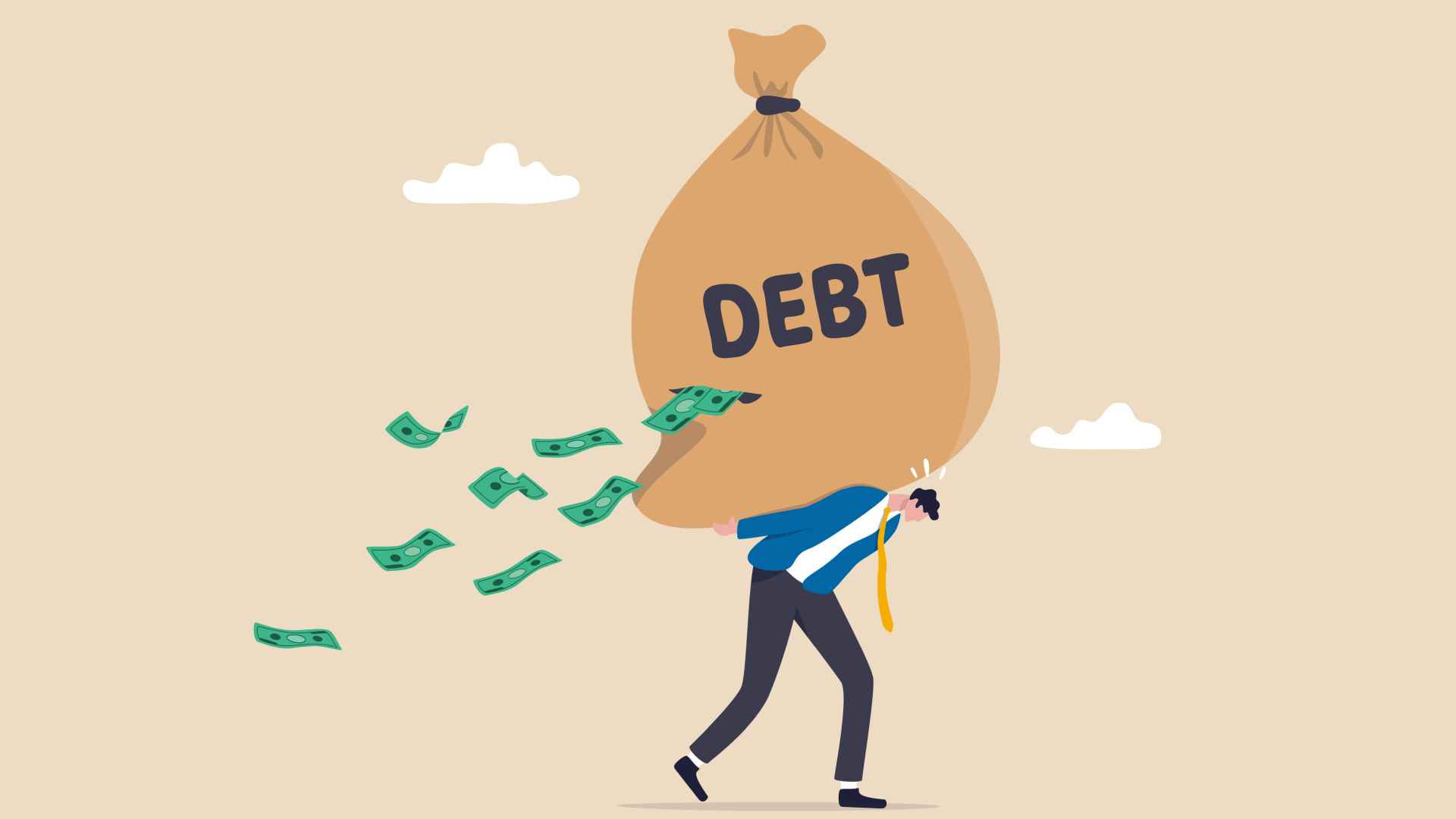
The news highlights a growing trend in Greece where self-employed professionals and freelancers with unpaid social insurance debts are increasingly opting for a small state-funded pension rather than paying off their debts to qualify for a higher pension from the national social security system. This development is raising concerns about the long-term financial sustainability of the country's pension system.
Rising Preference for OPEKA Pension Among Indebted Professionals
A significant number of self-employed professionals approaching retirement age are choosing to receive the "uninsured elderly pension" provided by the Greek welfare agency OPEKA instead of pursuing a regular pension through the country's main social security institution, EFKA. The shift is primarily being observed among professionals who have accumulated substantial debts to social insurance funds and have fewer than 15 years of fully paid insurance contributions.
Under current rules, individuals who reach the age of 67 but do not qualify for a regular pension due to insufficient years of paid insurance can receive an elderly assistance pension from OPEKA, provided they meet specific income and asset criteria. For many indebted professionals, this welfare benefit is proving more attractive than attempting to settle years of unpaid insurance contributions.
How the OPEKA Pension Works
The OPEKA elderly pension currently amounts to approximately €418 per month. While the amount is relatively modest, it offers several advantages that make it appealing to financially struggling retirees.
First, the pension is not subject to the standard 6% healthcare contribution that applies to many regular pensions. Second, it cannot be seized or garnished to repay outstanding debts. Third, beneficiaries continue to enjoy access to public healthcare and pharmaceutical services.
To qualify, applicants must satisfy strict income and property requirements. Family income generally must not exceed €8,640 annually, and beneficiaries must continue meeting these conditions each year to retain eligibility.
For many professionals burdened by large debts and limited financial resources, this welfare pension provides a guaranteed and protected source of income without requiring them to settle substantial obligations owed to the social insurance system.
The Alternative: EFKA Pension with Debt Repayments
The alternative available to these professionals is to qualify for a standard pension through EFKA, Greece's main social security authority.
To do so, they must have completed at least 20 years of insurance coverage and address any outstanding debts. Although the system allows debt repayment through installment deductions from future pension payments, the financial burden can be significant.
Consider the example cited in the report. A professional who has completed 20 years of insurance but owes €30,000 to EFKA in unpaid contributions and penalties may be entitled to a pension of approximately €564 per month.
However, because the debt must be repaid, EFKA can deduct up to €500 per month from the pension over a period of up to five years. As a result, the retiree would effectively receive only €64 per month during that period. In addition, the pension remains subject to healthcare deductions.
From the retiree's perspective, the comparison appears straightforward:
OPEKA pension: €418 per month, protected from seizure and available immediately.
EFKA pension: €564 per month, but reduced to approximately €64 after debt deductions for several years.
Faced with these options, many indebted professionals are choosing the OPEKA route despite the lower nominal pension amount.
A Difficult Financial Calculation
For workers nearing retirement age, the decision often comes down to immediate financial survival.
A 67-year-old freelancer with limited income may find it impossible to wait several years before receiving the full benefit of an EFKA pension. Even though the long-term pension amount would eventually be higher, the temporary reduction caused by debt repayments can make the regular pension economically unattractive.
Consequently, individuals who have contributed to the social insurance system for many years may intentionally avoid pursuing full pension rights and instead seek welfare assistance.
This behavior illustrates how pension incentives can sometimes produce unintended outcomes. A system designed to encourage contribution payments may inadvertently push indebted workers toward welfare programs because the short-term financial consequences of debt repayment are too severe.
Growing Burden on OPEKA
The financial impact of this trend is becoming increasingly visible in government spending data.
According to budget figures covering the period from 2019 to 2026, expenditure on OPEKA pensions for uninsured elderly individuals has risen sharply.
In 2019, annual spending on these pensions stood at approximately €149 million. By 2026, spending is projected to reach €230 million.
This represents an increase of around 54%, although part of the rise reflects pension benefit adjustments and inflation-related increases. After accounting for these factors, analysts estimate that around 21 percentage points of the increase can be attributed to growth in the number of beneficiaries.
In other words, the rise is not merely due to higher pension amounts; it also reflects a substantial increase in the number of people receiving the benefit.
The trend suggests that more individuals are reaching retirement without securing sufficient years of paid insurance or are deciding not to pursue full pension entitlements through EFKA.
Comparing Growth in OPEKA and EFKA Spending
One of the most striking aspects of the report is the comparison between growth in spending on OPEKA pensions and spending on regular EFKA pensions.
After adjusting for pension increases implemented between 2023 and 2026, expenditure growth for OPEKA pensions significantly exceeds the corresponding growth in EFKA pension expenditures.
According to the analysis, the increase in spending on uninsured elderly pensions is roughly ten times greater than the increase in spending on regular pensions when inflation-related adjustments are excluded.
This comparison indicates that the population receiving welfare-based pensions is expanding at a much faster rate than the population receiving fully established social security pensions.
For policymakers, this trend raises important questions about labor market participation, contribution compliance, and the effectiveness of the country's pension incentives.
Why Professionals Accumulate Insurance Debts
The issue is particularly prevalent among self-employed professionals and freelancers.
Unlike salaried employees, whose social insurance contributions are generally deducted automatically from wages, freelancers are responsible for paying their own contributions.
During periods of economic hardship, many self-employed individuals struggle to keep up with these payments. Over time, unpaid contributions accumulate, often accompanied by penalties and surcharges.
As debts grow, the prospect of eventually repaying them becomes increasingly difficult. By the time workers approach retirement, some discover that their accumulated obligations are so large that pursuing a regular pension would result in substantial monthly deductions.
Consequently, the welfare pension becomes a financially rational choice, even though it provides lower overall benefits.
Concerns About EFKA's Financial Health
The growing reliance on OPEKA pensions is causing concern among officials responsible for managing Greece's social security finances.
The primary worry is that the trend may encourage more workers to stop paying contributions if they believe that a welfare pension will ultimately provide a viable retirement option.
Social insurance systems depend heavily on contributions collected from active workers. If increasing numbers of professionals fail to pay contributions and later rely on welfare benefits instead, the financial base of the pension system could weaken.
Officials fear that this behavior may contribute to a widening gap between contributions owed and contributions actually collected.
The report refers to concerns about a potential increase in the "hole" within EFKA, meaning a growing shortfall caused by unpaid current contributions and outstanding debts.
Such deficits could place additional pressure on public finances and require greater government support in the future.
Broader Economic Implications
Beyond pension finances, the issue reflects broader economic challenges facing self-employed workers.
Many professionals have experienced years of financial uncertainty, rising operating costs, economic crises, and fluctuating income levels. These conditions have made it difficult for some to maintain consistent social insurance payments.
The growing number of retirees turning to welfare-based pensions may therefore be viewed as an indicator of deeper structural problems affecting the self-employed sector.
If left unaddressed, the trend could have several consequences:
Increased government expenditure on welfare pensions.
Lower collection of social insurance contributions.
Higher long-term fiscal pressures on public finances.
Reduced incentives for contribution compliance.
Greater inequality between contributors and non-contributors.
Policy Challenges Ahead
The situation presents a complex challenge for policymakers.
On one hand, the government must provide a safety net for elderly citizens who lack sufficient pension rights. The OPEKA pension fulfills this social protection function.
On the other hand, policymakers must ensure that welfare benefits do not inadvertently discourage contribution payments or undermine the sustainability of the social insurance system.
Possible solutions could include more flexible debt repayment arrangements, targeted debt relief programs, contribution incentives for self-employed workers, or reforms designed to make regular pensions more attractive than welfare alternatives.
Conclusion
The report reveals an emerging trend in Greece's pension landscape. Increasing numbers of indebted freelancers and self-employed professionals are choosing the OPEKA elderly pension over a regular EFKA pension because the welfare benefit offers immediate, protected income without the burden of debt repayments.
While this choice may be financially sensible for individual retirees, it poses significant challenges for the social security system. Rising expenditure on welfare pensions, declining incentives to pay contributions, and growing concerns about unpaid insurance debts are prompting fears about the long-term sustainability of pension finances.
As the number of retirees facing this dilemma continues to grow, Greek authorities may need to reconsider how pension and debt repayment policies are structured to ensure both adequate retirement support and the financial stability of the country's social security system.
Related Posts