Apple shares record their worst daily performance in over a year after MacBook and iPad prices rise.
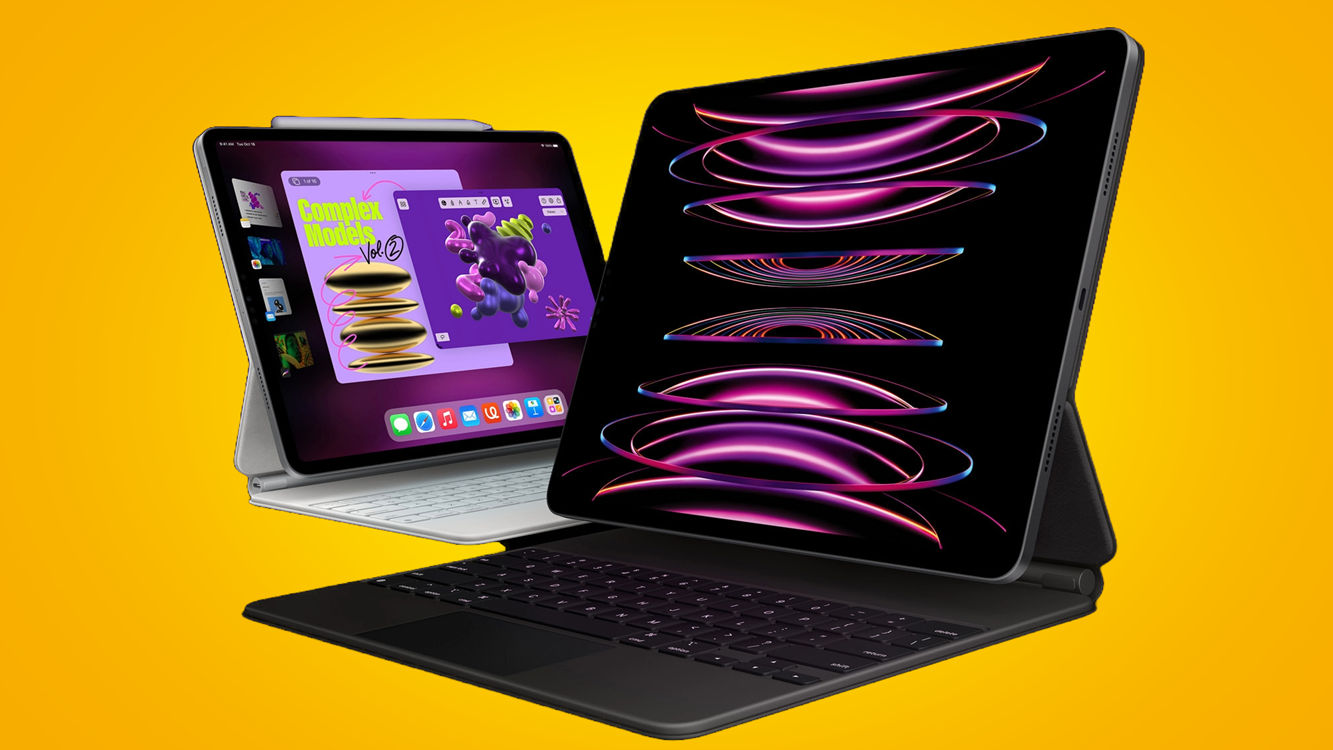
Apple Raises MacBook and iPad Prices as Global Memory Shortage Hits Consumer Electronics
Apple has announced fresh price increases across several MacBook and iPad models, marking one of the company’s clearest signs yet that rising memory and storage costs are now being passed directly to consumers. The move comes after Apple CEO Tim Cook recently warned that price hikes were becoming unavoidable due to a sharp surge in component costs linked to the artificial intelligence boom.
The company announced the changes on Thursday, and the reaction from investors was immediate. Apple shares closed more than 6 percent lower, marking the company’s worst single-day fall since April 2025. The decline reflected investor concerns that higher prices could affect consumer demand, especially at a time when buyers are already facing inflationary pressure across technology products.
Apple said the consumer electronics industry is dealing with an “unprecedented challenge” as demand for memory and storage components rises sharply. The company pointed to the rapid expansion of AI data centers as one of the main reasons behind the shortage. These data centers require huge amounts of high-performance memory, reducing supply available for laptops, tablets, smartphones and other consumer devices.
Apple Announces Price Hikes Across Key Devices
The latest price changes affect some of Apple’s most popular MacBook and iPad models. According to the new pricing structure, the entry-level MacBook Neo has increased from $599 to $699. The MacBook Air 512GB model has gone up from $1,099 to $1,299, while the MacBook Pro 1TB model has risen from $1,699 to $1,999.
Apple has also increased prices for iPad models. The iPad Air 128GB has moved from $599 to $749, while the iPad Pro Wi-Fi 256GB has increased from $999 to $1,199. These hikes show that Apple is not limiting the impact to premium devices only. Both mid-range and high-end models are now affected.
Apple’s online store briefly went offline on Thursday morning before returning with the updated prices. Such temporary shutdowns are common when Apple updates product pages, but this time the changes were not related to new product launches. Instead, the store reopened with higher prices for existing models, making the shift more noticeable for consumers.
The company said it had tried to absorb the rising costs for as long as possible but had now “reached a point” where price increases were necessary. Apple also left open the possibility of additional hikes in the future, saying the current situation may require further adjustments across more products.
Tim Cook Warned That Price Increases Were Coming
The price hikes did not come as a complete surprise. Last week, Apple CEO Tim Cook told The Wall Street Journal that the company could no longer fully protect customers from rising component costs. Cook described the current memory and storage price surge as a rare and extreme market event.
“This is a hundred-year flood,” Cook said, describing the scale of the supply pressure. He added that he had never seen anything similar in more than 40 years in the industry. His comments suggested that Apple was facing a cost environment unlike anything it had dealt with in recent decades.
Memory and storage are essential parts of almost every Apple product. MacBooks, iPads and iPhones all depend on these components to run apps, store data and support advanced features. When the cost of memory rises sharply, it becomes difficult for a company like Apple to maintain the same pricing without hurting its profit margins.
Apple has traditionally been known for protecting its margins carefully. The company often uses product mix, storage upgrades and premium models to increase average selling prices. However, the latest increases are more direct because they raise the base prices of specific products.
AI Data Centers Are Driving the Memory Crunch
One of the biggest reasons behind the price hikes is the growing demand for memory used in artificial intelligence infrastructure. As major technology companies build more AI data centers, the need for high-bandwidth memory has surged. This type of memory is used in advanced AI servers and graphics processors that power large language models, cloud computing systems and machine learning platforms.
Suppliers are now prioritizing production for AI-related components because demand is strong and profit margins are high. This shift has reduced available supply for regular consumer electronics, including laptops, tablets and smartphones. As a result, companies such as Apple are facing higher costs for memory and storage parts.
According to Counterpoint Research, memory and storage prices have quadrupled in the past three quarters. That is a major cost shock for the electronics industry. When a key component becomes four times more expensive in less than a year, manufacturers have limited choices. They can absorb the cost and accept lower margins, redesign products, reduce storage options or raise prices.
Apple appears to be choosing a mix of strategies. The latest price hikes show direct cost transfer to consumers, while previous product changes suggest Apple may also be removing cheaper configurations and encouraging customers to buy higher-priced models.
Chipmakers Benefit as Device Makers Face Pressure
While Apple and other electronics companies are facing pressure, chipmakers are benefiting from the same market conditions. Micron, one of the major memory chip suppliers, recently reported that its revenue in the latest quarter more than quadrupled. The company’s gross margin also jumped sharply from 39 percent a year ago to 84.9 percent in the most recent quarter.
That margin level is unusually high and shows how profitable the memory market has become during the AI boom. Micron’s performance even surpassed some of the biggest names in technology, including Nvidia and Meta, in terms of gross margin.
For chipmakers, the AI-driven demand has created a powerful business opportunity. For device makers, however, the same trend creates a difficult pricing problem. Companies like Apple rely on memory and storage chips for consumer products, but they must compete with AI server demand for supply.
This imbalance has created a split in the technology sector. Semiconductor companies that produce memory chips are seeing strong revenue growth, while consumer electronics companies are struggling to control costs without damaging demand.
Apple Shares Fall After Price Announcement
Apple’s share price fell more than 6 percent on Thursday after the announcement, marking its worst daily performance in over a year. Investors appeared concerned that higher prices could reduce demand for MacBooks and iPads, especially among students, professionals and families who are sensitive to price changes.
Apple products already sit in the premium segment of the market. A $100 to $300 increase on key models may push some buyers to delay purchases, choose lower specifications or consider rival products. The biggest risk is that higher prices could reduce unit sales at a time when the global PC and tablet markets remain competitive.
However, Apple may also be betting that its loyal customer base and strong ecosystem will allow it to absorb some demand pressure. Many Apple users are already deeply connected to the company’s software and services, including iCloud, Apple Music, iMessage, FaceTime and the App Store. This ecosystem often makes customers less likely to switch to rival platforms.
Still, the market reaction shows that investors are worried. Price increases can support revenue per device, but they can also create pressure on sales volumes. Apple must now balance higher average selling prices with the risk of weaker demand.
Apple’s Pricing Strategy Has a Familiar Pattern
Apple has often used pricing and configuration changes to increase revenue without always announcing direct price hikes. In the past, the company has removed lower-cost models, made higher storage capacity the new starting point, or guided consumers toward Pro models and premium configurations.
The Mac mini recently showed an early example of this approach. In May, Apple stopped selling its lowest-priced configuration, removing the $599, 256GB option from the lineup. The remaining entry model started at $799. This effectively raised the minimum price customers had to pay to buy a new Mac mini.
Apple has also long used storage upgrades as a way to increase the amount customers spend. Base models may appear more affordable, but many users choose higher storage options because entry-level storage can feel limited. This strategy helps Apple lift average selling prices without always changing the advertised starting price.
The latest MacBook and iPad hikes are more direct. Instead of only adjusting configurations, Apple has increased prices on specific models. This suggests the company sees the current component cost pressure as serious enough to require formal price changes.
iPhone Prices Could Be Next
Analysts believe Apple’s price increases may not stop with MacBooks and iPads. Tarun Pathak, research director at Counterpoint Research, estimates that higher component costs could add roughly $200 per iPhone for Apple. He expects price increases of about $150 to $200 across the iPhone lineup, especially for models with higher memory configurations.
This could be significant because the iPhone remains Apple’s most important product. Any price increase in the iPhone lineup would have a much larger impact on Apple’s revenue and consumer base than changes to MacBooks or iPads alone.
Apple may try to avoid sharp increases on base iPhone models to protect demand. Instead, it could raise prices more heavily on Pro models or higher-storage versions. This would fit Apple’s usual strategy of keeping entry points attractive while encouraging customers to move toward more expensive configurations.
The company may also use artificial intelligence features to justify higher prices. As Apple adds more AI capabilities to its devices, it can argue that newer models require better memory, faster chips and more advanced hardware.
Apple Intelligence Adds Another Reason for Higher Memory
Apple’s push into artificial intelligence may further increase demand for higher-memory devices. New AI features, especially those that run directly on the device, require more RAM and stronger processing power. This means future iPhones, iPads and Macs may need higher memory configurations as standard.
IDC expects all new iPhone models to move to 12GB of RAM as Apple works to ensure that new devices can support the full range of Apple Intelligence features. More advanced on-device AI tools, including the next generation of Siri, are expected to require newer hardware.
According to IDC estimates, around 54 percent of iPhones shipped since 2022 may not support the full new Siri experience. This creates a possible upgrade cycle for Apple, as users who want the latest AI features may need to buy newer devices.
For Apple, this presents both a challenge and an opportunity. Higher memory costs make devices more expensive to produce, but AI features can help the company explain why prices are rising. Instead of presenting higher prices only as inflation, Apple can frame them as part of a shift toward more capable, AI-ready hardware.
Consumers May Face a New Era of Expensive Electronics
Apple’s decision could signal a broader trend across the consumer electronics industry. If memory and storage prices remain high, other companies may also raise prices on laptops, tablets, smartphones, gaming consoles and other devices.
The AI boom is changing the supply chain for electronics. Components that were once mainly used for consumer products are now in heavy demand for data centers. This creates competition between everyday devices and large-scale AI infrastructure.
Consumers may begin to see the impact in several ways. Product prices may rise, base storage may become more expensive, cheaper configurations may disappear, and premium models may become more heavily promoted. Companies may also delay upgrades or redesign products to manage component costs.
For now, Apple is one of the first major consumer technology companies to make a clear pricing move in response to the memory shortage. Because Apple is a market leader, its decision may influence other companies. If consumers accept the higher prices, competitors may feel more comfortable making similar changes.
Conclusion
Apple’s MacBook and iPad price hikes show how deeply the AI boom is affecting the broader technology industry. What began as a surge in demand for AI servers and data centers is now reaching everyday consumers through higher prices on laptops and tablets.
The company says it has been forced to raise prices because memory and storage costs have increased too quickly and too sharply. CEO Tim Cook has described the situation as an extraordinary market event, while analysts warn that iPhones may be next in line for price increases.
For Apple, the challenge is to protect profit margins without weakening demand. For consumers, the message is clear: the cost of advanced electronics may continue to rise as AI reshapes the global supply chain.
The coming months will show whether these price hikes are temporary responses to a supply crunch or the beginning of a longer period of more expensive consumer technology.
Related Posts