American Search and Rescue Personnel Leave Venezuela After Earthquake Mission
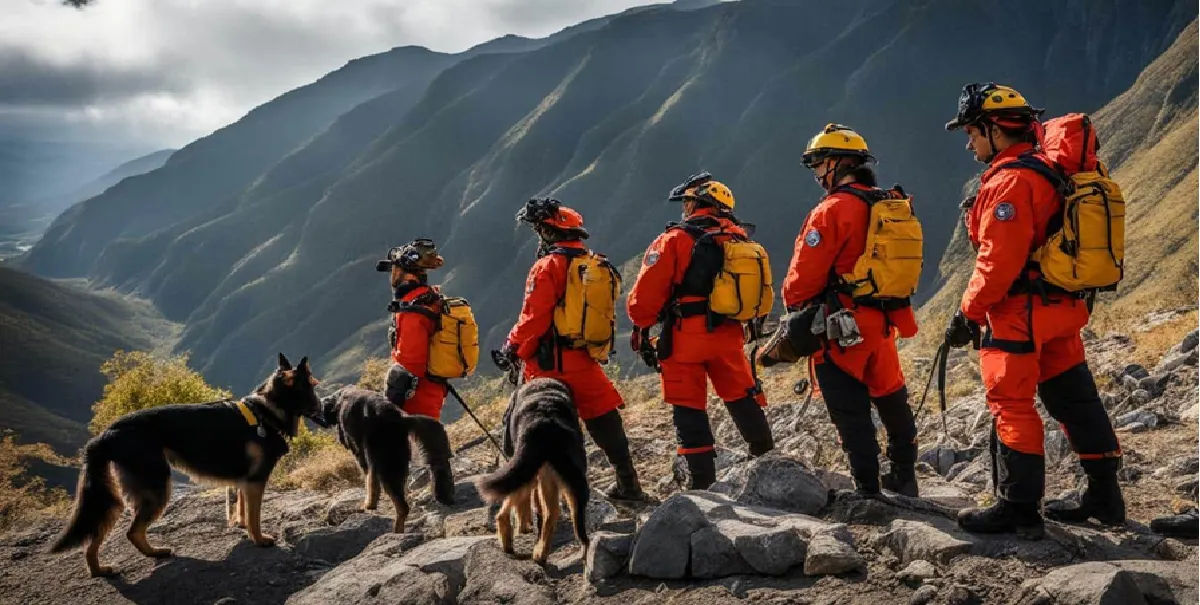
U.S. Search-and-Rescue Teams Return Home After Completing Venezuela Earthquake Mission
American urban search-and-rescue teams deployed to Venezuela after the country’s devastating earthquakes have completed their emergency mission and returned to the United States. The specialist units spent several days searching collapsed structures, locating trapped victims and supporting Venezuelan and international responders in some of the worst-affected communities.
The withdrawal of the American rescue units marks the conclusion of the intensive life-saving search phase of the U.S. operation. However, it does not mean that all American humanitarian assistance to Venezuela has ended. Medical assistance, food distribution, shelter support, logistics and other recovery programmes are continuing as the country faces the enormous task of rebuilding damaged communities.
The rescue mission brought together hundreds of emergency specialists, trained search dogs, medical personnel, structural engineers and military aviation crews. Their deployment represented one of the most significant international disaster-response operations launched after the two powerful earthquakes struck Venezuela on June 24, 2026.
Four Specialist American Rescue Teams Complete Their Mission
The U.S. Embassy in Caracas confirmed that four American Urban Search and Rescue—or USAR—teams had completed their assignments and returned home.
The participating groups included:
Virginia Task Force 1 from Fairfax County
Los Angeles County Fire Department’s rescue team
City of Miami Fire Rescue
Miami-Dade Fire Rescue
Together, the units brought extensive experience in handling collapsed buildings, earthquakes, hurricanes and other large-scale emergencies. A U.S. State Department briefing said that more than 310 American search-and-rescue specialists from Fairfax County, Los Angeles and the Miami area had been working on the ground during the emergency response.
Their personnel included firefighters, paramedics, doctors, technical rescue specialists, communications staff, engineers and logistics experts. The deployment also included canine search teams trained to detect people trapped beneath concrete, steel and other debris.
The U.S. Embassy praised the rescuers for their courage, technical ability and commitment to affected Venezuelan families. It said the teams had saved lives and provided hope during an extremely difficult period.
Why the American Rescue Teams Were Sent to Venezuela
Venezuela requested international assistance after two major earthquakes hit the country in rapid succession on June 24. Initial assessments placed the earthquakes at approximately magnitude 7.2 and magnitude 7.5, although some preliminary reports described the first movement as magnitude 7.1.
The earthquakes struck north-central Venezuela and caused severe destruction, particularly in La Guaira and surrounding coastal communities. Buildings collapsed, roads were damaged, communications were interrupted and thousands of residents were displaced from their homes.
Because survivors trapped beneath collapsed structures can remain alive for several days, the period immediately following a major earthquake is considered critical. Venezuela required specialised equipment and personnel capable of entering unstable buildings, cutting through reinforced concrete and locating people in areas that were too dangerous for untrained volunteers.
In response to a formal request from the Venezuelan authorities, the United States began moving emergency personnel, aircraft, ships, medical resources and humanitarian supplies towards the country. The operation was led diplomatically by the U.S. Department of State, while the U.S. Southern Command—SOUTHCOM—provided military transportation, logistics and coordination support.
Rescuers Worked in Dangerous and Unstable Conditions
The American teams were assigned to areas where buildings had completely or partially collapsed. Their work involved evaluating whether damaged structures were safe enough to enter and identifying spaces where survivors could potentially remain alive.
Search-and-rescue specialists used cameras, listening devices, concrete-cutting tools and structural monitoring equipment. The canine teams were particularly important because trained dogs can detect human scent in areas that may not be visible or accessible to rescuers.
Once a possible survivor was identified, the teams had to remove rubble carefully. Moving the wrong piece of concrete could cause an unstable structure to collapse further, endangering both the victim and the rescuers.
The operation required continuous coordination between American teams, Venezuelan emergency workers and rescue groups from other countries. International specialists worked through difficult weather, dust, damaged roads, disrupted electricity and the continuing risk of aftershocks.
Among the most widely reported rescues was the recovery of a mother and her nine-month-old baby from a collapsed building. Fairfax County personnel also participated in operations that located other people trapped beneath rubble several days after the earthquakes.
These rescues demonstrated why specialist international teams are often deployed quickly after large earthquakes. Even when the possibility of finding survivors begins to decline, trained personnel can continue examining spaces that local responders may not have the equipment to access safely.
Search Dogs Played a Critical Role
The American deployment included several trained K-9 search teams. These dogs were used to identify human scent beneath layers of concrete, metal, household materials and soil.
Search dogs can cover large damaged areas more quickly than human teams working alone. When a dog indicates the possible location of a person, technical rescue specialists use cameras, microphones and other devices to confirm whether someone may be trapped inside.
The dogs were accompanied by trained handlers who monitored their health and behaviour throughout the mission. Working on sharp rubble in high temperatures can be dangerous for the animals, so rest, hydration and veterinary support were essential parts of the deployment.
Reports from participating U.S. agencies said the broader American team included hundreds of rescuers and numerous canine units, highlighting the scale of the operation.
U.S. Military Aircraft Supported the Humanitarian Response
The U.S. rescue mission depended heavily on military air and sea transportation. The earthquakes damaged infrastructure and created logistical problems that made it difficult to move large teams and heavy equipment through the affected regions.
The U.S. Southern Command deployed aircraft and military personnel to transport rescuers, relief supplies and essential equipment. Marine Corps MV-22 Osprey aircraft were used to move personnel and resources, while UH-1Y Venom helicopters supported operations and assessments in affected areas.
Large transport aircraft also carried rescue teams and thousands of kilograms of specialised equipment into Venezuela. This equipment included concrete-cutting devices, medical supplies, tents, communications systems, protective clothing and tools used to stabilise damaged structures.
U.S. military crews helped move not only American personnel but also rescue specialists from partner countries. SOUTHCOM said its role was to support the State Department-led humanitarian response by providing rapid transportation, logistics and other capabilities that civilian organisations might not have been able to mobilise as quickly.
The USS Fort Lauderdale was also positioned at La Guaira to provide communications, medical and logistical support during the operation. American forces assisted with the movement of food, water and emergency materials to affected locations.
Why the Rescue Teams Returned Home
Urban search-and-rescue deployments are normally limited to the period in which specialists have a realistic opportunity to locate and extract survivors. As time passes after an earthquake, rescue operations gradually move towards body recovery, humanitarian relief and reconstruction.
The departure of the American teams was therefore described by U.S. authorities as the completion of their assigned mission rather than an abrupt cancellation of assistance. The State Department confirmed that the four American teams had “accomplished their mission” and returned to their home bases.
Virginia Task Force 1 returned to Fairfax County on July 6 after working in Venezuela. Teams from Florida and California also returned after completing their operations.
Their departure occurred as several other international rescue groups began leaving Venezuela and emergency authorities shifted greater attention towards medical treatment, temporary housing, debris removal and long-term recovery.
Nevertheless, some local and international personnel continued searching selected sites where authorities believed victims might still be found. Reuters reported on July 11 that search operations were continuing at a small number of uncertain locations.
Humanitarian Assistance Continues After the Rescue Mission
The return of the specialised rescue teams does not represent the end of the wider U.S. response. The United States has continued supporting food distribution, emergency shelter, medical treatment, water supply, sanitation and other humanitarian requirements.
According to U.S. officials, the American assistance commitment exceeded $300 million during the initial response period. The funding was intended to support Venezuelans affected by the earthquakes and strengthen the work of humanitarian organisations operating in damaged communities.
The recovery phase is expected to last much longer than the emergency search operation. Thousands of people require temporary accommodation, while damaged hospitals and public services face significant pressure.
Humanitarian organisations must also address the risk of infectious diseases, unsafe drinking water, interrupted medical treatment and poor sanitation in temporary settlements.
Earthquakes Leave Thousands Dead and Injured
The scale of the Venezuelan disaster became clearer as emergency teams gained access to damaged areas. By July 11, Venezuelan authorities reported that 4,333 people had died and 16,740 had been injured. Hundreds of bodies had not yet been formally identified, and thousands of residents had lost their homes.
Authorities also reported extensive structural damage. Hundreds of buildings were affected, including residential blocks that had collapsed or suffered serious structural failure.
The earthquakes placed enormous pressure on a country already experiencing economic difficulties and weaknesses in its public infrastructure. Hospitals faced shortages of space, medicines and equipment, while rescue workers struggled to reach some communities because of damaged roads and blocked access routes.
The United Nations and international humanitarian organisations began mobilising resources for approximately 1.3 million affected people, as the focus moved from immediate rescue towards shelter, healthcare and reconstruction.
International Cooperation Became Essential
The Venezuela operation involved rescue and humanitarian teams from several countries. American responders worked alongside specialists from nations including Argentina and Mexico, while other governments deployed personnel, supplies, medical units and financial assistance.
International assistance was particularly important because a disaster of this size can overwhelm even a well-resourced national emergency system. Search teams must operate simultaneously at numerous collapsed buildings, while hospitals, shelters and supply networks also require additional personnel.
The U.S. operation demonstrated how military logistics and civilian rescue expertise can work together during a humanitarian crisis. Civilian teams performed technical searches and extractions, while military forces provided transportation, communications and access to affected locations.
The mission also carried diplomatic importance because the United States and Venezuela have experienced years of political tension. Despite those differences, the emergency created an opportunity for cooperation centred on saving lives and supporting affected communities.
Rescuers Leave Behind an Important Humanitarian Legacy
For the American responders, the mission involved witnessing widespread destruction and families waiting anxiously for information about missing relatives. Team members returning to the United States described the emotional impact of working among collapsed homes and devastated communities.
Venezuelan families and members of Venezuelan communities in the United States thanked the personnel for travelling to the disaster area and helping people during the country’s most serious emergency in years.
The U.S. Embassy said the rescuers had left an enduring mark of solidarity through their work. Their contribution included not only successful rescues but also technical cooperation with Venezuelan and international emergency personnel.
The trained dogs, medical specialists, engineers, firefighters and aircraft crews became part of a much larger international response involving thousands of people.
Venezuela Now Faces a Long Recovery
With the intensive international search phase gradually ending, Venezuela must now manage an extremely difficult reconstruction process.
Damaged buildings must be inspected before residents can return. Structures considered unsafe will need to be demolished, while new housing must be constructed for displaced families. Roads, schools, hospitals, electricity networks and water systems will also require repairs.
Officials have estimated that tens of thousands of new homes may be needed. The government has identified land for reconstruction and announced plans to begin providing housing to affected families, but the full rebuilding process could take years.
Families will also require long-term psychological, financial and medical support. Many survivors have lost relatives, homes, employment and personal belongings.
Conclusion
The departure of the American urban search-and-rescue teams represents the completion of an important phase in the international response to Venezuela’s earthquakes.
Specialists from Fairfax County, Los Angeles County, the City of Miami and Miami-Dade County worked with Venezuelan and international responders to search collapsed structures and rescue survivors. Their mission was supported by trained dogs, engineers, medical personnel, military aircraft, helicopters and extensive logistical resources.
Although these specialist teams have returned home, the humanitarian emergency is far from over. Venezuela continues to face a rising death toll, thousands of injured and displaced residents, severely damaged infrastructure and a long reconstruction process.
The operation will be remembered as an example of international cooperation during a humanitarian disaster, demonstrating how emergency personnel from different countries can work together to save lives despite political and diplomatic differences.
Tags:
Related Posts