Trump Claims Credit for Walmart Price Cuts, but Company Statement Leaves Out Government's Role
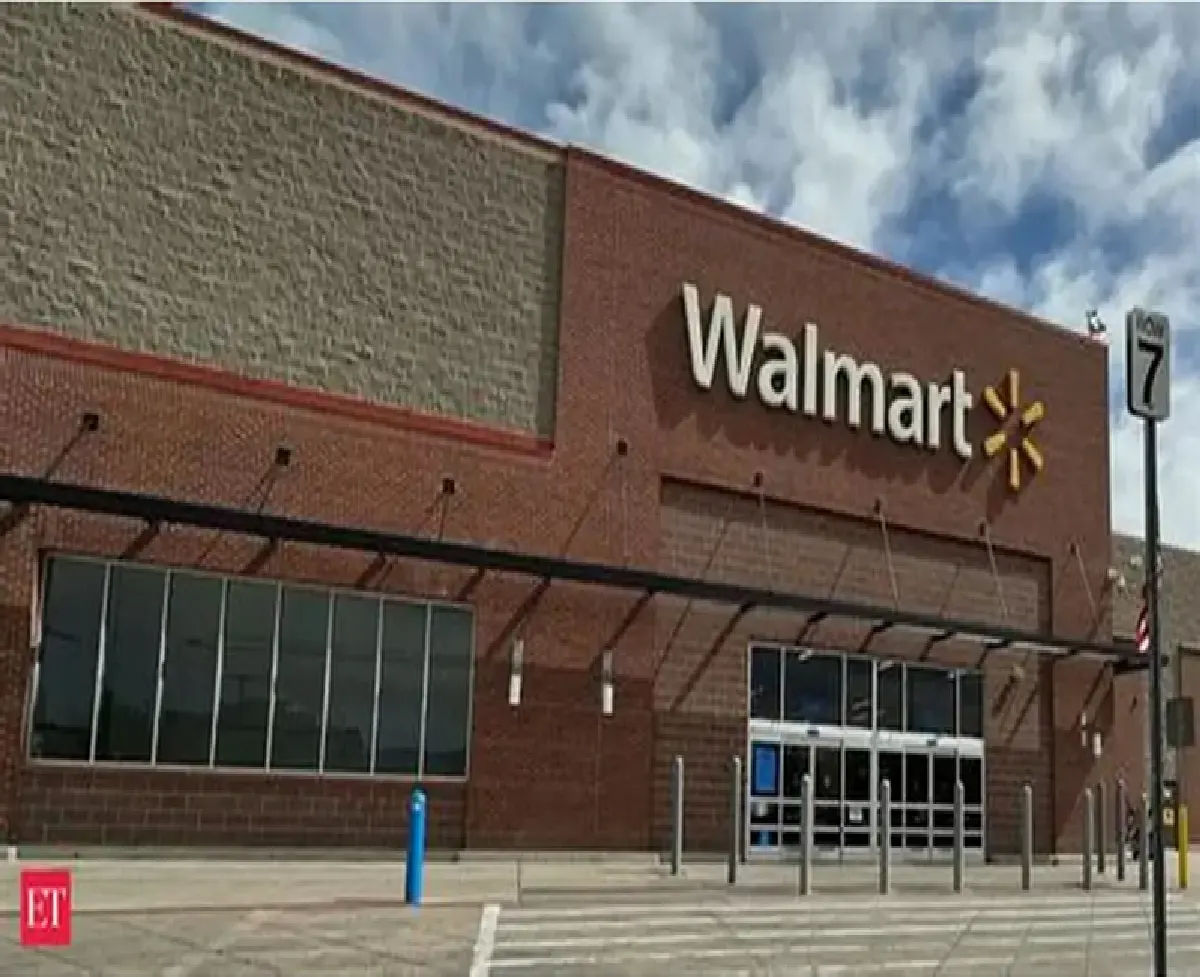
Trump Claims Walmart Cut Prices at His Request, but Retailer’s Statement Avoids Mention of Administration Role
Walmart Price Cuts Spark Political and Market Debate
Walmart’s latest price reductions have become a major talking point in the United States after President Donald Trump claimed that the retail giant lowered prices at his administration’s request. The statement came at a time when food affordability, inflation, and household budgets remain important issues for American consumers.
According to reports, the Trump administration had been pushing major grocers to bring down beef prices ahead of the July 4th holiday weekend, a period when demand for barbecue items such as ground beef, hot dogs, chips, and soft drinks usually increases. Walmart later announced price cuts on several summer products, including ground beef, Coca-Cola, PepsiCo beverages, chips, fresh produce, and seasonal goods. However, Walmart’s own statement framed the move as part of its regular summer savings and rollback campaign, without directly crediting the Trump administration.
Trump Takes Credit for Walmart’s Price Cuts
President Trump publicly said that Walmart would be lowering prices “at my Administration’s request” as part of celebrations linked to America’s 250th birthday. He specifically highlighted the reduction in ground beef prices and encouraged other retailers to follow Walmart’s example.
Trump’s remarks quickly turned the corporate price-cut announcement into a political story. The president presented the decision as evidence that his administration was working to reduce costs for American families. At a time when inflation and grocery prices remain sensitive issues for voters, the claim allowed the administration to show action on affordability.
However, the key issue is that Walmart’s statement did not directly say the price cuts were made because of the White House or Trump administration. Instead, the company described the discounts as part of its effort to help customers save during the summer season.
Walmart Frames Discounts as Summer Savings
In its announcement, Walmart said that Walmart and Sam’s Club are lowering prices on thousands of items to help customers and members make the most of summer while spending less. The company said the savings cover categories such as grocery, household essentials, outdoor living, toys, apparel, grilling items, and beverages.
The company’s statement focused on consumer value rather than politics. Walmart Executive Vice President and Chief Merchant Julie Barber said customers count on Walmart for value every day and that the company is making further price investments during the summer.
This difference in wording is important. Trump claimed the move followed his administration’s request, while Walmart presented the move as a seasonal business decision aimed at customers facing high living costs.
Ground Beef Price Cut Gets Most Attention
The most talked-about price reduction was on ground beef. Walmart said the price of a 1 lb. 73% ground beef roll would fall to $5.94 from $6.74, which is a decline of about 12%. Trump described the reduction as nearly 15%, but Walmart’s own listed prices show the cut was closer to 12%.
This price cut matters because beef prices have been a major concern for American households. Beef is a popular item during the summer grilling season, especially around July 4th. When prices are high during peak demand, consumers feel the pressure more directly.
Walmart also reduced prices on other summer items. These included sweet corn, cherries, ice cream, potato chips, disposable plates, Coca-Cola 24-packs, Pepsi, Dr. Pepper, and Diet Mountain Dew packs. Some of these discounts were significant, including a sharp cut in cherries and a major reduction in soda prices.
White House Reportedly Pressured Grocers on Beef Prices
According to the Wall Street Journal, the White House and the U.S. Department of Agriculture had contacted major grocers before the July 4th holiday weekend to discuss beef pricing. The reported outreach included large retailers such as Walmart, Kroger, and Albertsons.
The administration’s concern was linked to high beef prices and consumer frustration over inflation. July 4th is one of the most important food-shopping periods in the United States because families often buy grilling items for barbecues and gatherings.
Reports said Walmart already had plans to lower prices on many summer items, including beef, before the public announcement. After the administration learned about the company’s plans, Trump claimed credit for the move on social media.
Why Beef Prices Became a Political Issue
Beef prices have remained high due to supply problems in the cattle industry. Reuters reported that record-high beef prices have strained American consumers, while drought, high feed costs, and reduced cattle herds have made it difficult to increase domestic beef supply quickly. Economists have warned that rebuilding cattle herds can take years.
This is why beef prices became politically important. When families see high prices for everyday food items, they often blame the government, even if the reasons are linked to supply chains, weather, farming costs, or global markets.
For the Trump administration, pushing grocers to lower prices gave it a way to show that it was taking action on the cost-of-living issue. For Walmart, lowering prices helped strengthen its image as a value-focused retailer at a time when consumers are still watching their spending carefully.
Walmart’s Price Cuts Cover More Than Beef
Although the political discussion focused mainly on ground beef, Walmart’s discounts were broader. The company said customers could expect lower prices across multiple categories. The listed rollbacks included fresh sweet corn on the cob at $0.25, down from $0.68, and fresh red cherries at $5.63, down from $11.18.
The price of Coca-Cola 24-packs dropped to $9.97 from $14.97, while Pepsi, Diet Pepsi, Dr. Pepper, and Diet Mountain Dew 24-packs were reduced to $9.97 from $13.97. Walmart also lowered prices on snacks such as Lay’s Classic Potato Chips and Frito-Lay Family Fun Variety Packs.
Sam’s Club also joined the price-cut campaign, reducing prices on more than 250 seasonal products, including chicken wings, beef hot dogs, ground beef, and pork ribs.
A Business Move or Political Pressure?
The main question in this story is whether Walmart’s price cuts were mainly the result of business strategy or political pressure. The answer may be a combination of both.
From a business perspective, Walmart often uses rollbacks to attract shoppers and defend its reputation as a low-price retailer. Lower prices can help increase store traffic, protect market share, and keep customers loyal during inflationary periods.
From a political perspective, the Trump administration appears to have wanted retailers to show visible action on prices before a major national holiday. The administration reportedly contacted grocers about beef prices, and Trump then publicly praised Walmart after its announcement.
However, because Walmart’s statement did not directly mention the administration’s role, the company appeared to keep the announcement focused on customers rather than politics.
Wall Street Analysts Support Walmart’s Move
Walmart’s price cuts also drew attention from Wall Street analysts. According to Stock twits, Bank of America analyst Christopher Nardone said the price reductions were expected to be funded through spending already included in Walmart’s guidance and through tariff-related refunds.
This matters because investors often worry that price cuts may hurt profit margins. If a company lowers prices too much, it can reduce revenue or profit per item. However, analysts suggested Walmart had enough financial flexibility to absorb the discounts without damaging its profit outlook.
Stocktwits reported that Mizuho also maintained its “Outperform” rating on Walmart and kept a $137 price target, implying about 24% upside from the stock’s previous close.
Tariff Refunds and Fuel Costs May Support Walmart
Analysts also pointed to possible financial support from tariff refunds and lower fuel costs. According to Stocktwits, Walmart expects tariff refunds exceeding $2 billion, with part of that amount already received. These refunds could help the company fund discounts without putting heavy pressure on margins.
Fuel costs are another important factor for Walmart because it operates a massive logistics network. Stocktwits reported that Walmart had earlier built about $925 million of additional fuel expenses into its annual outlook, but Mizuho now estimates the full-year fuel impact may be closer to $700 million to $800 million.
Lower fuel costs can reduce transportation expenses and give Walmart more room to offer price cuts. This is why some analysts believe the discounts are manageable for the company.
Walmart Stock Remains in Focus
Walmart’s stock also became a focus for investors after the announcement. According to Stocktwits, Walmart shares were heading for a fourth straight week of losses, even though analysts were supportive of the company’s latest price-cut strategy.
Stocktwits also reported that retail sentiment around Walmart turned “neutral” from “bullish” the previous day, while message volume around the stock surged 600% over the past week. This shows that traders and retail investors were paying close attention to the story.
The market reaction shows that investors are weighing both sides. On one hand, lower prices may help Walmart attract more customers. On the other hand, price cuts can raise questions about margins, competition, and whether retailers are entering a new price war.
Jim Cramer Sees Buying Opportunity
The story also attracted commentary from well-known market voices. Stocktwits reported that Jim Cramer, host of CNBC’s “Mad Money,” said Walmart’s recent pullback from its May record high could present an attractive buying opportunity. He argued that some of Walmart’s biggest challenges may be easing.
This view suggests that some market watchers believe Walmart remains strong despite short-term stock weakness. The company has a large customer base, a strong grocery business, and a reputation for affordability. These strengths can help it perform well when consumers are cautious about spending.
Still, investors should remember that analyst commentary is not a guarantee of stock performance. Walmart’s future movement will depend on sales, margins, consumer spending, tariffs, fuel costs, and competition.
Why This Story Matters for Consumers
For consumers, the most important part of the story is simple: some everyday items are becoming cheaper at Walmart and Sam’s Club. Lower prices on beef, soda, chips, corn, and seasonal goods may help families save money during summer shopping.
This is especially relevant at a time when many households remain concerned about grocery bills and overall inflation. Even small price cuts can matter for families that buy these items frequently.
However, it remains unclear whether these price reductions will be temporary summer promotions or part of a longer-term pricing strategy. Walmart described the discounts as summer savings, which suggests some may be seasonal.
Why This Story Matters Politically
Politically, the story shows how closely food prices are tied to public opinion. High grocery prices can become a major issue for any government because consumers feel them every week.
Trump’s decision to publicly claim credit for Walmart’s price cuts shows that the administration wants to connect itself with lower consumer prices. But Walmart’s decision not to mention the administration in its official statement created a gap between the political claim and the corporate message.
This gap is why the headline became controversial: Trump says Walmart cut prices at his request, but Walmart’s statement omits the administration’s role.
Conclusion
The Walmart price-cut story combines consumer affordability, corporate strategy, political messaging, and stock market analysis. President Trump claimed that Walmart lowered prices at his administration’s request, while Walmart’s own statement focused on summer savings and customer value without directly mentioning the White House.
The biggest discount highlighted was on ground beef, with Walmart reducing the price of a 1 lb. 73% ground beef roll from $6.74 to $5.94. The company also lowered prices on beverages, snacks, produce, household goods, and seasonal products.
For consumers, the move may bring some relief during the summer shopping season. For Walmart, it strengthens the company’s value image. For the Trump administration, it offers a political message on inflation and affordability. For investors, analysts appear cautiously supportive, arguing that tariff refunds, fuel savings, and existing financial planning may help Walmart absorb the discounts.
Overall, the story reflects how grocery prices have become both an economic and political battleground in the United States.
Tags:
Related Posts