Two decades on from the Cronulla violence: are social attitudes any different from the day racial tensions burst into the open?
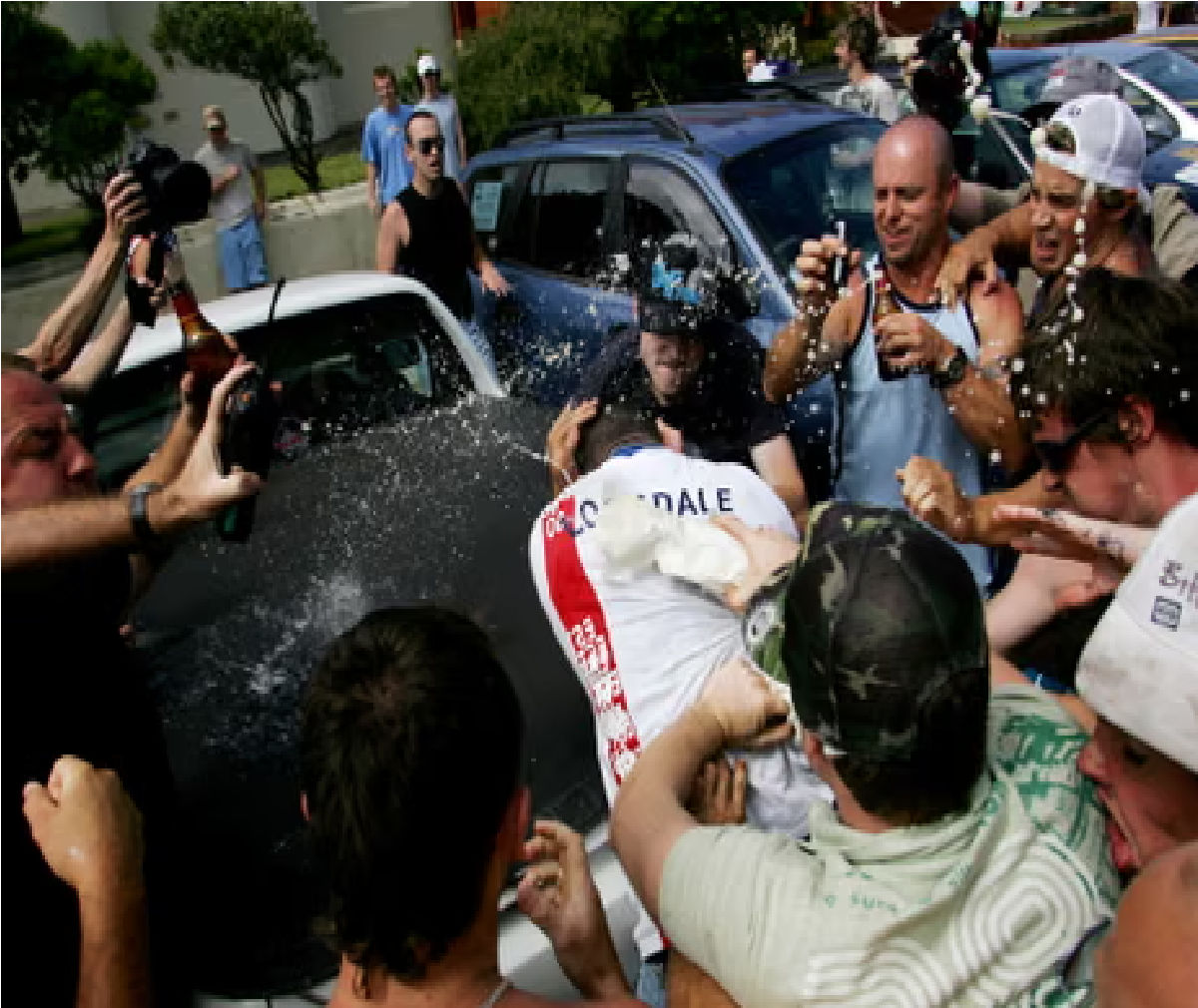
Cronulla Riots 20 Years On: How Much Have Attitudes Shifted Since That Explosive December Day?
Twenty years have passed since the scorching December afternoon in 2005 when racial tensions erupted at Cronulla Beach, marking one of the most unsettling chapters in modern Australian social history. What began as a gathering supposedly intended to “reclaim the beach” spiraled into a violent outburst of mob behaviour, fuelled by anger, misinformation, and long-simmering cultural resentment. The Cronulla riots quickly became symbolic of the nation’s struggle with multiculturalism, belonging, and identity.
Two decades later, the central question remains: Have attitudes truly changed? And if so, in what ways?
As Australia reflects on that infamous day, voices from Cronulla, community leaders, researchers, and young residents reveal a complex mix of progress, persistent stereotypes, and new challenges reshaping conversations about race and social cohesion.
A Day That Still Haunts the National Memory
The riots of December 11, 2005 were not an isolated event. They followed weeks of tension between groups of beachgoers, lifeguards, and young men of Middle Eastern background. What could have remained a local dispute instead became a national flashpoint once talkback radio campaigns, text-message chains, and inflammatory commentary urged crowds to gather at Cronulla.
By midday, thousands converged on the beach. Alcohol flowed freely, anger boiled over, and soon violent attacks targeted anyone who looked “Middle Eastern.” Retaliatory assaults erupted across Sydney in the days that followed. Australia watched in disbelief as the beaches it proudly marketed as symbols of freedom became scenes of division and aggression.
For many, that day shattered the belief that Australia’s multicultural experiment was immune to racial fracture.
Twenty Years Later: A Community Changed, but Not Erased
Walking along the Cronulla foreshore today, it is difficult to imagine the chaos of 2005. Cafés spill onto the footpaths, young families picnic by the water, and tourists wander across the promenade. On the surface, harmony appears restored.
Local resident and shop owner, Michael Harwood, says most people prefer not to think about the riots anymore.
“People remember it, of course, but they don’t want Cronulla to be defined by that day,” he explains. “Most of us get along fine now. The area’s changed a lot.”
Indeed, Cronulla has evolved significantly. Population growth, increased cultural diversity, and better community engagement programs have shaped a more inclusive environment. Schools host multicultural events, local councils run anti-racism workshops, and youth sports clubs emphasize respect and teamwork.
But beneath the surface, not everyone agrees the lessons have fully sunk in.
Experts Warn Against Forgetting the Past
Sociologists who have studied the Cronulla riots say that while public attitudes have shifted, deeper cultural biases still linger in subtle ways.
Dr. Helen Rowe, a researcher specialising in Australian social identity, notes:
“The language might have changed, but the mindset sometimes hasn’t. In 2005, the racism was loud and obvious. Today, it’s often quieter—more coded, more restrained—but still present.”
She explains that major events such as global conflicts, political debates about immigration, and social media rhetoric continue to influence public attitudes, sometimes reigniting the same anxieties that were visible during the riots.
Impact of Social Media: A New Arena of Tension
If radio broadcasts and text messages helped fuel the unrest in 2005, social media would have magnified it exponentially had it existed in the same form back then.
Today, platforms like Facebook, TikTok, and X (formerly Twitter) play a significant role in shaping public opinion. Comments sections regularly become battlegrounds for arguments about cultural differences, immigration policies, and stereotypes.
Local high-school teacher Asha Khan says misinformation spreads faster than ever:
“Young people are exposed to everything—unfiltered opinions, anger, memes, nationalism, racism. Some of them internalize what they see without understanding context. We constantly remind students to think critically.”
This new digital landscape has made social cohesion an ongoing challenge. Yet it has also empowered positive campaigns promoting unity, cultural celebration, and anti-racism awareness.
Attitudes Among Younger Generations: More Inclusive, but Still Divided
A striking shift over the past twenty years is the changing mindset among youth who were not yet born in 2005.
For many younger Australians, diversity simply feels normal. They study together, play sports together, and form friendships across cultural lines in ways that were less common for earlier generations.
19-year-old student Emily Peters, born five years after the riots, shares:
“We learn about Cronulla in school, but it feels like something from another time. Most of my friends come from different backgrounds. It’s not a big deal for us.”
Yet others caution that racism has not disappeared—only changed form.
Teenager Karim Ali, whose family migrated from Lebanon, says:
“You don’t usually face open racism here. But sometimes you hear comments, jokes, stereotypes about ‘Middle Eastern people’ or ‘Aussies’. It’s subtle, but you notice it.”
These mixed experiences point to a generation in transition—not bound by the same tensions of 2005, but still navigating the remnants of old prejudices.
Local Leaders Reflect: ‘We Have Come Far, but Not Far Enough’
Community leaders in Sydney’s southern suburbs agree that while the region is more peaceful today, complacency is dangerous.
Former councillor Linda Barnett, who was in office during the riots, says:
“Cronulla is no longer the same place it was in 2005. We have stronger dialogue between communities. But attitudes don’t change overnight. It takes constant effort.”
She highlights several initiatives that have helped foster understanding:
- youth outreach programs connecting Cronulla and Western Sydney communities
- cross-cultural beach safety workshops
- art projects celebrating multicultural stories
- annual “Harmony Day by the Sea” events
Still, she warns that periodic tensions elsewhere in Australia show how fragile progress can be.
National Reflection: What Cronulla Means for Australia Today
Cronulla remains a powerful symbol—not just of what happened, but of what could happen again if social cohesion is ignored.
Over the years, politicians, journalists, and researchers have revisited the riots during debates about:
- immigration policy
- anti-terror laws
- refugee intake
- national identity
- policing and public order
Each time, the events of 2005 serve as a reminder of the dangers of unchecked rhetoric, fear-mongering, and “us vs. them” narratives.
Many argue that Australia has become more self-aware since then. Public conversations about racism are more open, and institutions are more willing to address discrimination. Campaigns like “Racism. It Stops with Me” have nationwide reach.
Yet the persistence of hate speech online, culture-based political debates, and occasional flare-ups at sporting or public events show that the underlying issues have not disappeared entirely.
Voices From the Middle Eastern Community: Healing, but Scars Remain
For people of Middle Eastern background who lived through the riots, the memory is still raw.
Samir Haddad, who was a teenager in 2005, recalls:
“It felt like the whole country was against us. Even people who didn’t participate still justified it. That was the painful part.”
He admits the relationship between communities has improved, but says lingering distrust occasionally surfaces when national conversations turn heated.
Others emphasize that many Middle Eastern families have become deeply integrated into Cronulla and surrounding areas.
Nadia Bittar, a local mother of two, says:
“My kids feel completely at home here. They play on the same beaches. They have friends from everywhere. The past doesn’t define our present.”
Her perspective reflects the steady social blending that has occurred as new generations grow up with shared experiences rather than shared divisions.
Have Attitudes Changed? The Answer Is Complicated
After two decades, Australia is undeniably more diverse, more connected, and more aware of racial issues. But progress has not been uniform.
What Has Improved:
- More open public conversations about racism
- Larger multicultural representation in media, politics, and sports
- Better community outreach and engagement
- Greater acceptance of cultural diversity among younger people
- Reduced likelihood of large-scale mob violence
What Still Needs Work:
- persistent stereotypes about Middle Eastern and migrant communities
- online hate speech and misinformation
- political rhetoric that inflames divisions
- subtle, everyday racism
- lack of representation in certain sectors
Experts agree that genuine social harmony requires constant dialogue, not occasional reflection.
A New Legacy for Cronulla?
As the 20-year milestone passes, Cronulla faces a choice: continue to be remembered for a day of violence, or redefine itself through unity, community building, and shared identity.
Local youth advocate Daniel Cooper believes the region is moving in the right direction:
“The best way to honour the past is to make sure it never happens again. Cronulla can become a place known for diversity—not division.”
On the sand where crowds once clashed, schoolchildren now run, swimmers gather after early-morning laps, and families from countless backgrounds relax beneath the sun.
It is a powerful reminder that places can heal, even if the past lingers in collective memory.
Conclusion
Twenty years after the Cronulla riots, Australia is a different country—more diverse, more aware, and more willing to confront the complexities of multicultural life. While prejudices and social tensions have not vanished, the progress made is undeniable.
Cronulla stands today as both a warning and a hope: a symbol of what can fracture a nation, and of how far a community can come when it chooses understanding over fear.
As the sun sets on another December day, the question remains not whether attitudes have changed, but whether Australia is committed to ensuring they continue to change for the better.
Related Posts