Tense 48-hour Afghanistan–Pakistan truce begins following PAF’s ‘targeted airstrikes’ in Kabul
New Delhi, October 15:
After days of escalating border violence and aerial bombardments, Pakistan and Afghanistan have agreed to observe a fragile 48-hour ceasefire, bringing a temporary halt to one of the most intense flare-ups between the two neighbors since the Taliban’s return to power in 2021.
Pakistan’s Ministry of Foreign Affairs announced the truce late Wednesday, stating that the decision was reached “with mutual consent” and aimed at creating space for dialogue following deadly clashes along their shared border.
“A temporary ceasefire has been decided between the Pakistani government and the Afghan Taliban regime, with the mutual consent of both parties, for the next 48 hours from 6 pm today, at the request of the Taliban,”
said the Pakistani Foreign Office in a statement.
“During this period, both sides will make sincere efforts to find a positive solution to this complex but solvable issue through constructive dialogue.”
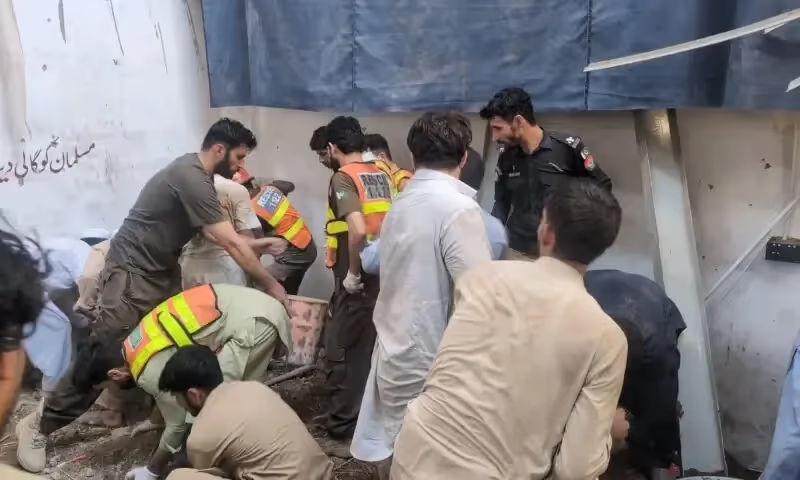
The announcement came only hours after Pakistan’s Air Force carried out what it called “precision strikes” inside Afghanistan, targeting multiple Taliban positions, including in the capital Kabul and the southern province of Kandahar. The strikes were described by Islamabad as retaliatory action against “unprovoked aggression” by Taliban forces across the border.
Taliban Confirms Ceasefire, Issues Orders to Fighters
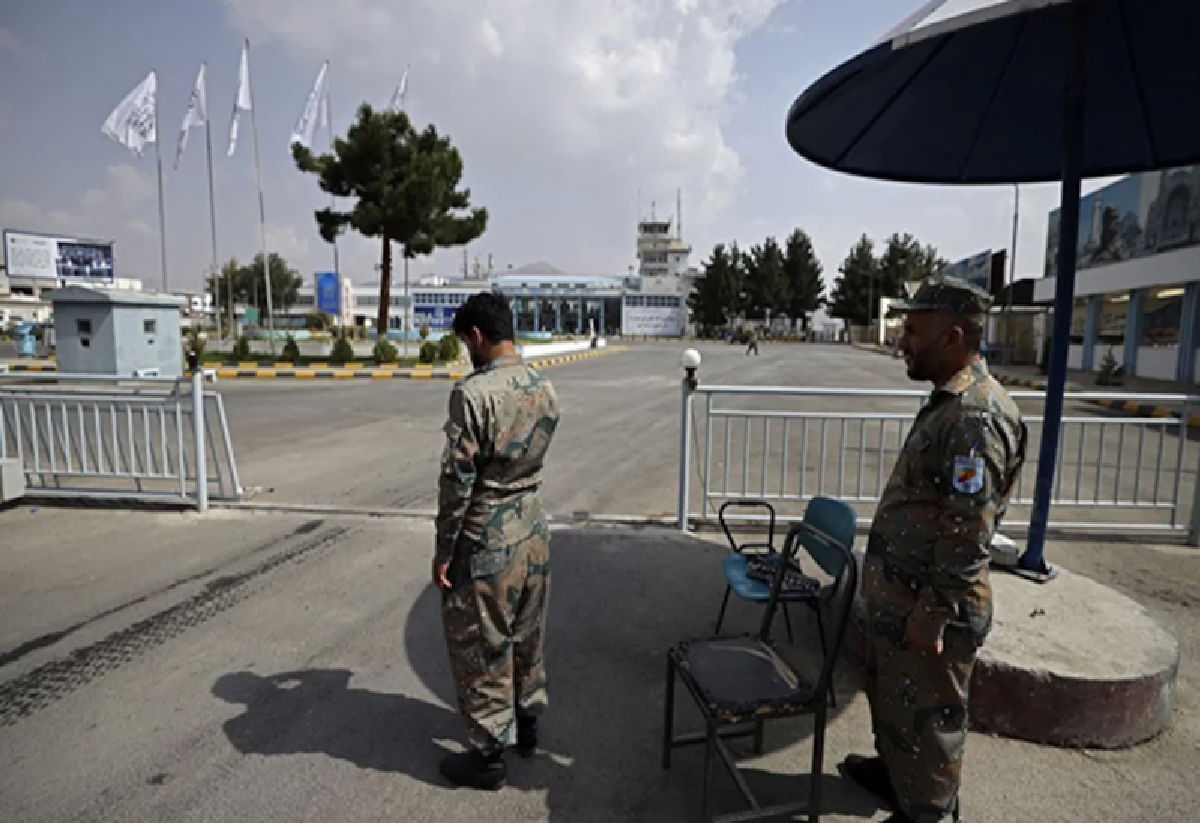
In Kabul, Taliban spokesperson Zabihullah Mujahid confirmed the ceasefire on social media platform X, saying the truce would begin at 5:30 pm local time.
“At the request and insistence of the Pakistani side, the ceasefire between the two countries will begin after 5:30 pm today. The Islamic Emirate also directs all its forces to adhere to the ceasefire and not to violate it unless there is a violation,”
Mujahid posted.
His statement reflected an attempt by the Taliban regime to project restraint amid the spiraling conflict, while also asserting that the ceasefire was initiated primarily at Islamabad’s urging.
The brief truce follows a week of sustained cross-border hostilities that left dozens dead on both sides. The situation remains highly volatile, with analysts warning that the ceasefire could collapse if even a minor skirmish occurs along the porous border.
Pakistan’s ‘Precision Strikes’ in Kandahar and Kabul
Earlier Wednesday, Pakistan’s state broadcaster PTV News reported that the Pakistan Air Force (PAF) had conducted targeted air raids on Taliban positions in Kandahar province and in Kabul itself. The operation, described as retaliatory, allegedly destroyed “key hideouts” of Taliban battalions accused of staging attacks inside Pakistan.
According to PTV,
“Pakistan Army’s retaliatory action against Afghan Taliban aggression destroyed key hideouts. Afghan Taliban Battalion Number 4 and Border Brigade Number 6 were completely eliminated. Dozens of Afghan and foreign operatives were killed.”
The report added that the strikes in Kabul targeted what the broadcaster called the “centre and leadership of Fitna al-Hindustan,” a term used by Pakistani security officials to describe militant networks operating in Balochistan and accused of receiving cross-border support.
Quoting military sources, PTV said the Pakistan Army had demonstrated its “full capability to give a strong and complete response to any external aggression.” The Inter-Services Public Relations (ISPR), the army’s media wing, reiterated that Pakistan would not hesitate to act against attacks emanating from Afghan territory.
The airstrikes mark a rare escalation to aerial warfare between the two countries, highlighting the worsening trust deficit since the Taliban took control of Kabul four years ago.
Heavy Clashes Along the Border
According to ISPR, the Pakistani military repelled multiple Taliban assaults along the Balochistan border in the Spin Boldak sector early Wednesday.
“The Afghan Taliban resorted to cowardly attacks at four locations in the Spin Boldak area during the early hours of the day. The attack was effectively repulsed by Pakistani forces,”
the statement said.
Pakistan reported 23 soldiers killed and 29 wounded in the latest clashes, while Taliban officials in Kabul claimed their forces had killed at least 58 Pakistani soldiers in cross-border fighting over the weekend. Those claims could not be independently verified.
The ISPR said Pakistani troops had faced “sustained and coordinated” fire from Taliban fighters and responded with artillery barrages and air support, striking Taliban positions in Helmand, Khost, Paktia, and Paktika provinces. Witnesses along the border described hours of shelling and gunfire continuing past midnight.
Afghan authorities described their own attacks as “retaliatory action” to alleged Pakistani air raids earlier in the week, which they said struck several provinces and civilian areas. Pakistan neither confirmed nor denied those earlier strikes, instead reiterating that it was targeting “terrorist sanctuaries” linked to Tehreek-i-Taliban Pakistan (TTP) — a banned group responsible for numerous attacks inside Pakistan.
A Dangerous Escalation
While minor skirmishes between the two countries are not new, the intensity and scale of the latest fighting is unprecedented. Analysts say the escalation reveals deepening mistrust between Islamabad and the Taliban government, despite shared ideological and political roots.
Since the Taliban’s takeover in 2021, Pakistan has repeatedly accused the Kabul regime of harboring TTP militants, who allegedly use Afghan soil to stage attacks across the border. Kabul has consistently denied the allegations, insisting that Afghanistan’s territory is not being used for hostile acts against any country.
The violence this week follows months of growing frustration in Islamabad, where officials say the Taliban’s refusal to rein in the TTP has left Pakistan’s border regions vulnerable. In response, Pakistan has reportedly stepped up cross-border counterterrorism operations and tightened border controls.
Official Statements and Diplomatic Tension
Pakistan’s Foreign Office on Sunday had issued a stark warning to Kabul, saying any further “aggression” would be met with an “unwavering and befitting response.”
“Afghanistan must ensure that its soil is not used by terrorists against Pakistan,”
the statement read.
“Islamabad will take all necessary steps to defend its sovereignty and territorial integrity.”
On Monday, Defence Minister Khawaja Asif described the situation as a “stalemate,” noting that there were “no direct or indirect ties” currently existing between the two governments following what he called an “unprovoked attack” by Taliban forces.
Meanwhile, Taliban spokesperson Mujahid warned that Pakistan’s airstrikes on Kabul “will have consequences.”
“Afghanistan has weapons to respond if its sovereignty is violated,”
he said, adding that Islamabad’s actions were endangering regional stability.
Regional and International Reactions
The escalating conflict prompted China, which shares borders with both countries, to call for calm and dialogue. Beijing’s Foreign Ministry said Monday that it was in contact with both Islamabad and Kabul, urging them to protect the safety of Chinese nationals and investments in the region.
“China hopes the two sides will exercise restraint, avoid further escalation, and resolve differences through dialogue,”
a ministry spokesperson said.
Saudi Arabia and Qatar also expressed concern. Riyadh’s Foreign Ministry issued a statement in Arabic on X, saying it was “following with concern the tensions and clashes in the border areas between the Islamic Republic of Pakistan and the State of Afghanistan.” The kingdom urged “dialogue and restraint,” echoing similar appeals from Doha.
Afghan officials later claimed that Saudi mediation had played a role in halting hostilities on Sunday, although neither Islamabad nor Riyadh confirmed those claims.
A Week of Turmoil
The ceasefire announcement capped a week of mounting tensions. The current wave of violence began on Saturday night, when Taliban officials alleged that Pakistani airstrikes had hit targets in several Afghan provinces, including Kabul and Khost, killing multiple civilians. Islamabad did not publicly acknowledge those strikes but hinted at possible “counterterrorism operations” against TTP cells.
By Sunday morning, Taliban forces had retaliated with coordinated assaults on Pakistani military outposts, leading to heavy casualties on both sides. Artillery and rocket fire reportedly damaged homes in Spin Boldak and Chaman, disrupting trade and movement across one of South Asia’s busiest border crossings.
By midweek, both nations were trading accusations of aggression. Pakistan insisted it was defending its borders against “terrorist infiltration,” while Afghanistan denounced the airstrikes as a “violation of sovereignty.”
China, Saudi Arabia, and Regional Mediation Efforts
The conflict has also drawn concern in the wider region. China, already investing billions through the China–Pakistan Economic Corridor (CPEC), fears that prolonged instability could threaten its infrastructure projects. Chinese analysts have warned that the conflict could derail Beijing’s plans to extend Belt and Road investments into Afghanistan.
Saudi Arabia and Qatar, both of which maintain ties with the Taliban regime, have quietly sought to mediate. Diplomatic sources in Islamabad told local media that Saudi officials held back-channel discussions with both governments in hopes of preventing further escalation.
Despite the temporary truce, regional observers say lasting peace will require clear commitments from Kabul to curb militant activity and from Islamabad to pursue dialogue rather than unilateral action.
Ties Under Strain
Ironically, Pakistan and Afghanistan had seen tentative improvements in relations earlier this year. Diplomatic engagement had resumed through the revival of the Joint Coordination Committee and limited cooperation on border trade and security. However, that progress has now been overshadowed by the latest hostilities.
Islamabad continues to press Kabul for “concrete action” against the TTP and affiliated groups accused of plotting attacks inside Pakistan. The Taliban leadership, for its part, insists it does not allow any militant group to use Afghan territory against another country.
The renewed conflict underscores the fragile nature of post-2021 Afghanistan–Pakistan relations, where a mix of historical mistrust, militant sanctuaries, and political rhetoric continues to fuel periodic confrontation.
A Fragile Pause
As of Thursday morning, both sides were reported to be observing the ceasefire, though sporadic gunfire was still heard near Spin Boldak and Kurram according to local residents.
Security analysts caution that the truce remains precarious.
“This ceasefire is more a pause than a peace,” said a former Pakistani diplomat familiar with Afghan affairs. “Neither side trusts the other, and without a broader agreement on cross-border militancy, clashes could resume at any moment.”
The coming 48 hours will test whether Islamabad and Kabul can translate this temporary calm into a path toward sustainable dialogue — or whether the fragile truce will unravel as quickly as it began.
Related Posts