Sikh Parade Interrupted as Tamaki Protesters Break Silence Honouring Bondi Victims
Tamaki Protesters Interrupt Sikh Parade, Disrupt Minute’s Silence for Bondi Victims
A peaceful Sikh parade intended to celebrate faith, culture, and community unity was disrupted after protesters linked to the Tamaki movement interrupted proceedings, including a minute’s silence held in memory of the victims of the Bondi tragedy. The incident has sparked widespread condemnation from community leaders, religious groups, and political figures, reigniting debate over protest rights, respect for cultural events, and the limits of free expression in public spaces.
What Was Meant to Be a Peaceful Celebration
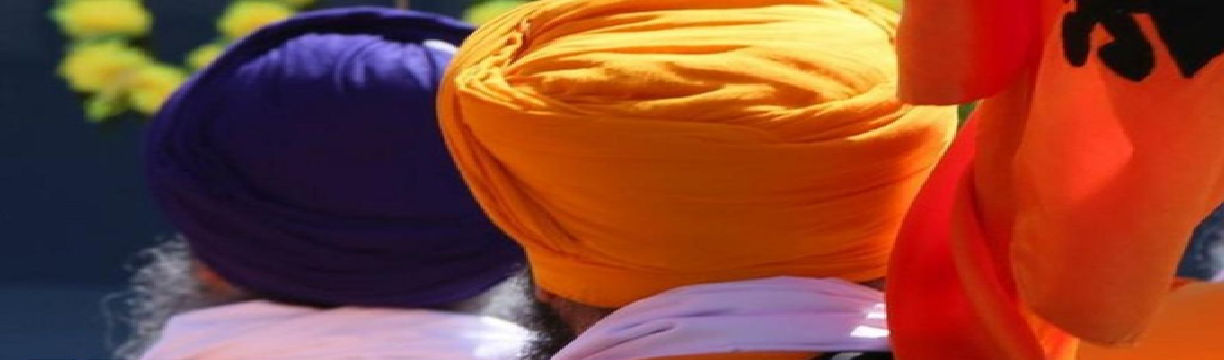
The Sikh parade, attended by hundreds of participants and spectators, was organised as part of a religious and cultural procession aimed at promoting peace, service, and inclusivity. Such events are a common feature of Sikh community life, often involving prayers, music, community meals, and messages of harmony.
Organisers had also planned a minute’s silence to honour those who lost their lives in the recent Bondi incident, a gesture that was widely welcomed as a show of solidarity with the wider community. Attendees described the atmosphere before the disruption as calm, respectful, and reflective.
Protesters Interrupt Proceedings
The situation changed abruptly when a group of protesters associated with the Tamaki movement entered the parade route and began chanting slogans. Witnesses said the protesters deliberately interrupted the minute’s silence, drawing anger and distress from those present.
Video footage circulating on social media shows members of the Sikh community attempting to continue the programme while stewards and volunteers tried to de-escalate the situation. The chanting and noise effectively drowned out the silence intended to honour the Bondi victims.
Police were present at the event and intervened shortly after the disruption began. While no serious injuries were reported, the interruption left many participants shaken and upset.
Strong Reaction From Sikh Community Leaders
Sikh leaders condemned the disruption, describing it as deeply disrespectful not only to their religious event but also to the memory of those being honoured during the minute’s silence.
In statements released after the incident, community representatives emphasised that Sikh teachings promote peace, compassion, and respect for all faiths and cultures. They expressed disappointment that a moment of shared mourning had been overshadowed by confrontation.
Leaders also stressed that the Sikh community has a long history of standing in solidarity with others during times of tragedy, making the interruption particularly painful.
Condemnation From Wider Community
The incident quickly drew condemnation from across the political and social spectrum. Elected officials, religious leaders from other faiths, and civil society groups described the disruption as inappropriate and divisive.
Many pointed out that while the right to protest is a cornerstone of democratic societies, it must be balanced against the right of communities to hold religious and cultural events without harassment or intimidation.
Several politicians called for calm and urged all groups to engage in dialogue rather than confrontation, warning that such incidents risk deepening social divisions.
Debate Over Protest Rights and Respect
The disruption has reignited a broader debate about the boundaries of protest. Legal experts note that while peaceful protest is protected, actions that intentionally disrupt religious observances or memorial moments may cross ethical and, in some cases, legal lines.
Civil liberties advocates have argued that protest should not target vulnerable moments such as memorials or religious ceremonies, where emotions are heightened and the intent is reflection rather than political debate.
Others counter that public events are inherently political spaces and that managing competing rights remains a complex challenge for authorities.
Police Response and Investigation
Police confirmed they were aware of the planned Sikh parade and had allocated resources to ensure public safety. Officers stepped in once it became clear that the protest was disrupting the event and causing distress.
Authorities said they are reviewing footage and statements to determine whether any laws were breached. While no immediate arrests were announced, police did not rule out further action.
In a public statement, police urged all groups to respect lawful directions and cooperate to ensure community events can proceed safely.
The Bondi Tragedy and Its Impact
The minute’s silence was intended to honour victims of the Bondi incident, which had sent shockwaves through the nation. Communities across the country have held vigils and memorials to pay tribute to those affected.
For many attendees at the Sikh parade, the silence was a moment of shared grief that transcended religious and cultural boundaries. Its disruption was therefore seen as an affront not just to the Sikh community, but to the broader public mourning process.
Mental health advocates noted that such memorial moments can play an important role in collective healing after traumatic events.
Social Media Reaction
Reaction on social media was swift and intense. Many users expressed outrage at the interruption, calling it insensitive and disrespectful. Hashtags condemning the disruption began trending, alongside messages of support for the Sikh community.
Some users also criticised authorities for not preventing the protest from interfering with the parade, while others defended police actions as measured under difficult circumstances.
The incident has once again highlighted how quickly local events can become national conversations in the digital age.
Calls for Interfaith Solidarity
In the aftermath of the disruption, leaders from multiple faiths issued messages of solidarity with the Sikh community. Interfaith organisations stressed the importance of mutual respect and understanding, particularly during times of grief.
Several groups announced plans to hold joint vigils or community dialogues aimed at healing divisions and reaffirming shared values of respect and coexistence.
Such efforts were welcomed by Sikh leaders, who said they hoped the incident would not overshadow the positive intentions behind the parade.
Organisers Reflect on the Incident
Event organisers said significant planning had gone into ensuring the parade was inclusive and respectful. They expressed disappointment that the disruption diverted attention from the event’s core messages of peace and service.
Despite the interruption, organisers said the parade continued after police intervention, with participants determined not to let the incident define the day.
They also thanked volunteers, stewards, and attendees for remaining calm under pressure.
Political and Legal Implications
The incident has prompted renewed discussion among policymakers about managing protests at cultural and religious events. Some lawmakers suggested clearer guidelines may be needed to prevent similar disruptions in the future.
However, others cautioned against overregulation, warning that restrictions on protest could set concerning precedents for free expression.
Legal analysts say any changes would need to carefully balance competing rights and withstand constitutional scrutiny.
A Test for Social Cohesion
Observers note that the disruption reflects broader tensions within society, where differing views and movements increasingly collide in public spaces.
Experts in social cohesion argue that incidents like this underscore the need for dialogue, education, and community engagement to prevent misunderstandings from escalating into conflict.
They stress that protecting minority communities from harassment is essential to maintaining trust and social harmony.
Moving Forward
In the days following the incident, Sikh leaders reiterated their commitment to peace and dialogue. They called on all groups to reflect on the importance of empathy and mutual respect.
Authorities have encouraged organisers of future events to engage early with police to anticipate potential disruptions, while also urging protest groups to choose appropriate times and places for their actions.
Community advocates say the focus should now be on healing and ensuring such incidents do not become more common.
Conclusion
The interruption of a Sikh parade and a minute’s silence for Bondi victims by Tamaki-linked protesters has left a deep impression on those who witnessed it. While no serious injuries occurred, the emotional impact was significant.
The incident has sparked important conversations about protest rights, respect for religious and memorial events, and the need for stronger community understanding. As investigations continue and leaders call for calm, many hope the episode will serve as a reminder that moments of grief and celebration alike deserve respect.
Focus Keywords: Tamaki protesters, Sikh parade disrupted, Bondi minute’s silence, protest interruption, religious event disruption, community outrage, police response
Related Posts