Sheikh Hasina Sentenced to Death: A Dramatic Fall of Bangladesh’s Long-Standing Leader Amid Crimes Against Humanity Trial
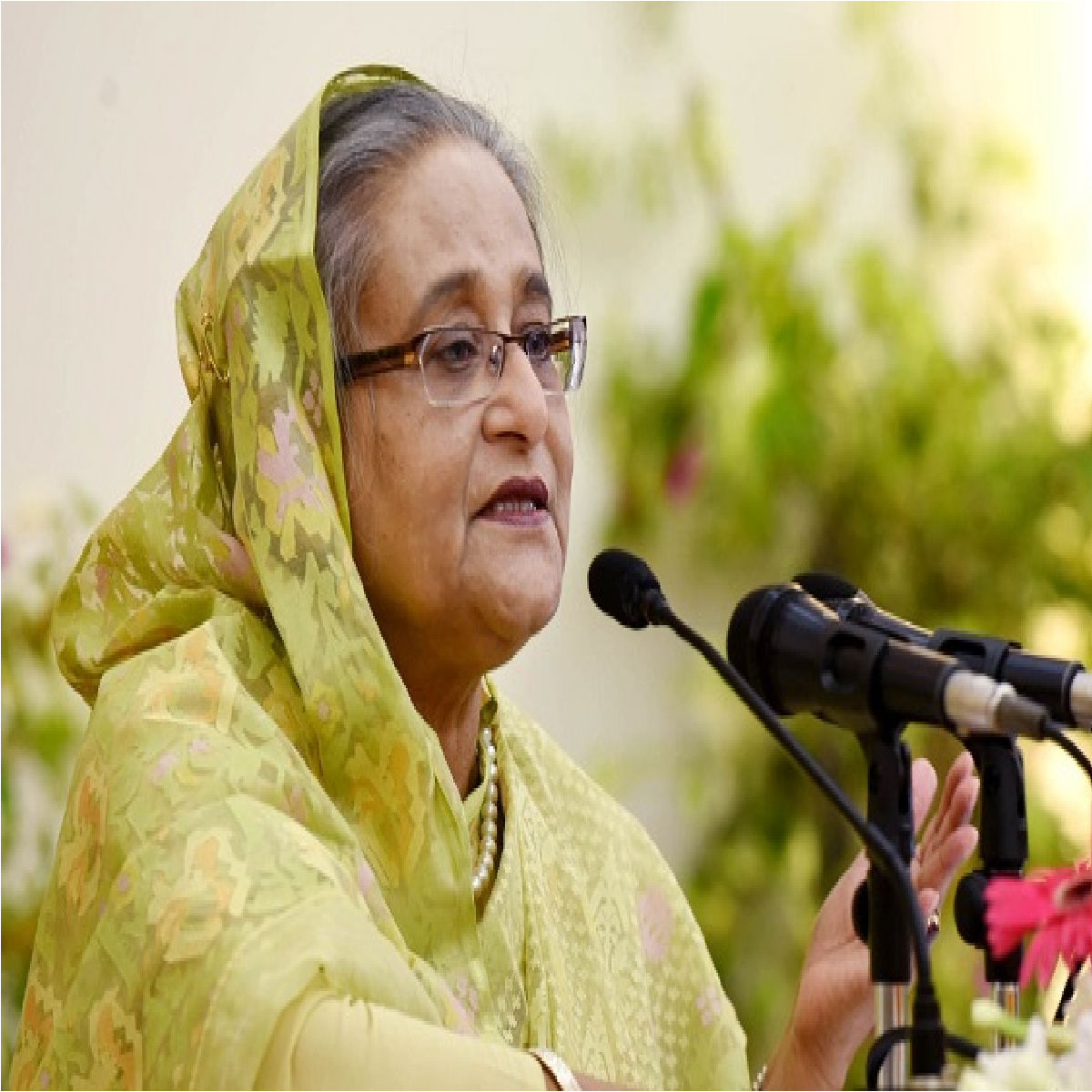
Sheikh Hasina’s Political Downfall
Sheikh Hasina, the long-serving former Prime Minister of Bangladesh and one of South Asia’s most influential political figures for nearly two decades, is today at the center of one of the most dramatic political collapses in the region’s recent history. Once hailed for her economic reforms and digital transformation initiatives, Hasina now faces a series of unprecedented legal, political, and moral challenges — including a death sentence in absentia, contempt charges, asset freezes, and the suspension of her political party from national elections.
The developments unfolding across 2024 and 2025 represent not only the downfall of a powerful leader but also a deep restructuring of Bangladesh’s political landscape. This long-form analysis brings together all the key events, their implications, and what they mean for Bangladesh’s future.
A Sudden, Shocking Turn: The Death Sentence
One of the most significant headlines came on November 17, 2025, when a special tribunal in Bangladesh announced that Sheikh Hasina had been sentenced to death for crimes against humanity. The verdict related to the violent crackdown on mass protests in 2024 — a period marked by allegations of enforced disappearances, extrajudicial killings, and brutal police action.
The tribunal ruled that the heavy-handed state action under her administration constituted severe human rights violations. The trial, conducted in her absence after she fled Bangladesh during political unrest, immediately stirred global reaction. Human rights organizations expressed concerns about due process, while many in Bangladesh saw it as justice finally delivered for victims of state violence.
Conviction for Contempt of Court
Adding to the dramatic turn of events, Hasina was also handed a six-month jail sentence by the International Crimes Tribunal earlier in 2025. This case stemmed from a leaked audio recording in which she allegedly claimed to have a “license to kill,” a statement that the court ruled undermined the integrity of the justice system.
Although the sentence may seem minor compared to the capital punishment ruling, the contempt conviction played a major role in shaping public perception. It reinforced the narrative that Hasina saw herself above the law — a claim frequently raised by her political rivals and civil society critics.
Awami League Barred From Elections
In May 2025, another seismic shock struck Bangladesh’s political scene when the Election Commission suspended the Awami League’s registration, effectively barring the party from participating in upcoming national elections.
The decision was based on investigations into corruption, misuse of state institutions, and alleged involvement in orchestrating electoral violence during Hasina’s rule. With this move, the Commission took a definitive step toward dismantling the political machinery that had dominated Bangladesh for more than 15 years.
The ban also raises questions about the future of multiparty democracy in the country. While many welcomed the accountability, some warn that excluding the Awami League could leave a political vacuum that might be exploited by extremist or opportunistic factions.
Trials in Absentia and the Push for International Arrest
Hasina’s departure from Bangladesh has also fueled international legal proceedings. The Bangladesh government formally requested Interpol to issue a Red Corner Notice, seeking her arrest and extradition.
Although such notices are not always acted upon by other countries, the move underscores the present government’s determination to hold Hasina accountable. Critics argue that some of these legal steps may be politically motivated, but supporters insist they are necessary for justice and reconciliation.
Adding pressure, multiple new cases have been filed against her, including accusations of plotting a civil war and attempting to overthrow the interim government.
These charges reflect the polarizing nature of Bangladesh’s political environment, where allegations of planning coups, conspiracy, and inciting violence have become familiar tools in political battles.
Freezing of Hasina’s Family Assets
Reports also indicate that Bangladesh courts have moved to freeze numerous bank accounts belonging to Hasina and members of her family. These measures cover significant funds, though exact figures vary across reports.
The government justifies the asset seizures as part of an anti-corruption drive aimed at recovering misappropriated public money. However, her supporters claim the moves are attempts to financially cripple the former ruling family.
The broader symbolic impact of these actions is notable. The financial dismantling of the Hasina family underscores the state’s attempt to break from the Hasina-era political order that dominated Bangladesh for more than a decade.
Accusations Against Muhammad Yunus and the Interim Government
After her ouster, Sheikh Hasina has used international platforms to level serious accusations against the interim government led by Nobel laureate Muhammad Yunus. She alleged that Yunus came to power with “terrorist support” and accused him of selling out Bangladesh’s sovereignty to foreign nations.
These statements mirror long-standing tensions between Hasina and Yunus, whom she previously criticized during her tenure. Her latest allegations are viewed by many political observers as attempts to retain relevance and influence among her followers while undermining the moral legitimacy of the interim administration.
The interim government, for its part, has repeatedly denied her claims and emphasized its commitment to transparency and democratic rebuilding.
Climate of Fear: Witnesses Still Reluctant
Despite Hasina’s fall from power, certain reports suggest that many witnesses in human rights violation cases are still unwilling to testify, citing fear and possible political retaliation.
This raises critical questions about the legacy of Hasina’s rule. Analysts note that the entrenched fear among citizens and activists indicates that the effects of authoritarian governance do not vanish quickly — even after a leader is removed from office.
The reluctance of witnesses also threatens the credibility and progress of several ongoing trials. The government now faces the complex task of ensuring witness security and building public trust.
Hasina’s Legacy: A Study in Contradictions
To understand the scale of the current political collapse, one must revisit Sheikh Hasina’s long tenure. She oversaw rapid economic growth, digital transformation projects, infrastructure expansion, and improvements in sectors like healthcare and education. Under her leadership, Bangladesh achieved major milestones, including attaining lower-middle-income status and becoming a global garment manufacturing powerhouse.
However, her rule also faced allegations of:
- authoritarianism
- misuse of law enforcement
- media suppression
- politically motivated arrests
- flawed elections
The contrasting nature of her legacy — development mixed with repression — makes her downfall even more complex and consequential. For many Bangladeshis, she is both the architect of the country's economic rise and the figurehead of its democratic decline.
Regional and Global Implications
Hasina’s sentencing and political extinction have significant implications beyond Bangladesh’s borders.
1. Impact on South Asian Politics
Her removal creates a power shift in regional alliances. Bangladesh’s relationship with India, traditionally strong under Hasina, may face uncertainty. Meanwhile, China and the US are also recalibrating their diplomatic strategies.
2. International Human Rights Attention
Global human rights groups are watching closely, especially regarding the fairness of the trials and treatment of political prisoners.
3. Economic Repercussions
Political instability may affect foreign investment, garment exports, and currency stability if not managed carefully by the interim administration.
What Lies Ahead for Bangladesh?
Bangladesh is currently undergoing one of its most uncertain political phases in decades. The interim government must balance accountability with stability, ensuring that legal processes do not transform into political vendettas.
Key challenges ahead include:
- safeguarding democratic institutions
- ensuring free and fair elections
- protecting human rights
- maintaining economic growth
- restoring public trust in governance
Whether Hasina’s downfall becomes a turning point for democratic renewal or the start of deeper political chaos remains to be seen.
Conclusion
The rapid decline of Sheikh Hasina — from a powerful, long-standing Prime Minister to a leader facing a death sentence and multiple criminal charges — is one of the most dramatic political reversals in South Asian history. Each development, from the contempt conviction to the banning of her party and the freezing of assets, marks a step in the dismantling of her political legacy.
These events will shape Bangladesh’s future for years to come. As new trials begin and political restructuring continues, the country stands at a crossroads, navigating the fragile path between justice, stability, and democratic rebuilding.
Related Posts