Robert Kiyosaki, author of Rich Dad Poor Dad, warns of massive market crash — says millions could lose everything, reveals safest investments
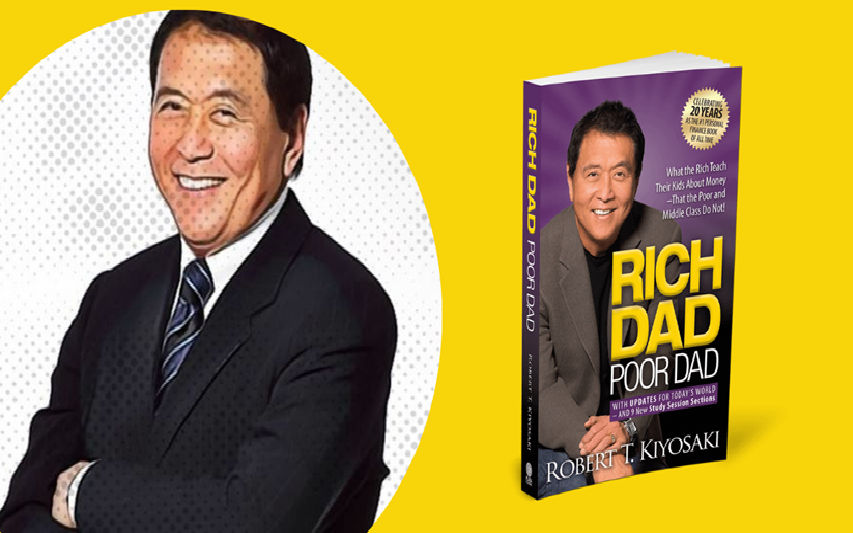
Robert Kiyosaki Warns of “Massive Crash” That Could Wipe Out Millions — Suggests Gold, Silver, and Crypto as Safe Havens
New York, November 3 (Business Desk):
Robert Kiyosaki, the well-known author of the global bestseller Rich Dad Poor Dad, has issued yet another grim warning about the future of financial markets. In a fresh social media post, Kiyosaki predicted that a “massive crash” is beginning to unfold in the United States, cautioning that millions of investors could face devastating financial losses.
Posting on X (formerly Twitter) on Saturday, Kiyosaki wrote in all caps: “MASSIVE CRASH BEGINNING: Millions will be wiped out. Protect yourself.” The finance author and entrepreneur added that traditional equity investors should prepare for heightened market volatility and consider shifting to safer alternatives. He recommended holding tangible assets such as gold, silver, and select cryptocurrencies like Bitcoin and Ethereum as potential shelters against the looming storm.
“Silver, gold, Bitcoin, Ethereum investors will protect you. Take care,” Kiyosaki wrote, urging his followers to act swiftly.
A New Round of Market Alarm
Kiyosaki’s post comes amid growing uncertainty in global markets, as concerns mount over persistent inflation, rising government debt, and the potential for policy missteps by the U.S. Federal Reserve. Wall Street has shown signs of stress in recent weeks, with investors balancing optimism about corporate earnings against fears of an economic slowdown.
While U.S. indices like the S&P 500 and Nasdaq remain near record highs, analysts warn that valuations appear stretched, and any trigger—from disappointing earnings to geopolitical shocks—could set off a rapid sell-off.
Against this backdrop, Kiyosaki’s latest warning resonates with his long-standing belief that the financial system is built on unsustainable debt and inflated asset prices. He has consistently maintained that “paper money” and traditional investments like stocks and bonds are vulnerable to collapse, while “real assets” offer lasting value.
Why Kiyosaki Prefers Hard Assets
In his Saturday post, Kiyosaki reiterated his trust in hard assets such as gold, silver, and cryptocurrencies. According to him, these are not just investments but tools for survival in an era of financial instability.
Gold and silver have long been regarded as safe-haven assets — a status they have maintained through decades of wars, recessions, and monetary crises. They tend to preserve value when currencies weaken or inflation rises.
However, in recent weeks, both precious metals have shown signs of weakness. Gold prices dipped slightly due to a stronger U.S. dollar and investors’ renewed appetite for riskier assets following improved global economic data. Silver, often considered more volatile than gold, has also faced pressure, slipping from its recent highs.
Despite the pullback, Kiyosaki believes these metals remain critical for financial protection. “Gold and silver have been money for centuries,” he said in an earlier interview. “They will still have value when the dollar dies.”
As for cryptocurrencies, Kiyosaki’s endorsement of Bitcoin and Ethereum reflects his broader distrust of the centralized banking system. He has often described digital currencies as the “people’s money” — assets outside government control that could safeguard wealth in a crisis.
Bitcoin, the world’s largest cryptocurrency, has had a turbulent month, falling nearly 5% to around $104,782 after reaching a record high above $126,000 in early October. Ethereum, the second-largest token, has also declined, tracking the broader weakness across crypto markets.
Despite the volatility, Kiyosaki remains optimistic. He sees cryptocurrencies as part of a long-term shift away from fiat money toward decentralized financial systems.
A Pattern of Repeated Warnings
This is not the first time Robert Kiyosaki has predicted a financial meltdown. The 77-year-old investor and educator has a long history of warning about potential collapses, often linking them to rising debt levels, inflation, and the monetary policies of the Federal Reserve.
During the COVID-19 pandemic in 2020, Kiyosaki warned that the unprecedented money-printing and stimulus packages introduced to stabilize the economy would eventually lead to runaway inflation and a market crash. In 2022, he made a similar forecast, declaring that the world was heading toward “the biggest crash in history.”
In May 2025, he doubled down on his stance, claiming that hyperinflation has arrived and that millions of people—both young and old—were at risk of being “wiped out financially.” He pointed to the poor demand in the U.S. Treasury’s $16 billion sale of 20-year bonds as a red flag, suggesting that global investors were beginning to lose faith in American debt instruments.
“The bond market is collapsing. The stock market will follow,” Kiyosaki warned at the time.
While critics often dismiss his dire predictions as alarmist, many of his followers view them as cautionary messages rooted in financial education. Kiyosaki’s philosophy emphasizes financial literacy, self-reliance, and investing in tangible assets over paper instruments.
Criticism and Mixed Reactions
Kiyosaki’s latest post on X sparked a flurry of reactions from investors, analysts, and ordinary users. While some applauded his consistency and took the warning seriously, others accused him of spreading fear and exaggerating market risks.
One user commented:
“Bob, you’ve been calling a crash every year since forever… one day you’ll be right just by probability. But here’s the thing — markets don’t just crash, they rotate. Liquidity never dies, it just moves. While people panic, smart money quietly repositions into assets that survive the reset.”
Another user added a skeptical take on cryptocurrency, writing:
“If stocks crash because of liquidity issues, Bitcoin and silver will crash twice as hard. Some altcoins could be wiped again.”
Several users expressed more faith in gold and silver than in crypto assets, arguing that digital currencies remain too speculative to serve as true safe havens.
“Bitcoin’s going to end up looking like the NFT craze all over again — overhyped, over-leveraged, and eventually collecting digital dust while gold and silver keep compounding quietly in the background,” one commenter wrote.
Despite the criticism, Kiyosaki’s message gained significant traction online, with his post receiving thousands of interactions within hours.
The Broader Economic Backdrop
Kiyosaki’s warnings are surfacing at a time when the U.S. economy faces a complicated set of challenges. Inflation, while off its 2022 highs, remains above the Federal Reserve’s target of 2%. Rising interest rates have made borrowing more expensive, weighing on housing and corporate investment.
Meanwhile, U.S. government debt has ballooned to over $35 trillion, with interest payments alone consuming a growing portion of the federal budget. Some analysts fear that the U.S. could face a fiscal reckoning if spending continues unchecked.
The global picture adds to the concern. Geopolitical tensions — from ongoing conflicts in Eastern Europe and the Middle East to trade frictions between the U.S. and China — have disrupted supply chains and fueled uncertainty. Global stock markets, though resilient, are showing increasing sensitivity to even minor shocks.
Many economists argue that the combination of high debt, elevated asset prices, and slowing growth creates fertile ground for instability — a view that echoes Kiyosaki’s long-standing critique of the financial system.
A Contrarian View: Optimism Persists
Despite the alarm bells, not all analysts agree with Kiyosaki’s dire assessment. Several market strategists maintain that while volatility may rise, the fundamentals of the U.S. economy remain strong enough to avoid a catastrophic crash.
Corporate earnings have generally exceeded expectations, unemployment is near historic lows, and consumer spending continues to drive growth. The Federal Reserve’s cautious stance on interest rates also suggests it may pivot toward easing if the economy shows signs of stress.
“Corrections are part of the market cycle,” said one Wall Street analyst. “What Kiyosaki calls a crash might simply be a healthy reset. Long-term investors with diversified portfolios are likely to weather it just fine.”
Yet even among optimists, there’s acknowledgment that diversification and prudent risk management are key. Gold and silver may serve as partial hedges, they say, but an overconcentration in any one asset class — including crypto — can be dangerous.
From Financial Guru to Market Cassandra
Since publishing Rich Dad Poor Dad in 1997, Kiyosaki has become one of the world’s most recognizable financial educators. His book, which contrasts the financial habits of his “rich dad” and “poor dad,” has sold over 40 million copies globally and inspired millions to rethink their approach to money.
Over the years, Kiyosaki has expanded his message beyond personal finance to global economics, warning about what he calls “fake money” — fiat currencies not backed by tangible assets. His outspoken criticism of central banks and government spending has earned him both admiration and skepticism.
Supporters argue that he encourages people to think independently and prepare for the unexpected. Critics, however, accuse him of exaggeration and fearmongering to maintain relevance.
Still, Kiyosaki’s influence remains undeniable. Each time he issues a warning, financial discussions surge across social media platforms, often prompting investors to revisit their strategies.
What Investors Should Take Away
While Kiyosaki’s predictions have not always materialized on the scale he envisions, his message underscores a timeless principle: markets are cyclical, and preparation matters.
Financial planners generally advise diversification — balancing traditional investments like equities and bonds with real assets such as gold, real estate, and in some cases, cryptocurrencies. Maintaining liquidity and avoiding excessive leverage are also key to surviving downturns.
In essence, Kiyosaki’s warnings may serve less as a precise forecast and more as a reminder to reassess one’s financial resilience. Whether or not a “massive crash” unfolds, his emphasis on education, self-reliance, and asset diversification continues to resonate with millions worldwide.
Conclusion
Robert Kiyosaki’s latest declaration of an impending “massive crash” has reignited debate about the fragility of global financial markets. While his repeated alarms draw criticism, they also highlight real risks tied to debt, inflation, and overvaluation.
For some, his advice to move toward hard assets like gold, silver, and Bitcoin offers a sense of security amid uncertainty. For others, it’s a reminder that fear can cloud rational investment decisions.
As Wall Street braces for another unpredictable year, Kiyosaki’s message — whether seen as prophecy or paranoia — continues to capture global attention, challenging investors to question just how safe their wealth truly is.
Related Posts