RBA Rate Verdict: Australians Urged to 'Act Fast' as Michele Bullock Freezes Further Hikes
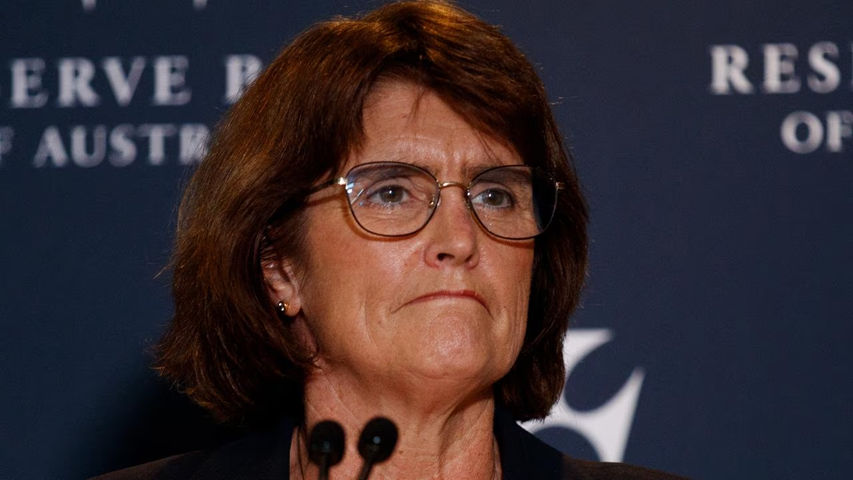
Just a few months ago, many Australian homeowners and borrowers were expecting ongoing interest-rate cuts from the
RBA, in the hope of relief from high repayments and a softer cost-of-living environment. But that optimism is rapidly
fading. The RBA board has decided to hold the official cash rate at 3.60 per cent, signalling that further cuts are off the
table for now.
The decision follows a surprise surge in inflation, which has jolted the central bank’s forecasts and raised the possibility
that the next move on the cash rate could in fact be a hike, an idea that until recently was viewed as almost unthinkable. A
minority of economists had argued the RBA should persist with cuts today—but the board saw things differently.
What happened and why
At its November meeting, the RBA maintained the cash rate at 3.60 per cent, the same level it has held since August. The
Guardian+2ABC+2
The key trigger: inflation data came in hotter than expected. Underlying (or trimmed-mean) inflation, which excludes
volatile items and is the RBA’s preferred gauge, rose to about 3.0 per cent year-on-year for the September quarter.
CommBank+2AAP News+2 The headline CPI rate similarly surprised upwards. The RBA itself has updated its inflation
forecasts to show a period of elevated inflation — for example, underlying inflation might reach 3.2 per cent before
gradually returning toward the target range. AAP News+2ABC+2
Further, the RBA noted that although unemployment rose slightly (to ~4.5 per cent), the broader labour market remains
tight: job vacancies are high, under-employment low, and the economy is still seeing private demand bounce back. AAP
News+1
Consequently, with inflation persisting and demand not collapsing, the RBA judged that the risks of cutting further now are
higher than the risks of holding steady — or even moving up. ▪ They also observed that past rate cuts take time to fully filter
through the economy, so easing now may trigger more inflation later. ABC+1
The change in mood: from cuts to caution (or even hikes)
Not long ago, the narrative was very different. Many borrowers were hoping for more cuts to ease mortgage burdens and
stimulate a soft landing for the economy. But given the updated inflation figures and stronger-than-expected demand revival,
the RBA has reversed its earlier expectation of near-term easing.
Markets and economists are now pushing out expectations of rate cuts into late 2026 at the earliest — or possibly no cut at
all unless things change materially. ABC+1
Even more striking: some commentators are now arguing that the next rate move could be a raise rather than another cut.
That marked a significant shift in tone. Australian Financial Review+1
The RBA’s updated forecasts reflect this tougher stance: inflation is expected to stay above 3 per cent for much of 2026,
before trending back toward the mid-point of its 2–3 per cent target band by the end of 2027. Real wages are expected to
decline in the near term given inflation will outpace wage growth. The Guardian
What this means for homeowners and borrowers
For millions of Australian homeowners — especially those with variable-rate mortgages or interest-only periods — today’s
decision is a disappointment. The era of expecting rate cuts has been paused. Instead:
Relief is unlikely in the near term. With the cash rate held, mortgage rates are unlikely to drop significantly. Any
earlier hopes of a cut may now be delayed until at least mid-2026.
Cost-of-living pressure remains. If inflation remains elevated and wages stagnate, real household disposable
income may shrink — meaning mortgage servicing becomes harder even without a rate rise. The RBA itself
expects real wages to fall by end of 2026. The Guardian
Possible risk of a rate hike. While no hike was announced today, the tone suggests the RBA will not hesitate to
raise the cash rate if inflation runs away. Borrowers may need to plan for that possibility.
Housing market implications. Earlier rate cuts had helped support housing demand and prices. With rates off the
table and inflation high, risks around affordability and debt servicing rise. Some commentators suggest it could
feed back into higher house prices rather than relief. Australian Financial Review+1
The bigger picture: economy, inflation and the policy trade-off
The RBA faces a classic central-bank dilemma: high interest rates help tame inflation but raise borrowing costs and risk
slowing growth; low interest rates ease pressure on households but risk fuelling inflation and asset booms.
On one side: inflation’s recent jump. According to the bank:
The trimmed mean inflation number rose to ~3 per cent in the September year. CommBank+1
Some of the factors are “temporary” (e.g., one-off items, rebates unwinding), but there is increasing evidence of
persistent inflation pressure — especially from rents, services, wages, and housing-related costs. InDaily+1
The RBA’s forecasts now assume inflation remains above its target midpoint for longer than previously expected.
On the other side: the labour market. Even though the headline unemployment rate ticked up, broader indicators show labour
resources are still relatively constrained: many firms report hiring difficulties; under-employment remains low. AAP
News+1
With demand picking up (after earlier rate cuts and stimulus) and supply-side constraints (labour, housing) still present, the
economy may face “capacity pressure” — meaning inflation risk increases. The RBA explicitly mentions that the economy
may be “running at, or close to, its capacity” meaning further easing might fuel inflation rather than support growth.
CommBank
Thus, the board judged that maintaining the cash rate was the prudent option: better to hold and see outcomes, than cut and
risk increased inflation, or raise suddenly later.
What are the forecasts and forward-guidance?
From the latest RBA statement and accompanying commentary:
The cash rate remains at 3.60 per cent. ABC+1
Underlying inflation is forecast to be around 3.2 per cent by mid-2026 before gradually easing toward the midpoint
of 2.5 per cent by end-2027. The Guardian+1
The board no longer projects a near-term rate cut; instead, the timing of any cut has been pushed out significantly.
Markets now expect cuts, if at all, reaching perhaps into 2026. mortgagechoice.com.au+1
The labour market is expected to remain “reasonably stable” rather than showing a sharp deterioration. The RBA
forecasts unemployment of around 4.4 per cent over the next couple of years, assuming conditions remain similar.
ABC
There remains significant uncertainty. The RBA emphasises that its forecasting envelope is wide, and outcomes
will be data-dependent. AAP News
Implications for different stakeholders
Homeowners & mortgage borrowers
For those with variable mortgages or nearing refinancing, the message is clear: do not bank on rate cuts in the near term.
Budgeting should assume either stable interest costs or even potential increases. Those with tight margins may need to
review their repayment buffers.
Existing fixed-rate borrowers
Fixed-rate borrowers whose loans are maturing may face higher rates than they had hoped. The shift away from cuts may
mean the next available fixed rates will not fall significantly (and may even rise).
Savers and depositors
Those with savings accounts may welcome the lack of cuts — high interest rates may persist longer, but inflation risk
remains. Real returns may still be weak if inflation remains elevated.
Property market participants
Previously, rate cuts helped bolster housing demand. With holding (or potential hikes), affordability pressures mount. Some
markets may slow. On the flip side, high inflation and still-low real yields may keep property attractive as an inflation hedge
— adding complexity. Some analysts warn the current stance could fuel a property price rebound, which may feed back into
inflation via rents and housing costs. Australian Financial Review+1
Businesses & investors
Businesses should prepare for a higher-for-longer interest-rate environment and elevated inflation. Capital expenditure
decisions, staffing, wage growth and pricing may need to factor these risks. Investors seeking yield may find the backdrop
supportive of assets that can hedge inflation (real assets, certain equities) but must also weigh cost pressures.
Policy-makers and the government
The government must recognise that households will face persistent cost-of-living pressures. Monetary policy cannot alone
solve inflation; supply-side reforms (housing supply, productivity, labour participation) will also matter. The RBA reiterates
its dual mandate of price stability and full employment, but emphasises that long-periods of high inflation reduce household
real income and undermine welfare. rba.gov.au
Why optimism for cuts has faded so quickly
A few months ago, there was reason for optimism: inflation had been edging down, the economy looked soft in some
segments, and borrowers were hopeful. But several developments changed the narrative:
- Strong rebound in consumption and housing demand: Earlier rate cuts and fiscal support have revived
household spending, increasing demand pressures. CommBank+1 - Surprise inflation data: The September quarter inflation surprise caught many by surprise — both in the trimmed
mean and headline numbers. That forced a reassessment of the outlook. AAP News+1 - Labour market resilience: The underlying labour market remains tighter than feared; job vacancy data and under-
employment suggest capacity constraints. This weakens the case for cuts. ABC - Delayed effect of rate cuts: Monetary policy works with lags. The board acknowledged that earlier cuts are still
working their way through. Cutting again now risks revving up inflation instead. CommBank - Global inflation risks and external factors: Inflation globally is still elevated; supply-chain disruptions persist;
commodity and energy price volatility remain. All of which increase upside inflation risk for Australia.
What could derail the current path? Key risks
The RBA noted several risks on both sides of its outlook:
Upside risks (could force higher rates):
A stronger-than-expected surge in wages, especially if labour market tightness persists.
Rapid house price and rent growth feeding into services inflation and wage demands.
External shocks: energy price spikes, supply-chain breakdowns, or commodity price increases.
Consumer spending holding up much stronger than expected, sustaining inflation pressure.
Downside risks (could reopen the case for rate cuts):
A sharper-than-expected rise in unemployment or under-employment, reducing wage/labour pressure.
A sharp drop in housing or consumption, weakening demand and reducing inflation pressure.
A renewed global economic slowdown or major demand shock hitting Australia’s economy.
Rapid falls in inflation expectations among households and businesses.
If one of the downside risks plays out, the RBA could pivot toward cuts. But on current evidence, the board’s message is:
wait and watch, not ease now.
Looking ahead: what to watch
Several upcoming data-points and policy events will be especially important:
Monthly inflation releases: The move to more frequent monthly inflation data gives the RBA more timely insight
into whether the inflation uptick is temporary or persistent. ABC
Wage price index / labour cost data: Indicates whether wage-cost pressures are building, which could force
further monetary tightening.
House price and rent data: Given housing and rents are key inflation drivers, sharp rises could trigger policy
response.
Consumer spending and business investment: Whether demand remains strong or significantly weakens.
Global inflation / commodity / energy prices: External factors that may feed into domestic inflation.
RBA’s December meeting and forward guidance: With only one more meeting this year (in December), any
shift in the tone or guidance will be closely watched. ABC
Conclusion
The RBA’s decision to hold the cash rate at 3.60 per cent is a clear signal that the era of expecting immediate rate cuts is
over — at least for now. With inflation unexpectedly high, labour markets still tight, and demand reviving, the board has
shifted to a more cautious, even hawkish posture. Homeowners who were hoping for relief may now need to prepare for
elevated costs and uncertainty. On the other hand, savers might take some solace in the fact that rates are not being cut
further (yet).
Ultimately, the message from the RBA is: we are watching, we are cautious, and we will act if needed. With inflation still
above target and potential downside risks visible, the next move could be an increase, not a decrease. Australian households,
businesses and markets will now be watching each data release, waiting for clues about when — or if — the stance will shift.
Related Posts