Pakistan choose to bat first; Australia hand debuts to three players
Pakistan Win Toss, Choose to Bat First Against Australia in Lahore T20I Opener
Introduction
Pakistan have won the toss and elected to bat first against Australia in the opening match of their three-match T20 International series at Lahore, a contest that serves as a crucial preparatory fixture ahead of the upcoming ICC Men’s T20 World Cup. With both teams experimenting with combinations and testing bench strength, the match offers insight into squad depth, form, and strategic planning just months before global competition.
The decision by Pakistan captain Salman Ali Agha to bat first reflects a calculated approach, considering conditions, squad balance, and game awareness. Australia, meanwhile, enter the contest with a fresh-looking squad led by Travis Head and featuring three international debutants, underlining their commitment to talent development and squad rotation.
This match marks only the second time Australia have played a T20I in Pakistan, making it significant not just competitively but symbolically as well, highlighting the growing normalization of international cricket tours to the country.
Toss Decision and Conditions
Pakistan’s choice to bat first was influenced by both weather conditions and match strategy. With the game scheduled earlier in the evening, dew — a common factor that can significantly affect bowling and fielding under lights — was not expected to play a major role. This removed one of the major incentives for teams to bowl first in subcontinental conditions.
Salman Ali Agha explained that batting first would allow Pakistan to put scoreboard pressure on an Australian side featuring several newcomers. In T20 cricket, setting a challenging total can often tilt the psychological balance, especially against teams lacking experience in local conditions.
The pitch in Lahore traditionally offers good bounce and carry early on before slowing slightly in the middle overs, making it ideal for stroke-makers initially but challenging for batters later as spinners and cutters come into play. Pakistan’s lineup, stacked with top-order batters and versatile all-rounders, appeared well-suited to capitalizing on these conditions.
Series Context and Importance
This three-match T20I series is more than just a bilateral contest — it forms a vital part of both teams’ preparations for the ICC Men’s T20 World Cup. With squad selections not yet finalized, performances here could influence future selection decisions.
For Pakistan, the series provides an opportunity to stabilize their batting order and regain momentum following mixed results in recent limited-overs assignments. The inclusion of experienced players like Babar Azam and Shaheen Shah Afridi signals Pakistan’s intent to strike a balance between experimentation and competitiveness.
Australia, on the other hand, have opted to rest several senior players and test younger options, reflecting a long-term development approach. Under Travis Head’s leadership, the visitors are keen to assess new combinations, particularly in their middle order and bowling attack.
The series also contributes to strengthening cricketing ties between the two nations and enhances Pakistan’s standing as a safe and competitive destination for international cricket.
Pakistan Team Analysis
Batting Lineup
Pakistan’s batting order blends youth, experience, and explosive potential:
- Sahibzada Farhan
- Saim Ayub
- Babar Azam
- Salman Agha (captain)
- Fakhar Zaman
- Shadab Khan
- Usman Khan (wicketkeeper)
- Mohammad Nawaz
- Shaheen Shah Afridi
- Salman Mirza
- Abrar Ahmed
At the top, Sahibzada Farhan and Saim Ayub are expected to play attacking roles in the powerplay. Both are naturally aggressive and capable of exploiting the fielding restrictions, making them ideal candidates to set the tone early.
At number three, Babar Azam returns after an indifferent Big Bash League campaign. Despite a recent dip in form by his high standards, Babar remains Pakistan’s most reliable batter in white-ball cricket. His presence lends stability and class to the lineup, and this series offers him a chance to rediscover rhythm ahead of major tournaments.
Captain Salman Ali Agha at number four adds flexibility. Known for his calm temperament and ability to anchor innings while accelerating when required, Salman’s role will be critical in navigating the middle overs. Fakhar Zaman, batting at five, offers left-handed power and the potential to dismantle bowling attacks with his aggressive stroke play.
Lower down the order, Shadab Khan and Mohammad Nawaz bring all-round value. Both are capable of contributing quick runs and provide Pakistan with multiple bowling options, enhancing tactical depth. Usman Khan, behind the stumps, has earned his place with strong domestic performances and adds finishing firepower.
Bowling Attack
Pakistan’s bowling unit is equally well-balanced, featuring pace, swing, and mystery spin:
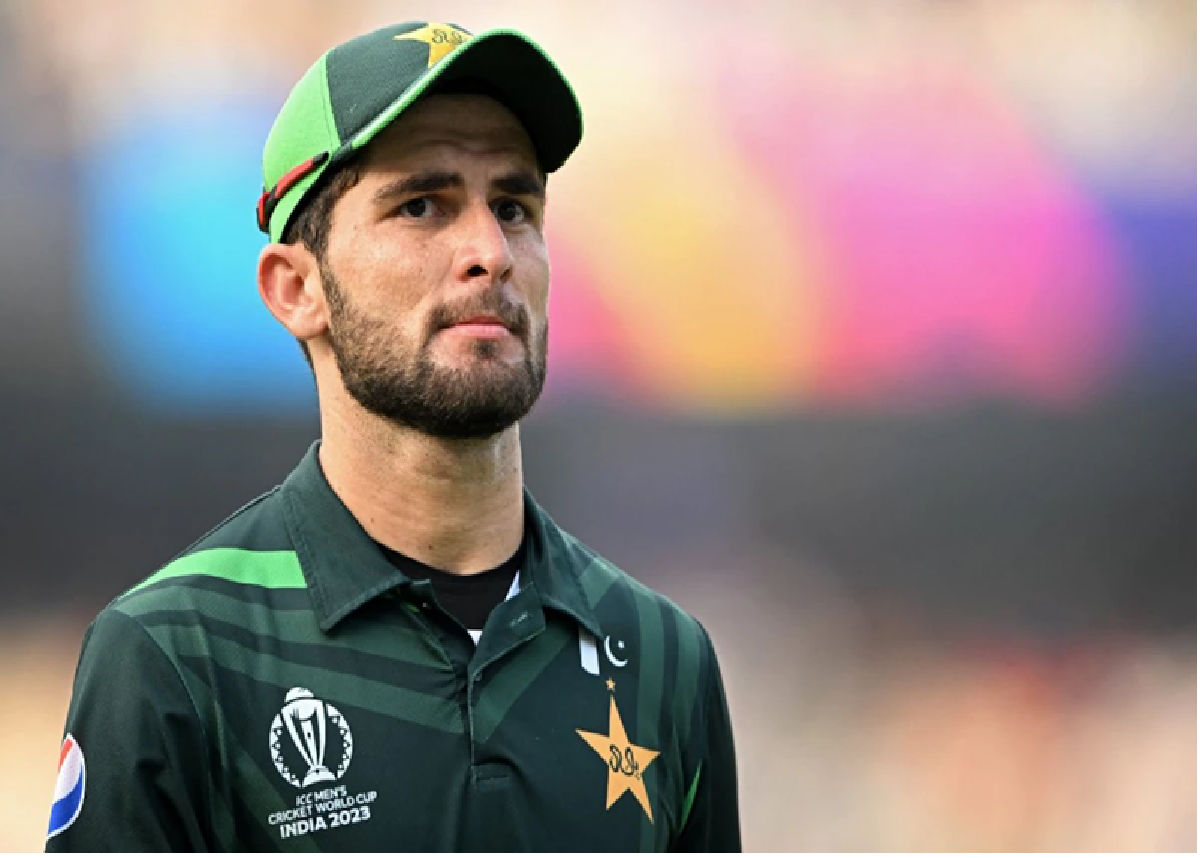
- Shaheen Shah Afridi, returning after a knee ligament injury sustained during the Big Bash League, headlines the pace attack. His return is one of the most encouraging developments for Pakistan. Known for his lethal left-arm swing with the new ball and ability to strike early, Shaheen’s presence significantly strengthens the side.
- Salman Mirza, the only other frontline seam bowler in the XI, provides variety with his left-arm pace and ability to bowl in different phases of the innings.
- Abrar Ahmed, the mystery leg-spinner, remains one of Pakistan’s most exciting bowling prospects. His unique action and variations make him a constant threat in the middle overs.
- Shadab Khan and Mohammad Nawaz further bolster the spin department, giving Pakistan a versatile attack that can adapt to pitch conditions and match situations.
With a mix of experience and innovation, Pakistan’s bowling lineup is designed to defend totals effectively, particularly on slower surfaces where variation and control become crucial.
Shaheen Afridi’s Comeback
Shaheen Shah Afridi’s return to international cricket after injury is a major talking point. The left-arm fast bowler had been sidelined since picking up a knee ligament issue while playing in the Big Bash League. His absence was felt deeply in Pakistan’s bowling unit, as few bowlers in world cricket can match his ability to swing the new ball at high pace and produce early breakthroughs.
His comeback not only boosts Pakistan’s bowling firepower but also strengthens team morale. A fully fit Shaheen gives Pakistan a cutting edge in the powerplay and death overs — phases that often determine T20 matches. For Shaheen himself, this series represents an opportunity to regain rhythm and confidence before the World Cup, where he is expected to play a central role.
Babar Azam’s Return and Role
Another significant development is Babar Azam’s inclusion at number three after an underwhelming BBL stint. While his performances in Australia did not meet expectations, Pakistan management continues to back him as their premier batter.
Babar’s role in this match is particularly important because Pakistan’s top order features aggressive openers who can either provide rapid starts or fall early. In such scenarios, Babar’s responsibility will be to anchor the innings, rotate strike, and guide the middle order into a strong finishing position.
Given his experience and class, this series could prove vital in helping him rediscover peak form and confidence, making him a cornerstone of Pakistan’s World Cup campaign.
Australia Team Analysis
Australia’s lineup reflects a strategic shift toward youth and experimentation:
- Travis Head (captain)
- Matt Short
- Cameron Green
- Matt Renshaw
- Cooper Connolly
- Mitchell Owen
- Josh Philippe (wicketkeeper)
- Jack Edwards
- Xavier Bartlett
- Adam Zampa
- Mahli Beardman
This is a new-look Australian side, missing several senior players but packed with promising talent and athleticism. Under Travis Head’s leadership, the team aims to play fearless cricket while giving opportunities to fringe and emerging players.
Top Order and Middle Order
Travis Head and Matt Short at the top form an aggressive opening pair capable of exploiting the powerplay. Head, known for his clean striking and fearless approach, will also shoulder leadership responsibilities, guiding a relatively inexperienced side through high-pressure situations.
Cameron Green at number three offers a blend of power and stability. His tall frame allows him to generate exceptional bat speed and clear boundaries with ease, making him a valuable asset in T20 cricket. Green also contributes with the ball, offering medium-pace options if needed.
Matt Renshaw, making his T20I debut, is one of three debutants in the side. Traditionally more associated with longer formats, Renshaw has worked extensively on his T20 game in domestic competitions and franchises, earning this opportunity. His adaptability and temperament make him a useful middle-order option.
Cooper Connolly and Mitchell Owen provide depth and flexibility in the lower middle order. Both are capable all-rounders who can accelerate the scoring rate while offering bowling support if conditions require.
Josh Philippe, one of Australia’s most dynamic wicketkeeper-batters in domestic T20 cricket, is expected to play the finisher’s role, using his power-hitting skills to maximize runs in the closing overs.
Bowling Attack
Australia’s bowling unit features a blend of youth, pace, and experience:
- Xavier Bartlett is emerging as one of Australia’s most exciting fast bowlers, known for his bounce, accuracy, and ability to swing the ball early.
- Adam Zampa, the senior bowler in the side, remains Australia’s go-to spinner in white-ball cricket. His control, variations, and experience make him a vital weapon in the middle overs.
- Jack Edwards, one of the debutants, is a seam-bowling all-rounder with the ability to contribute in both departments. His inclusion reflects Australia’s commitment to developing multi-skilled cricketers.
- Mahli Beardman, another debutant fast bowler, adds raw pace and energy. Though inexperienced at international level, Beardman has impressed selectors with his domestic performances and ability to bowl at high speeds.
Combined with Cameron Green’s medium pace and Cooper Connolly’s spin options, Australia possess a bowling attack that can adapt to different phases of the game, though consistency and execution under pressure will be key challenges.
The Three Debutants: A New Chapter for Australia
One of the standout features of this match is the inclusion of three T20I debutants for Australia: Matt Renshaw, Jack Edwards, and Mahli Beardman.
Matt Renshaw
Renshaw is best known for his exploits in Test and first-class cricket, but his domestic T20 performances have shown significant improvement in recent seasons. He brings composure, strong technique, and the ability to anchor innings — qualities that can be invaluable in the unpredictable nature of T20 cricket.
His debut reflects Australia’s belief in versatility and adaptability, as well as their willingness to experiment with non-traditional T20 players who possess strong fundamentals.
Jack Edwards
Edwards is a seam-bowling all-rounder with a reputation for athleticism and leadership at junior and domestic levels. His inclusion strengthens Australia’s lower-middle order and adds another bowling option, increasing tactical flexibility.
As a debutant, Edwards will be eager to make an impact in both disciplines and stake a claim for future selection.
Mahli Beardman
Beardman is perhaps the most exciting of the three debutants, known for his raw pace and aggression. Fast bowlers who can consistently hit high speeds are always valuable in T20 cricket, especially in the powerplay and death overs, where wickets and control are crucial.
His debut offers Australia a glimpse into the future of their pace attack and a chance to assess how his skills translate to the international stage.
Leadership Transition: Travis Head as Captain
With several senior leaders unavailable, Travis Head has been entrusted with captaincy duties for this series. Head’s aggressive playing style and calm temperament make him a suitable choice to lead a young and experimental side.
Captaincy in T20 cricket demands quick decision-making, creative field placements, and the ability to adapt to changing match situations. Head’s experience across formats and leagues worldwide equips him well for this responsibility.
For Australia, this leadership transition is not merely about short-term results but also about grooming potential future leaders and strengthening leadership depth ahead of major tournaments.
Historical Context: Australia in Pakistan
This match marks only Australia’s second-ever T20I in Pakistan. Their previous encounter in the country came in April 2022, which Australia won. Given Pakistan’s long absence from hosting international cricket due to security concerns in the past, every touring series carries symbolic importance.
Australia’s willingness to tour Pakistan again reflects growing confidence in the country’s cricketing infrastructure and security arrangements. It also provides Pakistani fans the opportunity to witness world-class cricket on home soil — a significant step in restoring Pakistan’s status as a regular host of international fixtures.
Tactical Battle: Batting First vs Chasing
Pakistan’s decision to bat first sets up a classic T20 tactical battle. By posting a competitive total, they aim to put scoreboard pressure on a relatively inexperienced Australian side, forcing them into high-risk shots and creating wicket-taking opportunities.
Batting first also allows Pakistan to use their varied bowling attack strategically, deploying Shaheen Afridi early to exploit swing, Abrar Ahmed in the middle overs to control scoring, and Shadab Khan and Mohammad Nawaz to break partnerships.
Australia, on the other hand, will aim to counter this strategy by starting aggressively in the powerplay and ensuring they remain within striking distance of the target. Their deep batting lineup, featuring multiple all-rounders, gives them flexibility in chase scenarios.
Key Match-Ups to Watch
Several individual contests within the match promise to be particularly compelling:
- Shaheen Afridi vs Travis Head: A left-arm pace bowler versus an aggressive left-handed opener — a classic high-impact battle likely to shape the early stages of the innings.
- Abrar Ahmed vs Cameron Green: Abrar’s mystery spin against Green’s power-hitting ability could prove decisive in the middle overs.
- Adam Zampa vs Babar Azam: Zampa’s variations against Babar’s technical excellence represent a tactical chess match between two of the game’s finest exponents in their respective disciplines.
- Mahli Beardman vs Fakhar Zaman: Raw pace versus raw power — a contest that could produce thrilling moments and potentially swing momentum.
Implications for World Cup Preparations
Beyond the immediate outcome, this match carries broader implications for both teams’ World Cup preparations. For Pakistan, strong performances from returning players like Shaheen Afridi and Babar Azam would provide reassurance about form and fitness ahead of global competition.
For Australia, this series serves as a testing ground for emerging players and combinations. Successful debuts could fast-track players into future squads, while struggles would offer valuable lessons and highlight areas for improvement.
In modern cricket, squad depth is as important as star power, particularly in tournaments where injuries, fatigue, and form fluctuations are inevitable. Both teams are using this series to build resilience, adaptability, and versatility — key attributes for success at the highest level.
Fans, Atmosphere, and Broader Impact
With the match taking place in Lahore, a city renowned for its passionate cricket fans and electric atmosphere, the contest is expected to draw significant attention both locally and internationally. Pakistani supporters are eager to see their team in action at home, particularly against a strong opponent like Australia.
The return of international cricket to Pakistan has had a transformative impact on the country’s cricketing ecosystem, inspiring young players, revitalizing domestic competitions, and strengthening fan engagement. Matches like this contribute to rebuilding Pakistan’s image as a vibrant and welcoming cricketing nation.
For Australia, touring Pakistan offers valuable exposure to subcontinental conditions — slow pitches, spin-friendly surfaces, and passionate crowds — all of which are critical experiences for players aspiring to succeed in global tournaments.
Conclusion
Pakistan’s decision to bat first against Australia in the opening T20I of the Lahore series sets the stage for a fascinating contest between experience and youth, tradition and experimentation, home advantage and touring ambition. With Shaheen Afridi returning from injury, Babar Azam looking to regain form, and Salman Ali Agha leading with tactical clarity, Pakistan enter the match with both confidence and purpose.
Australia, under Travis Head’s leadership and featuring three debutants, present a fresh, fearless lineup eager to prove themselves on the international stage. The inclusion of Matt Renshaw, Jack Edwards, and Mahli Beardman underscores Australia’s long-term vision and commitment to building depth ahead of major tournaments.
Beyond the scoreboard, this match symbolizes the continued revival of international cricket in Pakistan and the evolving nature of modern T20 cricket — where adaptability, squad depth, and innovation are just as important as individual brilliance.
As the series unfolds, fans can expect competitive cricket, emerging stars, and valuable insights into how both teams are shaping their futures. Regardless of the result, this opening match represents a meaningful step in both sides’ journeys toward World Cup readiness, making it a compelling and significant encounter on the global cricket calendar.
Related Posts