New Zealand Landslide Live: Girl reported missing after heavy rain triggers landslide at Mount Maunganui campsite
Landslide at Mount Maunganui: Campers Missing After Torrential Rain Triggers Major Rescue Operation in New Zealand
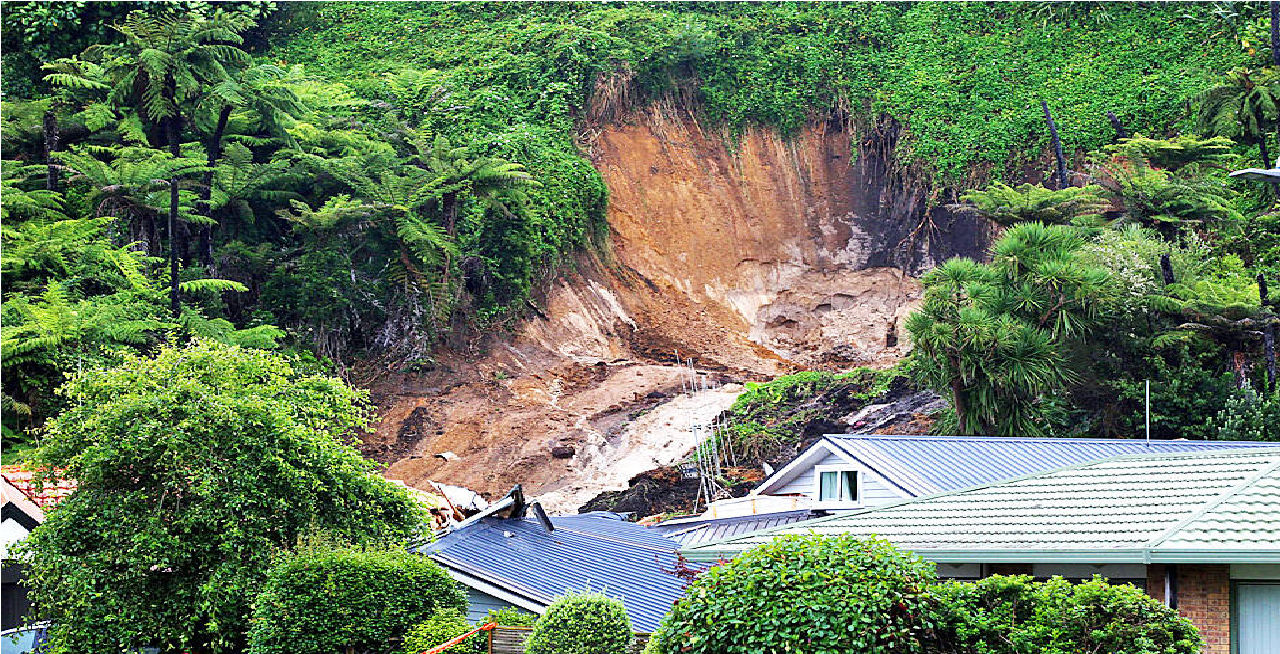
A devastating landslide at a campsite in the popular tourist destination of Mount Maunganui has left several people missing, including a young girl, after days of relentless heavy rainfall battered large parts of New Zealand’s North Island. Emergency services have launched a large-scale response, but rescue efforts have been hampered by dangerous ground conditions and the continuing threat of further earth movements.
The incident occurred near Mauao, the iconic volcanic hill that overlooks Mount Maunganui and draws thousands of visitors each year. What is normally a tranquil coastal area filled with campers, hikers, and holidaymakers quickly turned into a scene of panic and uncertainty as saturated soil gave way, sending mud and debris crashing into parts of the campsite.
Campsite Evacuated as Search Begins
Authorities confirmed that the affected campsite was immediately evacuated following the landslide. Emergency services moved swiftly to clear the area, fearing that further slips could occur as rain continued to fall. Several campers were unaccounted for in the hours following the incident, triggering an urgent search and rescue operation.
The landslide occurred south-east of Auckland, in a region already experiencing widespread flooding, road closures, and weather-related disruptions. Police, fire crews, and civil defence officials established cordons around the site, restricting public access while assessments were carried out.
Officials stressed that the decision to evacuate and restrict access was made to prevent additional casualties. Unstable slopes and waterlogged ground posed a serious risk not only to campers but also to emergency responders attempting to reach those missing.
Eyewitness Describes Terrifying Moments
One of the most striking accounts came from hiker Mark Tangney, who happened to be nearby when the landslide struck. Speaking to the New Zealand Herald, Tangney described hearing desperate screams and seeing people flee the campsite in shock.
“I could just hear people screaming, so I just parked up and ran to help,” he said.
Tangney explained that he was among the first to arrive at the scene, joining several other men who attempted to assist those believed to be trapped. They climbed onto the roof of a toilet block within the campsite, using tools to try to remove parts of the structure after hearing cries for help from beneath the debris.
“There were six or eight other guys there on the roof of the toilet block with tools just trying to take the roof off because we could hear people screaming: ‘Help us, help us, get us out of here’,” he recalled.
His account highlights the chaos and urgency of the moments immediately after the landslide, as ordinary members of the public risked their own safety in an effort to save lives.
Emergency Crews Hear Voices Beneath the Rubble
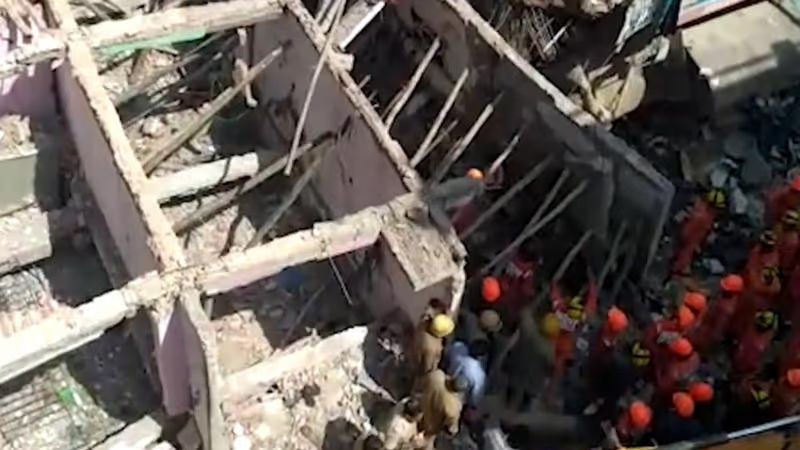
New Zealand’s national emergency response agency, Fire and Emergency New Zealand, confirmed that its initial crews also heard voices when they arrived at the scene, reinforcing fears that people were trapped beneath the rubble.
Fire and Emergency commander William Pike told reporters that the situation was extremely unstable from the outset.
“Our initial fire crew arrived and were able to hear the same,” Pike said, referring to the voices reported by witnesses.
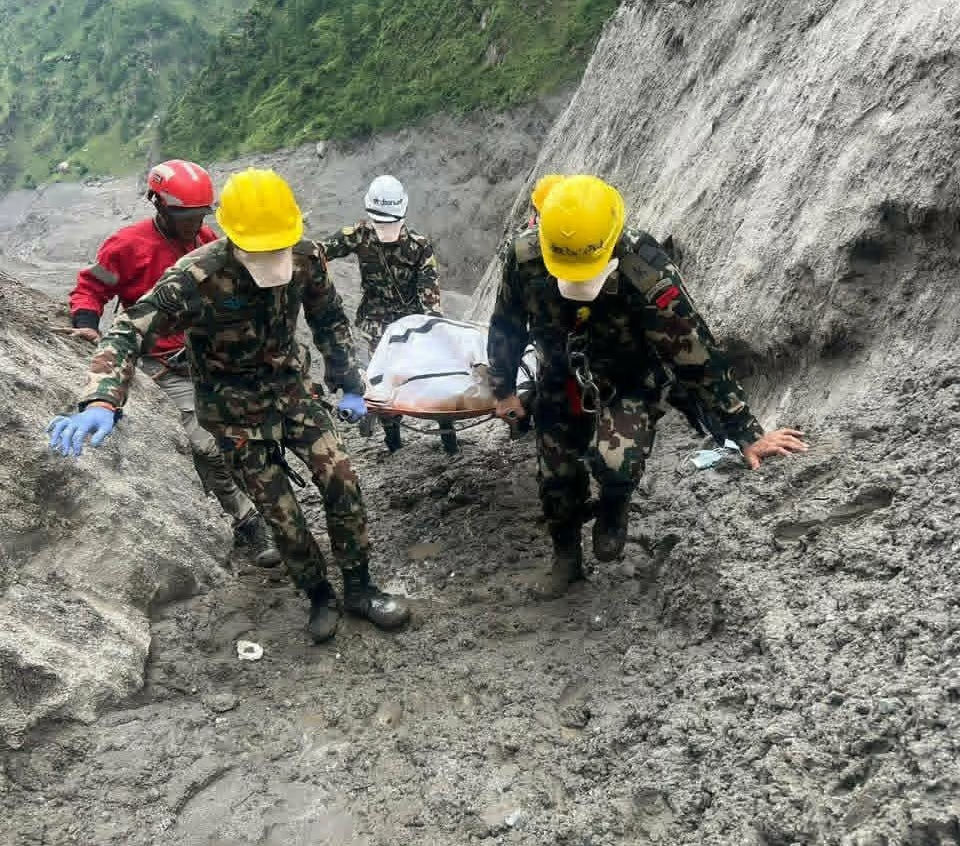
However, rescue efforts were soon forced to pause. Due to the high risk of further earth movement, commanders made the difficult decision to withdraw all personnel from the most dangerous areas of the site.
Rescuers are trained to prioritise safety, particularly in landslide scenarios where shifting ground can quickly turn fatal. Pike acknowledged the emotional weight of the decision but said it was necessary to prevent further loss of life.
Asked later whether voices had been heard since crews were pulled back, Pike said: “Not that I know of, no.”
Severe Weather Triggers Rare Red Warning
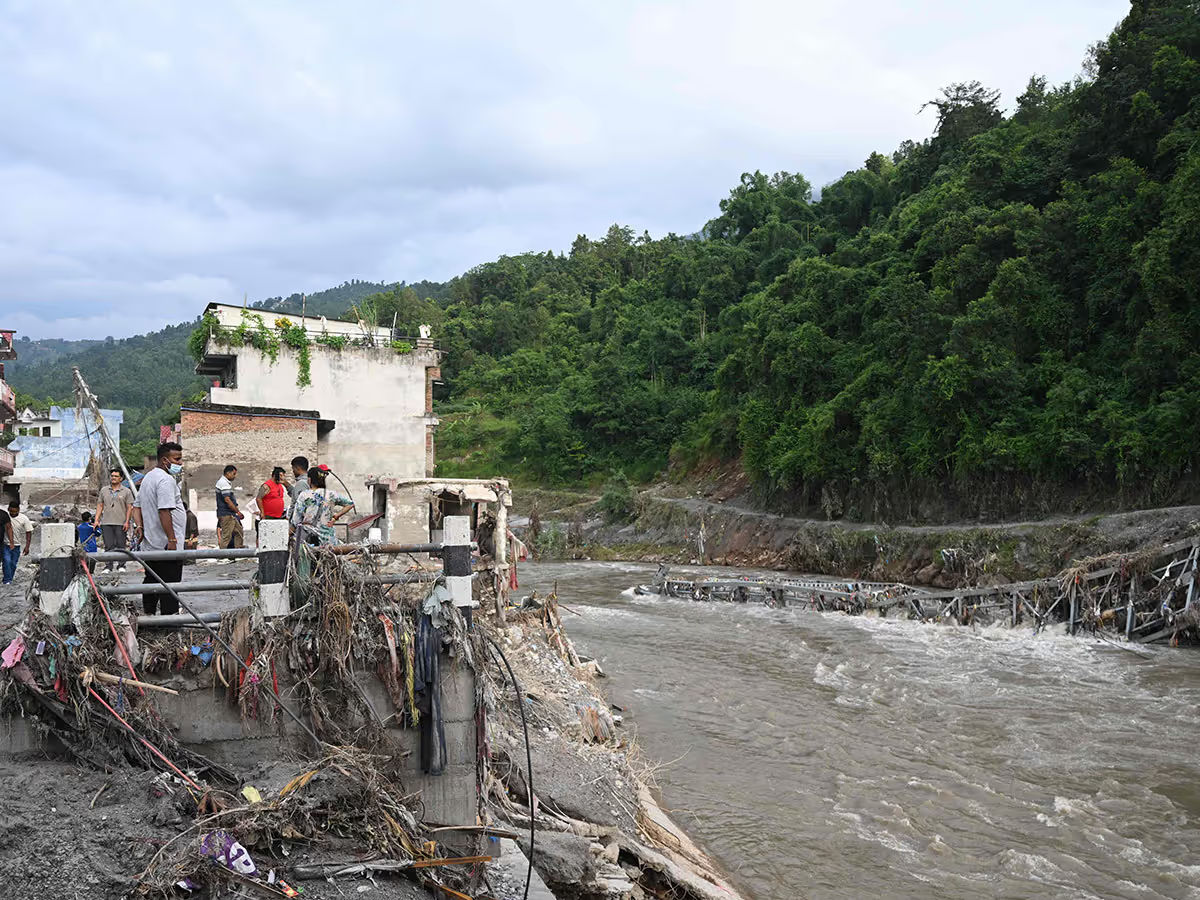
The landslide comes amid extreme weather conditions affecting much of New Zealand’s North Island. Days of intense rainfall have drenched the region, overwhelming drainage systems, swelling rivers, and destabilising hillsides.
The country’s national weather agency, MetService, issued a rare red weather warning for several regions — the highest alert level available. A red warning indicates a direct “threat to life” and is used only in the most severe situations.
MetService warned that rainfall totals were significantly above average and that the intensity of the downpours posed serious risks, including flooding, landslides, and dangerous travel conditions. Residents were urged to stay indoors, avoid coastal and hillside areas, and follow instructions from emergency authorities.
Why Mount Maunganui Is at Risk
Mount Maunganui, also known by its Māori name Mauao, is one of New Zealand’s most recognisable natural landmarks. Its steep slopes, volcanic soil, and proximity to the coast make it both beautiful and potentially hazardous during extreme weather.
When heavy rain falls over extended periods, soil becomes saturated and loses its ability to hold together. This increases the risk of landslides, particularly in areas where slopes are steep or vegetation has been disturbed.
Campsites located near hillsides or at the base of slopes can be especially vulnerable. Experts note that even well-established sites can become dangerous if rainfall exceeds design expectations or if drainage systems are overwhelmed.
Climate Change and Extreme Rainfall
Scientists have repeatedly warned that climate change is increasing the frequency and severity of extreme weather events in New Zealand. Warmer air can hold more moisture, leading to heavier rainfall when storms occur.
As a result, events that were once considered rare are becoming more common. Emergency management agencies say this trend underscores the need for improved planning, stronger infrastructure, and greater public awareness of weather-related risks.
The Mount Maunganui landslide has renewed calls for a review of land-use policies, particularly in popular tourist areas where large numbers of people may be exposed to natural hazards.
Community Shock and Anxiety
The incident has sent shockwaves through the local community and beyond. Mount Maunganui is a major tourism hotspot, especially during holiday periods, and many New Zealanders are familiar with the campsite and surrounding walking tracks.
For families of those missing, the uncertainty has been agonising. Authorities have said they are working to gather accurate information and will provide updates as soon as it is safe and appropriate to do so.
Local residents have also expressed concern about their own safety, with some areas experiencing flooding and others facing the risk of slips. Community centres have been opened in parts of the Bay of Plenty to provide shelter and information to those affected.
Challenges Facing Rescue Operations
Rescuing people trapped in landslides is one of the most complex tasks emergency crews face. Heavy machinery can sometimes be used to remove debris, but in unstable conditions it can trigger further collapses.
Search dogs, listening devices, and careful manual digging are often employed, but only when geotechnical experts determine the area is safe enough. In this case, ongoing rainfall has significantly limited what rescuers can do.
Officials have emphasised that operations will resume as soon as conditions allow. Geotechnical assessments are being carried out to determine when it will be safe for crews to return to the site.
National Focus on Emergency Preparedness
The disaster has prompted renewed discussion across New Zealand about emergency preparedness, particularly for people travelling or camping during severe weather.
Authorities have urged the public to take weather warnings seriously, especially red alerts. They recommend checking forecasts before travelling, avoiding high-risk areas during heavy rain, and having an emergency plan in place.
The government has also highlighted the importance of community resilience, encouraging neighbours to check on one another and share information during emergencies.
Waiting for Hopeful News
As rain continues to fall in parts of the North Island, the situation at Mount Maunganui remains tense. Emergency services, weather officials, and local authorities are closely monitoring conditions, ready to act when it is safe to do so.
While the absence of voices since the initial response has raised fears, officials caution that it is too early to draw conclusions. Survival in landslide incidents depends on many factors, including the presence of air pockets and the speed at which rescue operations can resume.
For now, New Zealand watches and waits, hoping for positive developments amid one of the most serious weather-related incidents to strike a major tourist area in recent years. The Mount Maunganui landslide stands as a stark reminder of nature’s power and the importance of preparedness in an era of increasingly extreme weather.
Related Posts