Life in the world’s coldest city, where temperatures plunge as low as –64°C
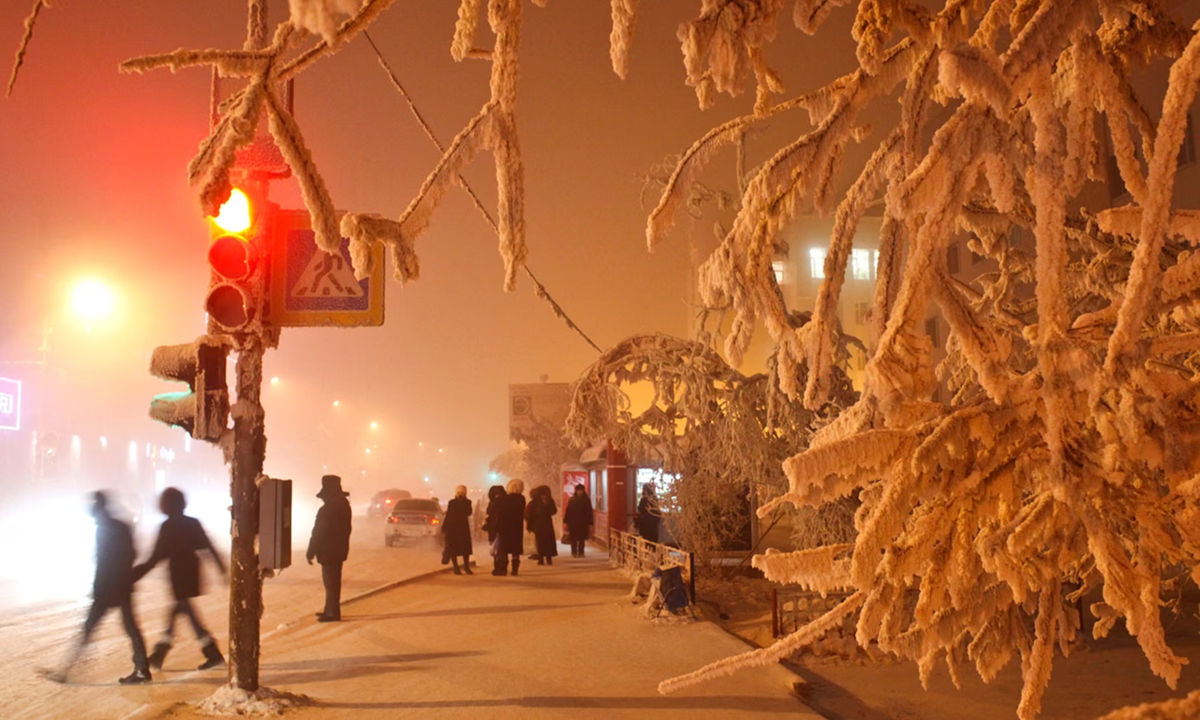
Yakutsk: Life in Siberia’s Frozen Capital, the Coldest City in the World
Yakutsk, located in the vast and remote region of Siberia in eastern Russia, is widely recognised as the coldest city in the world. Situated on the banks of the Lena River, the city experiences winter temperatures that routinely fall below –50 degrees Celsius, with record lows reaching an astonishing –64 degrees Celsius. For much of the globe, such temperatures are almost unimaginable. Yet for the more than 300,000 residents of Yakutsk, this extreme cold is not an occasional phenomenon but a defining feature of everyday life.
Despite its reputation for brutal winters, Yakutsk is a fully functioning modern city with schools, universities, hospitals, theatres, and a growing economy. Life here is shaped by a constant battle against the cold, demanding resilience, adaptation, and respect for nature.
Geography and Climate: Why Yakutsk Is So Cold
Yakutsk’s extreme climate is the result of its unique geographical position. The city lies deep within the Eurasian landmass, far from oceans that could moderate temperatures. This inland location creates a sharply continental climate, characterised by extremely cold winters and surprisingly warm summers.
Winter in Yakutsk lasts from October to April, with January temperatures often averaging around –40°C. During this period, daylight hours are short, and the sun offers little warmth. In contrast, summers can be unexpectedly hot, with temperatures occasionally exceeding 30°C, making Yakutsk one of the places on Earth with the greatest annual temperature range.
This dramatic contrast defines life in the city, forcing residents to adapt to both extremes within a single year.
Living in –64°C: Adapting to Extreme Cold
Survival in Yakutsk depends on preparation. Clothing is the most critical defence against the cold. Residents wear multiple layers, often combining traditional fur garments with modern thermal materials. Thick coats, insulated boots, fur-lined hats, and heavy gloves are essential for stepping outside, even for short periods.
Exposed skin can freeze within minutes in extreme cold, making frostbite a constant risk. As a result, people carefully plan outdoor activities, limiting time spent outside and moving quickly between heated spaces.
Homes are designed to retain warmth, with thick insulation and powerful heating systems that operate continuously throughout winter. Heating is considered a basic necessity, and any prolonged failure can quickly become life-threatening.
Building a City on Permafrost
Yakutsk is built entirely on permafrost, ground that remains permanently frozen year-round. This presents major engineering challenges. If buildings are constructed directly on the ground, heat from the structure can melt the permafrost, causing foundations to shift or collapse.
To prevent this, many buildings are constructed on stilts, allowing cold air to circulate beneath them and keep the ground frozen. Roads and sidewalks require constant maintenance, as freezing and thawing cycles can cause cracks and deformation.
Water and sewage systems pose another challenge. Underground pipes can freeze easily, so many are installed above ground and heavily insulated. These unique features give Yakutsk a distinctive urban landscape shaped by the demands of extreme cold.
Transportation in the Coldest City in the World
Transportation in Yakutsk during winter tests both human patience and mechanical endurance. Cars require special modifications, including engine block heaters, insulated batteries, and thick antifreeze fluids. Many residents leave their vehicles running for hours or overnight, fearing they may not restart once turned off.
Public transport continues to operate, though delays are common during severe cold spells. Drivers are trained to handle breakdowns in extreme conditions, and emergency protocols are in place to protect passengers.
One of the most remarkable features of winter transportation is the use of ice roads. When rivers freeze solid, they become temporary highways, connecting Yakutsk to remote settlements and enabling the transport of essential goods.
Work and Economic Life in Extreme Conditions
Yakutsk serves as the administrative and economic centre of the Sakha Republic, a region rich in natural resources. Diamond mining is a major industry, along with gold extraction, energy production, and scientific research. These industries play a crucial role in Russia’s economy and provide employment for thousands of residents.
Working conditions during winter are strictly regulated. Outdoor labour is limited, with mandatory warm-up breaks to reduce the risk of frostbite and hypothermia. Employers often offer higher wages and additional benefits to compensate for the harsh environment, attracting workers from other regions.
The public sector, including education, healthcare, and government administration, also employs a large portion of the population, helping maintain stability in the city year-round.
Education and Childhood in Yakutsk
For children growing up in Yakutsk, extreme cold is simply part of normal life. Schools remain open even when temperatures drop far below what would close schools elsewhere in the world. Only during the most severe cold spells are classes suspended.
From an early age, children are taught how to dress properly, recognise the early signs of frostbite, and behave safely outdoors. Parents carefully monitor outdoor playtime, ensuring children do not remain outside for too long during winter.
Indoor activities play a major role in childhood development. Sports halls, music schools, art centres, and cultural institutions provide opportunities for creativity and physical activity, even when outdoor conditions are harsh.
Health Challenges in a Frozen Environment
Living in the coldest city in the world comes with significant health risks. Frostbite, hypothermia, and respiratory problems are common concerns during winter. Hospitals and clinics in Yakutsk are well-equipped to handle cold-related injuries, and medical staff are trained to respond quickly to emergencies.
Mental health is another challenge. Long winters, limited sunlight, and isolation can contribute to seasonal affective disorder (SAD) and depression. To address this, community programmes, cultural events, and public festivals play an important role in maintaining social interaction and emotional well-being.
Authorities regularly issue public advisories during extreme cold, reminding residents to take precautions and avoid unnecessary outdoor exposure.
Food and Diet: Eating to Survive the Cold
Diet plays a vital role in helping residents endure Yakutsk’s climate. Traditional Yakut cuisine is rich in protein and fat, providing the energy needed to stay warm. Meat, fish, dairy products, and fermented foods are staples of the local diet.
Frozen food storage is common, with residents using natural cold as a preservation method. Fresh fruits and vegetables are available but expensive, as they must be transported from far away, especially during winter months.
Despite these limitations, local food traditions emphasise nutrition, practicality, and sustainability, reflecting centuries of adaptation to the environment.
Culture Shaped by Extreme Cold
Yakutsk’s harsh climate has deeply influenced its culture and identity. Local traditions celebrate endurance, respect for nature, and community cooperation. Festivals held during winter highlight traditional music, dance, and storytelling, reinforcing a shared sense of pride.
One of the city’s most famous attractions is the Kingdom of Permafrost, an underground museum carved into frozen ground. Featuring ice sculptures and historical exhibits, it symbolises Yakutsk’s unique relationship with cold and attracts visitors from around the world.
Cultural institutions such as theatres, museums, and universities play a vital role in maintaining a vibrant social life, even during the darkest winter months.
Tourism in the Coldest City
Yakutsk has increasingly attracted adventurous tourists curious to experience life in the coldest city in the world. Visitors come to witness extreme temperatures, explore frozen landscapes, and learn about local culture.
Winter tourism activities include ice fishing, dog sledding, traditional festivals, and guided tours focused on survival in extreme cold. While tourism remains limited due to the city’s remoteness, it has become an important niche sector for the local economy.
Authorities promote Yakutsk as a destination for those seeking unique and challenging travel experiences.
Climate Change and Growing Concerns
Ironically, climate change poses a significant threat to Yakutsk. Rising global temperatures are causing permafrost to thaw, leading to concerns about building stability and infrastructure damage. Roads can buckle, foundations can weaken, and underground systems can fail as frozen ground becomes unstable.
Scientists closely monitor Yakutsk as a key site for studying climate change in Arctic and sub-Arctic regions. While winters remain extremely cold, long-term environmental shifts could reshape the city’s future in unpredictable ways.
Why People Continue to Live in Yakutsk
For outsiders, life in Yakutsk may seem overwhelmingly harsh. Yet for residents, the city represents home, opportunity, and identity. Many families have lived there for generations, developing deep cultural and emotional ties to the land.
Others move to Yakutsk for employment, research, or adventure, drawn by the challenge of living in one of the world’s most extreme environments. For them, the experience offers a powerful lesson in resilience and adaptability.
A Powerful Example of Human Resilience
Yakutsk stands as a remarkable example of humanity’s ability to adapt to extreme conditions. In a city where temperatures can fall to –64°C, life continues with determination and ingenuity. Schools educate, businesses operate, cultures thrive, and communities support one another against relentless cold.
As climate uncertainty grows worldwide, Yakutsk’s story offers both a warning and an inspiration. It highlights the power of nature while showcasing the extraordinary resilience of people who choose to live, work, and thrive in the coldest city in the world.y and climate. Situated deep inland and far from the moderating influence of oceans, the city is exposed to intense continental weather patterns. Winters are long, dark, and brutally cold, lasting up to eight months a year, while summers are surprisingly warm, with temperatures sometimes climbing above 30°C. This dramatic contrast makes Yakutsk one of the places with the widest temperature range on the planet.
During peak winter, daylight hours are short, and the sun provides little warmth. Frost blankets the city for weeks on end, and the air can feel so cold that it stings the skin within seconds of exposure. Yet, despite these conditions, Yakutsk continues to function as an important administrative, cultural, and economic centre of the Russian Far East.
How People Live at –64°C
Life in Yakutsk revolves around preparation and adaptation. Residents grow up learning how to respect the cold, understanding that even small mistakes—like dressing inadequately or staying outdoors too long—can have serious consequences. Heavy winter clothing is essential, often consisting of multiple layers made from fur, wool, and modern thermal materials. Traditional Yakut clothing, designed centuries ago, remains highly effective against extreme cold.
Homes in Yakutsk are built with thick insulation and powerful heating systems that operate continuously throughout winter. Central heating is not just a comfort but a necessity, and any disruption can quickly become dangerous. Many buildings are constructed on stilts to prevent the heat from melting the permafrost below, which could destabilise foundations.
Infrastructure on Permafrost
Yakutsk stands on permanently frozen ground known as permafrost. This presents unique challenges for urban development. Roads crack easily, buildings require constant monitoring, and underground pipes are difficult to maintain. Water and sewage systems are often installed above ground and heavily insulated to prevent freezing.
Despite these challenges, the city has developed infrastructure that allows it to operate year-round. Engineers and architects continuously innovate to adapt construction techniques to the harsh environment. Schools, hospitals, and government offices remain open even during extreme cold spells, reinforcing a sense of normalcy amid extraordinary conditions.
Transportation in the World’s Coldest City
Transportation in Yakutsk during winter is a test of endurance for both people and machines. Cars require special modifications, including engine heaters and insulated batteries. Many drivers leave their vehicles running for hours—or even days—to ensure they will restart in the extreme cold.
Public transport operates on adjusted schedules, and delays are common during severe weather. In winter, frozen rivers become temporary roads, providing crucial transport links to remote areas. These ice roads are carefully monitored to ensure safety, as they play a vital role in supplying goods to the region.
Work and the Local Economy
Yakutsk’s economy is shaped by its environment. The region is rich in natural resources, including diamonds, gold, and other minerals, making mining a key industry. Energy production, scientific research, and government services also provide significant employment.
Working conditions are carefully regulated during winter. Outdoor labour is limited, and workers are required to take frequent warming breaks. Higher wages and additional benefits often compensate for the demanding climate, attracting professionals willing to endure the cold in exchange for opportunity.
Education and Childhood in Yakutsk
For children growing up in Yakutsk, extreme cold is a normal part of life. Schools remain open unless temperatures drop below specific thresholds, which are far colder than what would close schools elsewhere in the world. From a young age, children are taught how to dress properly, recognise signs of frostbite, and navigate icy streets safely.
Playtime is adapted to the climate. While outdoor activities are limited during deep winter, indoor sports, arts, and cultural programmes are highly developed. Many residents later describe their childhoods as disciplined and resilient, shaped by the demands of the environment.
Health Risks and Medical Preparedness
Living in the coldest city in the world carries serious health risks. Frostbite and hypothermia are constant concerns, especially during sudden temperature drops. Medical facilities in Yakutsk are well-equipped to treat cold-related injuries, and public awareness campaigns regularly remind residents of safety precautions.
Mental health is another challenge. Long winters with limited sunlight can lead to seasonal depression. To counter this, community centres, cultural events, and festivals play an important role in maintaining social connection and emotional well-being.
Food and Diet in Extreme Cold
Diet is a key factor in surviving Yakutsk’s climate. Traditional Yakut cuisine is rich in protein and fat, providing the energy needed to generate body heat. Meat, fish, and dairy products are staples, while preserved and frozen foods are common during winter months.
Fresh fruits and vegetables are available but expensive, as they must be transported from far away. As a result, residents have developed food traditions that emphasise nutrition, warmth, and long-term storage.
Culture Forged by the Cold
The extreme climate has shaped Yakutsk’s culture and identity. Local traditions celebrate endurance, respect for nature, and community solidarity. Festivals held during winter highlight music, dance, and folklore that reflect centuries of adaptation to the cold.
One of the most famous attractions is the “Kingdom of Permafrost,” a museum carved into frozen ground that showcases ice sculptures and local history. Such landmarks not only attract tourists but also reinforce local pride in living where few others could.
Tourism in the Coldest City
Despite—or because of—its reputation, Yakutsk has become a destination for adventurous travellers. Tourists visit to experience record-breaking cold, see frozen landscapes, and learn about life on permafrost. Winter tourism includes activities like ice fishing, dog sledding, and cultural tours.
Local authorities have invested in promoting Yakutsk as a unique travel destination, highlighting both its natural beauty and its remarkable human story.
Climate Change and New Challenges
Ironically, climate change poses a growing threat to Yakutsk. Rising global temperatures are affecting permafrost stability, leading to concerns about building safety and infrastructure damage. Thawing ground can cause roads to buckle and foundations to weaken, creating costly and complex problems.
Scientists closely monitor these changes, using Yakutsk as a key location for studying the effects of warming in Arctic and sub-Arctic regions. While winters remain severe, long-term shifts could reshape the city’s future.
Why People Stay
To outsiders, life in Yakutsk may seem unbearably harsh. Yet for residents, the city is home—a place defined not only by cold but by community, culture, and opportunity. Many families have lived there for generations, developing deep ties to the land and its traditions.
Others move to Yakutsk for work, research, or adventure, drawn by the challenge of living in the coldest city in the world. For them, the experience offers a unique perspective on resilience and human adaptability.
A Symbol of Human Endurance
Yakutsk stands as a powerful example of humanity’s ability to adapt to extreme environments. In a city where temperatures can fall to –64°C, life continues with determination and ingenuity. Schools educate, businesses operate, cultures thrive, and communities support one another against the relentless cold.
As the world grapples with changing climates and environmental uncertainty, Yakutsk’s story serves as both a warning and an inspiration. It reminds us of nature’s power—and of the remarkable resilience of people who choose to live, work, and thrive at the coldest edge of the inhabited world.
Related Posts