Jamaat’s poll strategy with 298 candidates, foreign backing sparks concern in India
Jamaat-e-Islami Poised for Political Comeback in Bangladesh, Raising Concerns in India
Jamaat-e-Islami is preparing a robust return to Bangladesh’s political mainstream, fielding nearly 300 candidates in the upcoming national elections. The development has raised serious ideological and security concerns in India, especially in its eastern border states. According to an intelligence assessment obtained by CNN-News18, under Ameer Shafiqur Rahman’s leadership, Jamaat has finalized 298 candidates, marking its largest mobilisation since being officially banned in 2013. The party is positioning itself as a transformed entity: shifting from a proscribed Islamist organisation to a populist, nationalist-Islamist political force with a democratic façade.
Grassroots Mobilisation and Digital Strategy
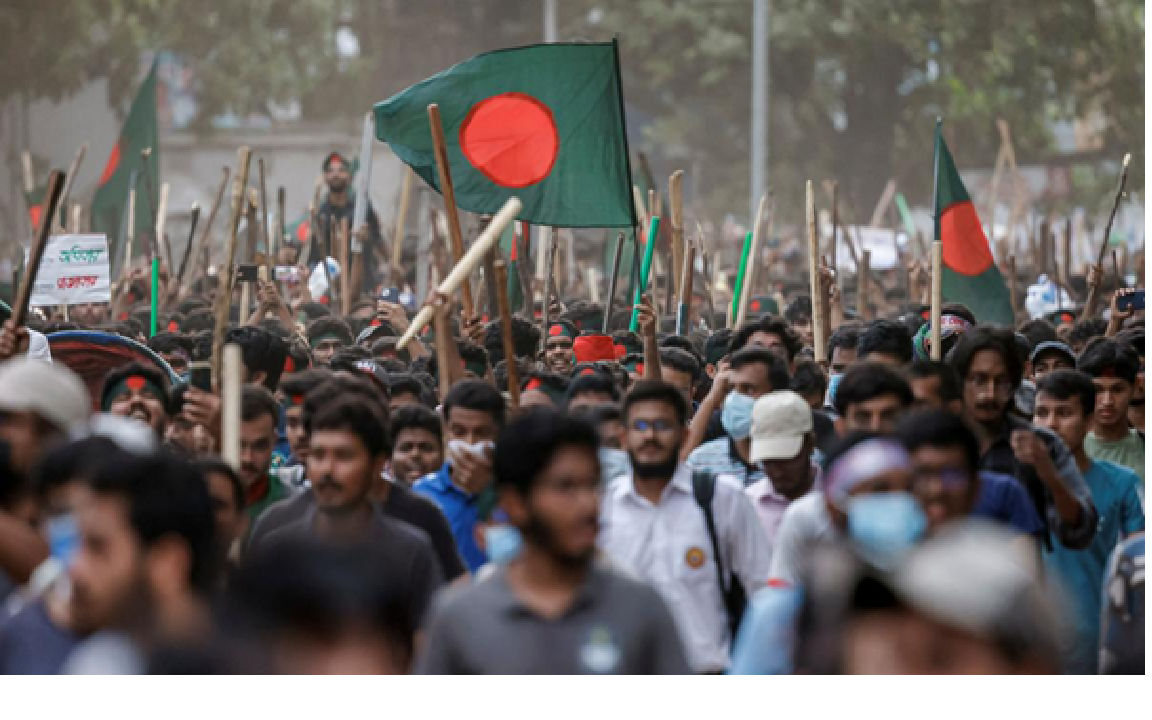
Jamaat’s resurgence is being orchestrated through an extensive grassroots network, including district-level shura committees, its student wing Islami Chhatra Shibir, and aggressive digital campaigns. These online initiatives focus on themes like Palestine solidarity, anti-corruption, and justice for past movement victims. A massive rally in Dhaka on October 2, attended by nearly 400,000 supporters, signalled the party’s ambition to present itself as a credible alternative to both the Awami League and the BNP.
Although Jamaat has publicly downplayed its visible Islamist symbols—reportedly due to pressure from Western envoys—the core ideological framework remains intact. Key figures like Maulana Rafiqul Islam Khan and Mia Ghulam Parwar are reportedly driving a “digital jihad” narrative, using social media to reconnect with disillusioned youth and revive dormant ideological networks.
Foreign Connections and Geopolitical Concerns
Jamaat’s diplomatic outreach to Turkey, Qatar, Malaysia, and UK-based Islamist groups adds an international dimension to its revival. Intelligence reports suggest these foreign actors are providing soft power legitimacy and possibly financial support to facilitate Jamaat’s political reintegration, potentially influencing Bangladesh’s post-Awami political landscape.
Implications for India
For India, Jamaat’s return is more than a Bangladesh domestic issue; it carries strategic and ideological risks. Indian intelligence agencies are closely monitoring corridors in West Bengal, Assam, and Tripura, fearing the revival of radical sleeper cells and cross-border ideological influence. Officials warn that Jamaat-Shibir’s digital infrastructure is being reconstructed, leveraging NGO funding channels and online influence campaigns reminiscent of jihadi soft propaganda.
Alerts have already been issued to regional intelligence and border security units regarding suspicious fund flows, NGO-backed remittances, and increased digital messaging. Analysts warn that Jamaat’s political legitimisation could fuel Islamist narratives in India’s border areas, where radical networks previously found support.
Domestic Political Context in Bangladesh
Jamaat’s comeback also threatens the fragile opposition coalition in Bangladesh. The historical BNP-Jamaat alliance, previously a counterweight to the Awami League, is now fracturing. BNP leader Mirza Fakhrul Islam Alamgir has accused Jamaat of forming “extortion alliances” and stirring unrest during joint protests in Sylhet, Rangpur, and Chittagong.
Jamaat’s push for a Proportional Representation system is aimed at securing a legitimate political foothold, particularly among conservative and Islamist youth. Critics argue, however, that despite rebranding and global outreach, the movement’s underlying ideology remains largely unchanged, supported through carefully concealed networks.
Related Posts