India Ditches Russian Oil: Trump’s Big Oil Bet in Trouble – Here’s Who Wins
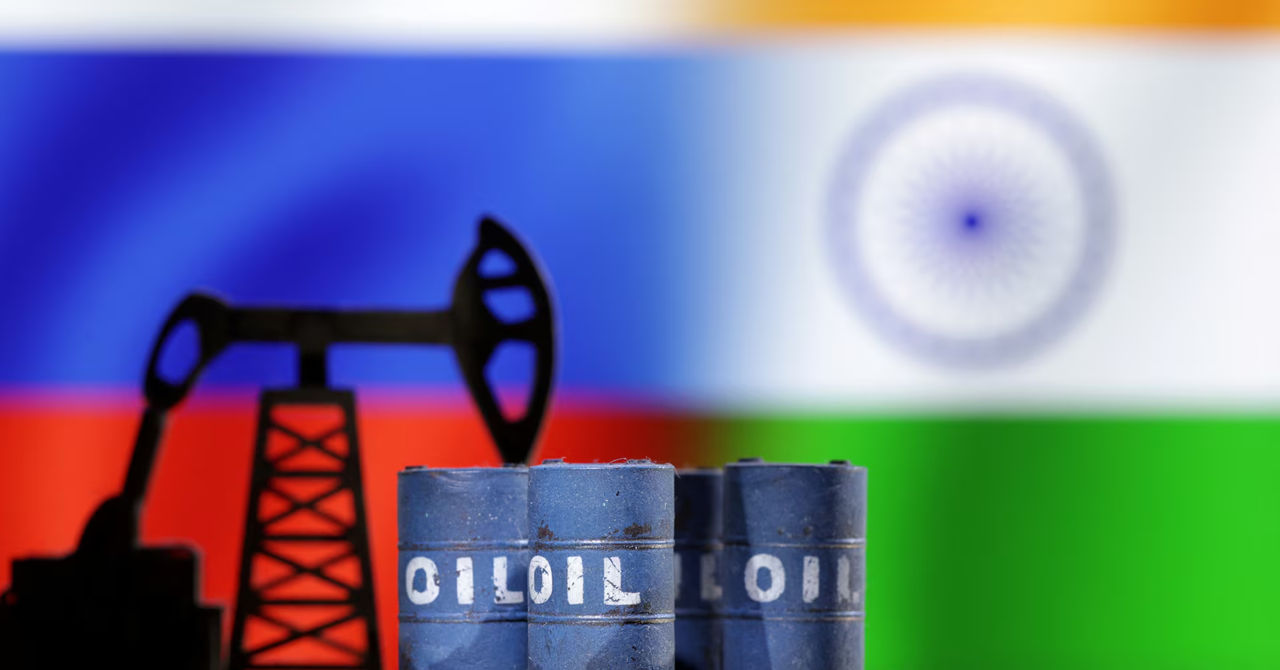
India Cuts Russian Oil Imports as US Shipments Rise: Strategic Realignment in Energy Trade
New Delhi: India’s crude oil imports from Russia have seen a marked decline in recent months, even as imports from the United States continue to grow. According to Reuters, Russian crude deliveries to India fell 8.4% between April and September 2025, following Washington’s decision to impose a 25% tariff on Russian oil. The decline reflects a combination of tighter global supply, dwindling discounts from Russian suppliers, and increasing pressure from the United States on India to reduce its reliance on Moscow.
This shift is reshaping global energy trade flows and underscores India’s ongoing efforts to diversify its crude sources while balancing economic and diplomatic considerations.
The Influence of Washington
US policymakers have been actively encouraging India to reduce Russian oil imports, citing geopolitical and strategic concerns. Peter Navarro, White House Trade Advisor, previously criticized India’s crude purchases from Russia, stating they were indirectly “funding Russia’s war in Ukraine.”
The US sanctions, which include a 25% tariff on Russian crude, have made it less attractive for Indian refiners to source oil from Moscow. While Russia had offered competitive discounts earlier, these incentives have narrowed, making imports from alternative sources, such as the Middle East and the United States, more viable.
Shipping Data and Refinery Adjustments
Shipping and refinery data indicate a clear realignment of India’s crude supply. During the first half of the fiscal year, one major Indian refinery imported approximately 1.75 million barrels of Russian crude per day. By September, imports remained stable at 1.6 million barrels per day, a 14.2% year-on-year decline compared to September 2024.
Private refiners like Reliance Industries Limited and Nayara Energy increased their intake of Russian crude in September, leveraging limited discounts to manage costs. In contrast, state-owned refiners such as Indian Oil Corporation, Bharat Petroleum, and Hindustan Petroleum scaled back their Russian purchases, aligning with strategic guidance and international pressures.
Simultaneously, India’s crude imports from the United States rose 6.8%, reaching about 213,000 barrels per day during the same period. Total crude imports in September were approximately 4.88 million barrels per day, down slightly by 1% from August, but 3.5% higher than September 2024.
Shifting Market Shares
Russia’s share of India’s total crude imports dropped from 40% to around 36% over the six-month period. Conversely, imports from the Middle East increased from 42% to 45%, and the United States gained a stronger foothold in the Indian market.
OPEC nations collectively expanded their share from 45% to 49%, including major producers like Saudi Arabia, Iraq, Iran, Kuwait, UAE, Nigeria, and Venezuela. This trend highlights India’s deliberate effort to diversify its energy sources, reducing dependency on any single supplier while improving supply security.
Historical Context: India-Russia Energy Ties
India has maintained a longstanding energy relationship with Russia, sourcing substantial volumes of crude oil over the past decade. Russian oil was attractive due to its competitive pricing, long-term contracts, and logistical arrangements that suited India’s refining infrastructure.
During periods of international sanctions or geopolitical tensions, India often relied on Russian crude to maintain stable refinery operations. For example, during the 2022–2023 Ukraine conflict, Russia offered significant price discounts, making its oil highly economical for Indian refineries.
However, the imposition of US tariffs and growing international pressure has created new challenges. Indian policymakers now face the delicate task of balancing energy security with diplomatic considerations. Reducing Russian oil imports helps India align more closely with US trade expectations while maintaining its strategic autonomy.
The Role of US Sanctions
The US tariffs on Russian crude are part of broader efforts to isolate Moscow economically following its invasion of Ukraine. By imposing a 25% levy on Russian oil, the United States has made Moscow-sourced crude less competitive, incentivizing countries like India to diversify their imports.
For India, these sanctions have a twofold impact: first, they raise the cost of Russian crude; second, they create diplomatic leverage for the US in ongoing trade negotiations with India. According to analysts, reducing Russian imports is critical for lowering tariffs and finalizing pending trade agreements between the US and India.
Refinery Realignments and Economic Implications
The decline in Russian oil imports has prompted recalibration among Indian refiners. Private companies, driven by cost considerations and supply flexibility, have selectively continued importing Russian crude. State-owned entities, however, have scaled back, reflecting broader strategic and regulatory compliance concerns.
The realignment has implications for refinery operations, profit margins, and domestic fuel pricing. India’s refiners are increasingly relying on Middle Eastern and US crude, which differ in sulfur content, density, and processing requirements. These adjustments require careful blending strategies to ensure production efficiency and meet domestic fuel quality standards.
Geopolitical and Strategic Dimensions
India’s energy strategy is not merely about economics; it is also deeply intertwined with geopolitics. By reducing Russian oil imports and increasing purchases from the US and the Middle East, India strengthens ties with key international partners while signaling a pragmatic approach to global energy politics.
Analysts note that this diversification allows India to mitigate risks associated with supply disruptions, price volatility, and geopolitical tensions. By maintaining a balanced portfolio, India ensures that its energy security is not overly dependent on a single nation or region.
Expert Insights
Energy analysts view India’s move as a strategic recalibration. Dr. Rohit Khanna, an energy economist, explains:
"India is diversifying its crude imports to reduce geopolitical exposure and ensure stable supply. The US tariffs on Russian oil have created an economic incentive, and Indian refiners are responding accordingly. This is a carefully calculated approach rather than a sudden shift."
Trade expert Anjali Mehta adds:
"The realignment reflects India’s ability to balance energy needs with diplomatic considerations. The US gains influence in India’s energy market, but India retains autonomy by continuing to source from multiple regions."
Broader Market Implications
The shift in India’s oil imports has global implications. Russia loses a significant buyer in India, impacting its revenue streams, while the US strengthens its position as a key supplier in the Asian market. Meanwhile, OPEC nations benefit from increased demand from India, allowing them to expand market share and pricing influence.
This redistribution also affects global crude pricing. With India diversifying sources and US imports rising, markets may see adjustments in freight rates, contract terms, and crude pricing dynamics in the region.
Long-Term Energy Security
India’s strategy reflects a long-term vision for energy security. By maintaining a diverse supplier base, including the US, Middle East, and selective Russian sources, India safeguards against potential disruptions caused by sanctions, conflicts, or production shocks.
Diversification also allows India to engage in strategic diplomacy, balancing relationships with multiple global powers while protecting its economic interests. Analysts predict that India’s oil import strategy will continue evolving in response to geopolitical developments, energy market trends, and domestic demand growth.
Conclusion
The decline in Russian oil imports and the rise in US shipments highlight India’s pragmatic and strategic approach to energy sourcing. The move demonstrates India’s commitment to diversifying its crude supply while navigating complex geopolitical pressures and economic imperatives.
For the United States, this shift represents a significant geopolitical and economic win, gaining influence in a market previously dominated by Moscow. For India, it strengthens energy security, enhances supply chain resilience, and provides flexibility to respond to changing market and political conditions.
As global energy markets continue to evolve, India’s recalibration of crude imports serves as a case study in balancing diplomacy, economic interests, and energy security.
Related Posts