IND vs SA 1st T20I: After the loss, South Africa captain Aiden Markram expresses frustration and lists the team’s biggest errors.
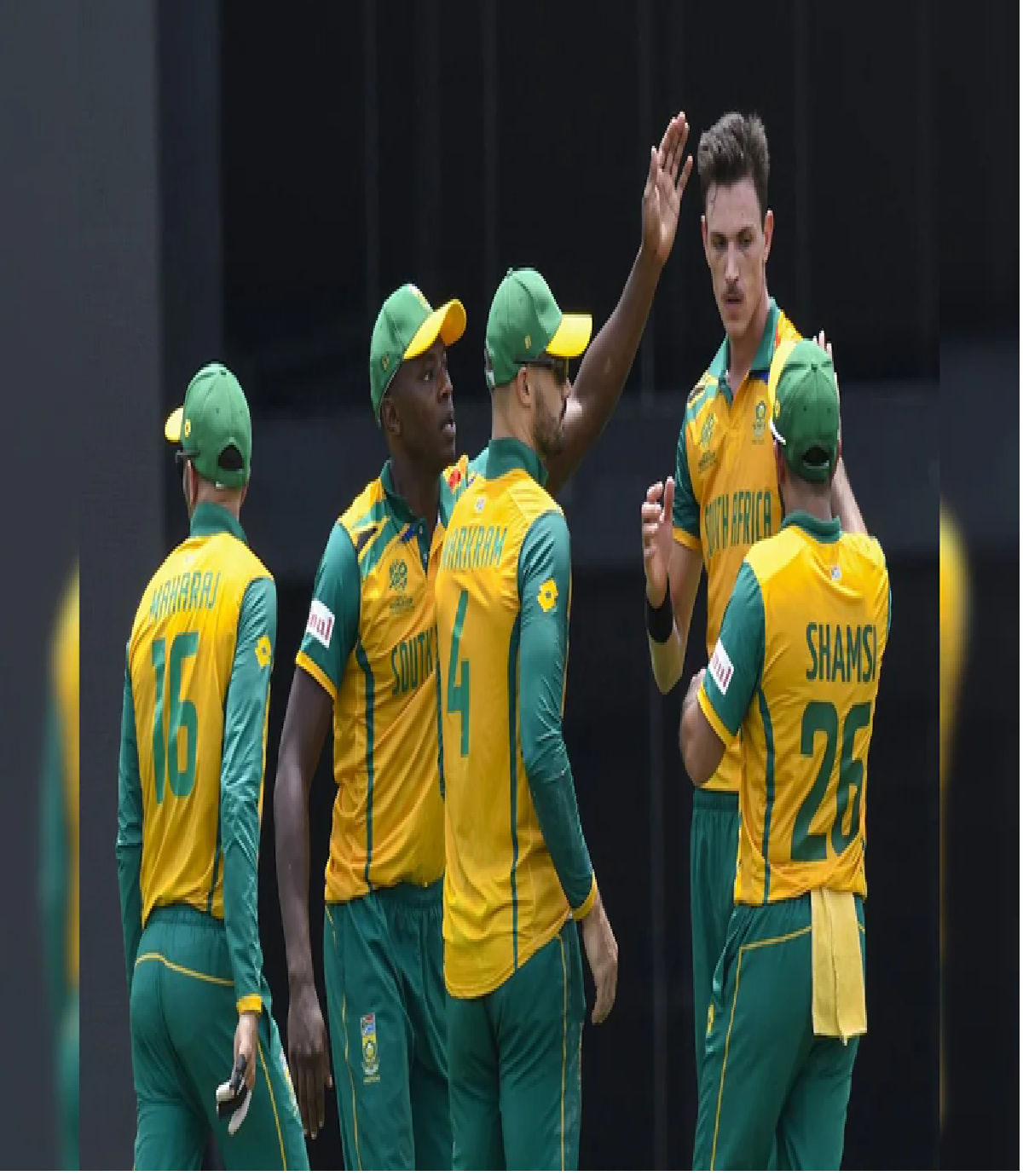
IND vs SA 1st T20I: Aiden Markram Shows Frustration After Defeat, Points Out the Team’s Most Costly Mistakes
The first T20 International between India and South Africa turned into a gripping contest that entertained viewers from start to finish. But for South Africa, the night concluded with disappointment as India secured a well-deserved win. Despite showing moments of brilliance, South Africa’s inconsistency hurt them at crucial stages of the match. At the post-match presentation, South African captain Aiden Markram did not shy away from addressing the team’s shortcomings. For one of the most composed leaders in world cricket, his direct and frustrated tone was a reflection of how deeply the defeat stung.
Markram admitted that South Africa had prepared thoroughly for the series, but their execution fell far below expectations. He highlighted several mistakes—ranging from poor fielding to lack of discipline in the powerplay—that cost them the match. The Proteas may still have two games left in the series, but Markram made it clear that immediate improvement is needed if South Africa wants to compete on equal terms against a strong Indian side.
Aiden Markram’s Reaction: Honest, Direct, and Heavily Emotional
Aiden Markram is not known for emotional outbursts. He usually maintains a calm presence, even under pressure. But during the post-match interaction, frustration was evident in his voice and body language. According to him, South Africa did not just lose the match—they threw it away through avoidable errors.
Markram said:
- The team lacked sharpness.
- Key moments were handled poorly.
- Fielding was below international standards.
- Bowlers failed to stick to plans.
- Batters lost wickets through unnecessary shots.
It wasn’t India’s brilliance alone that determined the result; instead, Markram emphasized that South Africa “made too many mistakes to deserve a win.”
He stressed that the players must take responsibility and show maturity. The captain made it clear that he expects stronger performances in the remaining matches.
Powerplay Failures: The Beginning of the End
The first major mistake Markram pointed out was South Africa’s poor execution in the powerplay. In T20 cricket, the opening six overs often dictate how the rest of the innings unfolds. That was exactly what happened in this game.
Bowling: Poor Line and Length Gave India a Strong Start
South Africa’s bowlers struggled with consistency from the very first over. Instead of sticking to tight areas, they bowled:
- Too many short balls
- Loose deliveries on the pads
- Wide deliveries outside off
- Full tosses under pressure
India’s openers didn’t hesitate to punish these errors. With boundaries flowing freely, India built instant momentum. Markram highlighted that the bowlers had specific plans for each batter but failed to execute them even for a couple of overs in a row.
He said:
“If you’re not disciplined in the powerplay, you’re always chasing the game.”
Batting: Early Wickets Created Unnecessary Pressure
South Africa’s chase began on the wrong note as they lost early wickets. Poor shot selection and lack of clarity added pressure. Instead of building a stable base, the batters fell into India’s tactical traps.
Markram mentioned that losing wickets in the powerplay makes any chase difficult, especially against a bowling attack that thrives when defending.
Fielding Lapses: Markram’s Biggest Disappointment
If there was one area where Markram looked most upset, it was fielding. South Africa has historically been known as one of the best fielding sides in the world. But in this match, they were nowhere near their usual standards.
Dropped Catches
Two catches were dropped at critical moments. Each one allowed India’s batters to continue scoring freely. Markram emphasized that dropped catches at the international level often shift momentum drastically—and that’s exactly what happened.
Misfields and Extra Runs
Several misfields gifted easy runs. Markram said those errors added 15–20 unnecessary runs to India’s total. In a close contest, small mistakes become defining moments.
Missed Run-Out Opportunity
There was a clear run-out chance that the Proteas failed to convert. This moment could have brought South Africa back into the match but instead allowed India to rebuild comfortably.
Markram did not hesitate to call these mistakes “unacceptable.”
He said the team must show more hunger and alertness, especially in a high-pressure series opener.
Middle-Order Collapse: Lack of Composure Under Pressure
South Africa’s middle order struggled to maintain flow during the chase. After losing early wickets, they needed a steady partnership—but instead, the innings broke down due to tension and impulsive decisions.
Markram highlighted the following issues:
Too Many Dot Balls
Pressure kept building as the middle order failed to rotate the strike. Dot balls led to frustration and eventually forced rash shots.
Risky Shots at the Wrong Time
Several batters attempted big strokes without assessing the match situation. These risky decisions resulted in soft dismissals.
No Stable Partnership
Not a single duo stayed long enough to rebuild the innings. Without partnerships, chasing becomes nearly impossible.
Markram said the middle order must “value their wicket more” and show understanding of match awareness.
India’s Strong Execution: The Difference Between the Two Teams
While pointing out South Africa’s shortcomings, Markram also praised India’s sharp performance.
India’s Bowlers Were Smart and Disciplined
The Indian bowling attack executed their plans with complete control. They varied pace intelligently, used slower balls effectively, and maintained tight lines.
Their death-over bowling was particularly impressive as they prevented boundaries and built pressure consistently.
Indian Batters Displayed Intent and Strategy
India’s batters showed excellent adaptability:
- They attacked loose deliveries.
- They rotated strike against good balls.
- They took calculated risks in the middle overs.
- They never allowed South Africa’s bowlers to settle.
The combination of controlled aggression and smart boundary-hitting kept India ahead throughout the match.
Markram’s Message to the Team: “Learn Fast and Move Forward”
Despite his frustration, Markram’s tone carried an underlying message of hope and determination. He urged the players to reflect but also move on quickly because the series is still alive.
His key points:
- Learn from mistakes but don’t lose confidence.
- Stick to game plans firmly.
- Show more intent in batting.
- Field with full intensity.
- Trust individual and team skills.
Markram believes South Africa has enough firepower to bounce back if they eliminate unnecessary errors.
What South Africa Needs to Fix Before the Next Match
To turn things around in the second T20I, the Proteas must fix several areas:
1. Bowling Discipline
The bowlers must avoid giving easy boundaries and focus on building pressure from the first over.
2. Aggressive But Smart Batting
Intent is important, but reckless shots must be avoided.
3. Better Strike Rotation
Dot balls must be reduced, especially in the middle overs.
4. Improved Fielding Standards
Catches must be taken, boundaries prevented, and run-out chances converted.
5. Stronger Mindset
South Africa needs mental clarity under pressure to break the pattern of collapses.
The Road Ahead: A Test of Character for the Proteas
The loss in the first match does not end South Africa’s hopes, but it places pressure on them. The next match becomes crucial because:
- A win keeps them alive in the series.
- A loss allows India to take an unassailable lead.
- Performance in the second game will reflect how well the team handles pressure.
Markram admitted that the players understand the stakes and are committed to making a strong comeback.
Conclusion: A Difficult Night, A Clear Message
South Africa’s defeat in the 1st T20I was a combination of self-inflicted mistakes and India’s strong execution. Aiden Markram’s frustration was justified—his team had the talent and preparation but failed in discipline and decision-making.
Still, Markram’s belief in his team remains strong. He expects a response, not excuses. The next match will reveal whether South Africa can learn quickly, adapt smartly, and rise to the occasion.
With the series far from over, the Proteas have a chance to rewrite the narrative—starting with improved performance, sharper focus, and stronger character.
Related Posts