Gold Prices Tumble 8% This Week, Drop 3% Today — What’s Causing the Decline? Important Insights for Investors
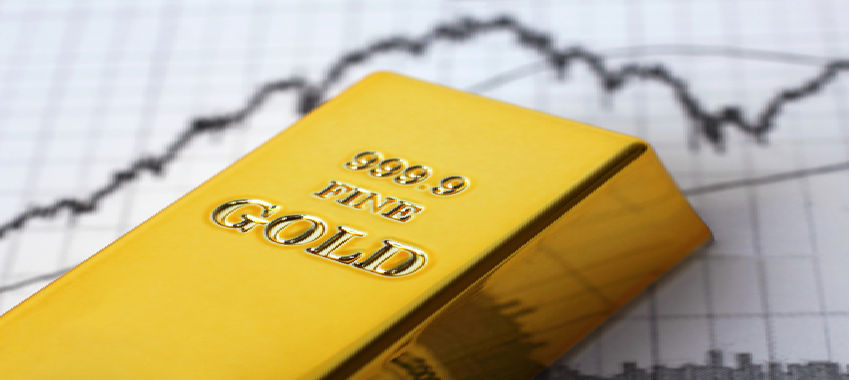
Gold prices witnessed a severe downturn today, deepening the steep losses that have rattled bullion markets throughout the week. The global benchmark gold futures (GCUSD) tumbled 3.09% to around $4,010.50 per ounce, resulting in a massive 8% weekly decline — the sharpest fall seen since 2013. Only months ago, gold was the star performer of financial markets, skyrocketing nearly 55–60% in early 2025 due to a strong wave of economic uncertainty, geopolitical risks, and expectations of aggressive Federal Reserve rate cuts.
That momentum has now taken a dramatic turn.
Sentiment Shift: From Safe-Haven Rush to Risk-On Rally
The major catalyst behind gold's reversal is a shift in global market psychology. Earlier this year, persistent inflation fears and escalating geopolitical tensions boosted gold buying by investors seeking a protective hedge. But recent improvements in economic data, trade sentiment, and risk appetite have led investors away from defensive assets like gold toward equities and bonds.
A stronger U.S. dollar is also impacting bullion demand. The U.S. Dollar Index (DXY) surged above 106, making gold more expensive for international participants. Since gold is priced in dollars, a firmer dollar typically reduces global buying interest — especially in emerging markets.
At the same time, easing tensions surrounding the U.S.–China trade scenario have diminished the urgency for safe-haven assets. As global markets turn more optimistic, investors are unwinding long gold positions that were built aggressively during the rally.
The Rally Lost Steam — Profit Booking Accelerated the Crash
Gold’s immense rise during the first half of 2025 made it a crowded trade. When markets become saturated with speculative longs, even a small shift in sentiment can trigger intense profit-booking.
Technical analysts had long warned that the market was overbought. The moment prices fell below a key support near $4,100, a cascade of stop-loss triggers hit the market, accelerating the drop. Large institutional players started offloading, pushing retail investors to follow suit.
One analyst summarized the sell-off well:
“Gold needed a correction. This wasn’t unexpected — the market was overheated and leveraged.”
Technical Breakdown: Critical Levels Ahead
Market watchers are now closely monitoring the next strong support zone:
| Support Zone | Market View |
| $4,050 – $4,000 | Major short-term support; breakdown may lead to deeper correction |
| $3,700 – $3,500 | Strong multi-month demand area expected to hold |
If gold holds above $4,000 and stabilizes, analysts expect a period of sideways consolidation before another potential up-move. However, a breakdown below this threshold could result in further panic selling.
Silver Mirrors the Weakness
- Spot silver: $48.42 per ounce, down 1.6%
- Losses have been milder but still reflect the broad pressure on precious metals
Impact on Indian Market: Prices Slip Before Festive Season
India — one of the world’s largest gold consumers — also felt the impact. Domestic gold prices have eased sharply:
| Gold Type | Price Change |
| 22-carat | Down nearly ₹1,050 per 10g |
| 24-carat | Down about ₹1,140 per 10g |
This decline comes just ahead of the festive and wedding season, creating mixed reactions:
- Consumers welcome lower prices as a buying opportunity.
- Jewellers worry about short-term volatility impacting demand planning.
If the rupee weakens or global prices rebound, domestic markets could again turn volatile.
Global Demand Trends: What’s Changing?
Several underlying dynamics are contributing to this correction:
✅ Reduced safe-haven buying
✅ Rotation into U.S. dollar assets and equities
✅ Falling speculative positioning in futures markets
✅ Cooling inflation forecasts
✅ Better geopolitical outlook
However, long-term supportive forces remain:
- Persistent geopolitical hotspots globally
- Expected Federal Reserve rate cuts in 2026
- Strong central bank gold purchases, especially from Asia and the Middle East
Institutional analysts maintain that gold is still in a structural bull cycle — but the near-term outlook shows turbulence.
Outlook for 2026: Bullish Expectations Remain Strong
Despite short-term pain, major financial institutions remain optimistic about gold’s multi-year trend.
Here’s a simplified forecast table:
| Institution | 2026 Gold Price Projection | Main Reason |
| Goldman Sachs | $4,440 by Q1, $5,055 by Q4 | Central bank buying, easing Fed |
| Reuters Poll (39 analysts) | Avg $4,275 | Safe-haven support remains |
| LongForecast | $3,496–$4,838 range | Inflation + geopolitical risk |
| Morgan Stanley | $4,400 | Ongoing macro uncertainty |
Consensus View
Even after an 8% correction, the long-term gold trend remains upward, with projections pointing toward $4,000–$5,000+ per ounce by late 2026.
Why This Isn’t a Collapse — Just a Healthy Correction
Corrections are a natural phase following oversized rallies. Historically, gold bull markets have:
1️⃣ Skyrocketed under fear-driven demand
2️⃣ Corrected sharply when fear recedes
3️⃣ Built new ground for the next advance
We are currently in Phase 2.
This breather allows the market to stabilize before any larger trend resumes. Over the past decades, gold has proven resilient against currency debasement, inflationary cycles, and geopolitical shocks — none of which have permanently faded.
Indian Investor Perspective: What Should You Do Right Now?
Experts emphasize strategy, not panic:
✅ Accumulate gradually — preferably using SIPs in gold ETFs or sovereign gold bonds
✅ Avoid chasing during rallies — corrections like this offer better entry points
✅ Maintain diversification — ideally 5–10% gold allocation in portfolios
✅ Watch key support levels — around ₹1.22 lakh per 10g domestically
✅ Track inflation and Fed policy — these will guide the next big move
If gold dips toward $3,945–$4,060, many analysts see that as an attractive buying region for long-term holders.
Who benefits most right now?
- New investors who missed the rally can enter at a discount
- Long-term savers for wedding and retirement planning
- Hedgers protecting portfolios against macro risks
Short-term traders may continue to face volatility, but long-term fundamentals remain compelling.
Key Takeaways for Investors
| Factor | Short-Term Impact | Long-Term Outlook |
| Strong USD | Negative | Moderates later |
| Trade optimism | Negative | Stabilizing |
| Fed future cuts | Positive | Major catalyst |
| Central bank buying | Supportive | Strong demand |
| Inflation uncertainty | Mixed | Bullish driver |
➤ Bottom line: Not a bubble burst — a reset before the next leg higher.
Conclusion: Gold Rally Pauses, but the Story Isn’t Over
Gold’s recent decline looks alarming on the surface — the steepest weekly fall in over a decade. Yet the correction follows one of the most powerful rallies in modern history. Profit-taking, a stronger dollar, and better global sentiment are temporary hurdles in what analysts still believe is a multi-year bullish cycle.
As global uncertainties evolve — from political shifts to inflation waves and central bank policies — gold will continue to assert its traditional role:
➡️ a hedge, a protector, and a long-term store of wealth
For smart investors, this downturn is not a signal to exit…
It’s an opportunity to prepare for what comes next.
Related Posts