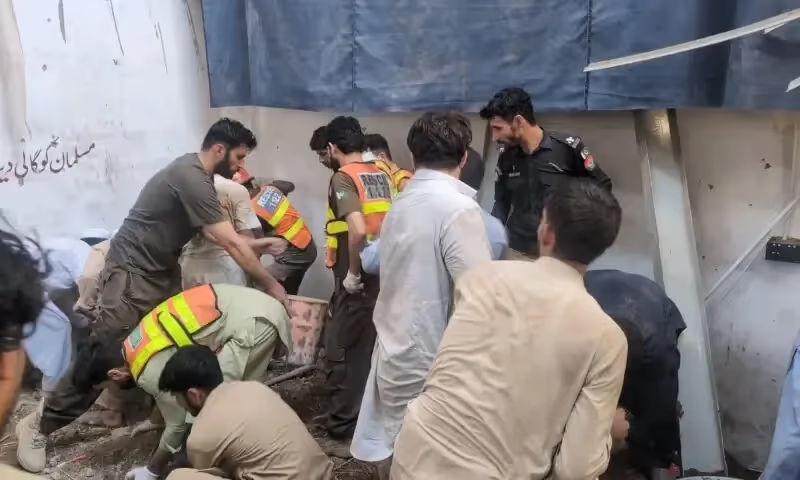
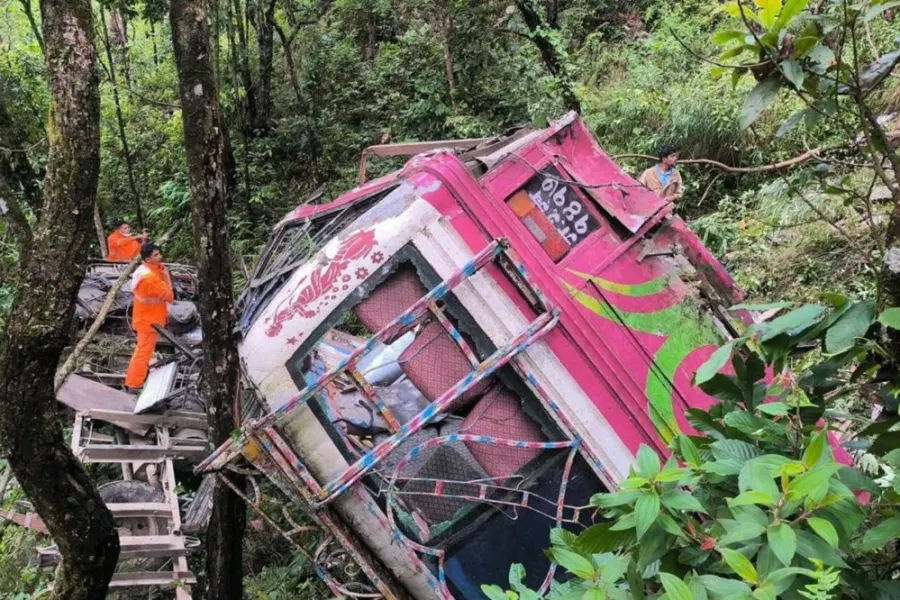
Floods in Tucumán: Romano Norri demands answers from the government over funds allocated for infrastructure works
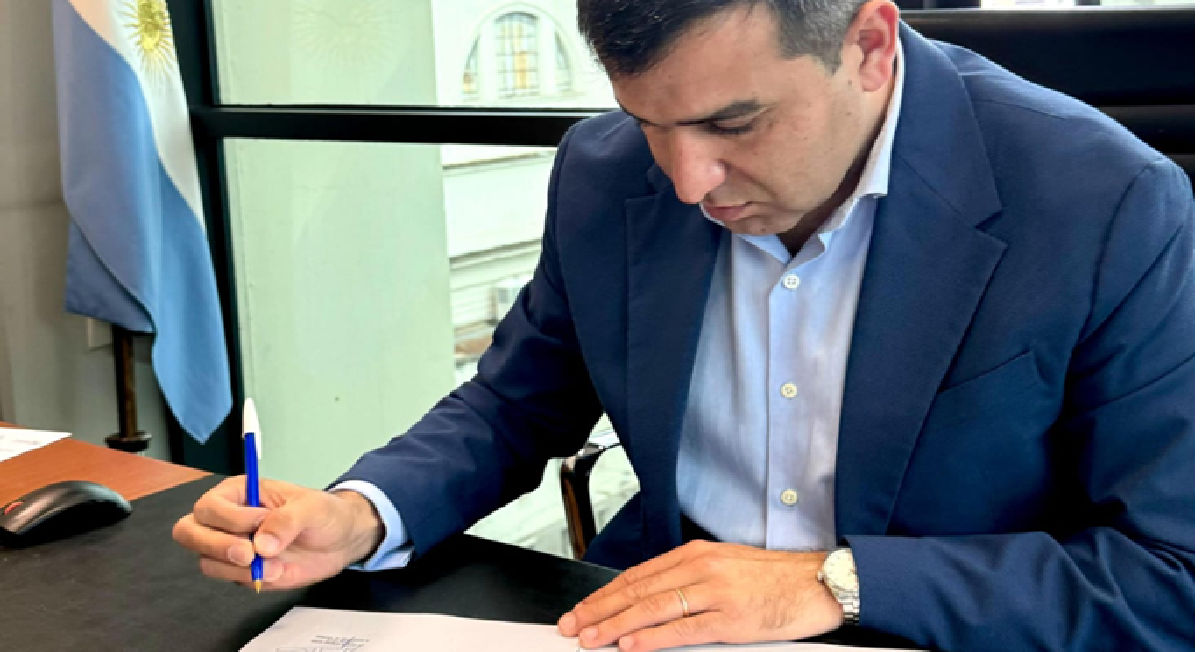
Floods in Tucumán Spark Political Clash as Romano Norri Demands Accountability Over Infrastructure Spending
Heavy rainfall across multiple areas of Tucumán has once again exposed long-standing vulnerabilities in the province’s urban and rural infrastructure, triggering renewed political debate over planning failures, flood prevention works, and the use of national funds. Legislator Agustín Romano Norri sharply criticized the provincial government following the latest floods, accusing authorities of decades-long neglect and demanding transparency over how money allocated for flood prevention has been spent.
The flooding, which disrupted daily life across neighborhoods, towns, and agricultural areas, reignited concerns about drainage systems, canal maintenance, and the lack of long-term urban planning. Roads became impassable, homes were damaged, and commercial activity slowed as waterlogged streets left residents struggling to reach workplaces, schools, and essential services. Although severe storms are not uncommon in the region, the frequency and intensity of flooding have intensified public frustration, particularly as similar scenarios unfold after almost every heavy rainfall.
Romano Norri’s statements captured this widespread sentiment. He argued that Tucumán’s flooding problems are not the result of extraordinary weather events alone but of systematic failures in governance, infrastructure development, and maintenance. His remarks added political pressure on provincial authorities to explain what has been done — or not done — with funds specifically allocated to mitigate these recurring disasters.
Background: Flooding as a Chronic Problem in Tucumán
Tucumán, Argentina’s smallest province by area but one of its most densely populated, has long struggled with flood management. Rapid urban growth, deforestation in surrounding areas, and the expansion of impermeable surfaces such as roads and buildings have significantly reduced the land’s ability to absorb rainwater. Combined with outdated or poorly maintained drainage systems, these factors have turned heavy rain into a recurring emergency.
In both urban and rural areas, residents have grown accustomed to streets turning into rivers, drainage channels overflowing, and homes being inundated with muddy water. While emergency services often respond promptly to evacuations and rescue operations, critics argue that short-term responses have not been matched by long-term investments in flood prevention infrastructure.
Romano Norri emphasized that these problems are not new. According to him, the same political leadership has governed Tucumán for approximately four decades, during which time the province has repeatedly failed to address structural vulnerabilities. From insufficient stormwater drainage systems to neglected canals and riverbanks, he said the lack of comprehensive planning has left communities exposed to the same risks year after year.
The Latest Floods: A Trigger for Renewed Criticism
The recent storms that struck Tucumán caused flooding in several districts, disrupting traffic, damaging property, and forcing local authorities to activate emergency response mechanisms. Social media quickly filled with images of submerged streets, stranded vehicles, and residents wading through knee-deep water to reach their homes.
Although rainfall intensity varied across the province, the consequences were strikingly similar across multiple municipalities: blocked drainage channels, overwhelmed pumping stations, and insufficient capacity to manage sudden water accumulation. For many residents, the floods were not merely an inconvenience but a reminder of the fragility of local infrastructure and the absence of long-term solutions.
Romano Norri seized on the situation to renew his criticism of provincial authorities, framing the floods not as a natural disaster but as a man-made failure. “The problem is not new,” he stated. “In Tucumán, the same people have governed for 40 years and we’ve had the same problems for 40 years: lack of planning and lack of infrastructure. That means that in the face of rain we cannot have a normal day.”
His remarks resonated with many citizens who have experienced repeated flood damage to homes, businesses, and public spaces — and who see little progress in permanent flood mitigation projects.
Demand for Planning, Structural Works, and Long-Term Solutions
A central theme of Romano Norri’s criticism was the absence of comprehensive planning. According to him, Tucumán lacks a coordinated and long-term strategy for stormwater management, urban development, and environmental protection. Instead, he argues, authorities rely on emergency measures that treat the symptoms rather than addressing the root causes.
He called for structural works that would permanently reduce flood risk, such as:
- Expansion and modernization of drainage networks
- Construction of retention basins and reservoirs
- Reinforcement and cleaning of canals and riverbanks
- Improvement of urban planning regulations to prevent construction in flood-prone zones
- Investment in green infrastructure to improve water absorption
Romano Norri argued that without these types of interventions, Tucumán will remain vulnerable to every major rainfall event, forcing residents to repeatedly endure disruptions and damage that could be prevented through adequate infrastructure.
“Enough improvising,” he said. “Once and for all, the works that we Tucumán deserve to live better must be done. It cannot be that with every rain, we all end up flooded.”
This statement reflects a broader frustration with what critics describe as reactive governance — responding to crises after they occur rather than preventing them through forward-looking investment and planning.
Focus on Drainage Channels and Hydraulic Works
One of Romano Norri’s most pointed criticisms concerned the condition of drainage channels and the lack of hydraulic works. Drainage canals play a crucial role in flood prevention by directing excess water away from residential and commercial areas and into rivers or retention zones. When these canals are clogged with debris, vegetation, or sediment, their capacity is significantly reduced, increasing the likelihood of overflow during heavy rain.
Romano Norri questioned whether routine maintenance — such as cleaning and desilting — is being conducted properly. He suggested that even basic preventive actions appear neglected, given that canals overflowed during what he described as the second major rainfall of the year.
Hydraulic works, including pumping stations, levees, and floodgates, are also critical components of flood control systems. According to the legislator, Tucumán’s lack of investment in such infrastructure has left the province ill-prepared to manage intense rainfall events. This vulnerability, he argued, is not due to a lack of resources but to poor governance, mismanagement, or misallocation of funds.
The National Funds at the Center of the Controversy
Perhaps the most politically charged aspect of Romano Norri’s statements involved national funds sent to Tucumán for flood prevention. He recalled that in December of the previous year, the national government transferred approximately $20 billion pesos in contributions from the National Treasury (ATN) to the province under a program commonly referred to as the “pre-rains plan.”
These funds were reportedly intended to finance preventive measures ahead of the rainy season, including cleaning drainage channels, reinforcing embankments, improving stormwater systems, and preparing infrastructure to handle heavy rainfall. The aim was to reduce flood risk and mitigate damage before storms occurred.
Romano Norri questioned whether these funds were used effectively — or even used at all for their intended purpose. “It is the second heavy rain of the year and we have all the canals overflowing,” he said. “If with $20 billion they didn’t even clean the canals, let them explain what they are doing with the money, at least.”
This statement escalated the issue from one of technical failure to one of political accountability. It suggested not only inefficiency but also possible mismanagement or misallocation of public funds, raising concerns about transparency and oversight.
The Importance of Accountability in Public Spending
Public accountability is a cornerstone of democratic governance, particularly when it comes to infrastructure spending and disaster prevention. Funds allocated for flood mitigation are intended to protect lives, homes, and livelihoods. When such investments fail to deliver visible results, citizens understandably demand explanations.
Romano Norri’s demand for clarity over the use of ATN funds reflects a broader call for transparency in public finance. He argued that the provincial government owes citizens detailed explanations about:
- How much of the allocated money has been spent
- What specific projects were funded
- Which works were completed, are ongoing, or remain pending
- Why expected improvements are not visible on the ground
Without such transparency, critics say, public trust erodes, and skepticism grows about whether resources are being used effectively to address urgent social needs.
Political Implications: A Clash Between Opposition and Government
The flooding and Romano Norri’s response highlight ongoing tensions between the provincial government and opposition legislators. While the government may attribute flooding primarily to extreme weather events and climate variability, opposition figures like Romano Norri frame the problem as a result of governance failures and long-standing neglect.
By emphasizing that Tucumán has been governed by the same political forces for four decades, Romano Norri positioned the flooding crisis as evidence of systemic mismanagement rather than isolated incidents. His remarks carry strong political implications, particularly in an environment where public dissatisfaction with infrastructure services can influence voter sentiment.
Flooding affects daily life in visible and tangible ways — flooded homes, damaged roads, disrupted transport — making it a powerful issue in political discourse. Opposition leaders often use such crises to highlight governance shortcomings, while governments seek to balance emergency response with longer-term planning narratives.
This political clash underscores how natural disasters can quickly evolve into political flashpoints, shaping public debate and accountability.
Social and Economic Impact of Flooding in Tucumán
Beyond politics, the floods have real and lasting impacts on communities across Tucumán.
Impact on Households
Flooded homes suffer damage to furniture, appliances, flooring, and structural elements. For low-income families, such losses can be devastating, as they often lack insurance coverage or savings to cover repairs. Repeated flooding compounds economic vulnerability, forcing households to spend scarce resources on recovery instead of education, healthcare, or business investment.
Impact on Small Businesses
Local shops, markets, workshops, and service providers often experience revenue losses during floods due to closures, damaged inventory, and reduced customer traffic. Recovery can take weeks or months, particularly for small enterprises operating on narrow profit margins.
Impact on Agriculture
In rural areas, flooding can destroy crops, erode soil, damage irrigation infrastructure, and disrupt livestock production. Given Tucumán’s significant agricultural sector, repeated flood events can have ripple effects across the provincial economy, affecting food supply chains and export revenue.
Impact on Public Services
Flooding also disrupts transportation, education, and healthcare. Schools may close, roads become impassable, and access to medical services is hindered. Emergency response agencies face increased pressure, diverting resources from other priorities.
These social and economic consequences highlight why flood prevention is not merely a technical issue but a development imperative.
Climate Change and the Growing Challenge of Extreme Weather
While Romano Norri focused primarily on governance failures, many experts point to climate change as a factor exacerbating rainfall intensity and frequency across the region. Warmer temperatures increase atmospheric moisture, leading to heavier downpours and more extreme precipitation events.
In regions like Tucumán, where drainage systems and urban planning were designed decades ago for different climatic conditions, existing infrastructure may no longer be adequate. Without upgrades and climate-resilient design, cities and towns become increasingly vulnerable to flooding, even during storms that might once have been manageable.
This context does not negate the need for accountability — rather, it strengthens the case for proactive investment in climate adaptation infrastructure. Flood prevention strategies must evolve to reflect changing environmental realities, incorporating modern engineering standards, nature-based solutions, and long-term resilience planning.
What Effective Flood Management Requires
Experts in urban planning and disaster risk management often emphasize that effective flood mitigation requires a multi-layered approach:
- Infrastructure Upgrades
Expansion and modernization of drainage networks, pumping stations, retention basins, and river embankments. - Regular Maintenance
Routine cleaning of canals, storm drains, and waterways to ensure full capacity during heavy rainfall. - Urban Planning and Zoning Controls
Restricting construction in flood-prone areas and enforcing building codes that reduce vulnerability. - Environmental Protection
Preserving wetlands, green spaces, and natural water absorption zones that act as buffers against flooding. - Early Warning Systems and Preparedness
Investing in meteorological monitoring, alert systems, and community preparedness programs. - Transparency and Governance
Clear reporting on infrastructure spending, project progress, and outcomes to ensure public trust and accountability.
Romano Norri’s demands align with several of these principles, particularly in terms of infrastructure investment, maintenance, and financial transparency.
Public Reaction and Community Frustration
Public response to the flooding and subsequent political statements has been mixed but emotionally charged. Many residents expressed anger and exhaustion over recurring flood damage and disruptions to daily life. Social media platforms became outlets for sharing images of flooded streets and calling on authorities to take concrete action rather than issuing repeated promises.
Some citizens welcomed Romano Norri’s remarks, viewing them as a necessary challenge to entrenched political power and complacency. Others criticized political leaders across the spectrum, arguing that both current and past administrations have failed to deliver sustainable solutions.
For residents living in flood-prone neighborhoods, political debates matter less than practical outcomes. Their demands are simple: reliable drainage, functional infrastructure, and confidence that public money is being used effectively to protect their homes and livelihoods.
Government Response and Expectations
While Romano Norri publicly questioned the provincial government’s handling of flood prevention and national funds, authorities have yet to issue detailed public explanations regarding the specific use of the ATN funds mentioned. In similar past cases, governments have often cited bureaucratic delays, procurement processes, or multi-year infrastructure timelines as reasons why results are not immediately visible.
However, critics argue that basic measures such as canal cleaning and drainage maintenance should produce immediate, observable improvements — especially when large sums of money have already been allocated.
Moving forward, expectations include:
- Public disclosure of spending reports related to the “pre-rains” plan
- Timelines for completion of hydraulic and drainage works
- Clear communication about future flood mitigation strategies
- Greater coordination between municipal, provincial, and national authorities
Whether these expectations will be met remains to be seen, but the political pressure generated by the recent floods and Romano Norri’s statements has intensified calls for accountability.
Conclusion: Flooding as Both a Natural and Political Crisis
The floods in Tucumán have once again highlighted a deep and persistent challenge: how to protect communities from increasingly severe weather while ensuring that public funds intended for prevention are used effectively and transparently.
Legislator Agustín Romano Norri’s sharp criticism of the provincial government reflects growing frustration over decades of infrastructure neglect, poor planning, and repeated failures to address structural vulnerabilities. His demand for explanations regarding the $20 billion pesos sent by the national government for flood prevention has transformed the issue from a natural disaster into a political controversy centered on accountability and governance.
For residents, however, the stakes go beyond politics. Flooding affects homes, livelihoods, health, education, and quality of life. Each new storm becomes a reminder not just of environmental vulnerability but of systemic shortcomings that leave communities exposed year after year.
Whether this latest crisis becomes a turning point depends on how authorities respond — not only with emergency measures but with long-term planning, infrastructure investment, and transparent use of public resources. Only through sustained commitment and accountability can Tucumán hope to break the cycle of flooding, recovery, and renewed frustration that has defined its rainy seasons for decades.
Related Posts