Diwali Prep: GRAP-1 Comes Into Effect in Delhi-NCR – Here’s What’s Restricted
What GRAP-1 Means for Delhi-NCR
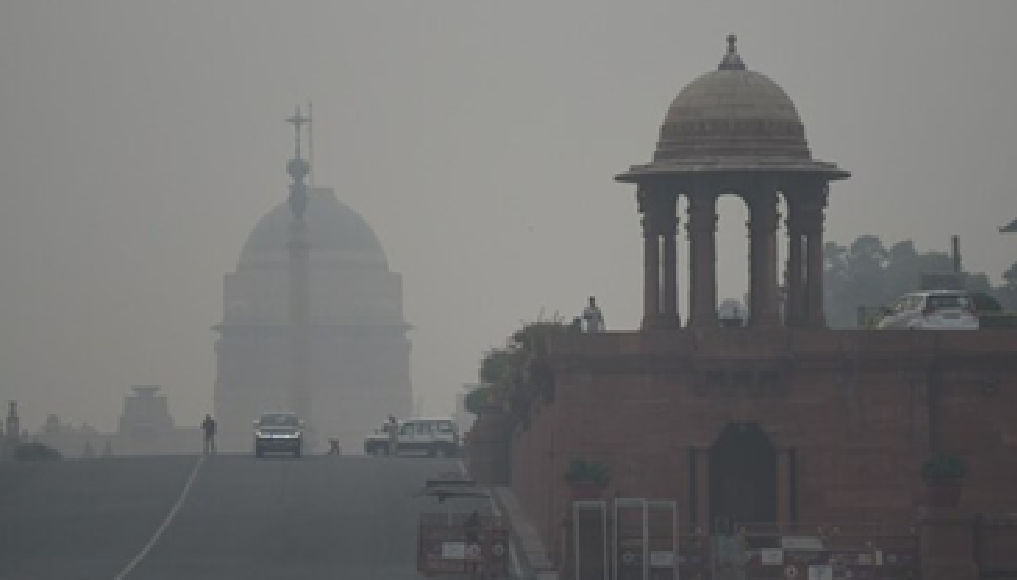
Stage I of GRAP, also known as GRAP-1, is triggered when AQI levels range between 201 and 300. With Tuesday’s reading of 211, Delhi-NCR officially entered this stage. At this level, all relevant agencies across the NCR are required to implement a total of 27 preventive measures, spanning vehicular, industrial, construction, and public activity sectors.
The primary aim of GRAP-1 is to reduce sources of particulate matter (PM2.5 and PM10) and other pollutants while increasing monitoring and enforcement across the region. It is the first line of defense against the seasonal rise in pollution, which typically peaks during October and November.
Key Restrictions Under GRAP-1
Authorities have outlined several important restrictions to be followed under Stage I, which cover vehicles, industries, construction activities, and general public conduct:
- Vehicle Restrictions:
- Diesel vehicles older than 10 years and petrol vehicles older than 15 years are prohibited from operating.
- Traffic control measures are strictly enforced at major intersections, and drivers are required to switch off engines while waiting at red signals.
- Pollution Under Control (PUC) norms are closely monitored, and vehicles violating these rules may face fines or impoundment.
- Fuel and Fire Restrictions:
- Coal and wood are prohibited as fuels in roadside eateries.
- Open burning of garbage, leaves, biomass, and municipal solid waste is banned.
- The use of firecrackers is prohibited during this period to curb additional emissions.
- Construction and Industrial Restrictions:
- Labour-intensive construction activities are restricted unless dust control measures, such as covering construction materials and using water sprinklers, are in place.
- Industries, including brick kilns and hot mix plants in the NCR, must use only approved fuels and follow emissions norms. Closure is enforced for violations.
- Public Awareness and Transport:
- Authorities encourage the use of public transport and unified employee commuting to reduce road traffic.
- Residents are urged to avoid unnecessary travel and minimize outdoor activities, especially during peak pollution hours.
Measures for Dust and Waste Management
One of the most significant contributors to poor air quality in Delhi-NCR is dust and waste burning. To tackle this, agencies under GRAP-1 are required to adopt strict measures for municipal solid waste (MSW), construction and demolition (C&D) waste, and hazardous waste management:
- Municipal Solid Waste Collection: Authorities must ensure timely collection of MSW, C&D waste, and hazardous waste from designated sites. Illegal dumping of waste on open land is strictly prohibited.
- Mechanised Sweeping and Watering: Roads are to be swept using mechanised equipment, and water sprinkling must be done regularly to suppress dust. Collected dust should be scientifically disposed of at designated sites or landfills.
- Anti-Smog Measures: The use of anti-smog guns, water sprinklers, and dust suppression technologies is encouraged for road construction, widening, repair, and maintenance projects.
- Monitoring Landfill Sites: Landfill sites must be monitored closely to prevent open burning of waste.
By addressing dust and waste, authorities aim to reduce particulate matter, which significantly contributes to PM2.5 levels and overall poor air quality.
Traffic Management and Public Safety
Traffic is another major source of pollution in Delhi-NCR, and under GRAP-1, authorities are expected to implement multiple measures to control vehicular emissions:
- Traffic Flow Management: Traffic police are deployed at busy corridors and congestion-prone intersections to ensure smooth vehicle movement.
- Engine Idling Regulations: Drivers must switch off engines at red lights to minimize idle emissions.
- Vehicle Fitness and Emissions Testing: Regular PUC checks are conducted, and vehicles failing emissions standards are penalized.
Public cooperation is critical for these measures to be effective, as traffic congestion and vehicle emissions contribute significantly to urban air pollution.
Fuel Use and Industrial Compliance
To reduce industrial pollution under GRAP-1, several measures are mandated:
- Clean Fuel Usage: Hotels, restaurants, and open eateries are required to use electricity, gas, or other clean fuels exclusively.
- Industrial Oversight: Industries, particularly brick kilns and hot mix plants, must operate using approved fuels only. Non-compliance can result in closure.
- Truck Traffic Diversion: As per Supreme Court orders, non-destined truck traffic is diverted through the Eastern and Western Peripheral Expressways to reduce congestion and emissions in Delhi.
These steps aim to reduce emissions from combustion sources, which are major contributors to both PM2.5 and PM10 levels in the capital.
Construction Activity and Dust Mitigation
Construction activity, particularly in urban areas, generates a significant amount of dust that worsens air quality. GRAP-1 mandates the following measures for construction sites:
- Dust Control Measures: All C&D sites must implement dust mitigation techniques, such as water sprinkling, covering loose materials, and using barriers.
- Waste Management: Construction and demolition waste must be collected and disposed of responsibly, avoiding open dumping or burning.
- Limiting Labour-Intensive Work: Only construction activities with dust control measures in place are permitted during GRAP-1.
These measures are essential for minimizing particulate matter in the air, particularly in the lead-up to Diwali, when pollution levels traditionally spike.
Role of Pollution Control Boards and Agencies
The successful implementation of GRAP-1 requires coordination among multiple agencies, including state Pollution Control Boards, municipal authorities, traffic police, and urban development departments. Their responsibilities include:
- Regular Inspections: Conducting inspections of industrial units, construction sites, and roadside eateries to ensure compliance.
- Monitoring Compliance: Ensuring that bans on burning, fuel usage, and construction activities are enforced.
- Awareness Campaigns: Educating the public about permissible activities and encouraging adherence to preventive measures.
This multi-pronged approach ensures that pollution mitigation is comprehensive and not limited to a single sector.
Health and Public Advisory
Poor air quality can have significant health impacts, particularly for vulnerable populations such as children, the elderly, and people with pre-existing respiratory conditions. During GRAP-1:
- Residents are advised to limit outdoor activities, especially in the morning and evening when pollution peaks.
- People with respiratory or heart conditions are encouraged to stay indoors and use air purifiers if available.
- Masks, particularly N95 or equivalent, are recommended for those who must go outdoors.
Public awareness campaigns are critical to ensure that citizens understand the risks and take necessary precautions.
The Seasonal Context
Delhi-NCR has faced recurring air quality challenges every winter. Factors such as crop residue burning in neighboring states, low wind speeds, high vehicular emissions, and festival-related activities contribute to seasonal spikes in pollution. GRAP, introduced to provide a graded response based on AQI levels, is a systematic attempt to mitigate these recurring issues.
With Diwali just a week away, GRAP-1 enforcement is particularly important. Firecracker use, increased travel, and construction activity can exacerbate already poor conditions. By imposing Stage I measures, authorities aim to preempt further deterioration in air quality.
Public Cooperation is Crucial
While the government has laid out comprehensive measures under GRAP-1, public cooperation is essential for their effectiveness. Citizens can contribute by:
- Using public transport wherever possible.
- Avoiding burning waste or leaves at home.
- Reducing private vehicle use and following traffic norms.
- Supporting dust mitigation efforts on private construction sites.
- Refraining from using firecrackers.
The combination of regulatory enforcement and responsible public behavior is key to ensuring cleaner air during the festive season.
Looking Ahead
GRAP-1 measures will remain in effect as long as AQI levels stay within the “poor” range (201–300). Should the air quality worsen, authorities may escalate to Stage II (Very Poor), Stage III (Severe), or even Stage IV (Severe Plus), triggering stricter restrictions. This could include bans on construction, school closures, and further industrial curbs.
For now, GRAP-1 serves as a preventive step, aiming to reduce emissions and maintain public health ahead of Diwali. It represents a coordinated effort among multiple agencies to address a recurring environmental and public health challenge in Delhi-NCR.
Conclusion
The imposition of GRAP-1 in Delhi-NCR ahead of Diwali highlights the ongoing struggle to balance urban activity with environmental sustainability. While AQI levels of 211 may seem moderate, they still pose health risks and require preventive measures.
By enforcing 27 preventive actions across vehicular, industrial, and construction sectors, authorities aim to curb pollution and protect residents during the festive season. Citizens also play a crucial role by adhering to restrictions, using clean fuels, reducing vehicular emissions, and avoiding firecracker use.
As the national capital heads into the festival of lights, GRAP-1 serves as a timely reminder that clean air requires collective action, strict regulation, and responsible public behavior. With effective implementation and public cooperation, Delhi-NCR can mitigate pollution levels, safeguard health, and enjoy Diwali with minimal environmental impact.
Related Posts