Bushfire risk intensifies for north-east Tasmanian towns, with Dolphin Sands locals allowed back
Bushfire Threat Rises Across North-East Tasmania as Dolphin Sands Residents Return Home
Tasmania’s north-east has entered a period of heightened bushfire danger as emergency services continue battling several active blazes fuelled by soaring temperatures, dry vegetation, and unpredictable winds. After days of tension and emergency warnings, residents of Dolphin Sands have been allowed to return home, but authorities warn that the broader region remains extremely vulnerable. The temporary easing of conditions in some areas does not signal the end of danger, and fire agencies stress that communities must stay alert, prepared, and ready to respond quickly should conditions worsen again.
The bushfire threat escalated rapidly over the past week as Tasmania experienced a streak of unusually hot days combined with low humidity, creating a perfect environment for fires to ignite and spread. Firefighters were deployed to multiple locations across the north-east, where numerous vegetation fires ignited either through dry lightning strikes or rapid ember attacks. While some fires have been contained, others continue to burn deep within dense forests and scrubland. This has prompted repeated warnings from the Tasmania Fire Service, which says the conditions across the region have the potential to shift suddenly from manageable to extremely dangerous.
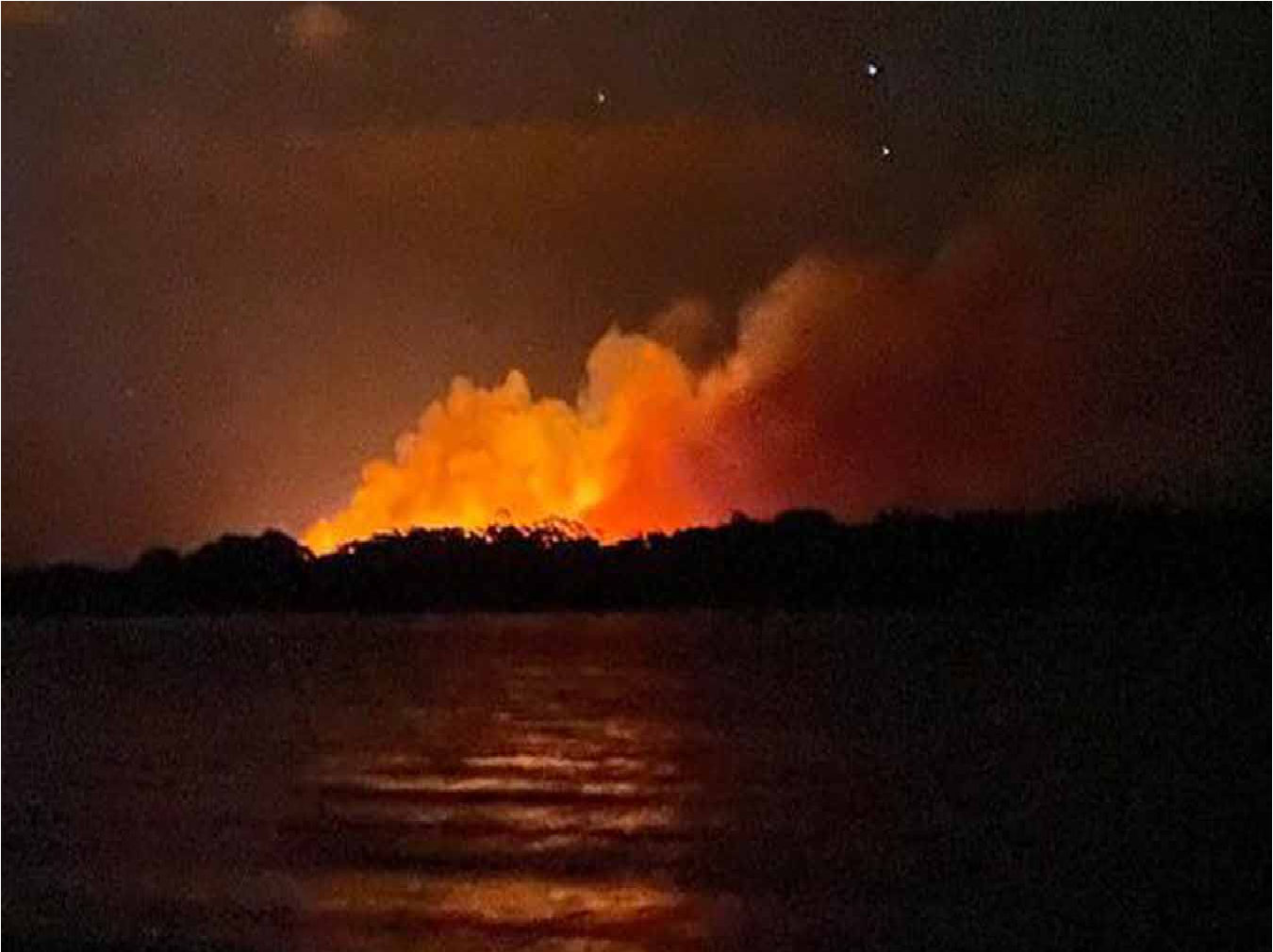
One of the most closely watched areas has been Dolphin Sands, a narrow and picturesque strip of land known for its beaches, holiday homes, and natural bushland. Earlier in the week, a vegetation fire burning nearby triggered immediate concern as strong winds pushed smoke and embers toward the community. Many residents followed early advice from authorities to relocate to safer areas, either staying with family or seeking temporary shelter in nearby towns. The suddenness of the warning, combined with the unpredictable behaviour of the fire, caused significant anxiety among the community, especially for those who had already experienced previous fire seasons.
Fire crews worked tirelessly to contain the fire around Dolphin Sands by cutting vegetation, conducting backburning operations, and using waterbombing aircraft to slow its advance. These efforts eventually helped reduce the immediate danger, and after careful assessment, authorities announced that residents could return home. Despite this progress, the TFS emphasised that the fire remained active and that smouldering hotspots within the surrounding bush were still capable of reigniting. Residents were urged to stay aware of updates and be prepared to leave again if shifting winds pushed fire activity back toward populated areas.
While Dolphin Sands residents experienced a moment of reprieve, the situation in other parts of north-east Tasmania remains highly volatile. Firefighters continue working in rugged terrain near St Helens, Scamander, and areas around the Blue Tier. These locations have dense vegetation, thick forests, and steep slopes that make access difficult and hazardous. Fires burning in these areas have created plumes of smoke that can be seen across long distances, signalling just how persistent and entrenched some of the fire activity has become. Several communities remain under Watch and Act alerts, meaning residents must stay ready to move should conditions deteriorate quickly.
The challenges faced by firefighters extend beyond terrain and weather. Tasmania’s prolonged dry spell has left the landscape more vulnerable than usual. Many regions experienced below-average rainfall leading into summer, causing grass, shrubs, and forest litter to dry out faster. When wind conditions shift, even a small spark can travel long distances and ignite new fires ahead of the main front. Fire authorities consistently remind landowners and residents that embers remain one of the most dangerous elements of bushfires, especially when temperatures are high and humidity is low.
Climate and weather experts have expressed ongoing concern that bushfire seasons across Tasmania are becoming more extreme due to environmental changes. Warmer conditions, drier soils, and less predictable weather patterns create environments where fires can spread faster and more aggressively. These factors have placed additional pressure on emergency services, which must adapt rapidly to changing conditions and deploy resources across large, remote, and often difficult-to-reach areas. The combination of high fuel loads, rising temperatures, and fast gusts of wind means that the coming weeks could continue to pose challenges, even if minor rainfall temporarily dampens the landscape.
Communities across the region have shown resilience and cooperation during the ongoing emergency. Local councils, volunteers, and community groups have mobilised to provide support for those affected by fire activity. Evacuation centres have offered shelter, meals, and updates for families forced to leave their homes. Many residents have taken early action to prepare for the fire season by clearing debris, establishing firebreaks, and creating detailed evacuation plans. Emergency authorities have praised these efforts and stressed that proactive community involvement often plays a crucial role in protecting lives and property.
Tourism businesses along Tasmania’s east coast, particularly those operating in and around Dolphin Sands, Swansea, and Bicheno, have also felt the impact of the fires. The peak summer season usually brings visitors to beaches, camping areas, and wildlife attractions, but fire warnings and road closures have led to a decline in travel. Some businesses have reported cancellations or reduced bookings, although many operators acknowledge that safety must come first and have offered assistance to emergency services where possible. While tourism activity may recover once conditions stabilize, the immediate concern remains ensuring that communities and visitors remain safe.
Agricultural and rural communities have also faced challenges during the ongoing fire threat. Farmers transporting livestock to safer paddocks, securing equipment, and protecting fodder stores must balance their workloads with the need to monitor fire alerts. Road closures have complicated efforts to access some properties, increasing stress for those living in more isolated areas. Emergency agencies have encouraged rural landowners to stay in close communication with authorities and to take early action when necessary, reminding them that bushfire risk can escalate quickly in exposed or heavily vegetated landscapes.
Looking ahead, meteorologists warn that the north-east may experience more hot and dry days in the coming week. Even if small amounts of rain fall, they are unlikely to significantly reduce fire danger. Firefighters will continue monitoring containment lines, extinguishing hotspots, and responding to new ignitions. Aerial support will remain critical, although heavy smoke and strong winds could sometimes limit visibility and make flying conditions hazardous. The TFS has emphasised that reinforcements from other districts and volunteer brigades may be deployed as needed to ensure the region remains adequately supported.
Government officials and emergency management leaders continue to hold briefings and coordinate responses through regular updates. They have urged households to remain patient during road closures, follow advice immediately when warnings are issued, and avoid unnecessary travel into fire-affected zones. The cooperation of the public reduces risks for emergency responders and helps ensure that limited resources can be deployed where they are most urgently required. Authorities have also reiterated the importance of preparing bushfire survival plans, noting that early decisions save lives.
For residents returning to Dolphin Sands, the sense of relief is mixed with caution. While some described feeling grateful to see their homes unharmed, many acknowledged that the threat is not over. The smell of smoke, the sight of burnt vegetation, and the presence of firefighting teams serve as reminders that bushfires remain unpredictable. Some residents have taken steps to reduce future risk by removing dry leaves, clearing gutters, and ensuring hoses and pumps are ready should conditions change again.
As Tasmania continues navigating the challenges of this fire season, the resilience of its communities remains evident. Firefighters, volunteers, and residents all play vital roles in responding to emergencies, supporting neighbours, and protecting the environment. Although the immediate danger has eased in some pockets, authorities stress that the broader north-east region must remain vigilant. With temperatures expected to rise again, the coming days will be critical in determining whether containment efforts hold steady or whether additional flare-ups create new challenges.
The ongoing bushfire threat serves as a powerful reminder of the importance of preparation, communication, and community support. While the return of Dolphin Sands residents represents a hopeful moment in a difficult season, Tasmania’s experience underscores that bushfire risk can persist long after flames appear to settle. Emergency agencies continue urging residents to stay informed, follow official guidance, and prioritise safety, knowing that conditions can shift rapidly and unpredictably across one of Australia’s most naturally beautiful yet fire-prone landscapes.
Related Posts