Brutal 45°C heatwave to sweep across four Australian states while flood warnings loom elsewhere
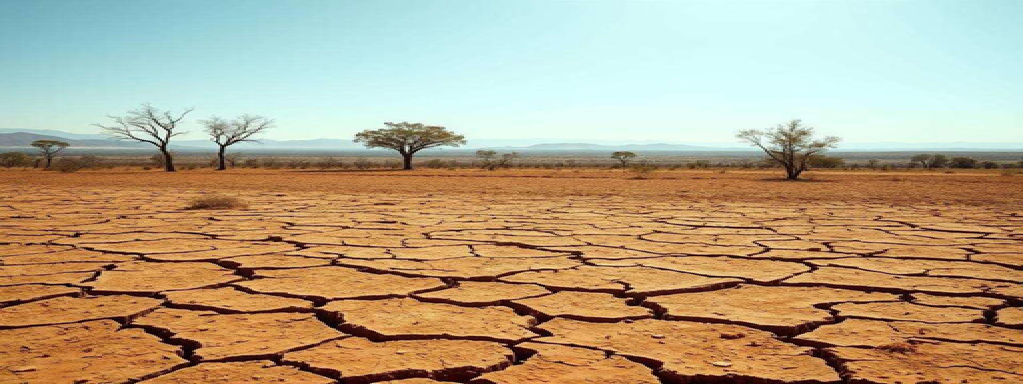
Extreme Heatwave to Grip Four Australian States as Flood Risks Persist in Queensland
Australia is bracing for a dramatic contrast in weather conditions next week, with a severe heatwave forecast to scorch large parts of the country while heavy rainfall continues to trigger flood warnings in Queensland. Meteorologists have warned that a powerful hot air mass will push temperatures beyond 40 degrees Celsius across four states, posing serious health, infrastructure, and environmental risks.
The extreme heat is expected to impact Western Australia, South Australia, Victoria, and New South Wales, while Queensland faces the opposite threat, with widespread flooding concerns due to persistent post-monsoonal rainfall. Authorities are urging residents to prepare for dangerous conditions as the country experiences one of the most intense weather patterns of the season.
Heat Trough Driving Dangerous Temperature Surge
According to meteorologists, the upcoming heatwave is being fuelled by a strong heat trough forming over Western Australia. A heat trough is an elongated region of low pressure that allows hot air from Australia’s interior to spread across large areas. Once established, this system is expected to shift eastward, carrying extreme heat across southern, central, and southeastern Australia over the course of the week.
As the heat trough migrates, it will draw hot, dry air from inland desert regions, preventing cooling winds and suppressing cloud cover. This will allow daytime temperatures to rise rapidly, with overnight conditions offering little relief. Weather models indicate that several regions could experience prolonged heat stress, increasing the risk of dehydration, heat exhaustion, and heatstroke.
Forecasters say temperatures will exceed 40°C across large parts of the affected states, with some inland regions potentially recording extreme highs of 45°C to 48°C, particularly later in the week.
States Set to Bear the Brunt of the Heat
Western Australia
Western Australia will be the first to feel the effects of the heatwave as the trough initially develops over the state. Inland and northern regions are expected to experience prolonged hot conditions, with daytime temperatures well above seasonal averages. The dry heat will contribute to heightened bushfire risk, especially in grassland and semi-arid areas.
Authorities are advising residents to limit outdoor activity, ensure access to water, and monitor fire danger warnings closely.
South Australia
South Australia is forecast to experience some of the most intense heat, particularly in inland regions and along the state’s northern border. As the heat trough moves east, hot air will funnel into the state, pushing temperatures to dangerous levels.
Adelaide, the state capital, is expected to approach 41°C by Wednesday, raising concerns for vulnerable populations such as the elderly, young children, and people with pre-existing medical conditions. Energy providers are also preparing for potential spikes in electricity demand as air-conditioning use surges.
Inland areas may see even higher temperatures, with forecasts suggesting mid-to-high 40s in some locations.
Victoria
Victoria will not escape the extreme conditions, with northwest regions such as Mildura forecast to experience some of the most severe heat. From Wednesday onwards, searing inland temperatures are expected to grip the region, with the mercury predicted to hit 45°C on Thursday.
Melbourne is also forecast to endure oppressive heat, with temperatures expected to reach around 40°C. While coastal influences may offer slight moderation, the heat will still be intense enough to prompt public health warnings and potential service disruptions.
Emergency services are on high alert, particularly in fire-prone areas where dry vegetation and strong winds could create dangerous bushfire conditions.
New South Wales
New South Wales is expected to experience widespread heat, particularly across western and inland regions. While coastal areas may see slightly lower temperatures due to sea breezes, inland towns are likely to endure extreme heat well above 40°C.
The prolonged nature of the heatwave is of particular concern, as consecutive days of high temperatures can strain both human health and infrastructure. Roads, rail networks, and power systems are all vulnerable to heat-related damage, increasing the risk of transport delays and outages.
Major Cities Brace for Extreme Conditions
Although inland regions will face the most severe heat, major cities are not immune. Adelaide and Melbourne are forecast to reach dangerous temperature thresholds, highlighting the widespread nature of the heatwave.
Urban heat island effects, where cities retain heat due to concrete, asphalt, and reduced vegetation, may exacerbate conditions overnight. This limits the body’s ability to recover from daytime heat, increasing the likelihood of heat-related illnesses.
Health authorities are urging residents to:
- Stay hydrated
- Avoid strenuous outdoor activity during peak heat
- Check on elderly neighbours and family members
- Never leave children or pets in parked vehicles
Queensland Faces Ongoing Flood Threats
While southern and western parts of Australia bake under extreme heat, Queensland continues to grapple with heavy rainfall and flood risks. The wet weather is linked to lingering post-monsoonal systems, which are bringing sustained rainfall across large areas of the state.
The Bureau of Meteorology (BoM) has issued flood warnings for extensive river systems and regions, warning that water levels may rise rapidly and remain elevated for extended periods.
Rivers and catchments under flood warnings include:
- Western River
- Diamantina River
- Nicholson River
- Leichhardt River
- Herbert River
- Burdekin River
- Flinders River
- Cloncurry River
- Bohle River
- Tully River
- Georgina River
- Eyre Creek
- Norman River
- Gilbert River
Additionally, flood alerts are in place across Central and North East Queensland, affecting both rural and regional communities.
Impact on Communities and Infrastructure
Flooding in Queensland has already caused disruptions to transport, agriculture, and local economies. Rural communities are particularly vulnerable, as flooded roads can isolate towns and delay emergency response efforts.
Farmers face the dual challenge of managing livestock and protecting crops, while prolonged waterlogging can damage soil quality and reduce productivity. In some areas, residents have been advised to prepare for potential evacuations if river levels continue to rise.
Emergency services are monitoring conditions closely and urging residents to stay informed through official channels. Authorities have emphasised the importance of avoiding floodwaters, as even shallow water can conceal hazards and pose serious risks.
Climate Variability and Extreme Weather Patterns
The simultaneous occurrence of extreme heat in some regions and flooding in others highlights Australia’s growing exposure to weather extremes. Climate scientists note that such contrasts are becoming more frequent, driven by broader climate variability and long-term warming trends.
Heatwaves are now occurring more often, lasting longer, and reaching higher temperatures than in previous decades. At the same time, rainfall events are becoming more intense, increasing the likelihood of flooding.
Experts warn that these patterns place increasing pressure on emergency services, infrastructure, and public health systems, underscoring the need for improved preparedness and climate resilience.
Authorities Urge Preparedness and Vigilance
With both extreme heat and flooding expected to intensify in the coming days, authorities across Australia are urging residents to remain vigilant and take precautionary measures.
Key advice includes:
- Monitoring weather updates regularly
- Preparing emergency kits
- Adjusting travel plans where necessary
- Checking local warnings and alerts
- Looking after vulnerable individuals in the community
Energy providers, transport operators, and emergency responders are all preparing for increased demand and potential disruptions as conditions worsen.
A Nation of Weather Extremes
As Australia enters another week of dramatic weather contrasts, the coming days will test communities across multiple states. From blistering heat pushing thermometers beyond 40°C to floodwaters threatening homes and livelihoods, the country is once again reminded of the power and unpredictability of nature.
Meteorologists warn that conditions may evolve rapidly, making it essential for residents to stay informed and heed official advice. Whether battling extreme heat or rising waters, preparedness and community awareness will be key to minimising the impact of this latest weather challenge.
Related Posts