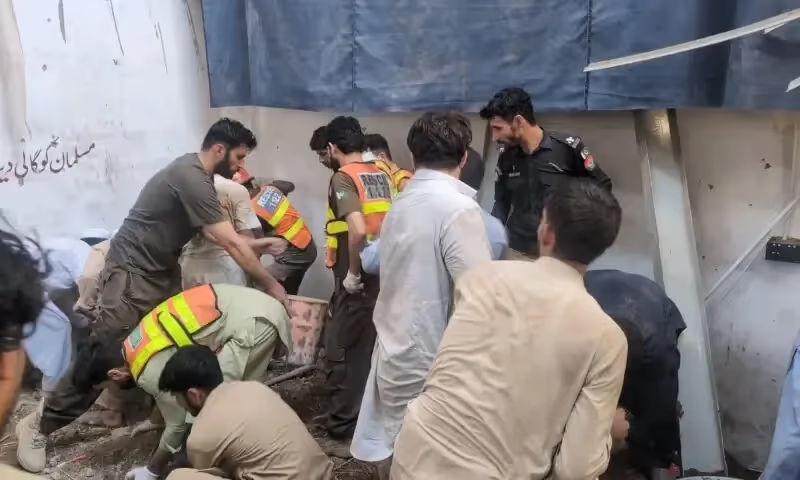
Border clashes leave 200 Taliban fighters and 23 Pakistani soldiers dead
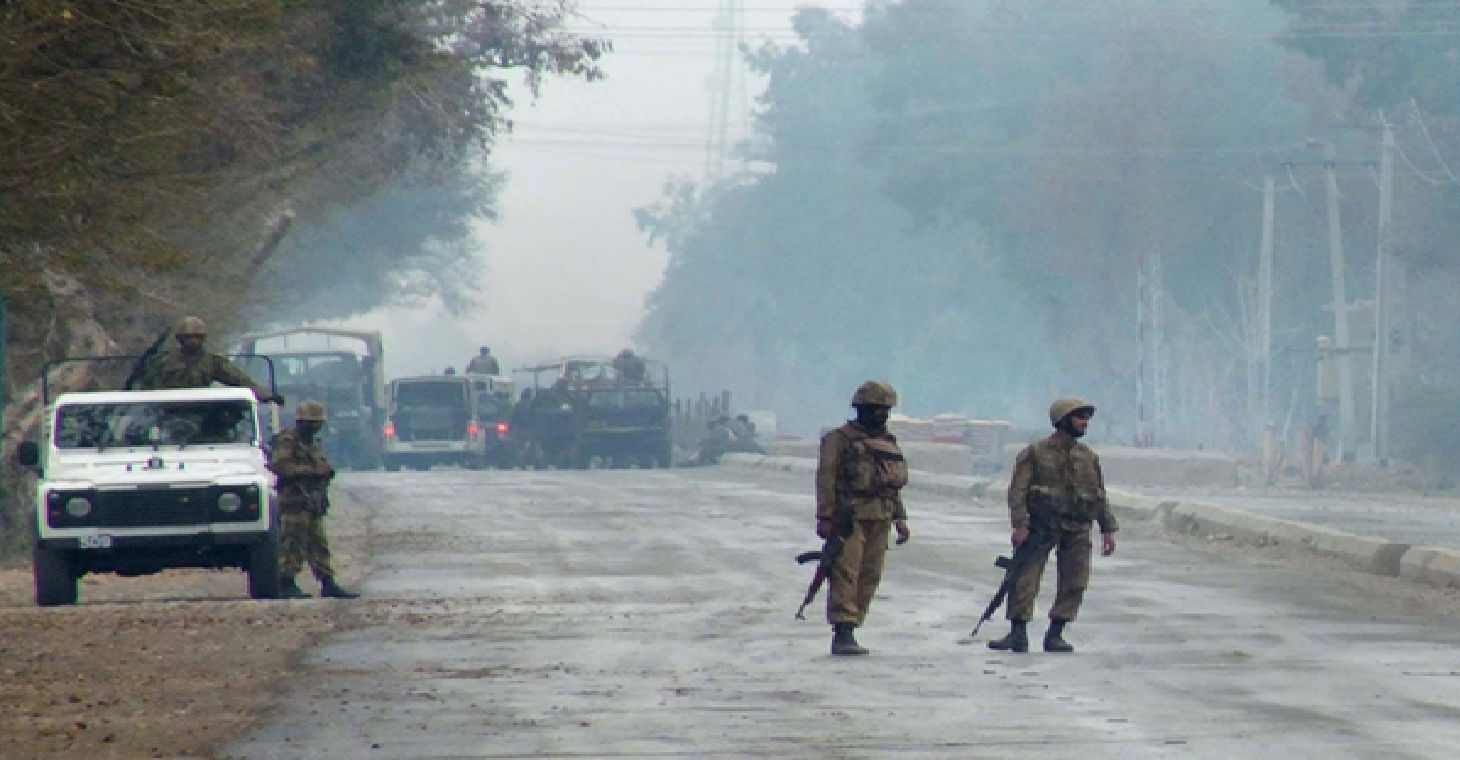
At least 23 Pakistani soldiers, more than 200 Afghan Taliban fighters, and several members of the banned Tehreek-e-Taliban Pakistan (TTP) — including their top commander Baytullah Masood — have been killed in fierce cross-border clashes between Pakistan and Afghanistan.
According to sources, the Afghan Taliban approached Qatar in an attempt to broker a ceasefire. However, Pakistani officials reportedly turned down the proposal, saying military operations would continue until lasting peace is achieved along the border.
This confrontation represents the most serious escalation between the two neighbouring countries so far. The violence intensified after the TTP killed 12 Pakistani soldiers, prompting Islamabad to retaliate with large-scale airstrikes and ground offensives targeting TTP hideouts inside Afghan territory.
Tensions have been brewing for months as the TTP carried out repeated attacks in North Waziristan and Khyber Pakhtunkhwa. Pakistan has accused the Afghan Taliban of failing to rein in the militants and of giving them safe haven within Afghanistan. Kabul, however, condemned Pakistan’s airstrikes as violations of its sovereignty, and its forces reportedly struck several small Pakistani outposts in retaliation, killing nine soldiers on Sunday.
In response, Pakistan unleashed another wave of drone and artillery strikes, supporting its ground troops and inflicting heavy losses on Afghan military positions. Reports suggest Pakistan has taken control of more than 21 border posts.
“The destruction of Taliban infrastructure, camps, and command networks is extensive along the frontier, ranging from tactical zones to operational depths,” the Pakistani army said in a statement on Monday.
Fresh intelligence indicates that the Pakistani Air Force now holds full air superiority over Afghan airspace, enabling it to strike key targets with precision before advancing further.
The situation remains highly volatile, with fears that any further escalation could spiral into a full-scale war. While both nations have exchanged warnings, analysts note that Afghanistan faces a significant disadvantage, lacking the air capabilities to mount a strong counteroffensive.
Related Posts