Australia battles fierce fires and extreme heat as authorities issue emergency alerts — live updates
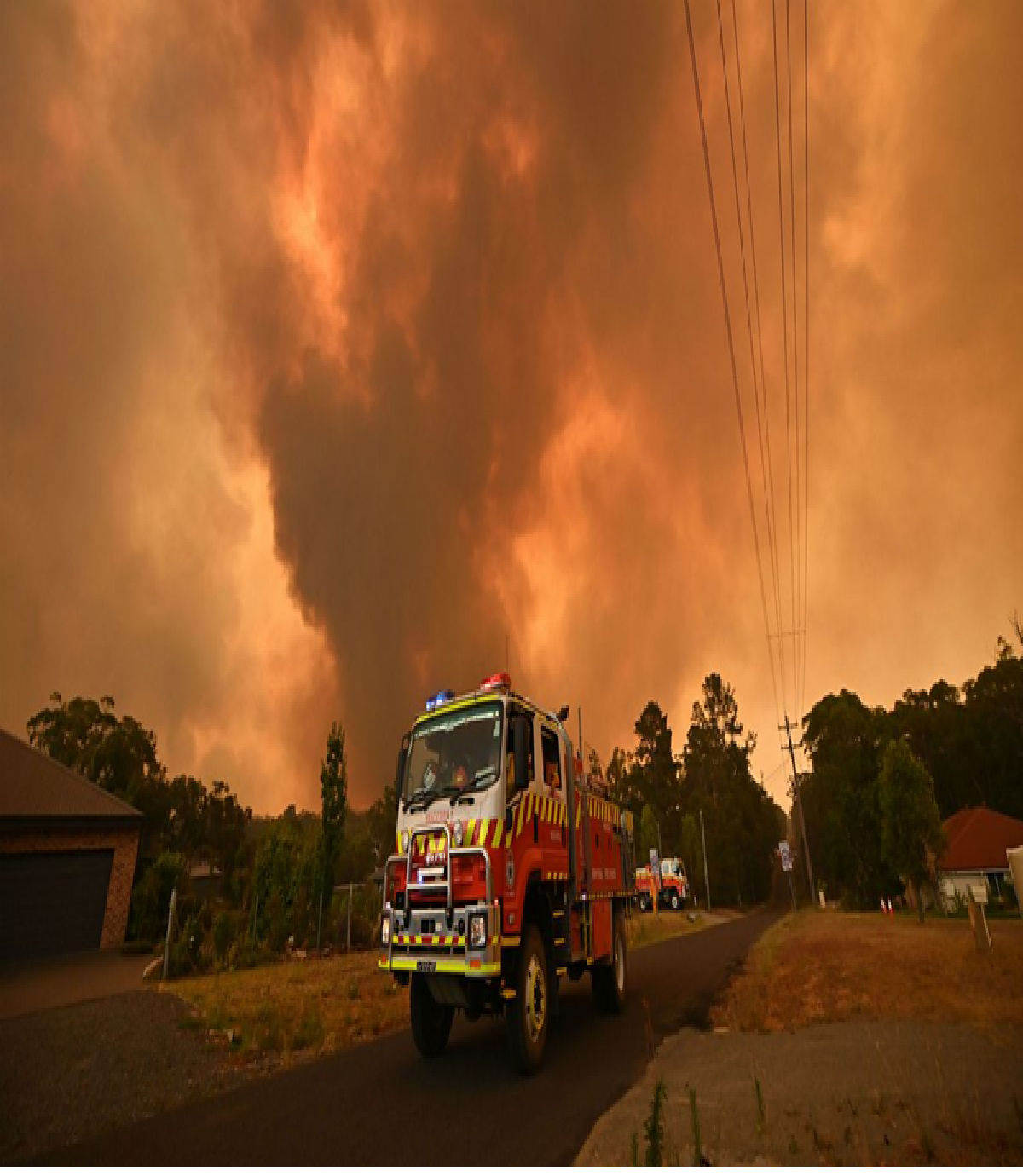
Fires and Heatwaves Rage Across Australia — Emergency Warnings Issued Nationwide
Australia is reeling under a severe combination of extreme heat and devastating fires, with multiple states facing emergency warnings, widespread property damage, and mounting health and safety concerns. As temperatures soar and dry, windy conditions persist, authorities are scrambling to contain bushfires, protect vulnerable populations, and help communities weather one of the harshest early-summer emergencies in recent memory.
🌡️ Heatwave Grips Nation as Temperatures Soar
Over the past several days, large swathes of Australia have been gripped by an intense heatwave that forecasters say is among the worst in years. In Sydney, the temperature recently hit 37.8 °C in the CBD and climbed as high as 40.3 °C in western suburbs like Penrith.
Much of the country — including parts of New South Wales (NSW), Victoria, Tasmania, and South Australia — is experiencing soaring daytime highs and uncomfortably warm nights. According to recent forecasts, some areas may see temperatures pushing into the low 40s °C over the coming days.
Meteorologists attribute the heatwave to a large mass of hot, dry inland air sweeping eastward under persistent northwesterly winds, pushing excessive heat toward the densely populated coastal regions. The dry, gusty conditions have greatly amplified the risk of fires across the southeast.
As a result, authorities have issued widespread heatwave warnings, urging residents — particularly the elderly, children, those with health conditions, and individuals working outdoors — to take precautions. In many regions, overnight temperatures remain high, reducing nighttime relief and increasing risks of heat stress.
Public health agencies have warned about the dangers of prolonged exposure, urging people to stay hydrated, avoid strenuous activity during midday, limit outdoor exposure, and check on vulnerable neighbours.
🔥 Fires Break Out Amid Triple Threat: Heat, Wind, and Dryness
The sweltering heat has come with a dangerous companion — a dramatic increase in bushfire activity. Across several states, firefighters are battling blazes as fire danger reaches extreme levels.
In NSW, the fire risk has been particularly acute. An emergency warning remains in effect for a blaze near Bulahdelah on the Mid-North Coast, prompting evacuations and road closures, including on stretches of the Pacific Highway.
Meanwhile, in Tasmania, a massive bushfire near Dolphin Sands has damaged dozens of properties — including homes, shacks, outbuildings, and vehicles. 19 homes or shacks are reportedly damaged, along with 15 outbuildings and several vehicles, while power infrastructure has also suffered, with numerous poles down.
The fire at Dolphin Sands, fueled by strong winds sometimes exceeding 100 km/h, created dangerous conditions for firefighters. Authorities described the situation as extremely challenging, warning residents not to return until it was deemed safe.
Across NSW, reports show many areas hit by “total fire bans,” especially in zones where hot, dry and windy weather has hardened vegetation and dramatically lowered humidity. The combination of dry fuel, gusty winds, and high heat created a perfect storm for wildfires.
In some places, the authorities are dealing with multiple fire fronts at once — stretching firefighting resources thin and raising stakes for evacuations, property loss, and human safety.
🚨 Emergency Warnings, Evacuations, and Public Safety Measures
Given the rapidly deteriorating conditions, emergency services across states have issued multiple levels of warnings — from “watch and act,” to full evacuation orders. Residents in high-risk zones have been urged to follow instructions, prepare survival plans, and stay alert.
In Tasmania, authorities activated evacuation centers (for instance in the township of Swansea) and coordinated support with relief including the Red Cross, to help displaced residents.
Power outages and downed infrastructure have compounded the hardship for many affected communities. Many are being advised to stay away until the area is declared safe, as damage assessments are still ongoing.
In NSW, road closures — especially along major routes — are impacting mobility and compounding the crisis. Firefighters, emergency services, and volunteers are working round-the-clock to control blazes, rescue affected residents and prevent further spread.
Authorities have also issued broader public warnings, urging people to minimize fire risks, avoid outdoor burning or lighting fires, and steer clear of high-risk zones. In many areas under total fire bans, even the smallest spark — like a discarded cigarette butt or a poorly extinguished campfire — could trigger a catastrophe.
🌍 Context: A Broader Pattern of Worsening Conditions
Experts say that this recent spate of fires and heatwaves fits into a worrying broader pattern. According to weather analysts, a large, slow-moving high-pressure system over the Tasman Sea has driven hot, dry air inland and pushed it eastwards. Combined with persistent northwesterly winds, the result has been a rapid rise in temperatures and a dramatic drop in humidity — creating optimal conditions for fires.
As a consequence, several states — including NSW, Victoria, South Australia, and Tasmania — have declared “total fire bans,” or “extreme fire danger” ratings for many districts, some stretching over hundreds of thousands of square kilometers.
Climate scientists warn that such early-season heatwaves and fires may become more frequent and intense due to climate change. Hotter summers, longer dry spells, and unpredictable winds are increasingly becoming the new normal — raising long-term risks to communities, ecosystems, and infrastructure across Australia.
🧑💼 On the Ground: Impact on Communities and First Responders
For ordinary Australians — families, retirees, workers — the current crisis is more than just statistics — it’s real, tangible, and frightening.
Residents of towns near the fires have lost their homes, are displaced, or are living under evacuation orders. In regions like Dolphin Sands, Glenlusk, and parts of NSW’s Mid-North Coast, entire communities are facing uncertainty as authorities assess damage and try to contain fires.
In some areas, power outages have cut electricity and communication, making it harder for residents to stay updated, receive alerts, or coordinate evacuations. Emergency centers and relief organizations are stretched as they try to provide shelter, food, water, and support.
Firefighters, many working around the clock in dangerous conditions, are battling the elements — extreme heat, fierce winds, smoke, and rapidly changing fire fronts. Some have been injured; the risk of embers, flare-ups, and unpredictable spread keeps operations perilous.
Authorities have urged residents to heed warnings, avoid high-risk behaviors like illegal burning or using fire outdoors, and have a bushfire plan ready. They also remind people to check on neighbours, particularly the elderly and vulnerable, reduce fire risk around homes, and follow evacuation orders if issued.
Public health messaging underscores the risks of heat exhaustion, heatstroke, smoke inhalation, and respiratory problems — especially for people with pre-existing health conditions, older adults, children, and anyone doing strenuous activity outdoors.
📰 What’s Happening Right Now: Key Flashpoints
- In NSW, a fire near Bulahdelah remains under an emergency warning. The Pacific Highway has been shut in affected sections. Residents in Crawford River and other nearby areas have been urged to seek shelter.
- In Tasmania’s east coast — particularly Dolphin Sands and Glenlusk — dozens of homes, outbuildings, and vehicles have been damaged. Evacuation centers like the one in Swansea have been set up, with aid from relief groups. Power infrastructure damage has caused widespread outages.
- Firefighting efforts are ongoing, with crews battling multiple fires amid strong winds and dry conditions. Smoke, embers, and unpredictable fire spread remain major hazards. The fire risk remains high as winds continue and temperatures show little sign of falling.
- Meanwhile, the heatwave is far from over. Forecasts show extreme heat persisting for several more days in many parts of the country, with some regions expecting record-breaking daytime highs and warm nights.
📢 What Authorities and Experts Are Saying
Officials from fire services and state emergency departments have emphasized the seriousness of the situation:
- The combination of extremely hot, dry, and windy conditions makes any fire likely to become uncontrollable if not addressed quickly. Even small ignition sources — like a spark, ember, or discarded cigarette — can trigger large-scale blazes.
- Residents in high-risk areas are being urged to evacuate if told, or at least prepare bushfire survival plans. People are also reminded to avoid outdoor burning, clear vegetation around homes, and stay alert for changing conditions.
- Public health authorities warn that prolonged heat and smoke exposure can exacerbate chronic health issues such as asthma, heart or lung disease, especially among the elderly and vulnerable. They recommend staying indoors where possible, using air-conditioning or fans responsibly, limiting exertion, and staying hydrated.
Climate experts, meanwhile, are drawing attention to the broader context: events like these — early-season heatwaves, repeated fire outbreaks — are likely to become more common as the planet warms. The current crisis is a stark reminder that adaptation and preparedness need to become core priorities.
✅ What the Public Can Do: Safety Advice and Simple Steps
Given the scale and severity of the situation, here are key safety recommendations for people living in or near affected areas:
- Stay informed: Follow alerts from fire services, meteorological warnings, and official channels. Register for local warning systems if available.
- Prepare a bushfire survival plan: Know evacuation routes, have emergency supplies ready, and ensure pets or livestock are accounted for.
- Avoid any fire hazard: Don’t light open fires or burn garden waste. Avoid using machinery that could spark fires (like lawn mowers, chainsaws) during high-risk periods.
- Protect health: Limit exposure to heat and smoke. Stay hydrated. Use masks indoors if necessary.
- Check on neighbours: Particularly the elderly, people with health conditions, or those who might struggle to evacuate.
- Create a defensible home environment: Clear dry leaves, trim overhanging branches, keep gutters clean, remove flammable material near dwellings.
- Follow guidance from emergency services: Evacuate if asked. Don’t take unnecessary risks.
🔭 Looking Ahead: What to Watch For
In the coming days, authorities warn that the situation remains unpredictable. The heatwave forecast persists, and conditions could worsen with further wind changes. The fire danger remains “extreme” in many regions, and additional fires could emerge.
Relief — in the form of cooler temperatures or rain — may come eventually, but forecasters caution that such windows may be brief or limited. Recovery and rebuilding will likely be long and difficult for affected communities.
Experts say this may just be the beginning of a troubling trend. Without meaningful climate action and increased preparedness, Australia may face increasingly frequent and intense events like this — with higher risks to lives, homes, nature, and infrastructure.
📰 Why This Crisis Matters: Beyond the Flames and Heat
This is more than a short-term emergency. What’s unfolding now touches on multiple long-term concerns: climate change, community resilience, environmental degradation, public health, and the capacity of emergency systems.
For many Australians, this summer could mark a painful turning point — not just because of immediate losses, but because of the fear and uncertainty it brings for future seasons. Homes destroyed. Communities displaced. People suffering from smoke, heat stress, and trauma.
The 2025 fires-and-heatwave crisis reveals vulnerabilities in preparedness, infrastructure, and social support systems. It also underscores how climate change isn’t a distant threat — it’s here, now, manifesting in disasters that impact everyday life.
At the same time, the situation brings out stories of resilience, solidarity, and community spirit: neighbours helping each other evacuate, volunteers delivering aid, firefighters risking their lives, agencies coordinating relief efforts across states. These responses matter.
📰 Final Word: A Time for Vigilance, Compassion — and Action
Australia is facing a harsh reality: rising temperatures, drying lands and increased fire risks are becoming more frequent and more severe. What is happening now should serve as a wake-up call for communities, policymakers, and individuals alike.
As the heat persists and fires continue to burn, it’s critical for residents to stay vigilant, stay safe, and stay prepared. But beyond that, it’s time for long-term changes — in urban planning, fire management, climate adaptation, and support systems for the vulnerable.
For now, the priority remains clear: protect lives, support affected communities, and contain what can be contained. But once the fires are out and temperatures drop — the real work begins: rebuilding, healing, and preparing for a future where such crises may become a regrettable norm.
Related Posts